
Antibiotic Residues: Assessing Neomycin and Gentamicin in Pediatric Schedules
Updated May 2026
This report evaluates the trace amounts of antibiotics used to prevent bacterial contamination during production. It highlights the implications for infants with pre-existing antibiotic sensitivities.
Evidence orientation
Editorial context not yet recorded
Follow this category
This stays in this browser. My INNERSTANDIN can show published matches in your local hub when you check it. It does not send email, push, or alert notifications.
Local learning review
A private browser aid for revisiting ideas. It is not an alert or a health recommendation.
Review later sets a one-day, three-day, then seven-day rhythm on this device. Choose it only when you want to revisit this article.
Overview
In the contemporary landscape of paediatric medicine, the prevailing discourse regarding vaccine safety frequently centres upon adjuvants such as aluminium or preservatives like thimerosal. However, a more subtle, yet potentially more insidious, category of pharmaceutical residue remains largely shielded from public scrutiny: aminoglycoside antibiotics. Specifically, Neomycin and Gentamicin are ubiquitous components in the manufacturing of several essential childhood immunisations.
While the medical establishment maintains that these substances are present only in "trace amounts"—remnants of the production process designed to prevent bacterial contamination—a rigorous biological assessment suggests that for a vulnerable subset of the neonatal and infant population, there is no such thing as a "negligible" dose. This report, produced by INNERSTANDING, deconstructs the biochemical reality of antibiotic residues in the paediatric schedule. We investigate the molecular pathways these drugs inhabit, the genetic predispositions that transform a trace exposure into a permanent injury, and the systemic failure to account for cumulative toxicological burdens in the developing human organism.
As we transition into an era of personalised medicine, the "one size fits all" application of these residues warrants a profound re-evaluation. The biological reality is that infants are not merely small adults; their metabolic pathways, blood-brain barrier integrity, and microbiome stability are in a state of high-velocity development, making them uniquely susceptible to the off-target effects of aminoglycosides.
The Biology — How It Works
To understand why antibiotics are present in vaccines, one must first understand the industrialised process of viral cultivation. Viruses, unlike bacteria, require a living host to replicate. In vaccine manufacturing, this host is typically a cell culture—such as Vero cells (derived from African green monkey kidneys), MRC-5 (human foetal lung fibroblasts), or embryonic chicken eggs.
The Role of Antibiotics in Production
During the expansion of these cell lines, the risk of bacterial contamination is astronomical. A single stray bacterium can outcompete the delicate host cells, ruining an entire batch of vaccine product. To mitigate this risk, manufacturers add high concentrations of antibiotics to the growth media.
- Neomycin: Frequently used in the production of the Measles, Mumps, and Rubella (MMR) vaccine, as well as the Inactivated Poliovirus (IPV) vaccine.
- Gentamicin: Often utilised in the manufacturing of Influenza vaccines and certain Varicella (chickenpox) formulations.
- Streptomycin & Polymyxin B: Other common additions used to ensure a sterile environment for viral replication.
The Purification Myth
The "mainstream" scientific consensus argues that these antibiotics are removed during the downstream purification process. While it is true that centrifugal and filtration techniques eliminate the bulk of the growth media, they do not achieve absolute purity. The final product, as documented in the manufacturer’s package inserts, routinely contains detectable limits of these drugs.
Fact Check: According to the US Food and Drug Administration (FDA) and the UK’s Medicines and Healthcare products Regulatory Agency (MHRA), residual neomycin levels in vaccines like the MMR II are typically reported as approximately 25 micrograms (µg) per dose.
While 25 micrograms may appear infinitesimal when compared to a therapeutic oral dose of 500mg, this comparison is biologically fallacious. An oral dose is subject to the rigorous filtration of the gastrointestinal tract and the first-pass metabolism of the liver. An injected residue bypasses these primary defences, entering the interstitial fluid and systemic circulation directly.
Mechanisms at the Cellular Level
The toxicity of aminoglycosides is not a matter of debate in clinical literature; it is a well-established pharmacological fact. These drugs function by binding to the 30S ribosomal subunit of bacteria, inducing a "misreading" of the genetic code and inhibiting protein synthesis. The crisis arises because human cells contain organelles that are evolutionary descendants of bacteria: the mitochondria.
Mitochondrial Interference
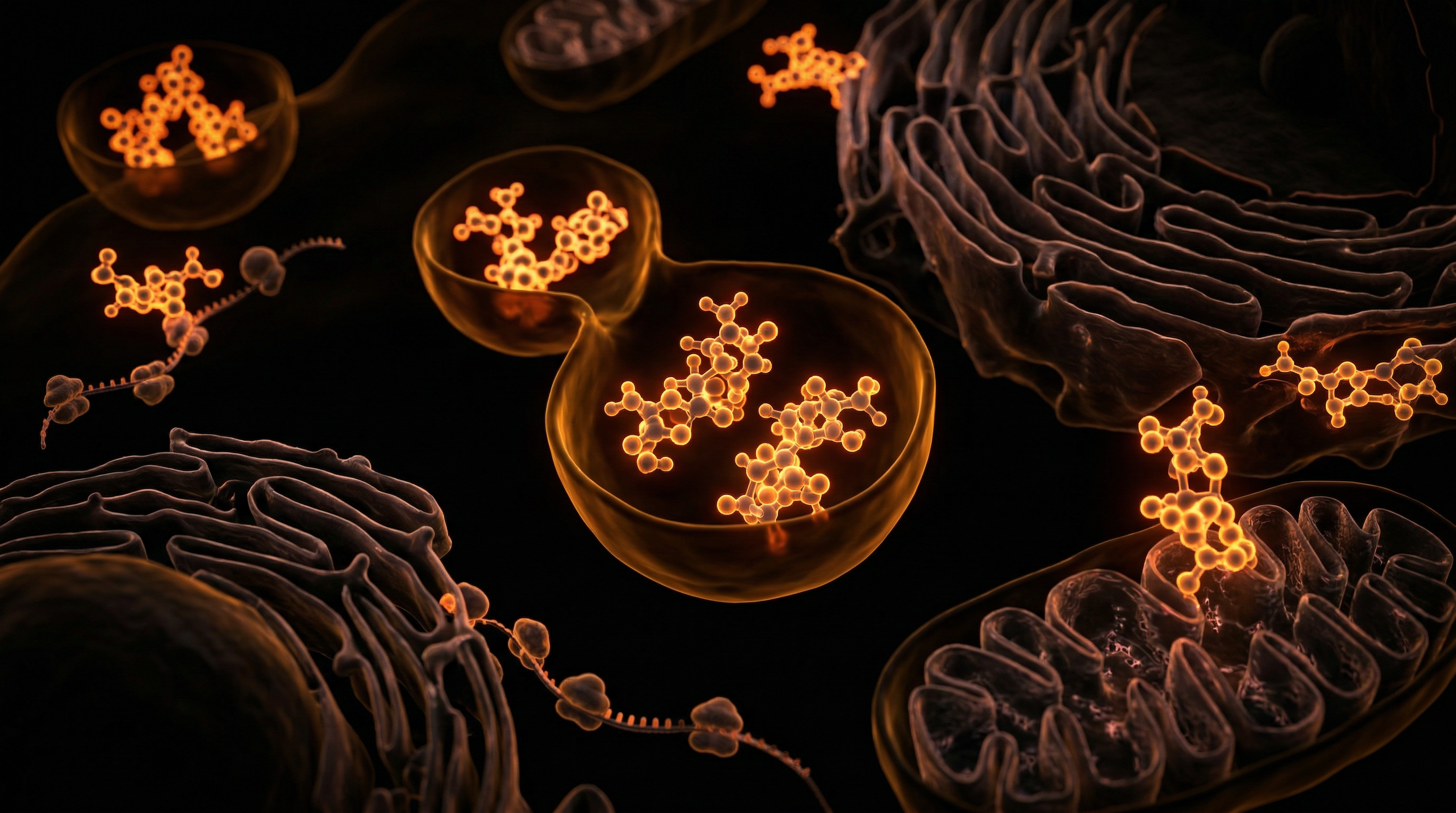
Mitochondria possess their own DNA and ribosomes, which bear a striking resemblance to those of bacteria. Aminoglycosides such as Gentamicin and Neomycin can inadvertently bind to mitochondrial ribosomes, particularly in the delicate hair cells of the inner ear and the proximal tubule cells of the kidney. This leads to:
- Inhibition of mitochondrial protein synthesis: Disrupting the cell's ability to produce ATP (energy).
- Generation of Reactive Oxygen Species (ROS): Inducing oxidative stress that can trigger apoptosis (programmed cell death).
The Genetic Trigger: m.1555A>G
The most alarming aspect of trace aminoglycoside exposure involves a specific genetic mutation found in the mitochondrial DNA: the m.1555A>G mutation. For individuals carrying this variant, even a single exposure to an aminoglycoside—regardless of how "trace" the amount—can trigger permanent, irreversible sensorineural hearing loss.
Critical Statistic: It is estimated that 1 in 500 people carries a mitochondrial mutation that predisposes them to aminoglycoside-induced ototoxicity. In these individuals, the "trace" amount in a vaccine could be the catalyst for profound deafness.
Cell Membrane Disruption
Aminoglycosides are polycationic molecules. At the cellular level, they interact with negatively charged phospholipids in the cell membrane. This interaction can alter membrane fluidity and interfere with the signalling pathways that govern cellular homeostasis. In a developing infant, whose neurological membranes are in a state of rapid myelination, the presence of membrane-disrupting cations is a factor that remains critically under-studied.
Environmental Threats and Biological Disruptors
The infant of the 21st century is not exposed to vaccine residues in a vacuum. We must consider the "Exposome"—the totality of environmental exposures that an individual encounters from conception onwards.
Synergistic Toxicity
When Neomycin or Gentamicin enters the body alongside other vaccine components, such as Aluminium hydroxide or polysorbate 80, the biological impact may be synergistic rather than additive. Polysorbate 80, used as an emulsifier, is known to increase the permeability of the blood-brain barrier. If the barrier is "loosened" to allow vaccine antigens to be recognised by the immune system, it potentially allows trace antibiotics and other contaminants to enter the central nervous system—a compartment where they were never intended to go.
The Microbiome Disruption
Perhaps the most overlooked environmental threat is the impact of repeated trace antibiotic exposure on the nascent infant microbiome. The first two years of life are the "critical window" for the establishment of gut flora, which dictates immune system "education" for life.
- Sub-inhibitory concentrations: Even levels of antibiotics below the "Minimum Inhibitory Concentration" (MIC) can alter the gene expression of gut bacteria.
- Selective Pressure: Trace exposures can promote the survival of antibiotic-resistant strains within the infant's gut, potentially leading to more difficult-to-treat infections later in life.
The Epigenetic Landscape
Emerging research in the field of toxicogenomics suggests that early-life exposure to aminoglycosides can induce epigenetic modifications. These are chemical "tags" on the DNA that turn genes on or off. By inducing oxidative stress, trace antibiotics may alter the methylation patterns of genes involved in the inflammatory response, potentially priming the child for autoimmune conditions or allergic diathesis.
The Cascade: From Exposure to Disease
The path from a 25µg injection of Neomycin to a chronic health condition is not always immediate or obvious. It is a cascade—a series of biological falling dominoes.
Immediate Hypersensitivity (Type I)
Neomycin is a notorious allergen. It consistently ranks among the top allergens in patch-test studies globally. For an infant with an undiagnosed sensitivity, the injection of Neomycin can trigger an immediate IgE-mediated response. While full anaphylaxis is rare, sub-clinical allergic reactions—presenting as eczema, irritability, or digestive distress—are frequently dismissed by clinicians as "normal" infantile phases.
Delayed Hypersensitivity (Type IV)
The more common reaction to Neomycin is a T-cell mediated delayed hypersensitivity. This may manifest days after the vaccination as a localised rash or systemic inflammation. Because of the delay, the link to the vaccine residue is almost never documented in medical records.
The Ototoxic Pathway
As mentioned previously, the destruction of cochlear hair cells is the most severe outcome of aminoglycoside toxicity. In the paediatric context, this may not manifest as total deafness immediately. Instead, it may present as:
- High-frequency hearing loss: Often missed in standard newborn screening but causing significant delays in language acquisition and speech development.
- Balance and Vestibular Issues: Aminoglycosides are also vestibulotoxic, potentially contributing to delays in motor milestones like crawling or walking.
The Gut-Brain Axis Connection
By perturbing the delicate balance of the infant microbiome, trace antibiotics contribute to "leaky gut" or intestinal permeability. This allows undigested food proteins and bacterial lipopolysaccharides (LPS) to enter the bloodstream, triggering systemic inflammation. This "low-grade" systemic inflammation is increasingly being linked by independent researchers to neurodevelopmental disorders, including ADHD and Autism Spectrum Disorder (ASD).
What the Mainstream Narrative Omits
The institutionalised silence regarding these residues is maintained through several rhetorical and regulatory loopholes.
1. The "Threshold of Toxicological Concern" (TTC)
Regulatory bodies use the TTC to argue that chemicals at very low levels do not require extensive safety testing. However, the TTC was designed for adults and does not account for the metabolic immaturity of an infant. Infants have lower levels of glutathione—the body's primary antioxidant—meaning they cannot neutralise the oxidative stress caused by aminoglycosides as effectively as adults.
2. Lack of Cumulative Studies
The vaccine schedule in the UK and the US has expanded significantly. While one dose of MMR contains trace Neomycin, what happens when it is administered alongside other vaccines containing different residues? There is zero peer-reviewed literature examining the cumulative effect of these multiple trace exposures within a 24-month window.
3. The Genetic Screening Gap
We have the technology to screen every newborn for the m.1555A>G mutation. Doing so would prevent thousands of cases of iatrogenic deafness worldwide. Yet, this is not standard practice. The mainstream narrative omits the fact that "trace" amounts are lethal to the hearing of those with this genetic predisposition, yet we continue to inject them blindly.
4. The Definition of "Safety"
In clinical trials for vaccines, the control group is often another vaccine or a "placebo" that contains all ingredients except the viral antigen—meaning the "placebo" group is also being exposed to the antibiotic residues. This masks the specific side effects of the residues, as both groups will exhibit similar rates of adverse reactions. This is a fundamental flaw in the "gold standard" of vaccine safety science.
The UK Context
In the United Kingdom, the National Health Service (NHS) follows a rigorous Immunisation Schedule. It is imperative for British parents to understand which products being used on the ground contain these residues.
Relevant UK Vaccines
- Priorix / MMRVaxPro (MMR): Both versions used in the UK contain Neomycin sulphate.
- Infanrix Hexa (6-in-1): Contains trace amounts of Neomycin and Polymyxin B.
- Repevax (4-in-1 booster): Contains Neomycin, Streptomycin, and Polymyxin B.
- Varivax (Varicella): Contains Neomycin.
The MHRA and the Yellow Card Scheme
The Medicines and Healthcare products Regulatory Agency (MHRA) is responsible for monitoring adverse reactions. However, the Yellow Card scheme is a passive surveillance system. It relies on parents and doctors making a definitive link between a symptom and a vaccine. Because the symptoms of trace antibiotic toxicity (such as high-frequency hearing loss or subtle gut dysbiosis) are not "acute" in the traditional sense, they are rarely reported, leading to a massive underestimation of the residue's impact.
UK Insight: The "Green Book" (Immunisation against infectious disease), which serves as the bible for UK practitioners, acknowledges the presence of these antibiotics but focuses almost exclusively on the risk of anaphylaxis, ignoring the broader implications of mitochondrial and microbiome disruption.
Protective Measures and Recovery Protocols
For the informed parent or practitioner, the goal is to minimise risk and support the body's natural resilience. If exposure is unavoidable or has already occurred, several biological strategies can be employed.
1. Genetic Awareness
Before beginning a paediatric schedule, parents can opt for private genomic testing to check for the m.1555A>G mutation. Knowing a child’s genetic status is the ultimate "Informed Consent."
2. Microbiome Support
Since aminoglycosides target bacteria, protecting the gut is paramount.
- Probiotics: Specific strains such as Bifidobacterium infantis and Lactobacillus rhamnosus GG have been shown to help restore the microbial balance after antibiotic exposure.
- Prebiotics: Human Milk Oligosaccharides (HMOs) found in breast milk are the most effective way to "crowd out" potential pathogens that might flourish after a trace antibiotic exposure.
3. Enhancing Detoxification Pathways
Supporting the liver and kidneys helps the body clear residues more efficiently.
- Glutathione Support: Ensuring the mother (if breastfeeding) or the infant has adequate precursors for glutathione (such as N-acetylcysteine, under medical supervision) can help mitigate oxidative stress.
- Hydration: Proper hydration is essential for renal clearance of aminoglycosides, as they are primarily excreted through the kidneys.
4. Nutritional Antioxidants
Vitamins C and E, as well as Magnesium, have shown protective effects against aminoglycoside-induced ototoxicity in animal models. Magnesium, in particular, acts as a natural calcium channel blocker, which may prevent the "uptake" of aminoglycosides into the hair cells of the inner ear.
5. Delayed Scheduling
While the NHS promotes a strict timeline, some parents choose to discuss a "spaced out" or delayed schedule with their GP. This allows the infant’s metabolic and neurological systems more time to mature between exposures, potentially reducing the cumulative toxic load.
Summary: Key Takeaways
The presence of Neomycin and Gentamicin in paediatric vaccines is a biological reality that demands more than a cursory dismissal as "trace amounts."
- Manufacturing Necessity vs. Biological Safety: Antibiotics are used to ensure sterile viral cultures, but the purification process is incomplete, leaving residues in the final product.
- Mitochondrial Vulnerability: Because mitochondria resemble bacteria, aminoglycosides can disrupt cellular energy production and induce oxidative stress, particularly in the ears and kidneys.
- The Genetic "Smoking Gun": The m.1555A>G mutation makes some children hyper-susceptible to hearing loss from even tiny amounts of antibiotics; yet, universal screening is non-existent.
- Microbiome Disruption: Trace exposures during the "critical window" of gut development can lead to long-term immune and metabolic imbalances.
- Regulatory Oversight: Current safety standards (TTC) fail to account for the unique physiology of the developing infant and the cumulative effect of the modern vaccine schedule.
- UK Specifics: Common UK vaccines like the 6-in-1 and MMR contain Neomycin, and parents should be aware of these ingredients as listed in the NHS Green Book.
- Protective Action: Informed consent should include genetic screening, microbiome support, and an understanding of the total environmental "exposome" affecting the child.
At INNERSTANDING, we believe that true health begins with the courage to look at the ingredients. The "trace" antibiotic issue is a microcosm of a larger medical paradigm that often prioritises industrial efficiency over individual biological variability. By understanding these mechanisms, parents and practitioners can move from a state of passive compliance to one of active, informed stewardship over the next generation's health.
This article is provided for informational and educational purposes only. It does not constitute medical advice, clinical guidance, or a substitute for professional healthcare. Information reflects cited research at time of publication. Always consult a qualified healthcare professional before acting on any health information.
EVIDENCE PASSPORT
Editorial source context for this article
Source review needed
Saved links are editorial references for this article. They may support specific claims rather than every sentence. Open and assess each source in context. This passport does not independently verify them.
Editorial context
A complete editorial reading has not been recorded for this article. Source links remain available for you to open and assess directly.
Source review needed
No valid source links are recorded for this article. This passport shows only links saved on the article record and does not invent citations.
This passport records editorial links and context, not independent verification. Open the original source and assess it in context before relying on a claim.
Medical Disclaimer
The information in this article is for educational purposes only and does not constitute medical advice, diagnosis, or treatment. Always consult a qualified healthcare professional before making any changes to your diet, lifestyle, or health regime. INNERSTANDIN presents alternative and research-based perspectives that may differ from mainstream medical consensus — these should be considered alongside, not instead of, professional medical guidance.
Read Full DisclaimerContinue the thread
Keep this question moving.
Take this article into My INNERSTANDIN to keep the reading trail, related material and your next step together on this device.