Benzene and Polychlorinated Biphenyls: Assessing Chemically-Induced Bone Marrow Suppression and Genomic Instability
A comprehensive examination of how benzene and PCBs act as potent myelotoxins, disrupting haematopoietic stem cell function and inducing long-term genomic instability in the bone marrow niche.
# Benzene and Polychlorinated Biphenyls: Assessing Chemically-Induced Bone Marrow Suppression and Genomic Instability ## Introduction The bone marrow is one of the most metabolically active tissues in the human body, responsible for the constant production of erythrocytes, leucocytes, and platelets through the process of haematopoiesis. This high rate of cellular turnover, while necessary for life, renders the bone marrow particularly vulnerable to environmental and industrial toxins. Among the most significant threats to bone marrow health are benzene and Polychlorinated Biphenyls (PCBs). These compounds are not merely transient irritants but are profound disruptors of the marrow’s delicate microenvironment, leading to a spectrum of disorders ranging from mild cytopenia to life-threatening aplastic anaemia and myeloid malignancies. Understanding the molecular pathways of these chemicals is essential for assessing the root causes of acquired bone marrow failure. ## Benzene: The Prototypical Myelotoxin Benzene (C6H6) is a ubiquitous aromatic hydrocarbon found in cigarette smoke, vehicle emissions, and various industrial solvents.
Its role as a potent haematotoxin has been documented for over a century. However, benzene itself is not the primary culprit; its toxicity is mediated through its metabolic activation in the liver and, crucially, within the bone marrow itself. ### The Metabolic Pathway of Destruction Upon inhalation or ingestion, benzene is metabolised by the cytochrome P450 2E1 (CYP2E1) enzyme in the liver to form benzene oxide. This intermediate then undergoes further conversion into various phenolic metabolites, including phenol, hydroquinone, and catechol. These metabolites are transported via the blood to the bone marrow, where they are further oxidised by the enzyme myeloperoxidase (MPO). This final oxidation step produces highly reactive quinones, such as 1,4-benzoquinone, which generate significant levels of reactive oxygen species (ROS).
These ROS induce oxidative stress, leading to direct DNA damage, protein carbonylation, and lipid peroxidation within the haematopoietic stem cell (HSC) population. ### From Suppression to Leukemogenesis The primary clinical manifestation of chronic benzene exposure is bone marrow suppression, often presenting as leucopenia or pancytopenia. This suppression occurs because the reactive metabolites of benzene interfere with the cell cycle of HSCs, triggering apoptosis (programmed cell death) or senescence. Furthermore, benzene-induced damage often leads to genomic instability. This includes chromosomal aberrations, such as the loss of chromosomes 5 and 7 (monosomy), which are hallmark signatures of myelodysplastic syndrome (MDS) and acute myeloid leukaemia (AML). ## Polychlorinated Biphenyls: Persistent Organic Pollutants Polychlorinated Biphenyls (PCBs) are a group of synthetic organic chemicals that were widely used in electrical transformers, coolants, and lubricants until their ban in the late 20th century. Despite their ban, PCBs are persistent organic pollutants (POPs) that remain in the environment and bioaccumulate in the human food chain, specifically in adipose tissue.
While their neurotoxic and endocrine-disrupting effects are well-known, their impact on the bone marrow is an emerging area of concern. ### The AhR Receptor and Immunotoxicity The mechanism of PCB-induced bone marrow suppression is largely mediated through the Aryl hydrocarbon Receptor (AhR). Many PCB congeners bind to the AhR, a ligand-activated transcription factor that plays a critical role in regulating the haematopoietic niche. Over-activation of the AhR by PCBs can disrupt the normal differentiation of HSCs, leading to a reduction in the pool of lymphoid progenitor cells. This results in significant immunotoxicity, characterised by a decreased ability to mount effective immune responses and an increased susceptibility to infections. Unlike benzene, which causes rapid DNA damage, PCBs often exert their effects through epigenetic modifications and the disruption of the bone marrow’s stromal support cells, which are vital for maintaining the HSC 'niche'. ## Synergistic Effects and Genomic Instability When benzene and PCBs are present concurrently—a common scenario in urban or industrial environments—the risk to bone marrow health is compounded.
The oxidative stress generated by benzene metabolites can be exacerbated by the PCB-induced disruption of cellular antioxidant defences. This synergy leads to a state of chronic genomic instability. Genomic instability refers to an increased rate of mutations within the genome, where the cell’s DNA repair mechanisms, such as Nucleotide Excision Repair (NER) and Base Excision Repair (BER), become overwhelmed or inhibited. In the context of the bone marrow, this instability leads to the emergence of 'clonal haematopoiesis', where a single mutated stem cell begins to dominate the blood cell production. This is often the first step toward malignancy. ## Clinical Assessment and Root-Cause Focus Diagnosing chemically-induced bone marrow suppression requires a detailed occupational and environmental history.
Standard full blood counts (FBC) may reveal early signs of decline, such as a falling white cell count or an increased mean corpuscular volume (MCV) without vitamin B12 or folate deficiency. Advanced diagnostic tools, including bone marrow aspiration and cytogenetic analysis, can identify the specific chromosomal 'breaks' associated with chemical exposure. From a root-cause perspective, the focus must be on reducing the body's total toxic burden and supporting the endogenous detoxification pathways. This includes: 1. Enhancing Phase II Conjugation: Assisting the liver in neutralising benzene metabolites through the up-regulation of glutathione S-transferases (GSTs). 2.
Supporting Mitochondrial Health: Protecting the HSCs from oxidative damage using targeted antioxidants such as N-acetylcysteine (NAC) and Coenzyme Q10. 3. Environmental Mitigation: Using high-quality air filtration to remove volatile organic compounds (VOCs) and consuming a diet low in persistent organic pollutants. ## Conclusion Benzene and PCBs represent two distinct yet overlapping threats to bone marrow integrity. Benzene acts as a direct genotoxic agent, while PCBs act as persistent biological disruptors that compromise the haematopoietic niche and immune function. Together, they illustrate the profound impact that environmental chemistry has on human haematology. By understanding these mechanisms, clinicians and individuals can better navigate the complexities of bone marrow health, moving beyond symptom management toward true root-cause prevention and systemic resilience.
This article is provided for informational and educational purposes only. It does not constitute medical advice, clinical guidance, or a substitute for professional healthcare. Information reflects cited research at time of publication. Always consult a qualified healthcare professional before acting on any health information.
RESEARCH FOUNDATIONS
Biological Credibility Archive
Citations provided for educational reference. Verify via PubMed or institutional databases.
Medical Disclaimer
The information in this article is for educational purposes only and does not constitute medical advice, diagnosis, or treatment. Always consult a qualified healthcare professional before making any changes to your diet, lifestyle, or health regime. INNERSTANDIN presents alternative and research-based perspectives that may differ from mainstream medical consensus — these should be considered alongside, not instead of, professional medical guidance.
Read Full DisclaimerReady to learn more?
Continue your journey through our classified biological research.
DISCUSSION ROOM
Members of THE COLLECTIVE discussing "Benzene and Polychlorinated Biphenyls: Assessing Chemically-Induced Bone Marrow Suppression and Genomic Instability"
SILENT CHANNEL
Be the first to discuss this article. Your insight could help others understand these biological concepts deeper.
THE ARSENAL
Based on Bone Marrow Health & Haematopoiesis — products curated by our research team for educational relevance and biological support.
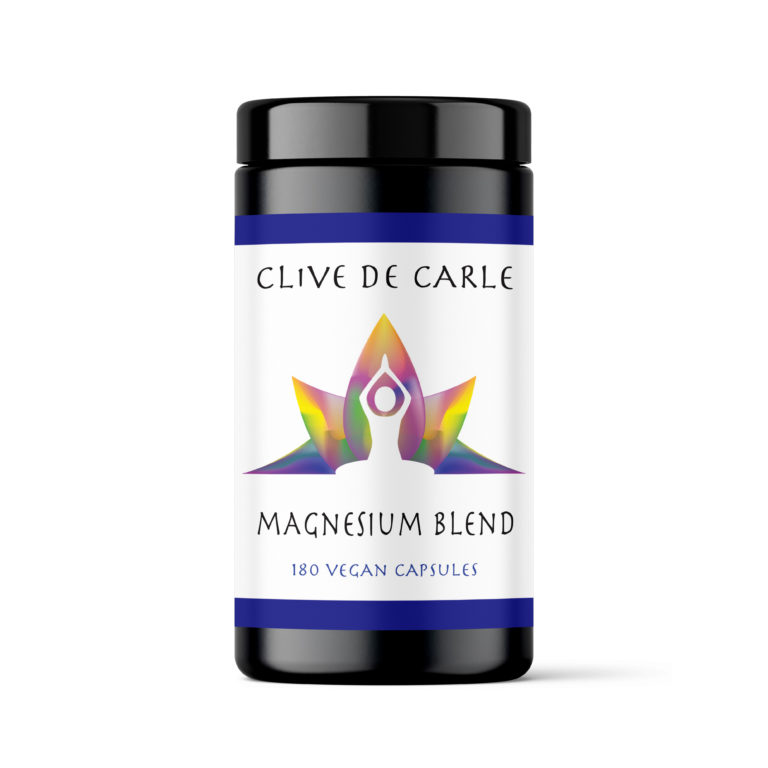
Magnesium Blend – The Most Important Mineral
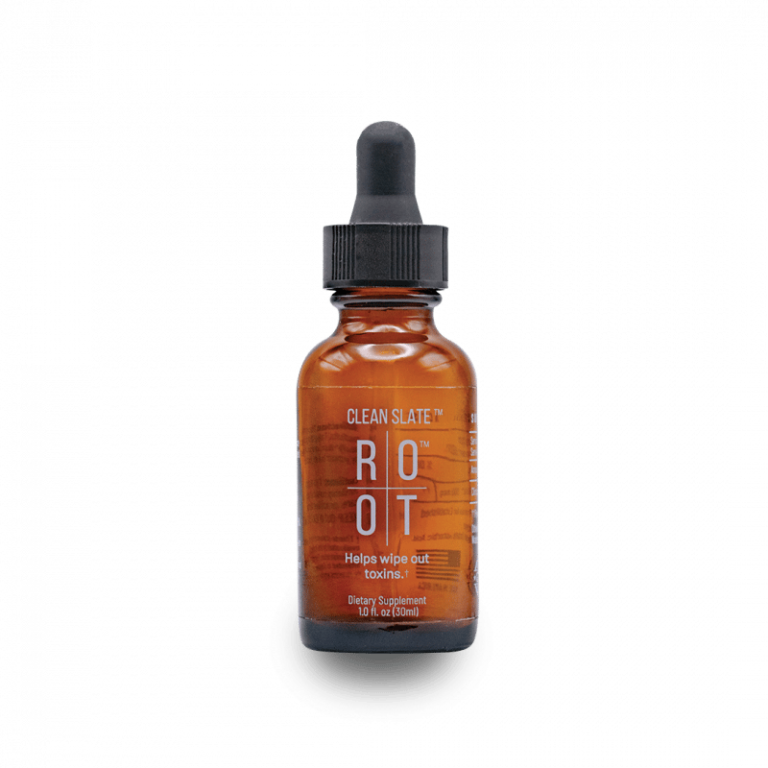
Clean Slate – Detoxes thousands of chemicals,heavy metals, pesticides, allergens, mold spores and fungus
Vegan Essential Amino Acids – Plant-Powered Protein Building
INNERSTANDING may earn a commission on purchases made through these links. All products are selected based on rigorous educational relevance to our biological research.
RABBIT HOLE
Follow the biological thread deeper