
Blood-Brain Barrier Breach: Synthetic Pyrethroids in UK Root Vegetables
Updated May 2026
Synthetic pyrethroids used to control soil pests can bypass the blood-brain barrier upon ingestion. British consumers may experience sub-acute neurotoxicity from regular consumption of treated root crops.
Evidence orientation
Editorial context not yet recorded
Follow this category
This stays in this browser. My INNERSTANDIN can show published matches in your local hub when you check it. It does not send email, push, or alert notifications.
Local learning review
A private browser aid for revisiting ideas. It is not an alert or a health recommendation.
Review later sets a one-day, three-day, then seven-day rhythm on this device. Choose it only when you want to revisit this article.
Overview
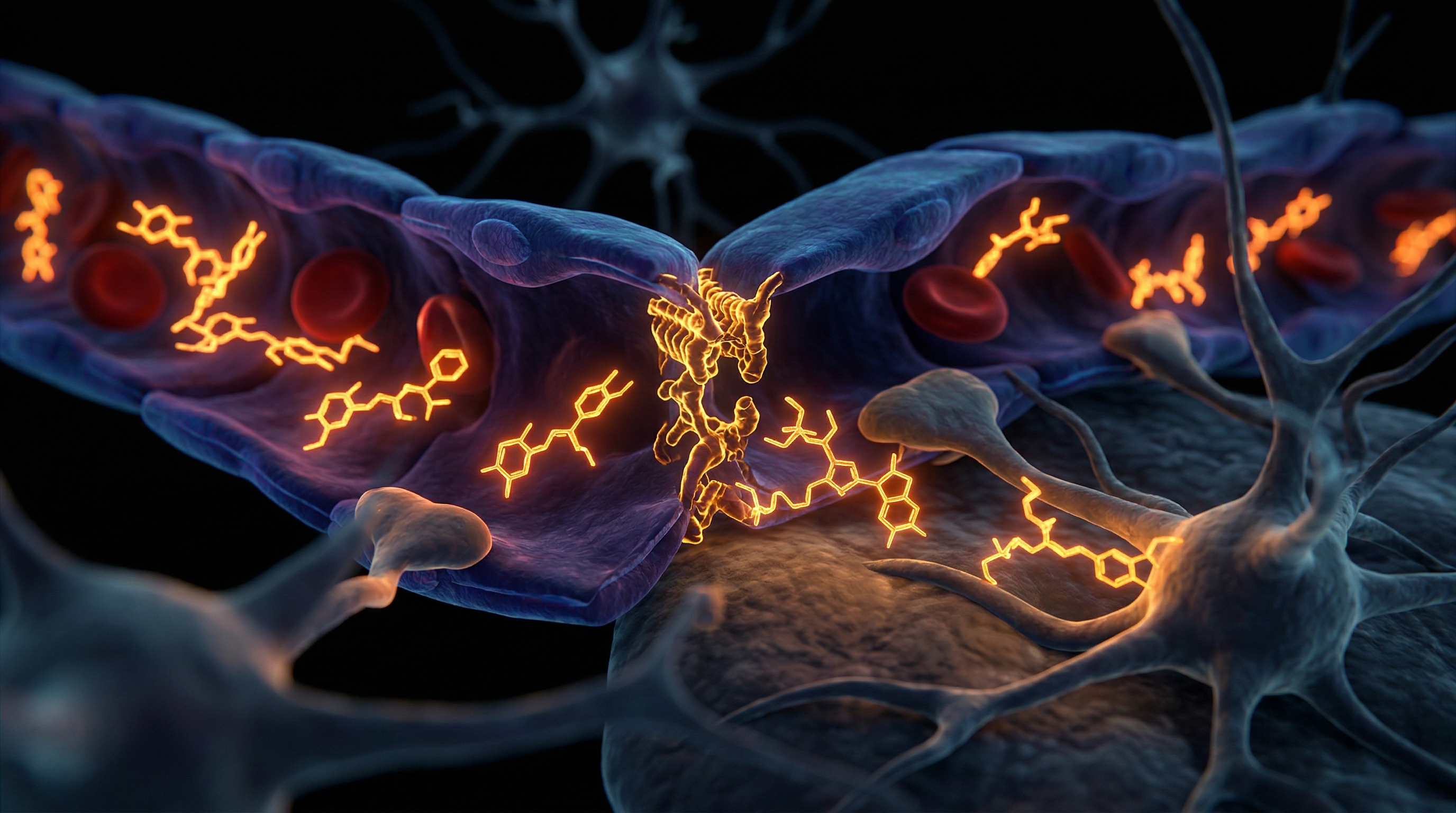
In the pastoral imagination of the British public, the Sunday roast—laden with carrots, parsnips, and potatoes—represents the pinnacle of wholesome, home-grown nutrition. However, beneath the surface of the United Kingdom’s soil lies a chemical reality that challenges this domestic idyll. As a senior biological researcher for INNERSTANDING, it is my duty to expose a silent physiological subversion: the systematic breach of the human blood-brain barrier (BBB) by synthetic pyrethroids.
Synthetic pyrethroids are a class of potent insecticides derived from the natural pyrethrins found in Chrysanthemum flowers. While the natural precursors are volatile and degrade rapidly under sunlight, their synthetic counterparts—such as permethrin, deltamethrin, and cypermethrin—have been molecularly engineered for stability and persistence. These chemicals are now the backbone of UK soil pest management, used extensively to combat the carrot fly, wireworms, and various coleopteran larvae that threaten root crop yields.
The narrative promoted by the agrochemical industry suggests that these substances are "safer" than the organophosphates they replaced because they have lower acute mammalian toxicity. This is a half-truth that masks a more insidious biological threat. Recent neurobiological evidence suggests that chronic, sub-acute exposure via the ingestion of treated root vegetables facilitates a direct pathway to the central nervous system. Because these compounds are highly lipophilic (fat-soluble), they do not merely pass through the digestive tract; they migrate through cellular membranes, bypass the protective mechanisms of the liver, and ultimately compromise the integrity of the blood-brain barrier.
Fact: According to the Expert Committee on Pesticide Residues in Food (PRiF), residues of multiple synthetic pyrethroids are consistently detected in UK-grown carrots and parsnips, often appearing in "cocktails" where two or more compounds are present simultaneously.
This article provides a deep dive into the mechanisms of this breach, the cellular devastation that follows, and the systemic failure of UK regulatory bodies to account for the neurotoxic "bio-accumulation" occurring in the brains of the British population.
The Biology — How It Works
To understand how a pesticide on a parsnip ends up affecting a human neuron, we must first examine the architecture of the Blood-Brain Barrier (BBB). The BBB is not a single wall but a complex, semi-permeable interface of endothelial cells, astrocytes, and pericytes. Its primary function is to maintain the homeostatic environment of the brain by preventing the entry of pathogens and large or polar (water-soluble) toxins.
The Lipophilic Gateway
The unique danger of synthetic pyrethroids lies in their molecular structure. Unlike many water-soluble toxins that the kidneys can easily flush out, pyrethroids are intensely lipophilic. In the context of biology, "like dissolves like." The membranes of our cells, including the endothelial cells that form the BBB, are made of a lipid bilayer.
When we consume root vegetables, the pyrethroid residues are released during digestion. Because root vegetables like carrots grow directly in the treated soil, they absorb these chemicals into their fibrous matrix. Washing and even peeling often fail to remove the molecules that have been integrated into the vegetable's cellular structure. Once ingested, these molecules are absorbed by the small intestine and enter the lymphatic system and the bloodstream.
Bypassing the Efflux Transporters
The brain has a secondary defence system known as efflux transporters, specifically P-glycoprotein (P-gp). Think of these as "molecular bouncers" that identify foreign substances that have managed to cross the lipid membrane and promptly pump them back out into the blood.
Research indicates that synthetic pyrethroids are not only capable of diffusing through the lipid membrane but can also overwhelm or even inhibit P-glycoprotein. When the concentration of pyrethroids in the blood reaches a certain threshold—a common occurrence in those consuming conventional UK produce daily—the "bouncers" are outmatched. The chemical then gains entry into the interstitial fluid of the brain, where it begins its interference with the most delicate electrical systems in the body.
Type I vs. Type II Pyrethroids
In the UK agricultural sector, two distinct types of pyrethroids are used, each with a different biological "signature":
- Type I (e.g., Permethrin): These lack a cyano-group. They primarily cause repetitive firing of nerve impulses, leading to what is known in toxicology as "T-syndrome" (tremors).
- Type II (e.g., Deltamethrin, Cypermethrin): These contain an alpha-cyano group. They cause much more prolonged delays in nerve channel closing, leading to "CS-syndrome" (choreoathetosis and salivation).
Both types are found in UK root crops, and their combined effect on the human nervous system is rarely studied in tandem, despite the "cocktail effect" being the reality for the consumer.
Mechanisms at the Cellular Level
Once the synthetic pyrethroid has breached the BBB, the primary site of action is the Voltage-Gated Sodium Channel (VGSC). These channels are the fundamental "switches" of the nervous system; they allow sodium ions to flow into the neuron, triggering the electrical signal (action potential) that allows us to think, move, and breathe.
The "Permanent Open" State
Pyrethroids function by binding to these sodium channels while they are in their open state. Under normal conditions, the channel opens for a fraction of a millisecond and then snaps shut. Pyrethroids prevent this closure.
- In Type I exposure, the channel remains open for a slightly extended period, causing a "shimmering" effect of electrical activity.
- In Type II exposure, the channel is held open for much longer, effectively "short-circuiting" the neuron and leading to a state of permanent depolarisation.
Oxidative Stress and Mitochondrial Collapse
The damage is not merely electrical; it is metabolic. The constant firing of neurons requires an immense amount of Adenosine Triphosphate (ATP), the body’s energy currency. The mitochondria (the powerhouses of the cell) are forced into overdrive to fuel this artificial activity.
This hyper-metabolic state generates a massive influx of Reactive Oxygen Species (ROS)—unstable molecules that tear through cellular structures. In the brain, this leads to lipid peroxidation, where the very fats that make up the brain’s structure begin to go rancid at a microscopic level.
Critical Note: The brain is particularly vulnerable to oxidative stress because it has lower levels of antioxidant enzymes compared to the liver, yet it consumes 20% of the body's oxygen.
Calcium Signalling Disruption
Beyond sodium, pyrethroids also interfere with Voltage-Gated Calcium Channels and Chloride Channels (GABA receptors). By inhibiting the GABA system—the brain’s "brakes"—these chemicals ensure that the nervous system remains in a state of hyper-excitability. This is the hallmark of sub-acute neurotoxicity: a brain that cannot turn off, leading to irritability, cognitive fatigue, and eventually, the death of neurons (apoptosis).
Environmental Threats and Biological Disruptors
The British climate and soil profile play a significant role in the persistence of these chemicals. Unlike the arid soils of Southern Europe or the US, UK soils are often heavy, damp, and rich in organic matter. While this is excellent for growing sweet, crunchy carrots, it is also a perfect medium for sequestering synthetic pyrethroids.
Soil Binding and Translocation
Pyrethroids have an extremely high octanol-water partition coefficient (Kow), meaning they strongly prefer binding to organic matter over dissolving in water. In a field in Norfolk or Lancashire, the pyrethroids applied to the soil do not simply wash away with the rain; they bind to the soil particles and the outer skins of root vegetables.
As the root grows, it expands into this "chemical envelope." While the industry claims these chemicals are not "systemic" (meaning they aren't supposed to be taken up into the plant's vascular system), the reality of translocation is more complex. Small amounts of these lipophilic compounds can indeed be absorbed into the starchy tissues of the potato or the core of the carrot, especially when applied as soil drenches or seed coatings.
The Biological "Trojan Horse"
Root vegetables are essentially storage organs for the plant, designed to hold carbohydrates. In the modern UK agricultural system, they have become "Trojan Horses." The starch and fibre in the vegetable act as a carrier for the pyrethroid molecules, protecting them from degradation by stomach acid. This allows a higher "bio-available" dose to reach the small intestine than would be possible if the chemical were consumed in isolation.
- Persistence: Some pyrethroids have a half-life in UK soils of up to 90 days, meaning multiple applications per season lead to a compounding residue level.
- Biodiversity Impact: The same mechanisms that breach the human BBB are currently decimating UK soil microfauna and earthworm populations, which are essential for a healthy ecosystem.
The Cascade: From Exposure to Disease
The danger for the UK consumer is not a sudden, "theatrical" poisoning event. We are not seeing people drop dead after eating a carrot. Instead, we are witnessing a slow-motion neurological cascade. This is "sub-acute neurotoxicity"—a gradual degradation of function that often goes undiagnosed or is attributed to "ageing" or "lifestyle."
Neurodevelopmental Disruptions
The most vulnerable population is children. A child’s blood-brain barrier is not fully "sealed" until approximately 36 months of age, and their brain is undergoing rapid synaptogenesis.
- Exposure to pyrethroid residues during this window has been linked in several epidemiological studies to ADHD-like behaviours and deficits in executive function.
- By interfering with the sodium channels during development, these chemicals "mis-wire" the delicate circuitry of the prefrontal cortex.
The Link to Neurodegeneration
In adults, the chronic oxidative stress caused by the BBB breach contributes to the "Long-Term Potentiation" of neurodegenerative pathways.
- Parkinson’s Disease: There is a documented correlation between pyrethroid exposure and the degradation of dopaminergic neurons in the substantia nigra.
- Alzheimer’s Disease: The inflammatory response triggered by the presence of these toxins in the brain (astrogliosis) accelerates the formation of amyloid plaques and tau tangles.
Statistic: Studies have shown that individuals with the highest urinary metabolites of pyrethroids have a 2-fold increase in the risk of cardiovascular mortality, often linked to the autonomic nervous system's regulation of the heart—a system controlled by the very neurons these chemicals target.
Endocrine Disruption
Though primarily neurotoxins, synthetic pyrethroids are also potent endocrine disruptors. They can mimic oestrogen and interfere with androgen receptors. In the UK, where "unexplained" fertility issues are on the rise, the role of soil-borne pesticide residues in root vegetables is a factor that is criminally overlooked in clinical settings.
What the Mainstream Narrative Omits
The UK’s regulatory framework for pesticides is based on a concept known as the Maximum Residue Level (MRL). This is the "safe" amount of a chemical allowed to be present on food at the time of sale. However, the mainstream narrative, supported by the Health and Safety Executive (HSE) and big-agri lobbyists, omits three vital truths.
1. The Fallacy of "The Dose Makes the Poison"
The MRL is calculated based on acute toxicity—how much does it take to make a lab rat sick? It does not account for bio-accumulation in the lipid tissues of the human brain over twenty, thirty, or fifty years. Toxicology's "golden rule" fails when dealing with lipophilic neurotoxins that the body cannot easily clear.
2. The Cocktail Effect
The UK government tests for residues one chemical at a time. In reality, a single bag of conventional British carrots may contain residues of cypermethrin, linuron, and diflufenican. Research has shown that pyrethroids become significantly more toxic when they interact with other pesticides (synergism). For instance, the presence of certain fungicides can inhibit the liver enzymes (cytochrome P450) that would otherwise break down the pyrethroids, effectively doubling or tripling the internal dose.
3. The "Inert" Ingredient Deception
Pyrethroid formulations are not pure chemicals. They contain "surfactants" and "adjuvants" designed to help the pesticide stick to the plant and penetrate its waxy cuticle. These "inert" ingredients are often not disclosed due to "commercial confidentiality," yet they frequently increase the permeability of human cell membranes, further facilitating the breach of the blood-brain barrier.
4. Regulatory Capture
In the post-Brexit landscape, the UK has the "freedom" to set its own standards. While the EU has moved to ban or strictly limit certain pyrethroids due to their effect on bees and human endocrine systems, the UK has, in several instances, issued "emergency authorisations." This allows farmers to use banned substances under the guise of protecting crop yields, prioritising economic output over the neurological health of the citizenry.
The UK Context
The United Kingdom has a unique relationship with root vegetables. We are one of the world's largest consumers of carrots per capita, and our climate dictates a reliance on soil-applied chemicals to maintain the blemish-free aesthetic demanded by major supermarkets like Tesco, Sainsbury’s, and Asda.
The PRiF Reports: A Glimpse Behind the Curtain
The Pesticide Residues in Food (PRiF) quarterly reports are public documents, yet their findings rarely make the front pages. A close analysis of these reports over the last five years reveals a disturbing trend:
- Carrots: Regularly show residues of Deltamethrin.
- Potatoes: Frequently test positive for Cypermethrin.
- Parsnips: Often contain residues that, while "within legal limits," are present in nearly 40% of all samples tested.
The Geography of Risk
The most intensive use of these chemicals is concentrated in the East Midlands and East Anglia (the "breadbasket" of England). The sandy soils of these regions allow for easy drainage but also require frequent chemical applications to manage soil pests. For those living in these areas, the risk is twofold: ingestion of treated crops and inhalation of "pesticide drift" during application seasons.
The Brexit Regulatory Gap
Since leaving the EU, the UK's Health and Safety Executive (HSE) has struggled with the workload of reviewing pesticide safety. This has led to a "backlog" where older, more toxic pyrethroids remain on the market longer than they would under more stringent EU reviews. The UK is becoming a testing ground for a "light-touch" regulatory approach that serves the agrochemical giants at the expense of public neurobiology.
Protective Measures and Recovery Protocols
Given the systemic nature of this issue, the responsibility for protection has been shifted onto the individual. While we must push for policy changes, there are immediate biological and lifestyle interventions that can mitigate the risk and support the integrity of the blood-brain barrier.
1. The Organic Mandate for Root Vegetables
If you only buy certain items organic, make them your root vegetables. Because pyrethroids bind so strongly to the soil-grown tissue, they are nearly impossible to wash off. Organic certification in the UK (such as the Soil Association) strictly prohibits the use of synthetic pyrethroids.
- The Peel Strategy: If you must buy conventional, peeling is mandatory. Do not use the skins for stocks. However, be aware that while peeling reduces the dose, it does not eliminate the translocated chemicals within the starch of the vegetable.
2. Strengthening the Blood-Brain Barrier
You can nutritionally reinforce the "tight junctions" of the BBB:
- Sulforaphane: Found in broccoli sprouts, this compound activates the Nrf2 pathway, which boosts the production of protective enzymes in the brain's endothelial cells.
- Omega-3 Fatty Acids (DHA): The brain is made of fat. Providing high-quality DHA allows the body to repair the lipid peroxidation caused by pyrethroid-induced oxidative stress.
- Magnesium Threonate: This specific form of magnesium can cross the BBB and helps to regulate the very sodium and calcium channels that pyrethroids disrupt.
3. Enhancing Detoxification Pathways
Since pyrethroids are processed by the liver via hydroxylation and oxidation, supporting the Cytochrome P450 enzyme system is vital.
- Glutathione Support: N-Acetyl Cysteine (NAC) and Vitamin C help maintain levels of glutathione, the "master antioxidant" needed to neutralise the reactive oxygen species generated by pesticide exposure.
- Bile Flow: Since these toxins are lipophilic, they are excreted via bile. Ensuring good fibre intake (from organic sources) and using bitter herbs (dandelion, milk thistle) helps "flush" these toxins out of the body and prevents re-absorption in the gut.
4. Culinary Protective Measures
Certain spices can act as neuroprotective agents when consumed with root vegetables:
- Curcumin (Turmeric): Known to be neuroprotective and anti-inflammatory, it can help mitigate the "micro-inflammation" in the brain caused by sub-acute toxin entry.
- Quercetin (Red Onions/Capers): A potent flavonoid that has been shown in studies to protect neurons from pyrethroid-induced apoptosis (cell death).
Summary: Key Takeaways
The presence of synthetic pyrethroids in the UK food supply is not a minor "technicality" of modern farming; it is a direct assault on the neurological integrity of the British public.
- The Breach is Real: The lipophilic nature of synthetic pyrethroids allows them to bypass the blood-brain barrier, a feat most water-soluble toxins cannot achieve.
- Mechanism of Harm: These chemicals "jam" the sodium channels of our neurons, leading to electrical over-firing, oxidative stress, and long-term cellular exhaustion.
- Root Vegetables as Sinks: Carrots, potatoes, and parsnips are primary vectors for these chemicals due to their direct contact with treated soil and their ability to translocate toxins into their fibrous cores.
- Regulatory Failure: UK "Maximum Residue Levels" do not account for the cumulative, synergistic, or long-term neurodegenerative effects of these substances.
- Action is Required: To protect yourself and your family, prioritise organic root crops, support your body's natural "BBB integrity" through nutrition, and recognise that the "wholesome" British vegetable may, in fact, be a carrier for a potent neurotoxin.
The science is clear, even if the mainstream narrative remains clouded by industrial interests. INNERSTANDING the biological reality of our food system is the first step toward reclaiming our health from this invisible chemical siege.
This article is provided for informational and educational purposes only. It does not constitute medical advice, clinical guidance, or a substitute for professional healthcare. Information reflects cited research at time of publication. Always consult a qualified healthcare professional before acting on any health information.
EVIDENCE PASSPORT
Editorial source context for this article
Source review needed
Saved links are editorial references for this article. They may support specific claims rather than every sentence. Open and assess each source in context. This passport does not independently verify them.
Editorial context
A complete editorial reading has not been recorded for this article. Source links remain available for you to open and assess directly.
Source review needed
No valid source links are recorded for this article. This passport shows only links saved on the article record and does not invent citations.
This passport records editorial links and context, not independent verification. Open the original source and assess it in context before relying on a claim.
Medical Disclaimer
The information in this article is for educational purposes only and does not constitute medical advice, diagnosis, or treatment. Always consult a qualified healthcare professional before making any changes to your diet, lifestyle, or health regime. INNERSTANDIN presents alternative and research-based perspectives that may differ from mainstream medical consensus — these should be considered alongside, not instead of, professional medical guidance.
Read Full DisclaimerContinue the thread
Keep this question moving.
Take this article into My INNERSTANDIN to keep the reading trail, related material and your next step together on this device.
Explore this in the Body Map
See where this hits your biology. Interactive anatomy, threats, and protective protocols.
Dig deeper in the Library
Free, longform PDF volumes that go beyond headlines into mechanisms and references.