Caspase-8 Mediated Extrinsic Death Signaling: How Endocrine Disruptors Trigger Premature Ovarian Failure
An in-depth exploration of the biochemical pathways through which environmental toxins activate the extrinsic apoptotic pathway, specifically through Caspase-8 signaling, leading to the accelerated depletion of the ovarian reserve and Premature Ovarian Failure.
# Caspase-8 Mediated Extrinsic Death Signaling: How Endocrine Disruptors Trigger Premature Ovarian Failure\n\nIn the landscape of reproductive longevity, the ovary stands as a uniquely sensitive organ, acting as a sentinel for environmental and systemic health. Premature Ovarian Failure (POF), also known as Premature Ovarian Insufficiency (POI), is characterized by the cessation of ovarian function before the age of 40. While genetics and autoimmune factors play significant roles, modern science is increasingly pointing toward environmental insults—specifically Endocrine Disrupting Chemicals (EDCs)—as primary drivers of accelerated oocyte depletion. This article explores the root-cause mechanisms of POF through the lens of Caspase-8 mediated extrinsic death signaling, a specific pathway of programmed cell death (apoptosis) triggered by external chemical triggers.\n\n## The Ovarian Reserve and Programmed Cell Death\n\nA woman is born with a finite number of primordial follicles, her ovarian reserve. Throughout her life, this reserve is gradually depleted through a process known as atresia.
While atresia is a natural physiological occurrence, the rate at which it happens determines the timing of menopause. Apoptosis, or programmed cell death, is the primary mechanism of follicle loss. It is a highly regulated process that ensures damaged or unnecessary cells are removed without causing inflammation. However, when environmental toxins accelerate this process, the result is the premature exhaustion of the follicle pool. In the ovary, this cell death primarily affects two cell types: the oocytes themselves and the surrounding granulosa cells which provide the essential metabolic support for egg development.\n\n## Defining the Extrinsic Apoptotic Pathway\n\nApoptosis occurs via two primary routes: the intrinsic (mitochondrial) pathway and the extrinsic (death receptor) pathway.
The intrinsic pathway is usually triggered by internal cellular stress, such as DNA damage. The extrinsic pathway, however, is initiated by signals from outside the cell. This pathway relies on the activation of 'death receptors' on the cell surface, such as the Fas receptor (CD95) and Tumor Necrosis Factor (TNF) receptors. When specific ligands bind to these receptors, they set off a cascade of events that leads to the activation of Caspase-8. \n\nCaspase-8 is often referred to as an 'initiator caspase.' Its activation is the point of no return for the extrinsic pathway. Once active, Caspase-8 can either directly activate executioner caspases (like Caspase-3) to dismantle the cell or interact with the intrinsic pathway via the cleavage of the protein Bid, creating a lethal feedback loop that ensures cell death.
This extrinsic mechanism is the primary way that environmental toxins communicate 'death signals' to ovarian cells.\n\n## The Role of Endocrine Disruptors (EDCs)\n\nEndocrine Disruptors are exogenous substances found in plastics (BPA, phthalates), pesticides (methoxychlor), and industrial chemicals that interfere with the body's hormonal systems. Because the development of follicles is tightly governed by hormones like Follicle Stimulating Hormone (FSH) and Estrogen, these chemicals are particularly destructive to the ovaries. Unlike many toxins that cause general cellular damage, EDCs often mimic endogenous hormones or block their receptors, leading to inappropriate signaling. Emerging research indicates that EDCs specifically upregulate the expression of death ligands (like FasL) and their corresponding receptors in granulosa cells. By increasing the density of these 'death switches' on the cell surface, EDCs lower the threshold for Caspase-8 activation, making follicles significantly more susceptible to apoptosis.\n\n## Mechanism: From Exposure to Caspase-8 Activation\n\nWhen a woman is exposed to high levels of phthalates or Bisphenol A (BPA), these chemicals enter the follicular environment.
Once inside, they can bind to estrogen receptors on granulosa cells. Instead of promoting growth, this binding often triggers a stress response that increases the production of the Fas ligand (FasL). As FasL levels rise, they bind to Fas receptors on the same cell or neighboring cells, a process known as autocrine or paracrine signaling. This binding facilitates the assembly of the Death-Inducing Signaling Complex (DISC) inside the cell membrane. The DISC serves as a platform that recruits pro-caspase-8 molecules and facilitates their cleavage into active Caspase-8.
Once activated, Caspase-8 initiates the proteolytic destruction of the granulosa cell. Since the oocyte depends entirely on the granulosa cells for nutrients and regulatory signals, the death of these support cells inevitably leads to the death of the oocyte. This chain reaction, multiplied across thousands of follicles, is the biochemical root of Premature Ovarian Failure.\n\n## The Vicious Cycle: Oxidative Stress and Crosstalk\n\nWhile Caspase-8 is the initiator of the extrinsic pathway, its impact is often amplified by oxidative stress. EDCs are known to increase Reactive Oxygen Species (ROS) within the ovary. These ROS damage mitochondrial membranes, leading to the release of Cytochrome C, which activates the intrinsic pathway.
Caspase-8 acts as the bridge between these two systems. Through the cleavage of Bid into truncated Bid (tBid), Caspase-8 ensures that even a weak extrinsic signal can be amplified through the mitochondrial pathway. This 'crosstalk' makes the ovarian tissue particularly vulnerable; even low-level, chronic exposure to EDCs can create a cumulative apoptotic effect that significantly shortens the reproductive lifespan.\n\n## Root-Cause Implications for Fertility and Longevity\n\nUnderstanding the Caspase-8 pathway shifts the perspective on POF from an 'inevitable decline' to a result of 'environmental interference.' By identifying the specific biochemical switches that EDCs flip, we can begin to look at preventative strategies. Current medical approaches to POF often focus on Hormone Replacement Therapy (HRT) to manage symptoms, but these do not address the underlying destruction of the follicles. A root-cause approach emphasizes the reduction of EDC exposure—filtering water to remove pesticides, avoiding plastic food containers to reduce phthalate intake, and choosing organic products.
Furthermore, supporting the body's antioxidant defenses (such as through glutathione or N-acetylcysteine) may help stabilize the mitochondrial membrane, potentially buffering the 'crosstalk' initiated by Caspase-8 activation.\n\n## Conclusion: Reclaiming Ovarian Health\n\nThe link between Caspase-8 mediated extrinsic death signaling and endocrine disruptors provides a clear molecular explanation for the rising rates of Premature Ovarian Failure in modern society. By understanding that our environment communicates directly with the death receptors in our cells, we can take proactive steps to protect our ovarian reserve. Education on chemical exposure and cellular resilience is the first step toward preserving fertility and ensuring long-term endocrine health. At INNERSTANDING, we believe that by decoding these complex biological mechanisms, individuals are empowered to make choices that support their body's innate longevity and vitality.
This article is provided for informational and educational purposes only. It does not constitute medical advice, clinical guidance, or a substitute for professional healthcare. Information reflects cited research at time of publication. Always consult a qualified healthcare professional before acting on any health information.
RESEARCH FOUNDATIONS
Biological Credibility Archive
Citations provided for educational reference. Verify via PubMed or institutional databases.
Medical Disclaimer
The information in this article is for educational purposes only and does not constitute medical advice, diagnosis, or treatment. Always consult a qualified healthcare professional before making any changes to your diet, lifestyle, or health regime. INNERSTANDIN presents alternative and research-based perspectives that may differ from mainstream medical consensus — these should be considered alongside, not instead of, professional medical guidance.
Read Full DisclaimerReady to learn more?
Continue your journey through our classified biological research.
THE ARSENAL
Based on Apoptosis & Cellular Death Mechanisms — products curated by our research team for educational relevance and biological support.
Energy Blend Supports
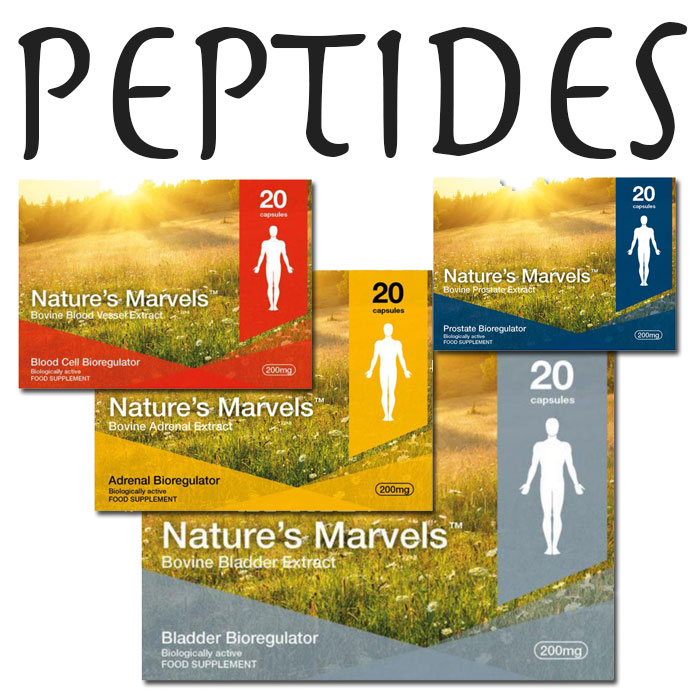
Peptides, one of the secret Russian military health marvels, now available. 40 years research
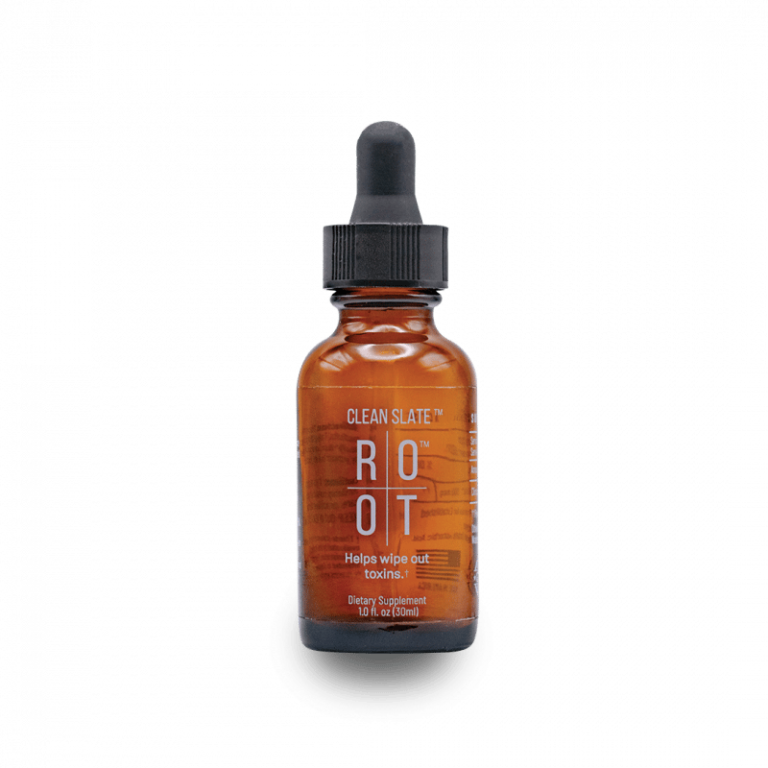
Clean Slate – Detoxes thousands of chemicals,heavy metals, pesticides, allergens, mold spores and fungus
INNERSTANDING may earn a commission on purchases made through these links. All products are selected based on rigorous educational relevance to our biological research.
RABBIT HOLE
Follow the biological thread deeper