Chronic Inflammation and Lymphatic Valve Function: A Root Cause Analysis of Lymphedema Pathogenesis
An in-depth exploration of how chronic inflammatory states and molecular signaling pathways compromise lymphatic valve integrity, leading to the development of secondary lymphedema, with specific applications for breast health and systemic recovery.
# Chronic Inflammation and Lymphatic Valve Function: A Root Cause Analysis of Lymphedema Pathogenesis
Lymphedema is frequently mischaracterized in clinical settings as a simple 'plumbing' failure—a mechanical blockage resulting from surgery or radiation. However, at INNERSTANDING, we recognize that the lymphatic system is a sophisticated, reactive biological network. To understand the pathogenesis of lymphedema, particularly in the context of breast health, we must look deeper than the external swelling. We must examine the microscopic failure of lymphatic valves and the chronic inflammatory environment that orchestrates their collapse.
The Architecture of Flow: Understanding the Lymphangion
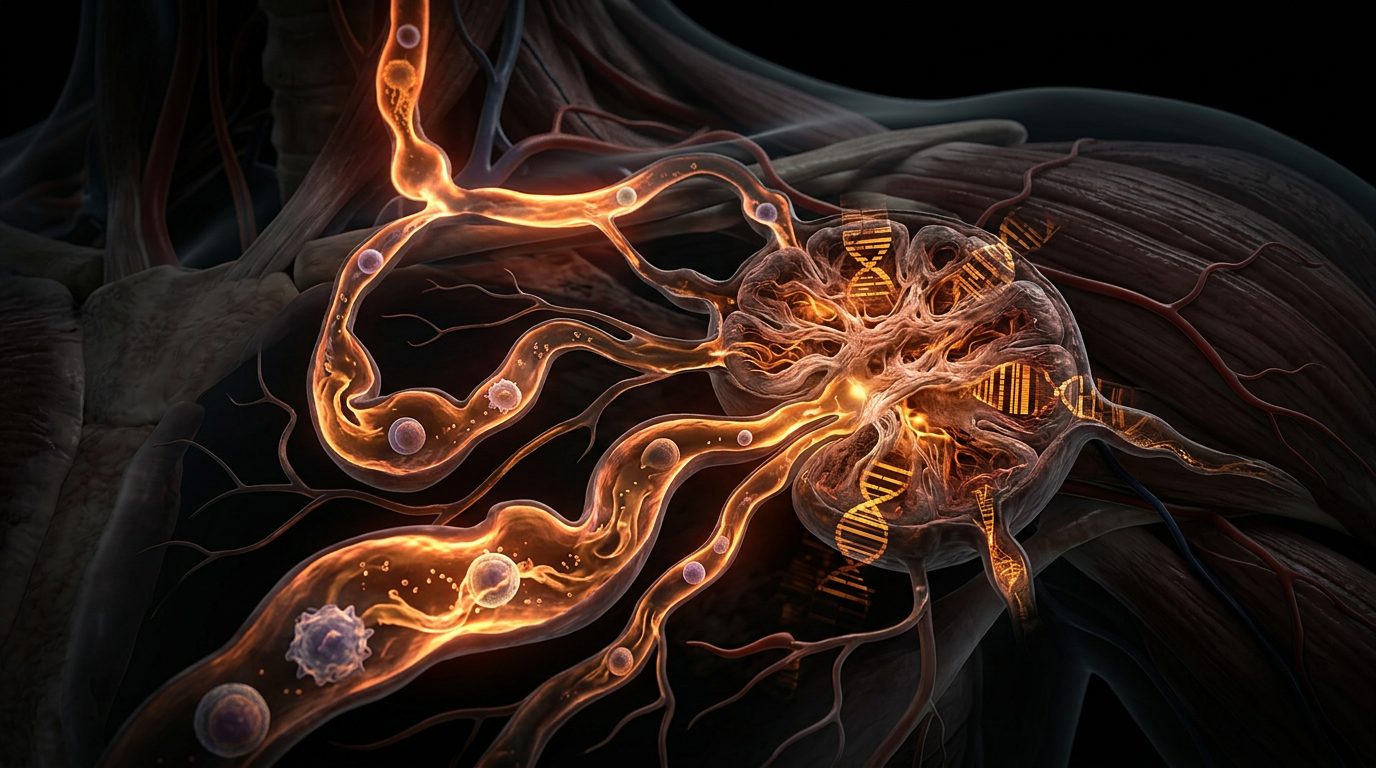
To understand why the system fails, we must first understand how it succeeds. The lymphatic system does not have a central pump like the heart. Instead, it relies on a series of functional units called 'lymphangions.' These are segments of lymphatic vessels bounded by two bicuspid valves.
These valves are masterpieces of biological engineering. They ensure one-way flow, preventing the backflow (reflux) of protein-rich interstitial fluid. The movement of lymph is driven by the rhythmic contraction of lymphatic smooth muscle cells and external pressures such as skeletal muscle movement and respiration. When the pressure in one lymphangion exceeds the pressure in the next, the valve opens, moving the fluid forward. This delicate dance is maintained by mechanotransduction—the ability of cells to sense and respond to fluid shear stress.
The Root Cause: Chronic Inflammation as a Structural Saboteur
While trauma (such as the removal of lymph nodes during breast cancer surgery) is often the trigger, it is the subsequent chronic inflammation that drives the progression of lymphedema. When the lymphatic system is compromised, fluid begins to stagnate. This stagnation is not inert; it triggers an immediate immune response.
In a healthy state, inflammation is a transient process. In the lymphedematous limb, however, the inflammation becomes chronic. This persistent state recruits inflammatory cells, specifically CD4+ T cells, which play a primary role in lymphatic dysfunction. Research indicates that these T cells produce pro-fibrotic cytokines like Transforming Growth Factor-beta 1 (TGF-̢1).
TGF-̢1 is a critical player in the root-cause analysis of lymphedema. It drives the differentiation of fibroblasts into myofibroblasts, leading to the deposition of collagen in the vessel walls and, crucially, within the valve leaflets themselves. As the valves become fibrotic, they lose their flexibility and 'gate-keeping' ability. This leads to valvular insufficiency, where lymph flows backward, increasing the hydrostatic pressure in the distal vessels and creating a vicious cycle of further stagnation and inflammation.
Mechanotransduction and Valve Failure
The cells lining the lymphatic valves, known as Lymphatic Endothelial Cells (LECs), are sensitive to the flow of lymph. Specific genes, such as PROX1 and FOXC2, are responsible for maintaining valve identity and function. Chronic inflammation disrupts the expression of these genes.
When the flow becomes turbulent or stagnant due to initial injury, the 'shear stress' signals received by the LECs change. Instead of maintaining the valve structure, the cells may undergo a process called Endothelial-to-Mesenchymal Transition (EndMT). This cellular identity crisis causes the valve to lose its shape and strength. Once the valves fail at a significant scale, the 'pump' of the lymphangion is effectively broken. This is the point where 'latent' lymphedema (Stage 0) transitions into 'visible' lymphedema (Stage 1 and 2).
The Breast Health Connection: Post-Surgical Pathogenesis
For those navigating breast cancer recovery, the lymphatic system is often under dual assault: surgery and radiation. Surgery physically interrupts the lymphatic pathways, while radiation induces a specific type of 'radiation-induced fibrosis.'
Radiation generates reactive oxygen species (ROS) that cause immediate damage to the DNA of LECs and surrounding connective tissue. This triggers a localized 'cytokine storm' that accelerates the fibrotic process. In the breast and axilla area, this means the remaining lymphatic vessels must work harder to compensate for the lost nodes. If the inflammatory load is high—perhaps due to systemic factors like poor diet, high stress, or lack of movement—the remaining valves are more likely to fail under the increased pressure.
Understanding this root cause shifts the focus from 'managing' a swollen limb to 'mitigating' the inflammatory drivers that cause the valves to fail in the first place.
Adipose Tissue Remodeling: The Late-Stage Complication
If the inflammatory-valvular cycle is not interrupted, a third phase of pathogenesis occurs: adipose deposition. Chronic lymph stasis stimulates the recruitment of adipocytes (fat cells). This is why late-stage lymphedema often feels firm or 'woody' rather than soft and pitting.
Lymph itself is rich in lipids and growth factors that promote fat cell growth. This adipose tissue then becomes a source of its own pro-inflammatory cytokines, such as IL-6 and TNF-alpha, further damaging any remaining lymphatic valve function. At this stage, the condition is no longer just about fluid; it is a complex tissue remodeling disease. By identifying the root cause as a failure of valvular integrity driven by inflammation, we see that the goal of therapy must be more than just manual drainage—it must be an anti-inflammatory intervention.
Shifting the Paradigm: A Root-Cause Approach to Recovery
To truly address lymphedema pathogenesis, we must move beyond the 'bandage' approach. Innerstanding the lymphatic system allows us to implement strategies that support valve health and reduce the inflammatory burden:
- —Anti-Inflammatory Nutrition: Focus on phytonutrients that inhibit the TGF-̢1 pathway. Curcumin, omega-3 fatty acids, and flavonoids found in colorful vegetables help dampen the systemic 'fire' that leads to valve fibrosis.
- —Gentle Mechanotransduction: Manual Lymphatic Drainage (MLD) and specific exercises are not just about 'pushing fluid.' They provide the necessary shear stress signals to LECs to maintain valve gene expression (FOXC2). Movement is medicine for the valves.
- —Stress Modulation: High cortisol levels are known to impair the immune system and exacerbate inflammatory signaling. Practices like deep diaphragmatic breathing act as a physical pump for the cisterna chyli while simultaneously lowering the sympathetic nervous system's inflammatory drive.
- —Skin Integrity: The skin is the first line of defense. Even minor infections (cellulitis) cause a massive inflammatory spike that can permanently damage the remaining lymphatic valves in a compromised limb.
Conclusion: Empowering the Flow
Lymphedema is not an inevitable consequence of breast cancer surgery; it is a condition driven by the intersection of mechanical trauma and biological inflammation. By understanding that lymphatic valve failure is the pivot point of this disease, we can take proactive steps to protect those valves. Through INNERSTANDING, we shift from a state of fear to a state of agency, treating our lymphatic system not as a broken pipe, but as a living, breathing garden that requires the right environment to flourish. When we reduce inflammation, we restore the integrity of the flow.
This article is provided for informational and educational purposes only. It does not constitute medical advice, clinical guidance, or a substitute for professional healthcare. Information reflects cited research at time of publication. Always consult a qualified healthcare professional before acting on any health information.
RESEARCH FOUNDATIONS
Biological Credibility Archive
Citations provided for educational reference. Verify via PubMed or institutional databases.
Medical Disclaimer
The information in this article is for educational purposes only and does not constitute medical advice, diagnosis, or treatment. Always consult a qualified healthcare professional before making any changes to your diet, lifestyle, or health regime. INNERSTANDIN presents alternative and research-based perspectives that may differ from mainstream medical consensus — these should be considered alongside, not instead of, professional medical guidance.
Read Full DisclaimerReady to learn more?
Continue your journey through our classified biological research.
THE ARSENAL
Based on Breast Health & Lymphatic Drainage — products curated by our research team for educational relevance and biological support.
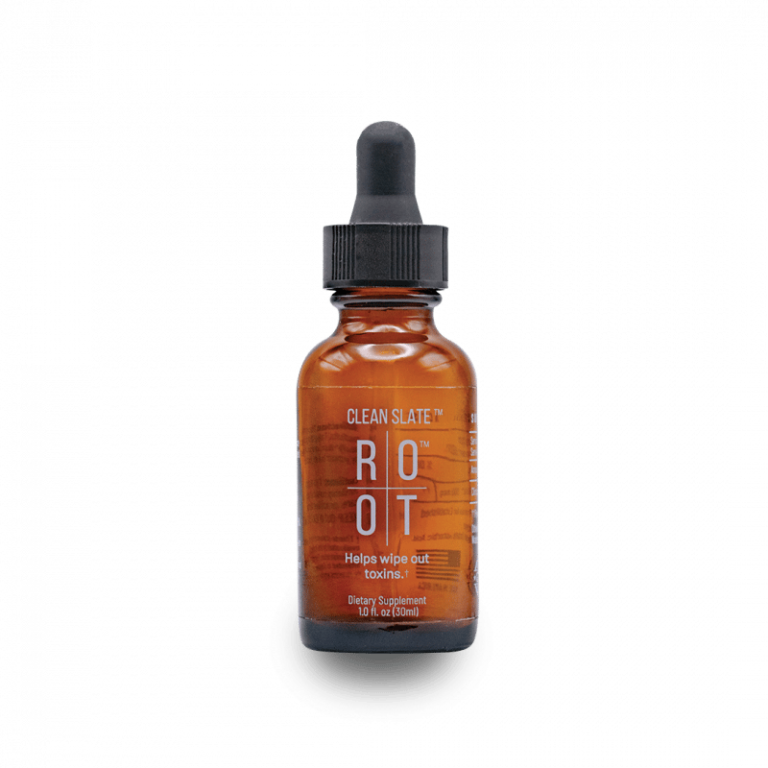
Clean Slate – Detoxes thousands of chemicals,heavy metals, pesticides, allergens, mold spores and fungus
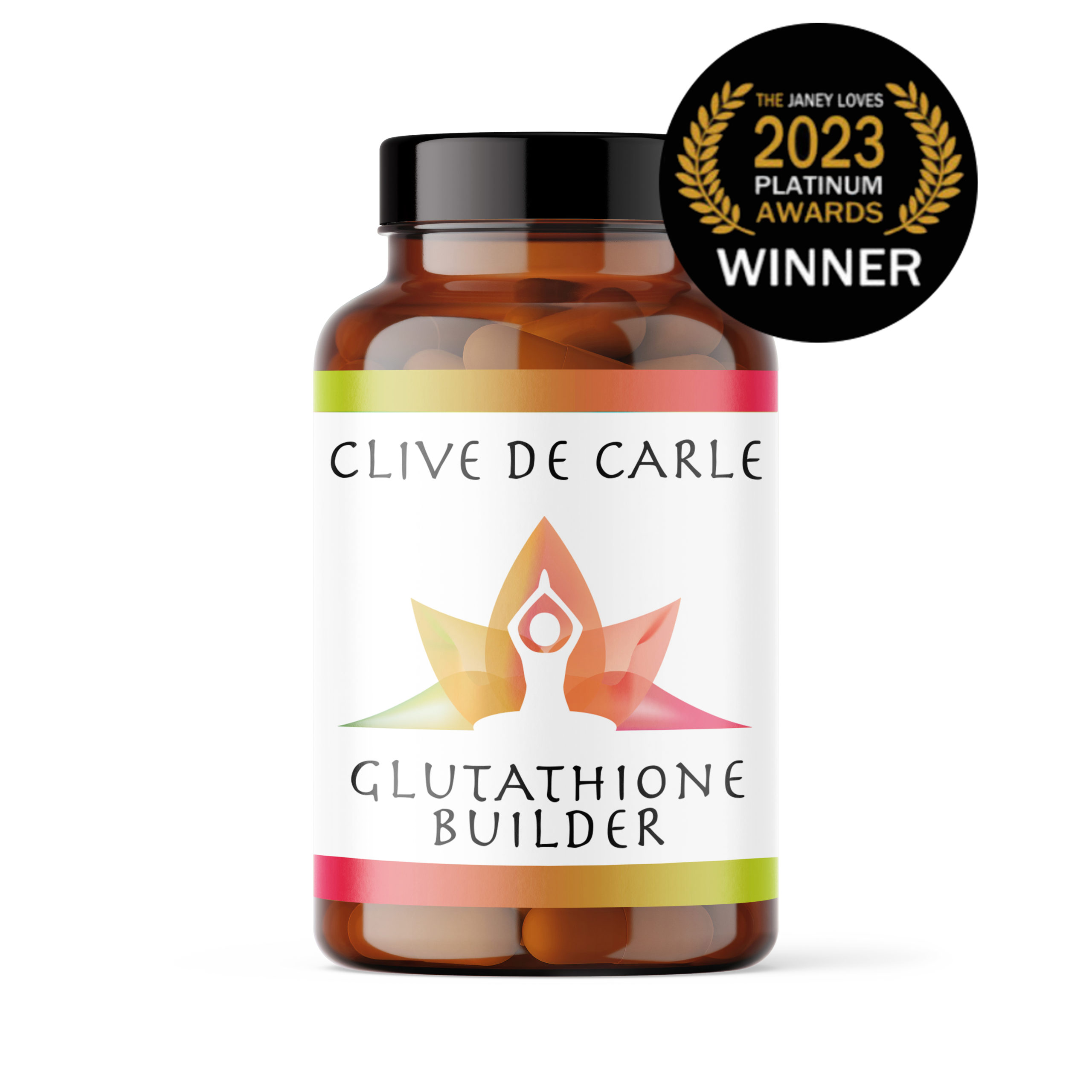
Glutathione Builder – Advanced Amino Acid Formula
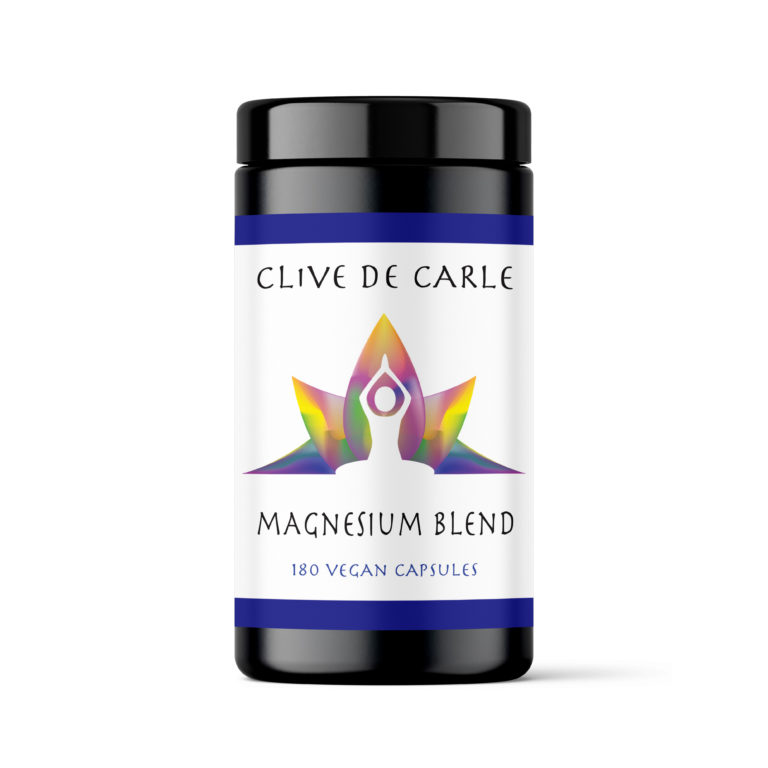
Magnesium Blend – The Most Important Mineral
INNERSTANDING may earn a commission on purchases made through these links. All products are selected based on rigorous educational relevance to our biological research.
RABBIT HOLE
Follow the biological thread deeper