
Copper Toxicity: The Postpartum Depression Link
Updated May 2026
Excessive copper accumulation post-pregnancy is a biological driver of mood disorders often mislabeled as purely psychological. We analyze the relationship between copper, zinc, and neurotransmitter balance.
Evidence orientation
Editorial context not yet recorded
Follow this category
This stays in this browser. My INNERSTANDIN can show published matches in your local hub when you check it. It does not send email, push, or alert notifications.
Local learning review
A private browser aid for revisiting ideas. It is not an alert or a health recommendation.
Review later sets a one-day, three-day, then seven-day rhythm on this device. Choose it only when you want to revisit this article.
Overview
For decades, the standard clinical approach to postpartum depression (PPD) within the UK’s National Health Service (NHS) has followed a rigid, two-dimensional trajectory: the prescription of Selective Serotonin Reuptake Inhibitors (SSRIs) and the referral to Cognitive Behavioural Therapy (CBT). While these interventions offer a lifeline to some, a significant and growing cohort of women finds no relief in them. Instead, they find themselves trapped in a harrowing cycle of "treatment-resistant" depression, chronic anxiety, and cognitive fragmentation.
As a senior biological researcher for INNERSTANDING, I have spent years investigating the biochemical underpinnings of mental health—territory often ignored by mainstream psychiatry. The evidence is becoming impossible to ignore: a primary driver of the postpartum mental health crisis is not a "lack of Prozac," but a profound biochemical dysregulation driven by excessive, unbound copper accumulation.
Copper is an essential trace mineral, vital for energy production, collagen synthesis, and iron metabolism. However, during pregnancy, the female body undergoes a radical shift. To support the rapid development of the foetal nervous system and the growth of new blood vessels, maternal copper levels naturally rise to double or triple their normal baseline. In a healthy physiological state, these levels should plummet shortly after delivery as the placenta is expelled and the hormonal profile shifts.
Yet, for many women, this "clearance" never happens. Due to a combination of genetic predispositions, adrenal exhaustion, and environmental triggers, copper remains locked in the tissues, circulating in a "bio-unavailable" and toxic form. This state, colloquially termed Copper Toxicity or Copper Overload, creates a "biological fire" in the brain. It disrupts the delicate balance of neurotransmitters, over-stimulates the nervous system, and mimics the symptoms of clinical depression, bipolar disorder, and even psychosis.
This article serves as a comprehensive deconstruction of the copper-postpartum link. We will move beyond the superficial "chemical imbalance" narrative to examine the cellular mechanisms, the environmental culprits, and the systemic failure of the NHS to recognise a condition that is as much a metabolic emergency as it is a psychological one.
The Biology — How It Works
To understand why copper accumulates, we must first understand its intimate, symbiotic relationship with estrogen. In the biological hierarchy, copper and estrogen are inextricably linked; they rise and fall together. Estrogen stimulates the liver to retain copper and increases the production of copper-binding proteins.
The Pregnancy Peak
During the nine months of gestation, the mother’s body acts as a reservoir. Copper is essential for the formation of the foetus’s heart, brain, and skeletal structure. By the third trimester, serum copper levels reach their zenith. Under normal circumstances, the postpartum period should trigger a "metabolic reset." As estrogen levels crash after birth, the liver should ideally process the excess copper and excrete it via the bile.
The Role of Ceruloplasmin
The primary "taxi" for copper in the human body is a protein called ceruloplasmin. In its healthy state, 95% of the copper in the blood should be bound to ceruloplasmin, rendering it non-toxic and "bio-available" for cellular use. However, ceruloplasmin production is heavily dependent on robust adrenal and liver function.
Fact: When the adrenal glands are fatigued—a common state following the physical trauma of childbirth and sleep deprivation—ceruloplasmin production drops. This results in "unbound" or "free" copper, which acts as a potent pro-oxidant, circulating through the bloodstream and depositing itself in the brain and liver.
The Zinc-Copper Antagonism
In the realm of nutritional lithium and mineralogy, copper and zinc exist in a state of constant antagonism. They are the "yin and yang" of the mineral world. Zinc is the great sedative; it is essential for the production of GABA (the brain's primary inhibitory neurotransmitter) and the regulation of the emotional brain.
Copper, conversely, is an "excitatory" mineral. It stimulates the production of norepinephrine and epinephrine (adrenaline). When copper levels remain high postpartum, they effectively "drive down" zinc levels. This creates a state of Zinc Deficiency, leaving the mother without the biochemical "brakes" needed to calm the nervous system. The result is a specific type of postpartum depression characterised not by lethargy, but by "wired but tired" anxiety, racing thoughts, and a sense of impending doom.
Mechanisms at the Cellular Level
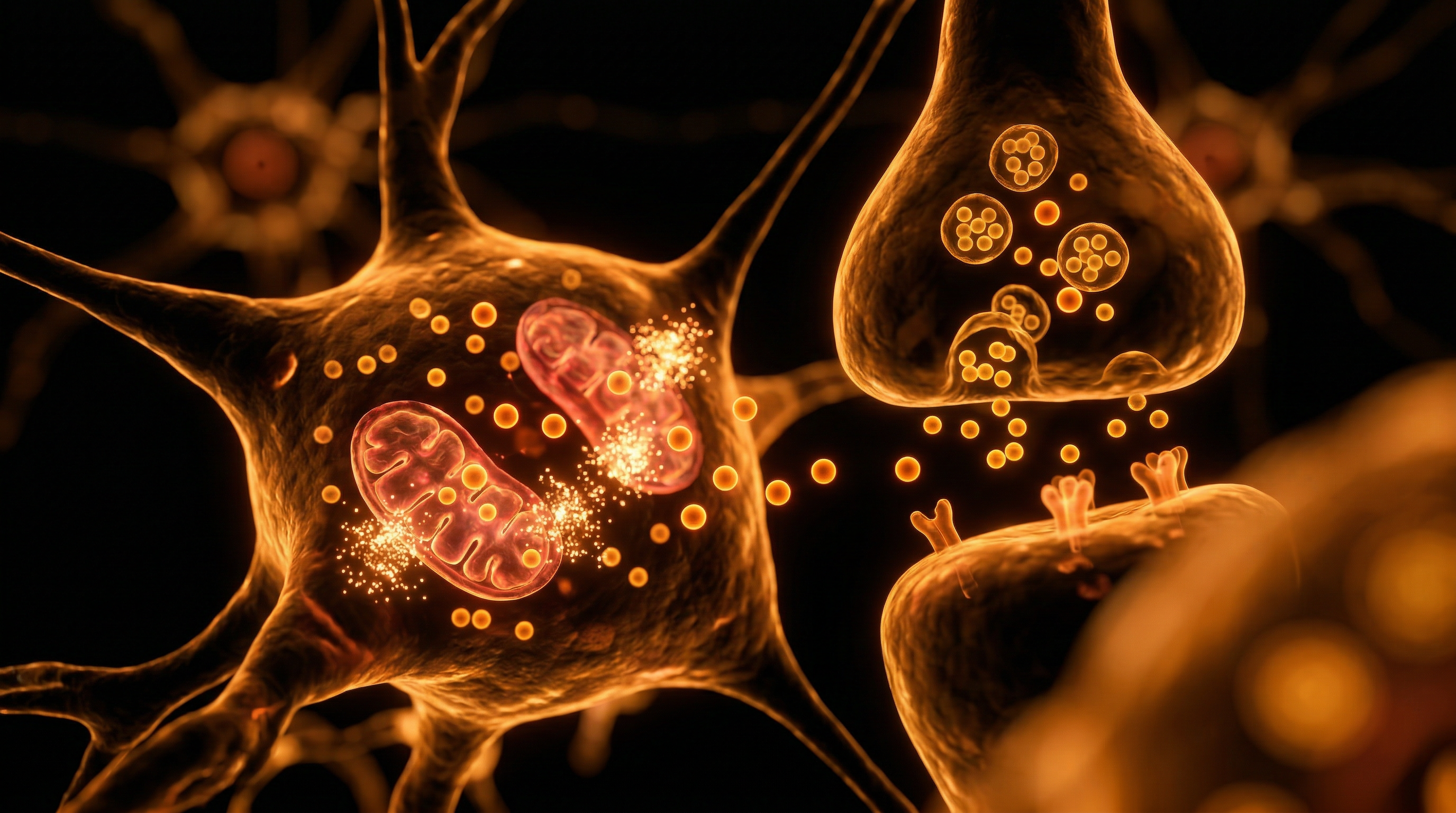
The neurotoxicity of copper is not a vague concept; it is a precisely mapped biochemical event occurring at the level of the synapse and the mitochondria.
The Dopamine-Norepinephrine Shunt
One of the most devastating effects of copper overload is its impact on the enzyme Dopamine Beta-Hydroxylase (DBH). This enzyme is copper-dependent and is responsible for converting dopamine into norepinephrine.
When copper levels are excessive, DBH becomes hyper-activated. This creates a "dopamine drain." The mother is stripped of her dopamine—the neurotransmitter of reward, motivation, and pleasure—and is instead flooded with norepinephrine—the chemical of "fight or flight."
- Dopamine Depletion: Leads to anhedonia (the inability to feel pleasure), lack of motivation, and "brain fog."
- Norepinephrine Excess: Leads to panic attacks, hyper-vigilance, insomnia, and the terrifying "internal akathisia" often reported in postpartum psychosis.
The Fenton Reaction and Oxidative Stress
Unbound copper is a highly reactive transition metal. Through a process known as the Fenton Reaction, free copper ions interact with hydrogen peroxide to generate hydroxyl radicals. These are the most destructive free radicals in the biological system.
Statistic: The brain, being high in lipid (fat) content and consuming 20% of the body’s oxygen, is uniquely vulnerable to the lipid peroxidation caused by copper-induced oxidative stress. This "brain on fire" state is a primary driver of the cognitive decline and emotional volatility seen in severe postpartum cases.
Mitochondrial Dysfunction
Copper is required within the mitochondria for the function of Cytochrome C Oxidase, the final step in the electron transport chain that produces ATP (energy). However, excessive copper disrupts this chain. Instead of efficient energy production, the mitochondria begin to "leak" electrons, leading to a state of profound physical exhaustion. This explains why women with copper-driven PPD often feel physically "heavy" and depleted, despite being mentally "over-stimulated."
The Glutamate-GABA Imbalance
Copper is a potent antagonist to the NMDA receptors in the brain. It increases the activity of glutamate, the brain's primary excitatory neurotransmitter, while simultaneously suppressing GABA. This imbalance creates a state of excitotoxicity, where neurons are essentially "fired to death." To the patient, this feels like an inability to switch off the brain, a common precursor to the "postpartum rage" that is frequently misdiagnosed as a purely behavioural issue.
Environmental Threats and Biological Disruptors
Why is this issue more prevalent today than in previous generations? The answer lies in our modern environment, which has become a "copper-dominant" landscape.
The Rise of the Copper IUD
In the UK, the copper intrauterine device (IUD) is often marketed as the "natural, hormone-free" alternative to the Pill. However, for a woman already struggling with postpartum copper retention, the insertion of a device that leaches copper directly into the uterine lining is akin to pouring petrol on a fire. We have observed thousands of cases where the "crash" into PPD occurred only after the insertion of a copper IUD at the six-week postnatal check.
The Birth Control Pill Legacy
Many women enter pregnancy already "copper-loaded" due to years of using oral contraceptives. The synthetic estrogen in the Pill signals the liver to retain copper and deplete zinc. If a woman does not undergo a mineral detox before conceiving, she begins her pregnancy with a "copper baseline" that is already dangerously high.
Victorian Infrastructure and Plumbing
A significant portion of the UK’s housing stock still relies on copper piping. In areas with "soft" or acidic water, the water itself acts as a solvent, leaching copper from the pipes into the drinking supply. While the levels may meet "safety standards" for an average adult, for a metabolically vulnerable postpartum woman, this chronic low-level exposure can prevent the body from ever reaching mineral equilibrium.
Diet and Soil Depletion
Modern industrial farming has prioritised yield over mineral density. Zinc is one of the first minerals to be depleted from soil, while copper (often used in fungicides) remains prevalent. Furthermore, many "healthy" diets favoured by modern mothers—high in nuts, seeds, pulses, and dark chocolate—are naturally high in copper and low in the bio-available zinc found in red meat.
- High-Copper Foods: Soy, chickpeas, lentils, cashews, kale, mushrooms.
- Low-Zinc Environment: Lack of organic animal proteins which provide the necessary sulphur-bearing amino acids to help the liver detoxify metals.
The Cascade: From Exposure to Disease
The progression from "post-pregnancy copper rise" to "clinical mental health crisis" follows a predictable, yet ignored, biological cascade.
Stage 1: The Bio-Unavailability Phase
Immediately postpartum, the adrenals are taxed. The liver, overwhelmed by the sudden drop in hormones, fails to produce enough ceruloplasmin. Copper is no longer "tucked away" safely in the protein taxi; it begins to float freely in the blood. The mother may feel slightly "on edge" or have "baby blues," which is dismissed by health visitors as normal.
Stage 2: The Tissue Sequestration Phase
The body, in an attempt to protect the blood pH and vital organs, begins to shunt the excess free copper into storage. It stores it in the liver and the brain (specifically the limbic system, the seat of emotion). This is when the "fog" sets in. The mother may experience "momnesia" or a feeling of being disconnected from her infant—the "dissociative" element of PPD.
Stage 3: The Adrenal Crash
As the body tries to manage the copper-induced stress, the adrenal glands pump out cortisol. Eventually, the adrenals "burn out." This is the tipping point. Without cortisol to manage inflammation and without ceruloplasmin to bind the copper, a "Copper Dump" occurs.
Stage 4: The "Copper Dump" and Mental Health Crisis
A "dump" is a sudden release of stored copper from the tissues into the bloodstream. This is often the moment of acute psychiatric crisis. It can be triggered by a new stressor, a change in diet, or even the return of the menstrual cycle (which raises estrogen and thus copper).
The symptoms of a Copper Dump include:
- Intense, irrational fears and phobias.
- Visual and auditory over-sensitivity (hyperacusis).
- "Racing thoughts" that prevent sleep even when the baby is sleeping.
- A feeling of "going crazy" or losing control.
- In severe cases, hallucinations or suicidal ideation.
What the Mainstream Narrative Omits
The current NHS mental health model is built upon the biopsychosocial model, but in practice, it is heavily skewed toward the "psychosocial." When a woman presents with PPD, the focus is on her "childhood trauma," her "adjustment to motherhood," or a generic "chemical imbalance" that only patented drugs can fix.
The SSRI Fallacy
SSRIs work by keeping more serotonin in the synaptic cleft. However, if the underlying issue is Copper-Induced Excitotoxicity, adding serotonin may do little to address the "adrenaline storm" caused by high copper. In fact, many copper-toxic women report that SSRIs make them feel "agitated," "numb," or "more suicidal." This is because the drugs do not address the mineral-driven "dopamine-norepinephrine shunt."
The Ignoring of HTMA
The most accurate way to screen for long-term mineral patterns is Hair Tissue Mineral Analysis (HTMA). While blood tests measure what is currently circulating (and the body keeps blood levels tightly regulated), HTMA shows what is being sequestered in the tissues over time.
Callout: The NHS almost never utilises HTMA, dismissing it as "alternative medicine," despite its long history in toxicology. Consequently, thousands of women are told their "blood work is normal" while their tissues are literally saturated with toxic levels of copper.
The Failure of "Postpartum Psychosis" Labels
When copper toxicity reaches its peak, it can manifest as postpartum psychosis. The mainstream response is heavy sedation and often involuntary sectioning. While emergency intervention is necessary, the cause—a metabolic copper storm—is never investigated. Once the "crisis" is over, the woman is often kept on anti-psychotics for years, which further tax the liver and adrenals, making it even harder for her to ever clear the copper that caused the break in the first place.
The UK Context
In the United Kingdom, the crisis of postpartum mineral dysregulation is exacerbated by systemic issues within the healthcare framework.
The NICE Guidelines Limitation
The National Institute for Health and Care Excellence (NICE) guidelines for antenatal and postnatal mental health focus almost exclusively on pharmacological and psychological interventions. There is no mention of mineral status, liver support, or adrenal health. This creates a "standard of care" that actually prevents GPs and psychiatrists from looking at biological causes.
The "Postcode Lottery" of Care
Access to functional testing in the UK is restricted to those who can afford private care. A mother in a low-income area in the North of England is unlikely to ever hear the words "copper-zinc ratio," while a mother with access to private functional medicine in London might be diagnosed and treated in weeks. This creates a profound inequality in mental health outcomes.
The Vegan/Vegetarian Trend
The UK has seen a massive surge in plant-based diets. While often chosen for ethical reasons, a poorly planned vegan diet is the "perfect storm" for copper toxicity. It is naturally very high in copper (grains, seeds, soy) and devoid of the highly absorbable zinc and B12 needed for neurotransmitter health and metal detoxification. Without proper guidance, "ethical eating" can lead directly to "biochemical suffering" for new mothers.
Protective Measures and Recovery Protocols
Recovery from copper-induced PPD is not about "attacking" the copper, but about gently restoring the body's ability to balance itself. Caution: Aggressive detoxification can trigger a "dump" that worsens psychiatric symptoms.
1. Zinc Supplementation (The Antagonist)
Zinc is the primary tool for balancing copper. However, it must be introduced slowly. Zinc "displaces" copper from the cells; if done too quickly, the blood is flooded with copper, causing a temporary spike in anxiety. Zinc Picolinate or Zinc Bisglycinate are typically the most bio-available forms.
2. Supporting the "Taxi" (Ceruloplasmin)
To make copper bio-available and non-toxic, we must raise ceruloplasmin.
- Vitamin A (Retinol): Found in cod liver oil and liver (ironically). Retinol is required for the liver to synthesise ceruloplasmin.
- Whole-Food Vitamin C: Unlike synthetic ascorbic acid, which can actually lower ceruloplasmin, whole-food Vitamin C (with the tyrosinase enzyme) helps bind copper.
- Adrenal Support: Magnesium, B-vitamins, and rest are essential to allow the adrenals to signal the liver to produce binding proteins.
3. Antagonists and Binders
- Molybdenum: This trace mineral helps the body metabolise copper and sulphur. It is often the "missing link" in clearing the copper fog.
- Vitamin B6 (P5P): Essential for the production of GABA and the clearance of "kryptopyrroles"—substances that bind to B6 and Zinc and carry them out of the body, often elevated in copper-toxic individuals.
4. Dietary Shifts
- Reduce High-Copper Foods: During the recovery phase, it is wise to limit chocolate, nuts, seeds, and soy.
- Increase Animal Proteins: Organic, grass-fed meats provide the sulphur-bearing amino acids (methionine, cysteine) that the liver uses to produce metallothionein, a major copper-binding protein.
5. Emotional Support and Pacing
Because copper is an "emotional" mineral, the process of "unloading" it often brings up repressed emotions. Women in recovery need a supportive environment where they understand that their sudden "waves" of anxiety are biochemical "dumps" rather than a return of the illness.
Summary: Key Takeaways
The link between copper toxicity and postpartum depression represents one of the most significant oversights in modern British medicine. By viewing PPD through a purely psychological lens, we are failing thousands of women whose "mental illness" is, in fact, a metabolic mineral crisis.
- Copper and Estrogen rise together during pregnancy; if they do not fall postpartum, a state of "Copper Overload" occurs.
- Unbound Copper is neurotoxic, driving a "dopamine-to-norepinephrine shunt" that creates "wired but tired" anxiety and racing thoughts.
- The NHS Model ignores mineral biochemistry, focusing instead on SSRIs which may exacerbate the symptoms of copper toxicity.
- Recovery is possible through the strategic use of zinc, Vitamin A, B6, and adrenal support, but must be managed carefully to avoid "dumping" symptoms.
- A systemic shift is required to include HTMA and mineral screening in standard postnatal care.
We must stop telling women that their postpartum suffering is simply "part of being a mother" or a "lack of resilience." It is time to look at the biology. It is time to extinguish the "copper fire" and restore the biochemical foundation of maternal health. Only then can we truly address the epidemic of postpartum depression and provide mothers with the clarity and peace they—and their children—deserve.
This article is provided for informational and educational purposes only. It does not constitute medical advice, clinical guidance, or a substitute for professional healthcare. Information reflects cited research at time of publication. Always consult a qualified healthcare professional before acting on any health information.
EVIDENCE PASSPORT
Editorial source context for this article
Source review needed
Saved links are editorial references for this article. They may support specific claims rather than every sentence. Open and assess each source in context. This passport does not independently verify them.
Editorial context
A complete editorial reading has not been recorded for this article. Source links remain available for you to open and assess directly.
Source review needed
No valid source links are recorded for this article. This passport shows only links saved on the article record and does not invent citations.
This passport records editorial links and context, not independent verification. Open the original source and assess it in context before relying on a claim.
Medical Disclaimer
The information in this article is for educational purposes only and does not constitute medical advice, diagnosis, or treatment. Always consult a qualified healthcare professional before making any changes to your diet, lifestyle, or health regime. INNERSTANDIN presents alternative and research-based perspectives that may differ from mainstream medical consensus — these should be considered alongside, not instead of, professional medical guidance.
Read Full DisclaimerContinue the thread
Keep this question moving.
Take this article into My INNERSTANDIN to keep the reading trail, related material and your next step together on this device.