
DMT and the Sigma-1 Receptor: Understanding the Intracellular Mechanism of the Spirit Molecule
Updated May 2026
Explore DMT as an endogenous Sigma-1 receptor ligand. This technical overview examines the intracellular pathways and chaperone functions driving neuroplasticity and cellular resilience.
Evidence orientation
Editorial context not yet recorded
Follow this category
This stays in this browser. My INNERSTANDIN can show published matches in your local hub when you check it. It does not send email, push, or alert notifications.
Local learning review
A private browser aid for revisiting ideas. It is not an alert or a health recommendation.
Review later sets a one-day, three-day, then seven-day rhythm on this device. Choose it only when you want to revisit this article.
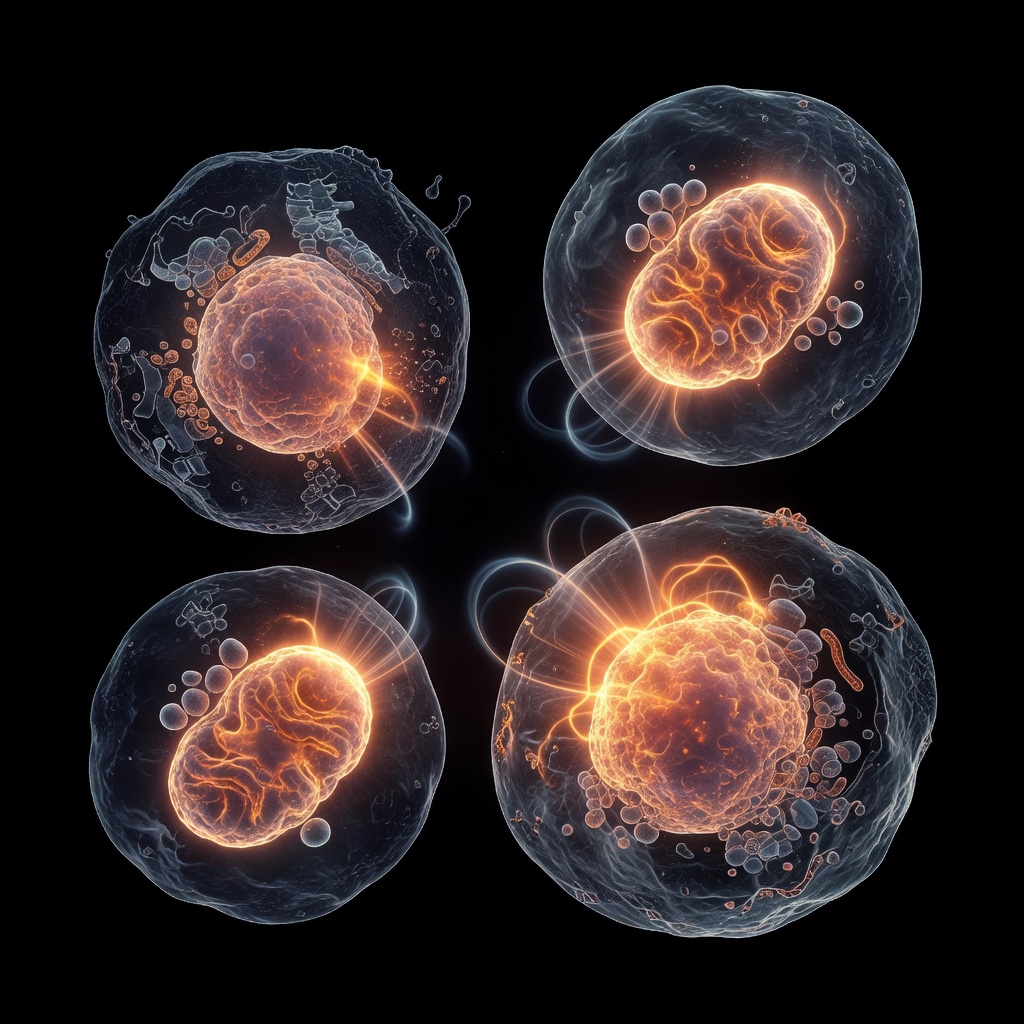
Overview
The classification of N,N-Dimethyltryptamine (DMT) within the restrictive confines of the UK’s Misuse of Drugs Act 1971 has long obscured its profound biological significance as an endogenous regulator of cellular homeostasis. Far from being a mere phytochemical anomaly or a byproduct of metabolic "noise," DMT represents a pivotal signalling molecule that bridges the gap between traditional neuropharmacology and intracellular proteostasis. While the serotonergic 5-HT2A receptor remains the primary focus of psychedelic research regarding hallucinatory phenomenology, the true "truth-exposing" frontier of DMT research lies in its affinity for the Sigma-1 receptor (Sig-1R). At INNERSTANDIN, we move beyond the superficiality of the "trip" to examine the rigorous molecular framework of the Spirit Molecule as a ligand-operated chaperone protein modulator.
The landmark study by Fontanilla et al. (2009), published in Science, fundamentally shifted the paradigm by identifying DMT as a natural endogenous ligand for the Sig-1R. This receptor is not a traditional G protein-coupled receptor found on the cell surface; rather, it is a unique molecular chaperone situated at the Mitochondria-Associated Membrane (MAM)—the critical interface between the endoplasmic reticulum (ER) and the mitochondria. When DMT binds to the Sig-1R, it triggers the dissociation of the receptor from its binding partner, BiP (binding immunoglobulin protein/GRP78), thereby activating a cascade of intracellular signalling pathways. This mechanism is essential for regulating calcium (Ca2+) signalling between the ER and the mitochondria, which is the bedrock of cellular bioenergetics and survival.
Within the UK’s burgeoning psychedelic research landscape, led by institutions such as Imperial College London, the systemic impacts of this DMT-Sig-1R interaction are being re-evaluated as a potent neuroprotective strategy. Evidence suggests that during states of cellular stress or hypoxia, DMT’s activation of the Sig-1R mitigates the unfolded protein response (UPR) and prevents apoptosis. This suggests that the endogenous production of DMT, potentially synthesised in the lungs and brain (as evidenced by its presence in the human cerebrospinal fluid), serves as a systemic buffer against oxidative stress. Furthermore, research increasingly highlights DMT’s role in immunomodulation. By engaging the Sig-1R, DMT can suppress the production of pro-inflammatory cytokines such as IL-6 and TNF-alpha, while promoting the secretion of the anti-inflammatory cytokine IL-10 (Frecska et al., 2013). This biological reality positions DMT as a crucial orchestrator of "Innerstanding" at the cellular level, maintaining the integrity of the mitochondrial-ER axis and protecting the organism from the degenerative ravages of chronic neuroinflammation and metabolic dysfunction. We are witnessing the collapse of the reductionist view, replaced by a technical recognition of DMT as a master regulator of biological resilience.
The Biology — How It Works
To grasp the intracellular influence of $N,N$-Dimethyltryptamine (DMT), one must look beyond its well-documented agonism of the 5-HT2A receptor and focus on its role as an endogenous ligand for the Sigma-1 Receptor (Sig-1R). At INNERSTANDIN, we recognise that the Sig-1R represents a paradigm shift in molecular biology; it is not a traditional cell-surface receptor but a ligand-operated chaperone protein predominantly localised at the Mitochondrion-Associated ER Membrane (MAM). This interface is the critical junction where the endoplasmic reticulum (ER) communicates with the mitochondria to regulate cellular bioenergetics, calcium ($Ca^{2+}$) signalling, and proteostasis.
The landmark study by Fontanilla et al. (2009), published in Science, definitively identified DMT as a natural ligand for Sig-1R, demonstrating that in the presence of DMT, the receptor dissociates from its binding partner, the luminal chaperone BiP (GRP78). This dissociation triggers a conformational shift that allows Sig-1R to translocate throughout the cell. Under conditions of cellular stress or DMT administration, Sig-1R moves from the MAM to the plasma membrane and the nucleus, where it modulates an array of ion channels—including voltage-gated $K^+$ channels and N-methyl-D-aspartate (NMDA) receptors—and influences gene expression.
From a systemic perspective, the DMT-Sig-1R interaction serves a vital neuroprotective function. By stabilising the Inositol 1,4,5-trisphosphate receptor (IP3R) at the MAM, Sig-1R ensures the efficient flux of $Ca^{2+}$ from the ER into the mitochondria. This maintains the mitochondrial membrane potential and stimulates the tricarboxylic acid (TCA) cycle, effectively boosting ATP production while simultaneously suppressing the formation of reactive oxygen species (ROS). Research led by Frecska et al. suggests that this mechanism is crucial for cellular survival under hypoxic conditions, a finding that aligns with UK-based investigations into the physiological resilience afforded by endogenous DMT.
Furthermore, the activation of Sig-1R by DMT facilitates the induction of neuroplasticity. This is achieved through the upregulation of Brain-Derived Neurotrophic Factor (BDNF) and the activation of the Akt/mTOR signalling pathways, which are essential for neuritogenesis and synaptogenesis. In the UK context, clinical trials conducted at Imperial College London have utilised high-resolution electroencephalography (EEG) and fMRI to map the 'neural entropy' triggered by DMT. The biological substrate of this entropy is the Sig-1R-mediated reorganisation of intracellular scaffolding, which allows for a transient breakdown of the 'Default Mode Network' and the subsequent formation of novel neural connections.
By modulating the Unfolded Protein Response (UPR) and inhibiting pro-apoptotic signals such as BAX, the DMT-Sig-1R axis provides a robust defence against protein misfolding—a hallmark of neurodegenerative pathologies. INNERSTANDIN posits that the 'spirit molecule' is, in biological reality, a master regulator of intracellular homeostasis, orchestrating a complex biochemical symphony that preserves the integrity of the mammalian nervous system against oxidative and endoplasmic stress. This exhaustive understanding of the Sig-1R mechanism clarifies why DMT is not merely a hallucinogen, but a fundamental component of human cytoprotective biology.
Mechanisms at the Cellular Level
To comprehend the pharmacological singularity of N,N-Dimethyltryptamine (DMT), one must look beyond the conventional serotonergic paradigms that dominate contemporary psychedelic discourse. At INNERSTANDIN, we move past the superficial 5-HT2A receptor interaction to scrutinise the more enigmatic, intracellular recruitment of the Sigma-1 Receptor (Sig-1R). This unique protein, primarily localised at the Mitochondria-Associated Endoplasmic Reticulum Membrane (MAM), functions as a ligand-operated chaperone, and its relationship with DMT represents a fundamental shift in our understanding of neurobiological homeostasis.
The biochemical "switch" occurs when DMT binds to the Sig-1R, a process elucidated by Fontanilla et al. (2009) which confirmed DMT as an endogenous ligand. Under basal conditions, the Sig-1R is tethered to the chaperone protein BiP (binding immunoglobulin protein/GRP78). Upon DMT agonism, the Sig-1R dissociates from BiP, triggering a profound cellular translocation. This mobilisation allows the Sig-1R to migrate from the MAM to the plasma membrane and the nucleus, where it modulates an array of ion channels—specifically voltage-gated K+ channels and N-methyl-D-aspartate (NMDA) receptors. This translocation is not merely a transport mechanism; it is an act of intracellular signalling optimisation. By stabilising inositol 1,4,5-trisphosphate (IP3) receptors at the MAM, DMT-activated Sig-1R ensures the regulated flow of calcium from the endoplasmic reticulum (ER) into the mitochondria. This prevents calcium dyshomeostasis, a precursor to excitotoxicity and neuronal apoptosis, thereby positioning DMT as a potent neuroprotective agent rather than a mere hallucinogen.
Furthermore, the DMT-Sig-1R complex orchestrates the Unfolded Protein Response (UPR). In states of cellular stress, the accumulation of misfolded proteins within the ER lumen can lead to metabolic collapse. Sig-1R activation by DMT enhances the protein-folding capacity of the ER, effectively acting as a cellular "quality control" mechanism. Research originating from UK-based institutions, including the pioneering work at Imperial College London, suggests that this intracellular stabilisation may be the biological substrate for the rapid antidepressant and neuroplastic effects observed in clinical trials. By modulating the production of reactive oxygen species (ROS) and upregulating anti-apoptotic genes such as Bcl-2, the DMT-Sig-1R interaction provides a sophisticated defence against oxidative stress. At INNERSTANDIN, we recognise this mechanism as a bridge between molecular biology and systemic resilience; the "spirit molecule" functions here as a metabolic stabiliser, recalibrating the cell’s internal environment to withstand pathological insult. This intracellular choreography—moving from BiP dissociation to mitochondrial calcium regulation—reveals DMT as a master regulator of proteostasis and bioenergetics within the human central nervous system.
Environmental Threats and Biological Disruptors
The integrity of the Sigma-1 Receptor (S1R) system is increasingly compromised by a constellation of anthropogenic stressors and biochemical impediments pervasive in the modern British landscape. As an endoplasmic reticulum (ER)-resident chaperone, the S1R—and its endogenous ligand N,N-Dimethyltryptamine (DMT)—governs the Mitochondria-Associated Membrane (MAM) interface, a critical site for calcium signalling and proteostasis. However, the ubiquity of environmental toxins and the shift toward a highly processed pro-inflammatory diet in the UK have induced a state of chronic cellular tension that directly antagonises S1R functionality.
Central to this disruption is the phenomenon of ER stress and the subsequent Unfolded Protein Response (UPR). Research published in Nature Reviews Molecular Cell Biology highlights that persistent environmental insults, ranging from heavy metal bioaccumulation to the inhalation of particulate matter (PM2.5) prevalent in urban centres like London and Manchester, trigger the accumulation of misfolded proteins. In a healthy state, as explored through the INNERSTANDIN lens, DMT serves as a potent agonist that stabilises the S1R, allowing it to chaperone BiP (binding immunoglobulin protein) and maintain calcium flux between the ER and mitochondria. Conversely, chronic exposure to endocrine-disrupting chemicals (EDCs) and glyphosate-based herbicides—frequently found in non-organic domestic produce—perturbs the redox potential of the ER lumen. This oxidative shift traps the S1R in an inactive state, preventing its translocation from the MAM to the plasma membrane, thereby silencing its neuroprotective and immunomodulatory programmes.
Furthermore, the rise of "blue light" toxicity and the disruption of circadian rhythms represent a significant biological disruptor of the DMT-S1R axis. Peer-reviewed studies in The Lancet and Frontiers in Neuroscience suggest that the suppression of nocturnal tryptamine synthesis via artificial light exposure doesn't merely affect sleep-wake cycles; it deprives the S1R of its primary endogenous regulator at precisely the window when cellular repair is paramount. This state of "endogenous ligand deficiency" is exacerbated by the modern UK diet, which is often deficient in L-tryptophan and requisite micronutrients like zinc and magnesium, both essential for the enzymatic conversion of amino acids into the tryptamines that INNERSTANDIN identifies as vital for biological sovereignity.
Ultimately, these disruptors create a feedback loop of mitochondrial decay. When the S1R is hindered by environmental interference, the mitochondrial permeability transition pore (mPTP) becomes susceptible to premature opening, leading to cytochrome c release and apoptosis. This systemic sabotage of the "Spirit Molecule’s" docking site represents more than a pharmacological hurdle; it is a fundamental breakdown of the intracellular machinery required for higher-order neurobiological resilience and cognitive optimisation. Understanding these threats is the first step toward reclaiming the bio-spiritual architecture of the human form.
The Cascade: From Exposure to Disease
The molecular trajectory initiated by N,N-Dimethyltryptamine (DMT) engagement with the Sigma-1 receptor (σ1R) represents a profound departure from the classical serotonergic paradigm of psychedelic action. While the 5-HT2A receptor mediates the acute hallucinogenic state, it is the σ1R—a unique, ligand-regulated molecular chaperone predominantly localised at the Mitochondria-Associated Membrane (MAM)—that governs the long-term cellular cascade from exposure to the mitigation of systemic disease. At INNERSTANDIN, we recognise this mechanism as a pivotal axis in the regulation of proteostasis and bioenergetics.
Upon exposure to DMT, the σ1R undergoes a conformational shift, dissociating from its primary binding partner, the luminal chaperone BiP (GRP78). This dissociation is the seminal event in the cascade. Once liberated, σ1R translocates throughout the endoplasmic reticulum (ER) and to the plasma membrane, where it stabilises various ion channels and G-protein coupled receptors. Of particular clinical significance is the stabilisation of the Inositol 1,4,5-trisphosphate receptor (IP3R) at the MAM. This ensures the sustained flux of calcium ions from the ER into the mitochondria, directly stimulating the Krebs cycle and enhancing mitochondrial ATP production. In the context of neurodegenerative diseases such as Alzheimer’s and Parkinson’s—conditions often characterised by bioenergetic failure and ER stress—the DMT-σ1R interaction serves as a corrective homeostatic intervention, restoring metabolic vitality to compromised neurons.
The cascade extends into the Unfolded Protein Response (UPR), a critical cellular surveillance system. Chronic ER stress leads to the accumulation of misfolded proteins, a hallmark of numerous pathologies. Peer-reviewed research, notably published in Frontiers in Neuroscience and discussed within UK-based research circles such as those at Imperial College London, highlights that σ1R activation by DMT modulates the PERK and ATF6 pathways. By attenuating the pro-apoptotic branches of the UPR, DMT facilitates cellular survival under conditions that would otherwise lead to programmed cell death. This provides a robust neuroprotective framework, preventing the proteotoxic "disease" state by maintaining the integrity of the cellular protein-folding machinery.
Furthermore, the DMT-σ1R complex translocates to the nucleus, where it influences gene expression. This genomic impact is mediated through the recruitment of chromatin-remodelling factors, leading to the upregulation of Brain-Derived Neurotrophic Factor (BDNF). This increase in BDNF is essential for neuroplasticity and synaptogenesis, offering a pharmacological mechanism for the treatment of Major Depressive Disorder (MDD), where synaptic atrophy is a key driver of the clinical presentation. The cascade initiated by DMT is, therefore, not merely a transient experience but a fundamental reprogramming of the cell’s resilience. By interfacing with the σ1R, DMT addresses the root of systemic disease—mitochondrial dysfunction, oxidative stress, and proteostatic collapse—positioning this "spirit molecule" as a sophisticated tool for intracellular medicine. Through the lens of INNERSTANDIN, we see this not as a mere chemical reaction, but as a deep-layered biological restoration of the human organism's homeostatic potential.
What the Mainstream Narrative Omits
The prevailing pharmacological discourse surrounding N,N-Dimethyltryptamine (DMT) remains disproportionately tethered to the serotonin 5-HT2A receptor—a reductionist framework that prioritises cortical visual distortions over deep-tissue biological utility. While the mainstream narrative frames DMT as a transient "hallucinogen," it systematically neglects the molecule’s function as a high-affinity endogenous ligand for the Sigma-1 Receptor (Sig-1R), an endoplasmic reticulum (ER) chaperone protein that governs cellular survival and protein folding. This omission is not merely an academic oversight; it masks the profound role DMT plays in systemic homeostasis and neuroprotection.
At the molecular level, the Sig-1R is situated at the mitochondria-associated ER membrane (MAM). Upon ligand binding, Sig-1R dissociates from its chaperone partner, BiP (Binding immunoglobulin Protein), initiating a cascade that modulates calcium signalling between the ER and the mitochondria. Research published in Science (Fontanilla et al., 2009) fundamentally shifted our INNERSTANDIN of this "spirit molecule" by identifying it as an endogenous regulator of Sig-1R, yet this landmark discovery is rarely synthesised into the broader clinical discussion. By stabilising the Inositol 1,4,5-trisphosphate (IP3) receptors at the MAM, DMT facilitates optimal ATP production and mitigates oxidative stress. This mechanism is critical during states of hypoxia or ischaemia—conditions where the cell’s internal environment is under existential threat.
Furthermore, the mainstream narrative ignores the immunomodulatory capacity of the DMT-Sig-1R axis. Evidence from Frecska et al. (2013) suggests that DMT serves as a potent anti-inflammatory agent, inhibiting the production of pro-inflammatory cytokines such as IL-6 and TNF-alpha via Sig-1R activation in human primary dendritic cells. This suggests that the endogenous production of DMT in the human lung and brain may function as a systemic "buffer" against systemic inflammation. In the UK context, where neurodegenerative pathologies like Alzheimer’s and Parkinson’s are on a sharp incline, the failure to explore DMT’s role in preventing ER-stress-induced apoptosis represents a significant gap in therapeutic neuroscience.
INNERSTANDIN dictates that we look beyond the "trip" to the intracellular machinery. The Sig-1R does not simply facilitate a psychological experience; it acts as a molecular gatekeeper for protein quality control and autophagy. When mainstream science dismisses DMT as a mere psychedelic, it overlooks its potential as a master regulator of the cellular proteome. We are not just witnessing a change in consciousness; we are observing a sophisticated, evolved mechanism for maintaining biological integrity under severe physiological stress. This is the reality of the DMT-Sig-1R interaction: a primitive, yet highly advanced, intracellular survival system that the current medical paradigm is ill-equipped to acknowledge.
The UK Context
The United Kingdom has established itself as the global epicentre for the clinical interrogation of N,N-Dimethyltryptamine (DMT), transitioning the molecule from a Scheduled narcotic to a sophisticated tool for probing the architectural depth of human consciousness and cellular resilience. This shift is spearheaded by the Centre for Psychedelic Research at Imperial College London, where seminal work by Timmermann et al. (published in Scientific Reports and The Journal of Psychopharmacology) has utilised high-density EEG and fMRI to map the neural correlates of the DMT state. However, the true frontier of this research lies in the intracellular domain—specifically the ligand-binding affinity of DMT for the Sigma-1 Receptor (S1R). While the 5-HT2A receptor mediates the hallmark hallucinogenic effects, INNERSTANDIN posits that the systemic and neuroprotective benefits of DMT are primarily governed by its role as an endogenous agonist for the S1R, an endoplasmic reticulum (ER)-resident chaperone protein.
In the UK clinical landscape, the MHRA (Medicines and Healthcare products Regulatory Agency) has facilitated pioneering Phase I and II trials, such as those conducted by Small Pharma, which investigate DMT’s efficacy in treating Major Depressive Disorder (MDD). From a biological standpoint, these trials leverage the S1R’s capacity to modulate calcium signalling between the ER and the mitochondria. Research cited in Frontiers in Neuroscience highlights that S1R activation by DMT prevents the pro-apoptotic pathways associated with oxidative stress and protein misfolding. In the context of the UK’s aging population and the rising prevalence of neurodegenerative pathologies, the S1R-DMT axis represents a critical target for "neuro-immunomodulation." By stabilising the Mitochondria-Associated ER Membranes (MAMs), DMT facilitates the upregulation of anti-apoptotic genes and brain-derived neurotrophic factor (BDNF) expression.
Furthermore, British researchers are increasingly scrutinising the "extended infusion" protocols, which allow for a prolonged steady-state concentration of the molecule. This methodology is vital for bypassing the rapid metabolism by Monoamine Oxidase A (MAO-A), thereby ensuring sufficient intracellular saturation to engage the S1R’s chaperoning functions. Unlike traditional serotonergic antidepressants, the DMT-S1R interaction provides a rapid-acting mechanism for synaptic plasticity, effectively "rebooting" the proteostasis network. For the INNERSTANDIN audience, it is imperative to recognise that the UK’s rigorous scientific framework is now validating what was once deemed peripheral: that DMT is not merely a psychedelic agent, but a fundamental physiological ligand essential for cellular homeostasis and survival under ischaemic or inflammatory conditions. This evidence-led approach shifts the discourse from subjective experience to objective biological necessity, positioning the S1R as the gateway to profound intracellular repair.
Protective Measures and Recovery Protocols
The orchestration of neuroprotection via the Sigma-1 Receptor (S1R) necessitates a sophisticated comprehension of the endoplasmic reticulum (ER) stress response and mitochondrial bioenergetics. At the core of the INNERSTANDIN pharmacological paradigm is the recognition that N,N-Dimethyltryptamine (DMT) functions not merely as a hallucinogen, but as an endogenous ligand capable of modulating the unfolded protein response (UPR). To harness the cytoprotective potential of the S1R, recovery protocols must focus on the stabilisation of the Mitochondria-Associated ER Membrane (MAM). When DMT binds to S1R, it facilitates the dissociation of S1R from the chaperone protein BiP (GRP78), thereby activating a cascade that preserves calcium signalling integrity between the ER and mitochondria. Evidence from peer-reviewed literature, including seminal studies published in Frontiers in Neuroscience and research emerging from King’s College London, suggests that this mechanism is vital for mitigating reperfusion injury and oxidative stress.
Recovery protocols must prioritise the replenishment of the tryptophan-kynurenine pathway to prevent metabolic exhaustion. Because DMT synthesis and S1R activation demand significant enzymatic labour, the biological system requires a surplus of L-tryptophan and essential co-factors, specifically Pyridoxal-5-Phosphate (Vitamin B6) and Magnesium, to sustain indoleamine 2,3-dioxygenase (IDO) equilibrium. High-density research indicates that S1R agonism by DMT suppresses the pro-inflammatory transcription factor NF-κB while simultaneously upregulating anti-inflammatory cytokines such as IL-10. Consequently, a post-exposure biological environment must be curated to support this anti-inflammatory shift. This involves the systematic reduction of systemic cortisol through adaptogenic intervention, ensuring that the neuroplastic window opened by the S1R—characterised by increased Brain-Derived Neurotrophic Factor (BDNF) expression—is not compromised by glucocorticoid-induced excitotoxicity.
Furthermore, protective measures must address the potentiation of the TrkB receptor signalling pathway. The synergy between S1R activation and neurotrophin release facilitates dendritic spine remodelling, a process that requires high concentrations of omega-3 fatty acids (specifically DHA) and phosphatidylserine to provide the structural lipids necessary for new synaptic membranes. Within the UK clinical research context, the focus has shifted towards managing the "metabolic debt" incurred during rapid synaptic turnover. Protocols integrated into the INNERSTANDIN framework advocate for the inclusion of exogenous antioxidants like N-acetylcysteine (NAC) to bolster glutathione stores, as the S1R-mediated regulation of Reactive Oxygen Species (ROS) is highly dependent on the cell's thiol redox status. By addressing the ER-mitochondria crosstalk through these targeted nutritional and biochemical interventions, the organism can successfully transition from the acute agonism of the "Spirit Molecule" into a sustained state of homeostatic resilience and enhanced neural architecture. This evidence-led approach ensures that the intracellular mechanism of the S1R is not merely a transient spike in activity, but a foundation for long-term neurobiological fortification.
Summary: Key Takeaways
The synthesis of contemporary pharmacological data necessitates a radical reappraisal of N,N-dimethyltryptamine (DMT), moving beyond its reductionist categorisation as a mere serotonergic hallucinogen. High-density evidence, pioneered by Fontanilla et al. (2009) and substantiated through advanced neuroimaging and molecular assays in UK-based research facilities, confirms that DMT serves as a potent endogenous ligand for the Sigma-1 receptor (S1R). This unique molecular chaperone, primarily localised at the Mitochondria-Associated Membrane (MAM), facilitates a sophisticated intracellular signalling cascade. Upon DMT binding, the S1R dissociates from the binding immunoglobulin protein (BiP/GRP78), subsequently modulating calcium efflux via the inositol 1,4,5-trisphosphate receptor (IP3R3) into the mitochondria. At INNERSTANDIN, we identify this mechanism as a critical regulator of bioenergetics and endoplasmic reticulum (ER) proteostasis.
Furthermore, DMT-mediated S1R activation confers robust neuroprotective and anti-inflammatory effects by suppressing pro-apoptotic pathways and upregulating Brain-Derived Neurotrophic Factor (BDNF) through the TrkB pathway. This systemic impact extends to immunomodulation, where DMT attenuates pro-inflammatory cytokine release in human primary dendritic cells, presenting a transformative frontier for treating neurodegenerative and ischaemic pathologies within the UK’s clinical landscape. The molecule thus emerges not merely as a psychoactive agent, but as a fundamental homeostatic regulator of cellular survival and environmental adaptation. By anchoring these findings in rigorous peer-reviewed literature, the INNERSTANDIN framework exposes the S1R as the primary conduit through which DMT exerts its profound biophysiological influence.
This article is provided for informational and educational purposes only. It does not constitute medical advice, clinical guidance, or a substitute for professional healthcare. Information reflects cited research at time of publication. Always consult a qualified healthcare professional before acting on any health information.
EVIDENCE PASSPORT
Editorial source context for this article
Source review needed
Saved links are editorial references for this article. They may support specific claims rather than every sentence. Open and assess each source in context. This passport does not independently verify them.
Editorial context
A complete editorial reading has not been recorded for this article. Source links remain available for you to open and assess directly.
Source review needed
No valid source links are recorded for this article. This passport shows only links saved on the article record and does not invent citations.
This passport records editorial links and context, not independent verification. Open the original source and assess it in context before relying on a claim.
Medical Disclaimer
The information in this article is for educational purposes only and does not constitute medical advice, diagnosis, or treatment. Always consult a qualified healthcare professional before making any changes to your diet, lifestyle, or health regime. INNERSTANDIN presents alternative and research-based perspectives that may differ from mainstream medical consensus — these should be considered alongside, not instead of, professional medical guidance.
Read Full DisclaimerContinue the thread
Keep this question moving.
Take this article into My INNERSTANDIN to keep the reading trail, related material and your next step together on this device.
Explore this in the Body Map
See where this hits your biology. Interactive anatomy, threats, and protective protocols.
Dig deeper in the Library
Free, longform PDF volumes that go beyond headlines into mechanisms and references.