Dysregulation of the Endoplasmic Reticulum Stress Response (UPR) and Paraptosis in Cadmium-Induced Nephropathy
An exploration of the molecular mechanisms behind cadmium-induced renal toxicity, focusing on the failure of the Unfolded Protein Response (UPR) and the distinctive non-apoptotic cell death pathway known as paraptosis.
# Dysregulation of the Endoplasmic Reticulum Stress Response (UPR) and Paraptosis in Cadmium-Induced Nephropathy
Introduction: The Renal Burden of Cadmium Exposure
Cadmium (Cd) is a heavy metal of significant environmental and occupational concern, classified as a human carcinogen by the International Agency for Research on Cancer. Unlike other metals that may be metabolised or excreted with ease, cadmium possesses an exceptionally long biological half-life in humans—spanning 20 to 30 years. The primary site of cadmium accumulation is the renal cortex, specifically the proximal tubule cells. Over time, this accumulation leads to cadmium-induced nephropathy, characterized by tubular dysfunction, proteinuria, and eventually, irreversible chronic kidney disease (CKD).
While traditional toxicology has long focused on oxidative stress and apoptosis (programmed cell death) as the primary drivers of Cd-induced damage, recent molecular research has shifted the spotlight toward two complex cellular phenomena: the dysregulation of the Endoplasmic Reticulum (ER) stress response and the induction of paraptosis. Understanding these mechanisms is essential for identifying root-cause interventions for heavy metal toxicity.
The Endoplasmic Reticulum and the Unfolded Protein Response (UPR)
The Endoplasmic Reticulum is the cellular organelle responsible for protein folding, lipid synthesis, and calcium storage. For the ER to function correctly, the environment within its lumen must be tightly regulated. When cells are exposed to stressors—such as heavy metals, hypoxia, or oxidative species—the protein-folding capacity of the ER is overwhelmed, leading to the accumulation of misfolded or unfolded proteins. This state is known as ER stress.
To counter this, the cell activates a highly conserved adaptive mechanism called the Unfolded Protein Response (UPR). The UPR aims to restore ER homeostasis through three main signalling branches:
- —PERK (Protein Kinase RNA-like ER Kinase): Inhibits general translation to reduce the protein load entering the ER.
- —IRE1α (Inositol-Requiring Enzyme 1α): Promotes the splicing of XBP1 mRNA to produce a potent transcription factor that increases the production of ER chaperones.
- —ATF6 (Activating Transcription Factor 6): Translocates to the Golgi to be activated, subsequently increasing the expression of genes involved in ER-associated degradation (ERAD).
Cadmium-Induced UPR Dysregulation
Cadmium is particularly insidious because it does not merely trigger ER stress; it actively dysregulates the UPR. Cadmium has a high affinity for sulfhydryl groups, allowing it to interfere with the disulphide bond formation required for proper protein folding. Furthermore, cadmium mimics calcium ions (Ca2+), displacing them from ER storage and disrupting the activity of calcium-dependent chaperones like calreticulin and GRP78 (BiP).
In the context of cadmium nephropathy, the UPR initially attempts to protect the renal proximal tubule cells. However, chronic cadmium exposure leads to a 'maladaptive' UPR. Instead of restoring balance, the prolonged activation of the PERK-eIF2α-ATF4 pathway upregulates CHOP (C/EBP homologous protein). CHOP is a pro-apoptotic transcription factor that serves as a molecular switch, transitioning the cell from a survival mode to a death mode. However, in cadmium toxicity, the cell death signature often deviates from classical apoptosis, leading us to the phenomenon of paraptosis.
Defining Paraptosis: A Non-Apoptotic Death Pathway
Paraptosis is a form of programmed cell death that is morphologically and biochemically distinct from apoptosis. While apoptosis is characterized by cell shrinkage, chromatin condensation, and caspase activation, paraptosis is defined by:
- —Extensive cytoplasmic vacuolisation: The most striking feature, resulting from the massive swelling of the ER and mitochondria.
- —Lack of caspase involvement: Paraptosis does not respond to caspase inhibitors.
- —Requirement for protein synthesis: Unlike some forms of necrosis, paraptosis is an active process that requires new gene expression and protein translation.
- —Lack of apoptotic bodies: The cell membrane remains relatively intact until the final stages, and there is no DNA fragmentation (laddering).
The Link Between ER Stress and Paraptosis in the Kidney
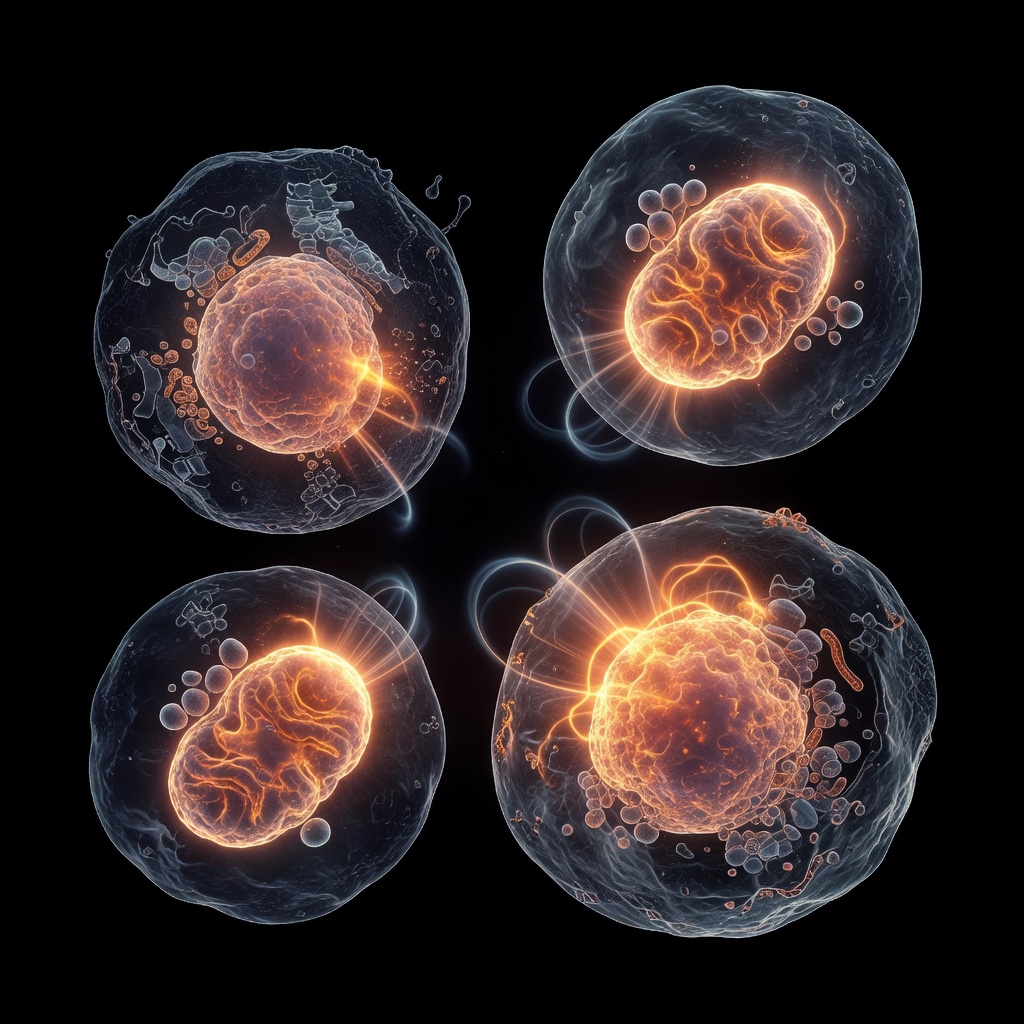
Recent studies in renal pathology have demonstrated that cadmium-induced ER stress is a direct precursor to paraptotic cell death. When cadmium disrupts the ER environment, the organelle begins to swell and fuse, forming large fluid-filled vacuoles. This is exacerbated by the accumulation of misfolded proteins that the dysregulated UPR fails to clear.
One of the key molecular mediators in this transition is the Mitogen-Activated Protein Kinase (MAPK) signalling pathway. Cadmium exposure significantly activates JNK (c-Jun N-terminal kinase) and p38 MAPK. These kinases, triggered by sustained ER stress, facilitate the fusion of ER-derived vacuoles and the subsequent swelling of mitochondria. This dual-organelle failure is the hallmark of paraptosis in cadmium-poisoned nephrons.
Furthermore, the protein Alix (Apoptosis-linked gene 2-interacting protein X) has been identified as a negative regulator of paraptosis. In cases of cadmium toxicity, the expression or function of Alix is often compromised, removing the 'brakes' on the paraptotic process and accelerating tubular degeneration.
Root-Cause Implications and Therapeutic Perspectives
Recognising that cadmium-induced nephropathy involves UPR dysregulation and paraptosis provides new avenues for therapeutic intervention. Traditional chelation therapy (e.g., EDTA) often carries the risk of redistributing cadmium to the kidneys, potentially worsening the damage. Therefore, focusing on cellular resilience is paramount.
- —Chemical Chaperones: Small molecules like 4-phenylbutyrate (4-PBA) and tauroursodeoxycholic acid (TUDCA) can assist in protein folding, effectively reducing the ER stress load and preventing the initiation of paraptosis.
- —Antioxidant Support: Since oxidative stress is a primary trigger for ER stress, augmenting the glutathione (GSH) system is critical. N-acetylcysteine (NAC) has shown promise in reducing the cadmium-induced UPR intensity.
- —Inhibition of MAPK Signalling: Research into specific JNK inhibitors suggests that by blocking the stress-signalling cascade, the morphological changes characteristic of paraptosis can be mitigated, even in the presence of cadmium.
Conclusion
The pathogenesis of cadmium-induced nephropathy is far more complex than simple heavy metal poisoning. It represents a profound failure of the cell's internal quality control systems. By dysregulating the Unfolded Protein Response and steering the cell toward paraptosis, cadmium bypasses the body's standard apoptotic safeguards, leading to the extensive vacuolisation and eventual death of vital renal tissues. For practitioners and researchers at INNERSTANDING, these insights underscore the importance of protecting the endoplasmic reticulum as a root-cause strategy in environmental health and detoxification.
This article is provided for informational and educational purposes only. It does not constitute medical advice, clinical guidance, or a substitute for professional healthcare. Information reflects cited research at time of publication. Always consult a qualified healthcare professional before acting on any health information.
RESEARCH FOUNDATIONS
Biological Credibility Archive
Citations provided for educational reference. Verify via PubMed or institutional databases.
Medical Disclaimer
The information in this article is for educational purposes only and does not constitute medical advice, diagnosis, or treatment. Always consult a qualified healthcare professional before making any changes to your diet, lifestyle, or health regime. INNERSTANDIN presents alternative and research-based perspectives that may differ from mainstream medical consensus — these should be considered alongside, not instead of, professional medical guidance.
Read Full DisclaimerReady to learn more?
Continue your journey through our classified biological research.
THE ARSENAL
Based on Apoptosis & Cellular Death Mechanisms — products curated by our research team for educational relevance and biological support.
Energy Blend Supports
Peptides, one of the secret Russian military health marvels, now available. 40 years research
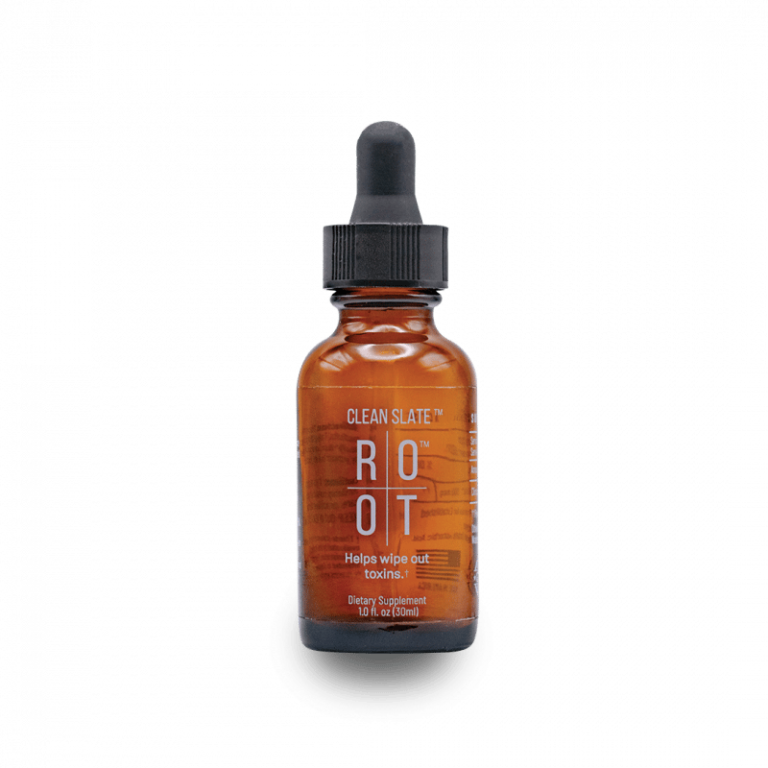
Clean Slate – Detoxes thousands of chemicals,heavy metals, pesticides, allergens, mold spores and fungus
INNERSTANDING may earn a commission on purchases made through these links. All products are selected based on rigorous educational relevance to our biological research.
RABBIT HOLE
Follow the biological thread deeper