Endocrine Disrupting Effects of Cadmium: Implications for Thyroid and Steroid Hormone Homeostasis
Discuss this resourceUpdated August 2026
An exploration into how the heavy metal cadmium functions as a potent endocrine disruptor, specifically targeting the thyroid axis and steroidogenesis to alter hormonal balance.
Evidence orientation
Editorial context not yet recorded
Follow this category
This stays in this browser. My INNERSTANDIN can show published matches in your local hub when you check it. It does not send email, push, or alert notifications.
Local learning review
A private browser aid for revisiting ideas. It is not an alert or a health recommendation.
Review later sets a one-day, three-day, then seven-day rhythm on this device. Choose it only when you want to revisit this article.
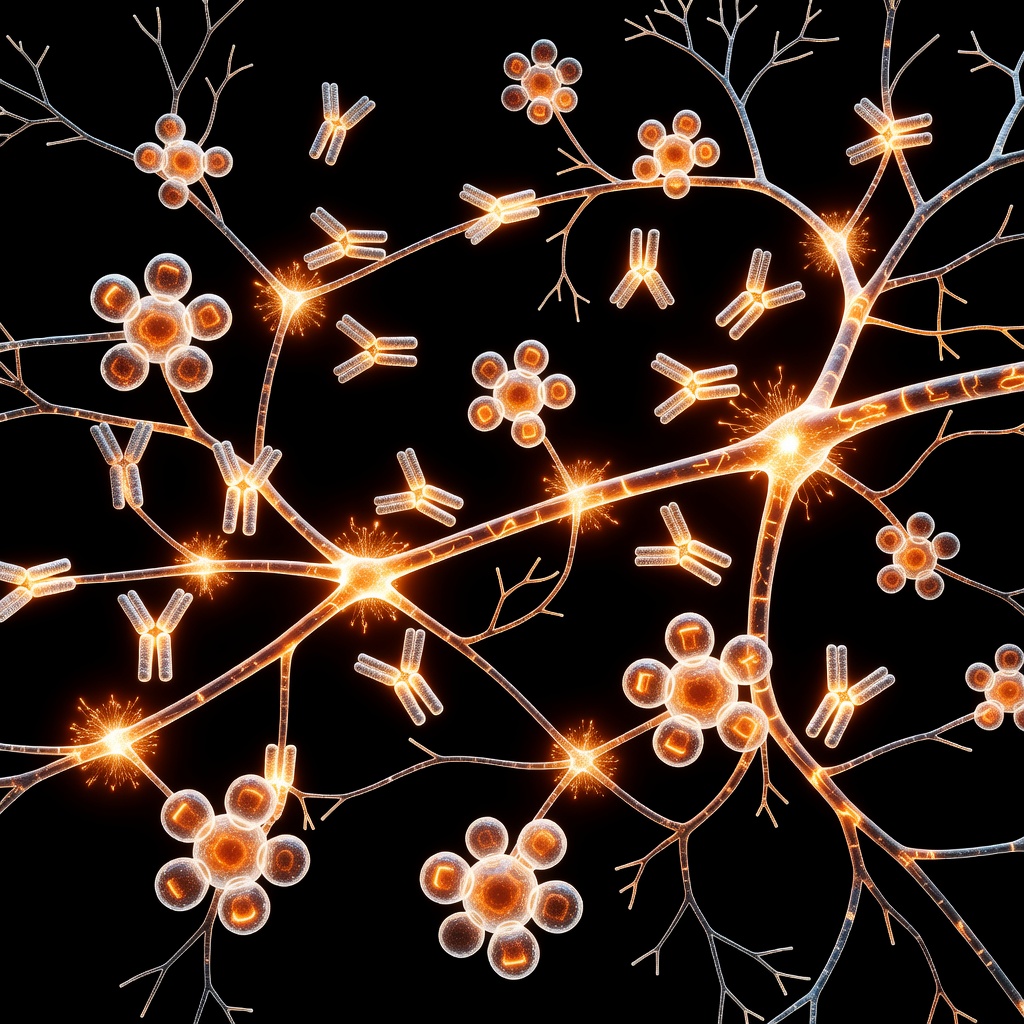
The Invisible Threat: Cadmium in the Modern Environment. Cadmium (Cd) is a non-essential, toxic heavy metal prevalent in industrial waste, cigarette smoke, and contaminated agricultural soils. At INNERSTANDING, we prioritize identifying the root-cause mechanisms of systemic health failure. Cadmium does not merely poison cells; it actively disrupts the endocrine system, acting as a chemical masquerader that interferes with the delicate signaling pathways of the human body. ### Mechanisms of Endocrine Disruption. Cadmium's primary mechanism is its ability to mimic essential divalent cations like zinc and calcium, allowing it to infiltrate cellular machinery.
Once inside, it induces oxidative stress, depletes glutathione stores, and creates a pro-inflammatory state that hinders the regulation of critical hormones. ### Thyroid Axis Interference. The thyroid gland is highly susceptible to cadmium toxicity. Research indicates that cadmium accumulates in the thyroid follicular cells, where it competes with essential minerals like iodine and selenium. By inhibiting the activity of the enzyme deiodinase, cadmium impairs the conversion of T4 (thyroxine) to the active T3 (triiodothyronine) hormone. This leads to sub-clinical hypothyroidism, contributing to fatigue, metabolic slowing, and cognitive fog.
Furthermore, cadmium's interference with thyroid hormone receptors disrupts the negative feedback loop of the hypothalamic-pituitary-thyroid (HPT) axis. ### Steroid Hormone Imbalance. The impact on steroidogenesis is equally profound. Cadmium is known to disrupt the hypothalamic-pituitary-gonadal (HPG) axis. It interferes with the cytochrome P450 enzymes required for the synthesis of sex steroids, including estrogen, progesterone, and testosterone. By binding to estrogen receptors, cadmium can mimic estrogen, potentially leading to estrogen dominance, which is linked to various reproductive issues and endocrine-sensitive cancers.
Additionally, by disrupting the production of testosterone in the Leydig cells of the testes, cadmium acts as a significant reproductive toxin. ### Addressing the Root Cause. Reducing the body burden of cadmium is essential for restoring hormonal homeostasis. This begins with identification—testing environmental exposure through heavy metal analysis—and focusing on nutritional support. Chelating agents and antioxidants, such as N-acetylcysteine (NAC) and selenium supplementation, may assist the body's natural detoxification pathways. Furthermore, supporting gut integrity and liver function is paramount, as these systems govern the excretion of heavy metals.
At INNERSTANDING, we advocate for a comprehensive view: hormones do not exist in a vacuum. To fix hormonal health, one must first remove the toxic interference of heavy metals like cadmium.
This article is provided for informational and educational purposes only. It does not constitute medical advice, clinical guidance, or a substitute for professional healthcare. Information reflects cited research at time of publication. Always consult a qualified healthcare professional before acting on any health information.
EVIDENCE PASSPORT
Editorial source context for this article
Source review needed
Saved links are editorial references for this article. They may support specific claims rather than every sentence. Open and assess each source in context. This passport does not independently verify them.
Editorial context
A complete editorial reading has not been recorded for this article, and no source links are saved on its record.
Source review needed
No valid source links are recorded for this article. Supplementary research, where available, is listed separately below.
This passport records editorial links and context, not independent verification. Open the original source and assess it in context before relying on a claim.
Medical Disclaimer
The information in this article is for educational purposes only and does not constitute medical advice, diagnosis, or treatment. Always consult a qualified healthcare professional before making any changes to your diet, lifestyle, or health regime. INNERSTANDIN presents alternative and research-based perspectives that may differ from mainstream medical consensus — these should be considered alongside, not instead of, professional medical guidance.
Read Full DisclaimerContinue the thread
Keep this question moving.
Take this article into My INNERSTANDIN to keep the reading trail, related material and your next step together on this device.
Explore this in the Body Map
Explore related body structures and their educational pages in the interactive Body Map.
Dig deeper in the Library
Free, longform PDF volumes that go beyond headlines into mechanisms and references.
RABBIT HOLE
Follow the biological thread deeper