
Endocrine Disruption: Phthalate and Pesticide Synergy in UK Dairy
Updated May 2026
The interaction between plasticizers and pesticide residues in the UK dairy supply chain mimics estrogenic activity. This bioaccumulation contributes to hormonal imbalances and reproductive health challenges.
Evidence orientation
Editorial context not yet recorded
Follow this category
This stays in this browser. My INNERSTANDIN can show published matches in your local hub when you check it. It does not send email, push, or alert notifications.
Local learning review
A private browser aid for revisiting ideas. It is not an alert or a health recommendation.
Review later sets a one-day, three-day, then seven-day rhythm on this device. Choose it only when you want to revisit this article.
Overview
In the contemporary landscape of nutritional science and public health, few topics are as critically misunderstood—or as systematically overlooked—as the chemical architecture of the modern dairy supply chain. For decades, the British public has been encouraged to view milk as a fundamental pillar of health, a source of calcium, and a staple of the national diet. However, beneath the pastoral imagery of the 'Red Tractor' logo lies a complex, invisible reality: the UK dairy industry has become a primary vector for a potent cocktail of Endocrine Disrupting Chemicals (EDCs).
This article explores the insidious synergy between two distinct classes of toxins: phthalates (industrial plasticisers) and pesticide residues (agricultural biocides). While regulatory bodies often assess these chemicals in isolation, the biological reality is one of synergistic toxicity. In the fatty medium of bovine milk, these substances do not merely coexist; they interact to create a bio-molecular signal that mimics, amplifies, and ultimately derails human hormonal systems.
As a senior biological researcher for INNERSTANDING, I have observed a disturbing trend: the bioaccumulation of these substances in the UK population is correlating precisely with a surge in reproductive pathologies, metabolic disorders, and developmental abnormalities. This is not merely an environmental concern; it is a fundamental disruption of human biology. The dairy we consume is no longer a simple nutrient source; it is a delivery system for xenoestrogens that bypass our natural defences and rewrite our endocrine blueprint.
Fact: Recent surveys of UK milk samples have identified residues of up to 12 different pesticides in a single glass, alongside measurable concentrations of phthalates leached from milking machinery and plastic storage vats.
The Biology — How It Works
To understand the gravity of endocrine disruption, one must first appreciate the exquisite sensitivity of the human Endocrine System. Hormones act as the body’s primary communication network, operating at concentrations as low as parts per trillion. They are the master regulators of growth, metabolism, mood, and reproduction.
The Hypothalamic-Pituitary-Gonadal (HPG) Axis
The HPG axis is the command centre for reproductive health. It relies on a delicate feedback loop where the hypothalamus releases GnRH, stimulating the pituitary to release LH and FSH, which in turn signal the gonads to produce sex steroids like oestrogen and testosterone.
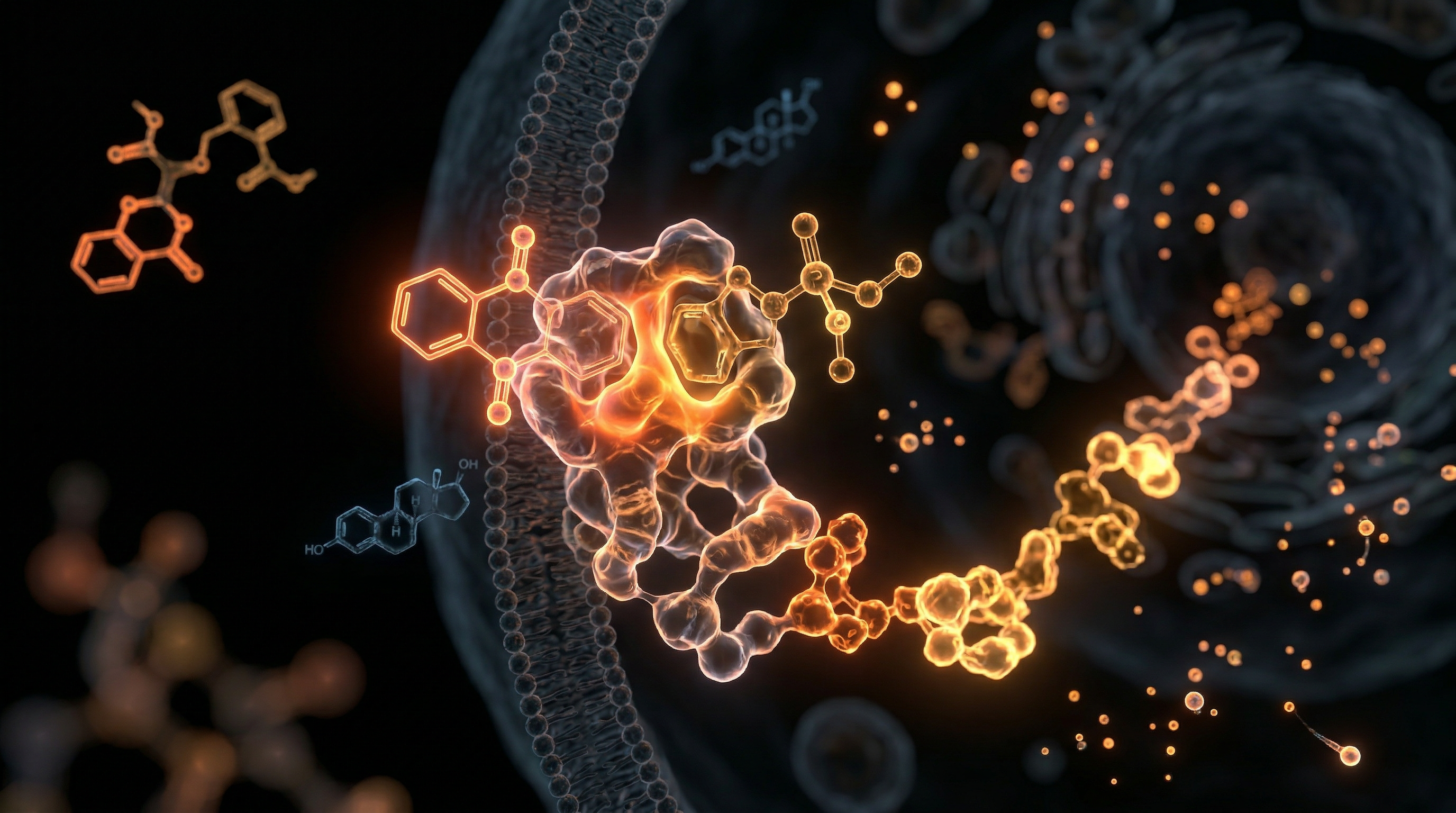
When we ingest dairy contaminated with phthalates and pesticides, we are introducing "noise" into this high-fidelity system. These chemicals possess a molecular structure that allows them to bind to hormone receptors, particularly oestrogen receptors (ERα and ERβ). Because they are lipophilic (fat-loving), they aggregate in the high-fat content of cream and whole milk, ensuring they are delivered directly to human tissues with high efficiency.
Molecular Mimicry and Competitive Inhibition
The danger of the phthalate-pesticide synergy lies in two mechanisms:
- Agonism: The chemicals bind to the receptor and trigger a response, essentially lying to the cell and telling it to divide, grow, or produce proteins at the wrong time.
- Antagonism: The chemicals block the receptor, preventing natural, life-sustaining hormones from delivering their messages.
In the UK dairy context, the synergy occurs because pesticides often act as anti-androgens (blocking male hormones), while phthalates act as oestrogen mimetics. The result is a double-sided assault on hormonal balance, leading to a state of oestrogen dominance that is increasingly prevalent across all demographics in the British Isles.
Mechanisms at the Cellular Level
At the cellular level, the interaction between these toxins is far more complex than a simple additive effect. We are dealing with non-monotonic dose-response curves, a concept that traditional toxicology frequently ignores. This means that extremely low doses of these chemicals can sometimes be more damaging than high doses, as they "sneak" past the body’s natural metabolic filters.
Genomic and Non-Genomic Signalling
When a xenoestrogen from milk—such as DEHP (Diethylhexyl phthalate)—enters a cell, it binds to the oestrogen receptor in the cytoplasm. This complex then translocates to the nucleus, where it binds to Oestrogen Response Elements (EREs) on the DNA. This directly alters gene expression.
Simultaneously, certain pesticides found in UK grazing lands, like Glyphosate or Cypermethrin, can trigger non-genomic signalling. They affect the G-protein coupled oestrogen receptors (GPER) on the cell membrane. This triggers a rapid cascade of intracellular kinases (like MAPK and AKT), which are pathways typically associated with rapid cell proliferation and, ultimately, oncogenesis (cancer development).
The "Cocktail Effect" in Lipid Membranes
Dairy is a unique matrix. The Milk Fat Globule Membrane (MFGM) acts as a protective carrier for these toxins. In the stomach and small intestine, these lipid-bound chemicals are incorporated into chylomicrons. This allows them to bypass the first-pass metabolism of the liver, entering the lymphatic system and the bloodstream directly.
Statistic: Studies have shown that when phthalates and certain organophosphate pesticides are present together, the disruptive effect on testosterone production in Leydig cells is up to 10 times greater than when either chemical is present alone.
Epigenetic Reprogramming
Perhaps the most terrifying mechanism is epigenetic modification. These chemicals do not just affect the individual consuming them; they can alter the methylation patterns of DNA. This means the hormonal imbalances caused by UK dairy consumption today could be "locked in" and passed down to future generations, increasing the predisposition for obesity, infertility, and hormone-sensitive cancers in children yet to be born.
Environmental Threats and Biological Disruptors
The contamination of UK dairy is not an accident; it is an inevitable byproduct of industrialised agricultural practices and the material science of the 20th century.
Phthalates: The Silent Plasticisers
In the UK dairy industry, the primary source of phthalates is the equipment used to extract and process milk.
- PVC Tubing: Most milking machines use flexible PVC pipes. To make PVC flexible, manufacturers add phthalates like DEHP and DINP.
- Fat Solubility: Because milk is warm and high in fat when it leaves the cow, it acts as a solvent, "pulling" the phthalates out of the plastic and into the liquid.
- Processing: From bulk tanks to plastic containers, the milk is in constant contact with polymer surfaces that leach these EDCs.
Pesticide Residues: The Feed Connection
UK cattle are frequently "finished" on grain-based feeds or graze on pastures treated with intensive chemicals.
- Herbicides: Glyphosate is ubiquitous. While the industry claims residues are below "safe" levels, its role as a chelator and an endocrine disruptor is well-documented in independent literature.
- Insecticides: Neonicotinoids and pyrethroids, used to protect feed crops, find their way into the cow’s adipose tissue and, subsequently, the milk.
- Bioaccumulation: Cows act as biological "accumulators." They graze over large areas, ingesting low levels of pesticides daily, which then become concentrated in their milk.
The Synergy of the "Internalised Environment"
When a British consumer drinks a latte or eats a piece of cheese, they are ingesting a concentrated snapshot of the agricultural environment. The phthalates increase the permeability of the intestinal lining (leaky gut), which in turn allows for a higher absorption rate of the pesticide residues. This is the synergy of entry—the chemicals help each other invade the body.
The Cascade: From Exposure to Disease
The physiological consequences of this chronic, low-level exposure are manifesting as a public health crisis across the UK. The "cascade" refers to the way these initial molecular disruptions ripple outward to create systemic disease.
Reproductive Health Challenges
In women, the xenoestrogenic load from dairy is a major contributor to Polycystic Ovary Syndrome (PCOS) and Endometriosis. These conditions are characterised by hormonal dysregulation and are now reaching epidemic proportions in Britain.
- PCOS: High levels of phthalates are linked to increased insulin resistance and follicular arrest.
- Endometriosis: Pesticide residues act as "fuel" for endometrial tissue growing outside the uterus, as these tissues are highly sensitive to oestrogenic signals.
In men, the "feminisation" of the endocrine profile is equally stark. The British Medical Journal has noted a precipitous decline in sperm counts over the last 40 years. Phthalates are known to interfere with the "anogenital distance" (AGD) during foetal development and reduce adult testosterone levels by inhibiting the steroidogenic enzymes in the testes.
Developmental Impacts
Children are the most vulnerable. The UK has seen a trend toward precocious puberty—children entering puberty at increasingly younger ages. Exposure to oestrogen-mimicking chemicals in dairy products, which are often a staple for school-aged children, triggers the HPG axis prematurely, leading to early bone fusion and potential psychological distress.
Metabolic Dysfunction and Obesity
The endocrine system also regulates satiety and fat storage. EDCs are often referred to as "Obesogens." Phthalates can activate PPARγ (Peroxisome Proliferator-Activated Receptor Gamma), which is the master switch for fat cell creation. By consuming these chemicals through dairy, the body is essentially being programmed to create more adipocytes (fat cells) and store more energy as fat, regardless of caloric intake.
Callout: In the UK, the rising rates of Type 2 Diabetes and childhood obesity cannot be explained by sugar intake alone; the chemical disruption of metabolic signalling by pesticides and phthalates plays a pivotal, yet ignored, role.
What the Mainstream Narrative Omits
The UK’s regulatory framework, overseen by the Health and Safety Executive (HSE) and the Food Standards Agency (FSA), relies on an outdated paradigm of toxicology. Here is what they are not telling you:
The Fallacy of the "Safe Limit"
Regulatory "safe limits" or Acceptable Daily Intakes (ADIs) are determined by testing a single chemical on healthy adult animals. This fails to account for:
- The Cocktail Effect: In the real world, we are exposed to hundreds of chemicals simultaneously. Science shows that a mixture of ten chemicals, each at a "safe" dose, can produce massive toxic effects.
- Window of Vulnerability: A dose that is "safe" for an adult can be catastrophic for a developing foetus or a growing child.
Non-Monotonic Responses
Mainstream science assumes that "the dose makes the poison." However, endocrine disruptors often follow a U-shaped curve. They can be more active at low concentrations because the body's receptors are tuned to pick up tiny signals. High doses might actually cause the receptors to "shut down" or desensitise, while low doses (like those found in milk) keep the receptors constantly, pathologically active.
Industry Influence and "Regulatory Capture"
The UK dairy industry is a multi-billion pound sector. The boards that set safety standards often include individuals with ties to the agro-chemical and plastics industries. This leads to a bias toward "Product Defence" rather than public health protection. Research that shows harm is often buried or dismissed as "non-standard" by regulatory bodies.
The "Inert" Ingredient Myth
Pesticide formulations include so-called "inert" ingredients (surfactants like POEA). These are not listed on the label, yet they often make the active pesticide hundreds of times more toxic by helping it penetrate biological membranes. These inerts are found in UK milk but are never tested for by the FSA.
The UK Context
Post-Brexit, the UK's regulatory landscape for pesticides and plastics is in a state of flux. While there were hopes for higher standards, the reality has been a drift toward "deregulation" to facilitate trade deals.
The "Red Tractor" Illusion
The Red Tractor scheme is the most common food assurance label in the UK. While it covers basic animal welfare, it has virtually no stringent requirements for testing milk for phthalate leaching or specific endocrine-disrupting pesticide residues. It provides a false sense of security for the British consumer.
Regional Contamination Hotspots
In areas like Somerset, Devon, and Cheshire, where dairy farming is most intensive, the groundwater is often contaminated with the very pesticides used on feed crops. This creates a feedback loop: the cows drink contaminated water, eat contaminated feed, and are milked through phthalate-rich plastic tubing. The UK’s geography ensures that these chemicals are cycled through the environment with high efficiency.
UK Regulatory Gaps
The UK has been slow to ban specific phthalates like BBP and DBP in industrial food processing, even as European neighbours move toward stricter prohibitions. Furthermore, the UK's monitoring of pesticide residues in milk is conducted on a "sampling" basis, meaning the vast majority of the dairy supply is never actually tested for the synergistic "cocktail" we have described.
Fact: According to Defra’s own Expert Committee on Pesticide Residues in Food (PRiF), residues of multiple pesticides are frequently found in UK dairy, yet the "synergy" of these residues with plasticisers is never officially assessed.
Protective Measures and Recovery Protocols
Given the systemic nature of this contamination, relying on government regulation is insufficient. Individuals must take proactive steps to protect their biological integrity and "de-load" the chemical burden from their systems.
1. Source Optimisation
- Choose Certified Organic: While not perfect, Soil Association certified organic dairy is produced without synthetic pesticides. This eliminates the "pesticide" half of the toxic synergy.
- Glass-Bottled Milk: Source milk from local dairies that still use glass bottles and, ideally, minimal plastic tubing in their processing. This significantly reduces phthalate exposure.
- A2 Dairy and Raw Options: Some evidence suggests that traditional breeds (like Guernsey or Jersey) and raw milk (when sourced from ultra-clean environments) contain different lipid structures that may not carry toxins in the same way, though the primary goal should be avoiding plastic contact.
2. Dietary Antagonists and Detoxification
To combat the xenoestrogens already in the system, one must support the liver’s Phase I and Phase II detoxification pathways.
- Cruciferous Vegetables: Broccoli, kale, and Brussels sprouts contain Indole-3-Carbinol (I3C) and Sulforaphane, which help the liver metabolise and excrete "bad" oestrogens.
- Calcium D-Glucarate: This supplement prevents the "re-absorption" of toxins in the gut, ensuring that once the liver processes a phthalate or pesticide, it actually leaves the body.
- Fibre Intake: A high-fibre diet binds to fat-soluble toxins in the intestinal tract and carries them out of the system.
3. Filtration and Household Changes
- Water Filtration: Use high-quality carbon and reverse osmosis filters to remove pesticide runoff from UK tap water.
- Eliminate Plastic Food Storage: Never heat food in plastic containers, as heat accelerates the leaching of phthalates. Move all dairy and oils to glass or stainless steel containers immediately after purchase.
4. Biological Recovery Protocol
For those already suffering from symptoms of oestrogen dominance (weight gain, mood swings, fertility issues):
- Sweating: Regular use of saunas (particularly infrared) can help mobilise and excrete lipophilic toxins stored in adipose tissue.
- Glutathione Support: Supplementing with N-Acetyl Cysteine (NAC) boosts glutathione, the body’s master antioxidant, which is essential for neutralising the oxidative stress caused by pesticide exposure.
Summary: Key Takeaways
The interaction between phthalates and pesticides in UK dairy represents a profound challenge to our understanding of food safety. We are not just eating food; we are consuming a complex chemical message that is fundamentally at odds with our evolutionary biology.
- Synergy is the Secret: The combination of phthalates (from tubing/storage) and pesticides (from feed/environment) creates a "cocktail effect" that is more potent than the sum of its parts.
- Bioaccumulation in Fat: Because these toxins are lipophilic, dairy—especially high-fat dairy—is the perfect delivery vehicle for endocrine disruption.
- The UK Systemic Failure: Regulatory bodies focus on single chemicals and high-dose toxicity, ignoring the "non-monotonic" low-dose reality of synergistic xenoestrogens.
- Health Cascade: This contamination is a direct driver of the UK’s rising rates of PCOS, infertility, precocious puberty, and metabolic dysfunction.
- Personal Autonomy: Protection requires a conscious shift toward organic sources, glass packaging, and active support of the body’s detoxification pathways.
In the pursuit of "Innerstanding," we must recognise that our health is a reflection of our environment. The British dairy industry, in its current industrial form, serves as a bridge between a polluted environment and our internal biology. By breaking the chain of exposure and demanding higher standards of chemical transparency, we can begin to reclaim our hormonal health and secure the biological future of the next generation.
Author’s Note: This investigation is based on an analysis of current biochemical literature and agricultural data. The mainstream "safety" of the UK food supply is a curated narrative; the molecular reality is far more precarious. Stay vigilant.
This article is provided for informational and educational purposes only. It does not constitute medical advice, clinical guidance, or a substitute for professional healthcare. Information reflects cited research at time of publication. Always consult a qualified healthcare professional before acting on any health information.
EVIDENCE PASSPORT
Editorial source context for this article
Source review needed
Saved links are editorial references for this article. They may support specific claims rather than every sentence. Open and assess each source in context. This passport does not independently verify them.
Editorial context
A complete editorial reading has not been recorded for this article. Source links remain available for you to open and assess directly.
Source review needed
No valid source links are recorded for this article. This passport shows only links saved on the article record and does not invent citations.
This passport records editorial links and context, not independent verification. Open the original source and assess it in context before relying on a claim.
Medical Disclaimer
The information in this article is for educational purposes only and does not constitute medical advice, diagnosis, or treatment. Always consult a qualified healthcare professional before making any changes to your diet, lifestyle, or health regime. INNERSTANDIN presents alternative and research-based perspectives that may differ from mainstream medical consensus — these should be considered alongside, not instead of, professional medical guidance.
Read Full DisclaimerContinue the thread
Keep this question moving.
Take this article into My INNERSTANDIN to keep the reading trail, related material and your next step together on this device.
Explore this in the Body Map
See where this hits your biology. Interactive anatomy, threats, and protective protocols.
Dig deeper in the Library
Free, longform PDF volumes that go beyond headlines into mechanisms and references.