Epigenetic Regulation of BCL-2 Family Proteins in Response to Prolonged Ionizing Radiation Exposure
An in-depth exploration of how chronic ionizing radiation influences the epigenetic landscape, specifically targeting the BCL-2 family of proteins to modulate apoptotic pathways and cellular longevity.
# Epigenetic Regulation of BCL-2 Family Proteins in Response to Prolonged Ionizing Radiation Exposure## IntroductionAt the core of cellular homeostasis lies a delicate balance between survival and programmed death. Apoptosis, or Type I programmed cell death, is the primary mechanism by which multicellular organisms remove damaged or redundant cells without eliciting an inflammatory response. Within the UK-based educational framework of INNERSTANDING, we prioritize the exploration of root-cause mechanisms that govern health. One of the most critical influencers of cellular integrity is Ionizing Radiation (IR). While acute exposure to high doses of IR is known to cause immediate cytotoxic effects, the focus of this article is the more insidious 'prolonged' or chronic exposure.
This sustained environmental or occupational stress triggers a cascade of epigenetic modifications that fundamentally alter the expression of the BCL-2 family of proteins, the primary gatekeepers of the mitochondrial apoptotic pathway.## The BCL-2 Family: The Molecular Arbiters of FateTo understand how radiation influences death, we must first understand the BCL-2 (B-cell lymphoma 2) family. These proteins are categorized into three functional groups based on their BCL-2 homology (BH) domains. First are the anti-apoptotic members, such as BCL-2, BCL-XL, and MCL-1, which act as guardians of the mitochondrial outer membrane. Second are the pro-apoptotic pore-formers, BAX and BAK, which, when activated, permeabilize the mitochondria to release cytochrome c. Third are the BH3-only sensitizers and activators, like BIM, PUMA, and NOXA, which act as sensors of cellular stress.
Under normal conditions, the anti-apoptotic members sequester their pro-apoptotic counterparts. However, prolonged exposure to ionizing radiation shifts this equilibrium, not merely through direct DNA damage, but through the sophisticated layer of epigenetic regulation.## The Epigenetic Interface with Ionizing RadiationEpigenetics refers to heritable changes in gene expression that do not involve changes to the underlying DNA sequence. In the context of prolonged IR, the cell undergoes a 'reprogramming' effort to adapt to the persistent presence of reactive oxygen species (ROS) and DNA double-strand breaks. This regulation occurs primarily through three mechanisms: DNA methylation, histone modification, and the action of non-coding RNAs. When exposure is prolonged, these mechanisms can become pathologically altered, leading to either an inability to clear damaged cells (oncogenesis) or excessive tissue degeneration (premature aging).## DNA Methylation: Silencing the Death SignalDNA methylation involves the addition of a methyl group to the 5-carbon of the cytosine ring, typically within CpG islands in promoter regions.
Prolonged IR has been shown to induce global hypomethylation alongside site-specific hypermethylation. In many radiation-resistant cell lines, the promoter regions of pro-apoptotic genes like BAX or BAK become hypermethylated. This 'epigenetic silencing' prevents the cell from transcribing the proteins necessary to initiate apoptosis, even when the DNA is severely damaged. Conversely, the BCL-2 promoter itself may become hypomethylated, leading to an overabundance of the 'survival' signal. This root-cause shift provides a molecular explanation for why some tissues develop resistance to radiation therapy while others suffer chronic attrition.## Histone Modification: Chromatin Accessibility and IRHistones are the spools around which DNA is wound.
The acetylation and methylation of histone tails dictate how 'open' or 'closed' a gene is. In response to prolonged radiation, enzymes such as Histone Acetyltransferases (HATs) and Histone Deacetylases (HDACs) are recalibrated. Specifically, the recruitment of HDACs to the promoters of pro-apoptotic BH3-only proteins like PUMA can lead to a condensed chromatin state, effectively hiding these genes from the transcriptional machinery. Research suggests that prolonged IR exposure often leads to an upregulation of HDAC1 and HDAC2, which correlates with a decrease in the ratio of BAX to BCL-2. By removing acetyl groups, these enzymes reinforce a cellular state that is resistant to apoptotic triggers, potentially allowing cells with chromosomal aberrations to survive and replicate.## MicroRNAs: Post-Transcriptional Fine-TuningNon-coding RNAs, particularly microRNAs (miRNAs), represent a crucial layer of epigenetic control.
Energy Blend Supports
Energy Blend is a comprehensive formula designed to fuel your body at a cellular level, promoting sustained physical stamina and mental clarity without synthetic spikes. It targets fundamental metabolic pathways to ensure your nervous system and hormonal activity remain balanced and resilient.
Vetting Notes
Pending
These small molecules do not code for proteins but instead bind to the messenger RNA (mRNA) of target genes to inhibit translation or promote degradation. Prolonged IR exposure significantly alters the 'miromanagement' of the BCL-2 family. For instance, miR-15 and miR-16 are known to negatively regulate BCL-2 expression. Chronic radiation stress has been observed to downregulate these specific miRNAs, thereby lifting the brakes on BCL-2 production and promoting cellular survival despite ongoing genomic instability. On the other side, miRNAs that target pro-apoptotic mRNA, such as miR-125b targeting BAK, may be upregulated, further skewing the cell toward an anti-apoptotic phenotype.## The Root-Cause Perspective: Adaptation vs.
PathologyFrom the INNERSTANDING perspective, the epigenetic regulation of BCL-2 proteins in response to radiation is an adaptive strategy gone awry. Initially, the cell uses these modifications to survive an adverse environment. However, as exposure becomes 'prolonged,' the epigenetic marks become 'locked,' leading to a state of chronic cellular dysfunction. This is the root cause of many radiation-induced pathologies. If the BAX/BCL-2 ratio is permanently lowered through methylation and histone deacetylation, the resulting 'zombie cells' (senescent cells) can secrete inflammatory cytokines, damaging the surrounding tissue.
If the ratio is skewed too far toward the pro-apoptotic side due to failed epigenetic compensation, we see the thinning of mucosal linings and the depletion of hematopoietic stem cells.## ConclusionThe epigenetic regulation of the BCL-2 family under prolonged ionizing radiation is a testament to the plasticity and vulnerability of the human genome. By modulating DNA methylation, histone accessibility, and miRNA profiles, the cell attempts to navigate the treacherous landscape of radiative stress. Understanding these mechanisms at the root level allows us to appreciate the complexity of cellular death and survival. For practitioners and students of health, recognizing that the 'instruction manual' of the cell is constantly being rewritten by its environment is key to developing strategies that support cellular resilience and mitigate the long-term impacts of radiation exposure.
This article is provided for informational and educational purposes only. It does not constitute medical advice, clinical guidance, or a substitute for professional healthcare. Information reflects cited research at time of publication. Always consult a qualified healthcare professional before acting on any health information.
RESEARCH FOUNDATIONS
Biological Credibility Archive
Citations provided for educational reference. Verify via PubMed or institutional databases.
Medical Disclaimer
The information in this article is for educational purposes only and does not constitute medical advice, diagnosis, or treatment. Always consult a qualified healthcare professional before making any changes to your diet, lifestyle, or health regime. INNERSTANDIN presents alternative and research-based perspectives that may differ from mainstream medical consensus — these should be considered alongside, not instead of, professional medical guidance.
Read Full DisclaimerReady to learn more?
Continue your journey through our classified biological research.
THE ARSENAL
Based on Apoptosis & Cellular Death Mechanisms — products curated by our research team for educational relevance and biological support.
Energy Blend Supports
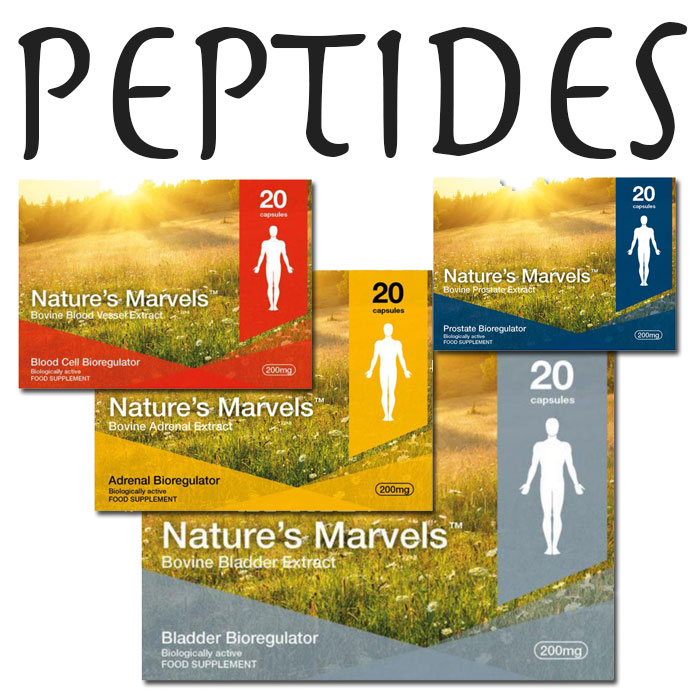
Peptides, one of the secret Russian military health marvels, now available. 40 years research

Clean Slate – Detoxes thousands of chemicals,heavy metals, pesticides, allergens, mold spores and fungus
INNERSTANDING may earn a commission on purchases made through these links. All products are selected based on rigorous educational relevance to our biological research.
RABBIT HOLE
Follow the biological thread deeper