
Epigenetics: How Environment Shapes Your Lipid Profile
Updated May 2026
Your genes are not your destiny; environmental factors can turn lipid-regulating genes on or off. We discuss how UK lifestyle choices influence the epigenetic expression of cholesterol metabolism.
Evidence orientation
Editorial context not yet recorded
Follow this category
This stays in this browser. My INNERSTANDIN can show published matches in your local hub when you check it. It does not send email, push, or alert notifications.
Local learning review
A private browser aid for revisiting ideas. It is not an alert or a health recommendation.
Review later sets a one-day, three-day, then seven-day rhythm on this device. Choose it only when you want to revisit this article.
Overview
For decades, the medical establishment has operated under the shadow of genetic determinism. Patients have been told that their cardiovascular fate is written in the "ink" of their DNA—that if their father suffered a myocardial infarction at fifty, they were biologically predestined to follow the same path. However, the emerging field of epigenetics has shattered this fatalistic paradigm. We now know that while your DNA sequence is the "hardware" of your biological system, your environment and lifestyle choices constitute the "software" that determines how those genes are expressed.
In the context of lipid science, this is revolutionary. It means that high Low-Density Lipoprotein (LDL) or low High-Density Lipoprotein (HDL) levels are not merely the result of inherited traits, but are the end-product of a complex dialogue between your genome and your environment. This article explores the profound mechanisms by which external factors—ranging from the air we breathe in UK cities to the specific fatty acids we ingest—physically alter the chemical structure of our DNA, turning lipid-regulating genes on or off.
As a senior biological researcher for INNERSTANDING, I contend that the "cholesterol crisis" is largely an epigenetic crisis. By understanding the molecular switches that control cholesterol synthesis, transport, and clearance, we move from being passive victims of our heredity to being active architects of our biological destiny.
The Biology — How It Works
To understand how the environment shapes your lipid profile, one must first understand the distinction between genetics and epigenetics. Genetics refers to the specific sequence of nucleotides (A, T, C, and G) in your DNA. Epigenetics, literally meaning "above genetics," refers to chemical modifications to the DNA molecule or its associated proteins that change gene expression without altering the underlying sequence.
The Three Pillars of Epigenetic Control
There are three primary mechanisms through which environmental signals are translated into biological action:
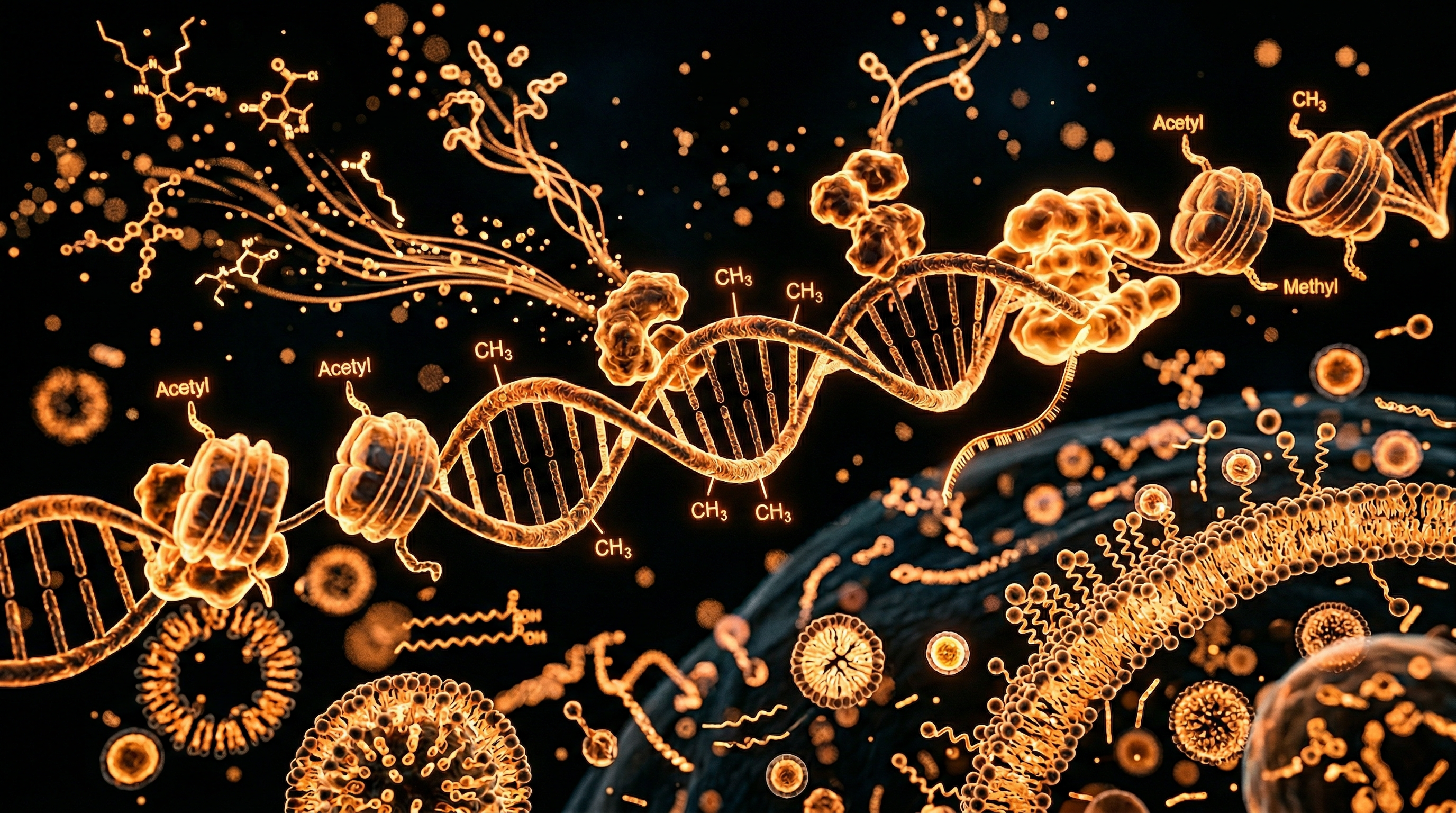
- DNA Methylation: This involves the addition of a methyl group (one carbon atom and three hydrogen atoms) to the DNA strand, typically at "CpG islands" near gene promoters. Generally, increased methylation acts as a "silencer," preventing the gene from being read.
- Histone Modification: DNA is wrapped around proteins called histones. If the DNA is wrapped tightly (deacetylation), the genes are inaccessible. If it is wrapped loosely (acetylation), the genes can be expressed. Environmental toxins and nutrients directly influence the enzymes (Histone Acetyltransferases and Histone Deacetylases) that manage this process.
- Non-coding RNA (ncRNA): These are RNA molecules that do not code for proteins but instead act as "cellular traffic wardens," intercepting messenger RNA (mRNA) and preventing it from being translated into proteins like the LDL receptor.
Fact: Research suggests that over 90% of the risk for developing cardiovascular disease is attributed to environmental and lifestyle factors that influence gene expression, rather than the DNA sequence itself.
The Lipid Genetic Circuitry
In a healthy individual, the body maintains lipid homeostasis through a feedback loop. When cellular cholesterol is low, a protein called SREBP (Sterol Regulatory Element-Binding Protein) migrates to the nucleus to trigger the production of the LDL Receptor (LDLR), which pulls cholesterol from the blood. Epigenetic alterations can disrupt this "stat" system. For instance, if the promoter for the LDLR gene becomes hypermethylated due to poor diet or chronic stress, the body loses its ability to clear LDL from the blood, regardless of how "good" your underlying genes might be.
Mechanisms at the Cellular Level
At the microscopic level, the transition from a healthy lipid profile to a pathological one is a masterclass in epigenetic signalling. When we talk about "environment," we are referring to the exposome—the sum total of non-genetic exposures.
The Role of Methyl Donors
The process of DNA methylation requires a constant supply of methyl groups. These are derived from our diet—specifically nutrients like folate (B9), cobalamin (B12), choline, and betaine.
- If a diet is deficient in these "methyl donors," the body cannot maintain the proper "off switches" on pro-inflammatory genes or genes like PCSK9.
- PCSK9 is a protein that breaks down LDL receptors. If the PCSK9 gene is epigenetically "over-expressed" because of a lack of silencing methyl groups, your LDL receptors are destroyed, and your blood cholesterol levels skyrocket.
Histone Acetylation and the Mevalonate Pathway
The Mevalonate pathway is the metabolic track the body uses to create cholesterol. Environmental factors like high-fructose corn syrup and industrial seed oils trigger an influx of Acetyl-CoA into the cell. This not only provides the raw material for cholesterol but also acts as a substrate for histone acetylation.
- When histones near the HMG-CoA Reductase gene (the rate-limiting enzyme in cholesterol synthesis) are acetylated, the gene stays "open."
- This creates a runaway train of internal cholesterol production that is unresponsive to traditional dietary feedback.
MicroRNA and Lipoprotein Export
Small molecules called microRNAs (miRNAs), specifically miR-33, play a crucial role in regulating HDL levels. miR-33 targets a transporter called ABCA1, which is responsible for "pumping" cholesterol out of cells and into HDL particles for disposal (reverse cholesterol transport).
- Environmental stressors, particularly the consumption of trans-fats and chronic cortisol elevation, upregulate miR-33.
- The result is a dramatic decrease in ABCA1 expression, leading to low HDL levels and the accumulation of cholesterol within arterial macrophages—the first step toward atherosclerosis.
Environmental Threats and Biological Disruptors
We live in a world that is "epigenetically hostile." Many of the compounds we encounter daily act as obesogens or lipid-disruptors.
Endocrine Disrupting Chemicals (EDCs)
Common chemicals such as Bisphenol A (BPA), found in some plastics and till receipts, and Phthalates, found in synthetic fragrances, are potent epigenetic modifiers.
- These chemicals can bind to nuclear receptors like the Peroxisome Proliferator-Activated Receptors (PPARs).
- PPARs are the "master switches" for fat metabolism. When EDCs interfere with PPAR signalling, they cause the body to epigenetically reprogram itself to store fat and produce more VLDL (Very Low-Density Lipoprotein), leading to the "muddy blood" characteristic of metabolic syndrome.
Glyphosate and the Microbiome-Epigenetic Axis
The most widely used herbicide in the world, glyphosate, presents a dual threat. Firstly, it disrupts the gut microbiome. The "good" bacteria in our gut produce short-chain fatty acids (SCFAs) like butyrate.
- Butyrate is a powerful HDAC inhibitor (Histone Deacetylase inhibitor). By inhibiting HDACs, butyrate keeps anti-inflammatory and lipid-regulating genes in an "active" state.
- When glyphosate kills butyrate-producing bacteria, we lose this epigenetic protection, leading to systemic inflammation and dyslipidaemia.
Circadian Disruption and Blue Light
The UK's modern lifestyle involves heavy exposure to artificial blue light after sunset. This suppresses melatonin, which is not just a sleep hormone but a powerful epigenetic regulator.
- Circadian genes like CLOCK and BMAL1 directly regulate the expression of enzymes involved in cholesterol synthesis.
- Chronic shift work or late-night "scrolling" causes an epigenetic "jet lag," where the liver continues to synthesise cholesterol at night when it should be focused on repair and clearance.
Statistic: Individuals working irregular night shifts for over ten years have a 40% higher risk of developing dyslipidaemia, primarily due to the epigenetic disruption of circadian metabolic pathways.
The Cascade: From Exposure to Disease
The progression from an environmental "insult" to a clinical lipid disorder is a multi-stage cascade. It is rarely a single event but rather the "accumulation of hits" over time.
Stage 1: The Epigenetic "Mark"
An individual is exposed to an environmental stressor—perhaps a period of high psychological stress combined with a diet high in ultra-processed foods (UPFs). This triggers a wave of DNA methylation and histone changes in the hepatocytes (liver cells). The genes for cholesterol clearance (LDLR) start to be silenced, while genes for cholesterol synthesis (HMGCR) are activated.
Stage 2: Metabolic Shift
The liver begins overproducing VLDL particles. Because the LDL receptors are being epigenetically downregulated, these particles stay in circulation longer. As they circulate, they are subjected to further environmental insults, such as oxidative stress from air pollution or smoking.
Stage 3: The Modification of LDL
This is where the mainstream narrative fails. It is not the "LDL" itself that is the problem; it is the epigenetically-driven environment that causes the LDL to become oxidised (oxLDL) or glycated.
- Epigenetic changes in the vascular endothelium (the lining of the blood vessels) make the walls "sticky."
- Adhesion molecules like VCAM-1 are over-expressed because the epigenetic "brakes" have been removed.
Stage 4: Foam Cell Formation and Plaque
Macrophages (immune cells) enter the arterial wall to clean up the oxidised LDL. However, due to the upregulation of Scavenger Receptors (another epigenetic event), they gorge themselves on lipids until they become "foam cells." These cells die and form the necrotic core of an atherosclerotic plaque.
What the Mainstream Narrative Omits
The current medical model is hyper-focused on the "number"—the total cholesterol or LDL-C figure on a pathology report. This focus serves a specific pharmaceutical agenda, but it ignores the "why" behind the numbers.
The Statin Deception
Statins work by chemically inhibiting the HMG-CoA Reductase enzyme. While they are effective at lowering the "number," they do nothing to address the epigenetic root cause. If a patient's LDLR genes are silenced due to a lack of methyl donors or chronic inflammation, the statin is merely a "band-aid" on a structural failure. Furthermore, some studies suggest that long-term statin use may itself induce epigenetic changes in muscle tissue, potentially explaining common side effects like myopathy.
The Omission of "Lipid Quality"
Mainstream medicine rarely discusses the size and density of LDL particles. Small, dense LDL (Pattern B) is far more atherogenic than large, buoyant LDL (Pattern A).
- The transition from Pattern A to Pattern B is almost entirely driven by environmental and epigenetic factors, specifically insulin resistance.
- By focusing only on "Total LDL," the establishment ignores the fact that a person can have "high" LDL but be at zero risk if their particles are large and their epigenetic markers for inflammation are low.
The "Saturated Fat" Myth
For fifty years, we were told that saturated fat was the primary driver of high cholesterol. Epigenetic research shows a different story. In many individuals, saturated fats can actually improve the epigenetic expression of genes related to HDL production and LDL particle size, provided they are consumed in the absence of refined carbohydrates. The real culprits are industrial seed oils (canola, sunflower, soybean), which are high in linoleic acid. These oils incorporate into the cell membranes and trigger epigenetic signalling cascades that promote inflammation and lipid peroxidation.
The UK Context
The UK presents a unique epigenetic landscape. Several factors specific to British life contribute to the "dyslipidaemic phenotype" we see across the population.
The "English Breakfast" vs. Modern Ultra-Processed Alternatives
The traditional British diet, once rich in fat-soluble vitamins (A, D, K2) from pasture-raised eggs and meats, provided the essential co-factors for lipid metabolism. Today, the UK has the highest consumption of Ultra-Processed Foods (UPFs) in Europe, with over 50% of the average household's calories coming from these products.
- UPFs are "epigenetic bombs." They are devoid of methyl donors and loaded with emulsifiers that disrupt the gut barrier, leading to endotoxaemia.
- Endotoxaemia triggers the Toll-Like Receptor 4 (TLR4), which sends a signal directly to the nucleus to epigenetically switch on pro-inflammatory lipid pathways.
The Vitamin D Crisis
Due to the UK's northern latitude and frequent cloud cover, a vast majority of the population is Vitamin D deficient for most of the year.
- Vitamin D is actually a pro-hormone that binds to the Vitamin D Receptor (VDR), which is an epigenetic transcription factor.
- The VDR regulates over 900 genes, including those involved in bile acid synthesis (the primary way the body excretes cholesterol).
- Low Vitamin D levels in the UK are a direct driver of the high prevalence of hypercholesterolaemia, yet this is rarely addressed as a primary intervention in the NHS.
Air Pollution in Urban Hubs
Residents of cities like London, Manchester, and Birmingham are exposed to high levels of Particulate Matter (PM2.5).
- Research has shown that PM2.5 exposure leads to rapid changes in DNA methylation in blood cells.
- Specifically, it causes "hypomethylation" (loss of silencing) of genes involved in oxidative stress, which in turn leads to the systemic oxidation of LDL particles.
Fact: A study on London commuters found that even short-term exposure to high-traffic areas led to immediate epigenetic alterations in genes related to lipid processing and systemic inflammation.
Protective Measures and Recovery Protocols
If the environment can "break" our lipid metabolism, it can also "fix" it. Epigenetic marks are, by their nature, reversible. This is the concept of epigenetic reprogramming.
1. Optimising the Methylation Cycle
To ensure your lipid-regulating genes can be properly "silenced" when necessary, you must provide the body with methyl donors.
- Protocol: Prioritise bioavailable folate (from leafy greens like kale and spinach), B12 (from grass-fed beef or liver), and choline (from pastured egg yolks).
- Avoid: Synthetic Folic Acid (found in fortified breads in the UK), as many people have a genetic variant (MTHFR) that prevents them from processing it, leading to a "backup" that can actually disrupt methylation.
2. Sulforaphane and Nrf2 Activation
Sulforaphane, a compound found in cruciferous vegetables (broccoli, Brussels sprouts), is one of the most potent epigenetic "activators" known to science.
- It activates the Nrf2 pathway, which travels to the nucleus and "turns on" over 200 antioxidant and detoxification genes.
- This protects LDL particles from oxidation and prevents the epigenetic transition of macrophages into foam cells.
3. Circadian Reset
To align your liver's lipid-processing genes with the natural light-dark cycle:
- Protocol: Seek direct sunlight within 30 minutes of waking (even on a cloudy UK morning) to set the "master clock."
- Evening: Use "blue blocker" glasses or eliminate screens after 8:00 PM to allow the epigenetic repair mechanisms of melatonin to function.
4. Cold Exposure and Brown Adipose Tissue
The UK climate is well-suited for this intervention. Cold exposure (cold showers or outdoor swimming) activates Brown Adipose Tissue (BAT).
- BAT activation triggers an epigenetic "switch" that causes the body to pull triglycerides and cholesterol from the blood to burn for heat.
- This "lipid clearing" effect can significantly improve the lipid profile without the need for medication.
5. Stress Management and the Vagus Nerve
Chronic cortisol is an epigenetic "destructor." It promotes the methylation of the Glucocorticoid Receptor gene, creating a feedback loop of permanent stress.
- Protocol: Practices that stimulate the vagus nerve (deep breathing, chanting, or meditation) have been shown to "undo" some of the epigenetic damage caused by chronic stress, leading to a more favourable lipid profile and lower systemic inflammation.
Summary: Key Takeaways
The science of epigenetics has provided the "missing link" in our understanding of cholesterol and cardiovascular health. We are no longer bound by the "bad genes" we were born with; rather, we are the stewards of a dynamic biological system that responds to every breath, every meal, and every thought.
- Genes are not destiny: The environment acts as the "editor" of your genetic code, determining which lipid-regulating genes are active.
- DNA Methylation is key: A lack of dietary methyl donors (B9, B12, Choline) can "unlock" genes like PCSK9, leading to uncontrolled LDL levels.
- Chemical Threats are real: BPA, phthalates, and glyphosate act as epigenetic "disruptors" that sabotage fat metabolism and promote inflammation.
- The UK Environment is challenging: Low Vitamin D, high UPF consumption, and urban air pollution create an "epigenetic headwind" for the British population.
- Reprogramming is possible: Through targeted nutrition (Sulforaphane, B-vitamins), circadian alignment, and stress reduction, you can "rewrite" your lipid profile.
The era of the "one-size-fits-all" statin prescription is coming to an end. It is being replaced by a sophisticated, personalised approach to lipid science—one that recognises that the true power to heal lies not in a pill bottle, but in the deliberate mastery of our environment. Your lipid profile is a reflection of your biography, not just your biology. It is time to write a better story.
This article is provided for informational and educational purposes only. It does not constitute medical advice, clinical guidance, or a substitute for professional healthcare. Information reflects cited research at time of publication. Always consult a qualified healthcare professional before acting on any health information.
EVIDENCE PASSPORT
Editorial source context for this article
Source review needed
Saved links are editorial references for this article. They may support specific claims rather than every sentence. Open and assess each source in context. This passport does not independently verify them.
Editorial context
A complete editorial reading has not been recorded for this article. Source links remain available for you to open and assess directly.
Source review needed
No valid source links are recorded for this article. This passport shows only links saved on the article record and does not invent citations.
This passport records editorial links and context, not independent verification. Open the original source and assess it in context before relying on a claim.
Medical Disclaimer
The information in this article is for educational purposes only and does not constitute medical advice, diagnosis, or treatment. Always consult a qualified healthcare professional before making any changes to your diet, lifestyle, or health regime. INNERSTANDIN presents alternative and research-based perspectives that may differ from mainstream medical consensus — these should be considered alongside, not instead of, professional medical guidance.
Read Full DisclaimerContinue the thread
Keep this question moving.
Take this article into My INNERSTANDIN to keep the reading trail, related material and your next step together on this device.
Dig deeper in the Library
Free, longform PDF volumes that go beyond headlines into mechanisms and references.