
Gestational Diabetes: The Role of Environmental Pollutants
Updated May 2026
Exposure to persistent organic pollutants is a significant but ignored risk factor for gestational diabetes in the UK. These chemicals interfere with insulin signaling and glucose metabolism.
Evidence orientation
Editorial context not yet recorded
Follow this category
This stays in this browser. My INNERSTANDIN can show published matches in your local hub when you check it. It does not send email, push, or alert notifications.
Local learning review
A private browser aid for revisiting ideas. It is not an alert or a health recommendation.
Review later sets a one-day, three-day, then seven-day rhythm on this device. Choose it only when you want to revisit this article.
Overview
The standard medical discourse surrounding Gestational Diabetes Mellitus (GDM) has, for decades, focused almost exclusively on a narrow set of variables: maternal age, Body Mass Index (BMI), ethnicity, and sedentary lifestyles. While these factors are undeniably relevant, they represent only a surface-level understanding of a burgeoning metabolic crisis. As a senior researcher at INNERSTANDING, my objective is to peel back the layers of conventional pathology to reveal a more insidious driver of birth trauma and perinatal metabolic failure: the pervasive presence of environmental pollutants.
We are currently witnessing a global epidemic of GDM that correlates almost perfectly with the proliferation of synthetic chemicals in our food, water, and air. Gestational diabetes is not merely a failure of maternal willpower or genetic predisposition; it is frequently an environmental injury. The modern expectant mother in the United Kingdom is navigating a "chemical soup" of Persistent Organic Pollutants (POPs), Endocrine Disrupting Chemicals (EDCs), and heavy metals that directly sabotage the delicate hormonal choreography required to maintain glucose homeostasis during pregnancy.
Key Fact: Recent longitudinal studies suggest that women with the highest levels of certain phthalates in their system during the first trimester have up to a 60% increased risk of developing GDM, regardless of their starting weight or diet.
This article serves as a technical exposé into the biochemical mechanisms by which environmental toxins hijack the maternal endocrine system. We will explore how "forever chemicals" like PFAS, plasticisers such as Bisphenol A (BPA), and legacy pesticides create a state of "metabolic inflexibility" that the pregnant body cannot overcome. By shifting the focus from individual blame to systemic environmental toxicity, we can begin to address the true root causes of this perinatal health crisis.
The Biology — How It Works
To understand how pollutants trigger GDM, one must first appreciate the unique metabolic demands of pregnancy. Pregnancy is, by definition, a "metabolic stress test." During the second and third trimesters, the placenta secretes hormones—including Human Placental Lactogen (hPL), cortisol, and progesterone—that naturally induce a state of mild insulin resistance.
This is an evolutionary adaptation designed to ensure a steady supply of glucose is redirected from the mother’s tissues to the growing foetus. In a healthy pregnancy, the maternal pancreas compensates for this resistance by increasing insulin production by 200–250%.
The Compensation Failure
GDM occurs when the maternal pancreas fails to meet this increased demand. This failure is traditionally blamed on "beta-cell exhaustion." However, emerging toxicology data indicates that environmental pollutants act as "metabolic disrupters" that interfere with this compensatory mechanism in two primary ways:
- Direct Beta-Cell Toxicity: Pollutants can cause structural damage to the pancreatic islets, preventing the necessary hypertrophy (growth) of beta-cells during pregnancy.
- Exacerbated Peripheral Resistance: Toxins can bind to insulin receptors or interfere with downstream signalling, making the mother’s cells profoundly "deaf" to the insulin she does produce.
The Role of Adipose Tissue
Adipose tissue (fat) is not just a storage depot; it is a dynamic endocrine organ. Most environmental pollutants, particularly POPs, are lipophilic, meaning they migrate to and accumulate in fat stores. During pregnancy, as the mother’s metabolism shifts and she begins to utilise fat stores for energy, these sequestered toxins are released into the bloodstream in a concentrated "surge," directly hitting the liver and pancreas at the most vulnerable time of gestation.
Mechanisms at the Cellular Level
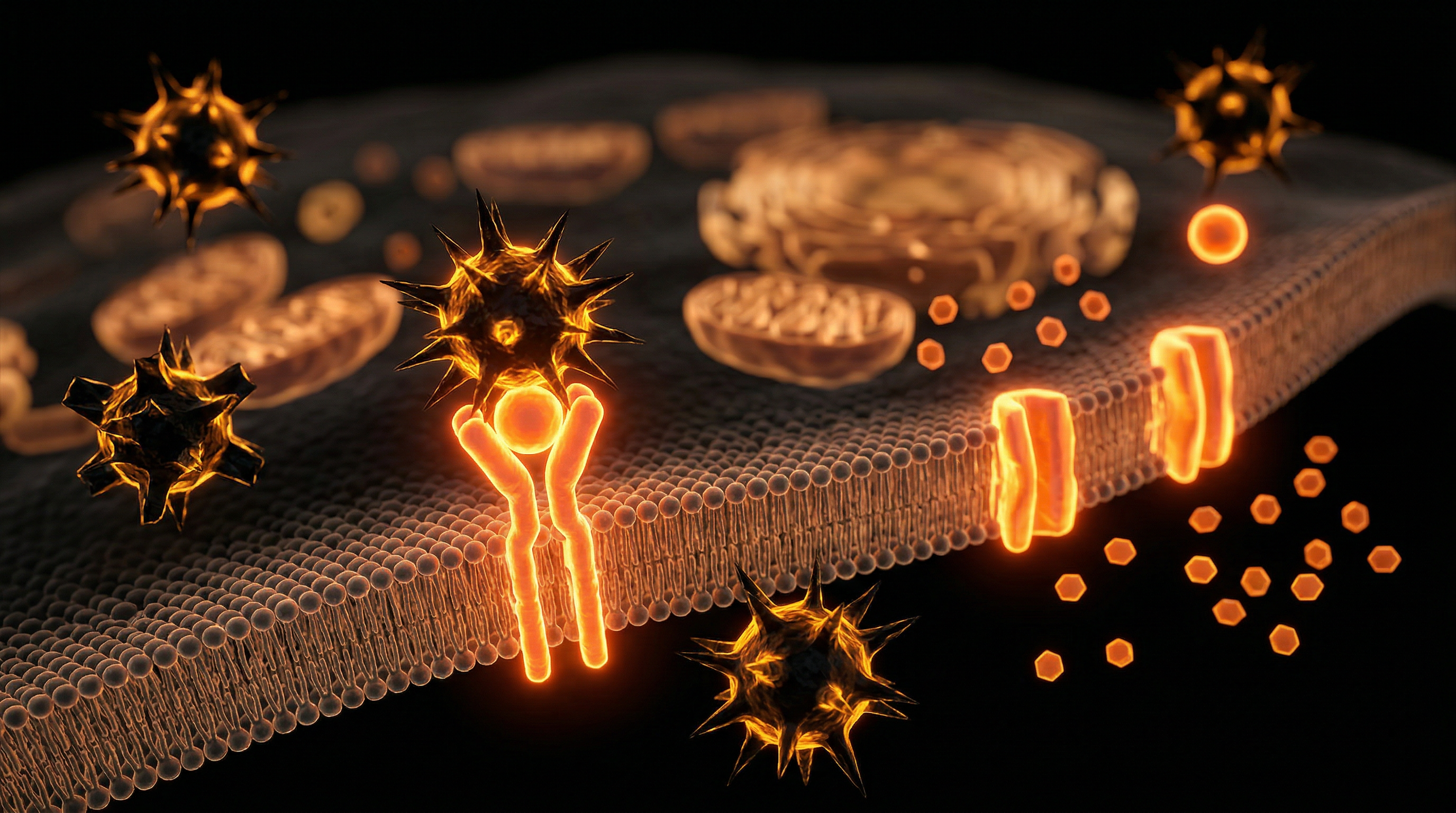
The interference of pollutants with glucose metabolism is not a vague occurrence; it happens via specific, high-resolution cellular pathways. When we look at the molecular biology of GDM through an environmental lens, several key mechanisms emerge.
1. PPAR Signalling Interference
Peroxisome Proliferator-Activated Receptors (PPARs) are nuclear receptor proteins that act as master switches for lipid and glucose metabolism. Many environmental chemicals, specifically phthalates and perfluorinated compounds (PFAS), are "PPAR agonists" or "antagonists." By mimicking the natural ligands that bind to these receptors, pollutants can:
- Suppress the expression of GLUT4, the primary glucose transporter in muscle and fat cells.
- Dysregulate adiponectin, a hormone that normally enhances insulin sensitivity.
2. Mitochondrial Dysfunction and Oxidative Stress
The mitochondria are the powerhouses of the cell, responsible for oxidising glucose to create ATP (energy). Heavy metals like arsenic and cadmium, along with various pesticides, disrupt the Electron Transport Chain (ETC). This leads to the overproduction of Reactive Oxygen Species (ROS).
- High levels of oxidative stress trigger the activation of c-Jun N-terminal kinases (JNK).
- Activated JNK phosphorylates the Insulin Receptor Substrate-1 (IRS-1) on serine residues rather than tyrosine residues, which effectively "unplugs" the insulin signalling pathway.
3. Epigenetic Alterations
Pollutants don't just affect the mother; they alter the way her genes—and the foetus’s genes—are expressed. Exposure to BPA has been shown to cause DNA methylation changes in the promoter regions of genes responsible for insulin production. This "epigenetic scarring" can lead to permanent changes in metabolic set-points, potentially predisposing both the mother and the child to Type 2 diabetes later in life.
Statistic: Research indicates that exposure to organochlorine pesticides is associated with a 40% reduction in the expression of insulin-signalling genes within the placenta itself, creating a localised state of "placental diabetes" that affects foetal growth.
Environmental Threats and Biological Disruptors
The list of potential metabolic disrupters is extensive, but four categories of chemicals stand out for their prevalence in the UK environment and their proven link to GDM.
Persistent Organic Pollutants (POPs)
These are "legacy" chemicals, such as Polychlorinated Biphenyls (PCBs) and Dioxins. Although many were banned decades ago, they do not break down in the environment and have bioaccumulated in the food chain, particularly in oily fish, dairy, and meat.
- The Threat: POPs mimic oestrogen and interfere with the aryl hydrocarbon receptor (AhR), a pathway that, when overactivated, leads to profound systemic insulin resistance.
Per- and Polyfluoroalkyl Substances (PFAS)
Known as "forever chemicals" due to their indestructible carbon-fluorine bonds, PFAS are found in non-stick cookware, water-repellent clothing, and fire-fighting foams.
- The Threat: PFAS are known "liver toxins." Because the liver is the primary site of glucose storage (as glycogen) and production (gluconeogenesis), PFAS-induced liver stress directly contributes to the elevated fasting blood sugar levels seen in GDM.
Phthalates and Bisphenols (Plasticisers)
Found in food packaging, personal care products (shampoos, lotions), and plastic bottles. These are "short-lived" in the body but ubiquitous in the environment, leading to chronic, daily exposure.
- The Threat: These chemicals are potent endocrine disruptors. BPA, in particular, has a structure strikingly similar to oestrogen, allowing it to interfere with the oestrogen-beta receptors in the pancreas that regulate insulin secretion.
Heavy Metals
Lead, Cadmium, and Mercury remain significant issues in the UK due to old piping, industrial emissions, and certain dietary habits.
- The Threat: Cadmium, in particular, accumulates in the pancreas. Studies have shown that women with GDM have significantly higher urinary cadmium levels than those with healthy pregnancies. Cadmium replaces essential minerals like zinc in the insulin molecule, rendering the insulin biologically inactive.
The Cascade: From Exposure to Disease
The progression from environmental exposure to a clinical diagnosis of Gestational Diabetes is a multi-stage cascade that often begins long before conception.
Stage 1: The Pre-Pregnancy Bioaccumulation
A woman’s "body burden"—the total accumulation of toxins in her adipose tissue—is built over decades. In the UK, urban living exposes women to chronic low doses of air pollutants (nitrogen dioxide and fine particulate matter PM2.5), which have been linked to early-stage systemic inflammation.
Stage 2: The First Trimester "Toxin Flush"
As the body undergoes rapid hormonal shifts in early pregnancy, there is a natural turnover of fat stores. This releases sequestered POPs back into the circulation. Simultaneously, the developing placenta begins to produce its own hormones. The combined presence of high hormonal levels and high toxic load creates the first wave of "metabolic friction."
Stage 3: The Second Trimester Failure
By weeks 24–28 (when GDM is typically screened), the insulin demand has reached its peak. For a woman with high levels of EDCs, the beta-cells in the pancreas are already struggling under the weight of oxidative stress. The "metabolic stress test" of pregnancy becomes a failure of the system. The blood sugar rises, not because she ate too much sugar, but because her cellular machinery is too "clogged" by environmental interference to process it.
Stage 4: The Perinatal Trauma
The high glucose environment in the womb leads to macrosomia (excessive birth weight), which increases the risk of birth trauma, shoulder dystocia, and emergency Caesarean sections. Post-birth, the mother remains at high risk for Type 2 diabetes because the environmental "insult" to her pancreas has not been addressed.
What the Mainstream Narrative Omits
The current medical approach to GDM is characterised by a profound "toxicological blindness." By focusing exclusively on lifestyle, the mainstream narrative serves several counterproductive functions:
- The Myth of Individual Failure: By framing GDM as a result of "poor choices," the medical establishment shifts the burden of responsibility from the chemical industry and regulatory failures onto the individual mother. This creates significant psychological stress and "birth guilt," which itself further dysregulates cortisol and blood sugar.
- Ignoring the "Exposome": The concept of the Exposome—the total sum of environmental exposures over a lifetime—is almost entirely absent from NHS prenatal guidelines. A woman could have a "perfect" diet of kale and quinoa, but if that kale is laden with pesticides and she is drinking PFAS-contaminated water, her metabolic risk remains high.
- The "Safe Levels" Fallacy: Regulatory bodies often set "safe" exposure limits for individual chemicals. However, they ignore the "cocktail effect." During pregnancy, the synergistic effect of being exposed to ten different chemicals at "low levels" can be far more damaging than a high dose of a single toxin.
- The Profit of Management over Cure: There is a significant pharmaceutical market for insulin and glucose monitoring devices. There is no comparable profit in cleaning up the UK’s waterways or banning plasticisers in food packaging.
Callout: Modern GDM management is often "reactive," focusing on controlling blood sugar after the damage is done, rather than "proactive" by identifying and mitigating toxicant exposure in the preconception period.
The UK Context
The situation in the United Kingdom is unique and particularly concerning due to our industrial history and current regulatory landscape.
Post-Brexit Regulatory Divergence
Since leaving the EU, the UK has moved away from the REACH (Registration, Evaluation, Authorisation and Restriction of Chemicals) framework. There are growing concerns among environmental scientists that the UK's "UK REACH" is slower to ban hazardous substances, leaving British mothers exposed to chemicals that are already restricted in Europe.
The Legacy of the "Industrial North"
Regions in the North of England and the Midlands still carry the heavy metal and PCB burden of their industrial past. Soil contamination in these areas often finds its way into the local food chain. Recent studies in cities like Bradford have shown a direct correlation between air pollution levels and the incidence of GDM among the local population.
The "Forever Chemical" Water Crisis
Recent investigations by UK media and environmental NGOs have revealed that nearly all major English rivers and many groundwater sources contain levels of PFAS that exceed "safe" limits. For a pregnant woman in the UK, simply following the advice to "stay hydrated" with tap water can involve the ingestion of metabolic disrupters daily.
Urban Air Quality
The UK has some of the highest levels of nitrogen dioxide in Europe. Nitrogen dioxide and PM2.5 are known to cross the placental barrier. They induce systemic inflammation, which is a primary driver of the insulin resistance that leads to GDM.
Protective Measures and Recovery Protocols
While the systemic issues require political and regulatory action, there are evidence-based steps that expectant mothers and those in the preconception phase can take to reduce their toxic load and protect their metabolic health.
1. Advanced Filtration and Nutrition
- Reverse Osmosis Water Filtration: Standard carbon filters are insufficient for removing PFAS and heavy metals. A high-quality reverse osmosis system is essential for any woman planning a pregnancy in the UK.
- The "Clean Fifteen" and "Dirty Dozen": Prioritise organic produce for foods most likely to be contaminated with pesticides (e.g., strawberries, spinach, apples).
- Cruciferous Vegetable Loading: Vegetables like broccoli, Brussels sprouts, and cabbage contain Sulforaphane, which upregulates the Nrf2 pathway—the body’s primary antioxidant defence system against environmental toxins.
2. Targeted Supplementation (The "Buffer" Protocol)
Certain nutrients act as "biochemical buffers" against the damage caused by pollutants:
- N-Acetyl Cysteine (NAC): A precursor to glutathione, the master antioxidant that helps the liver detoxify heavy metals and POPs.
- Alpha-Lipoic Acid (ALA): Known as the "universal antioxidant," ALA is particularly effective at improving insulin sensitivity and protecting mitochondria from oxidative stress.
- Methylated B-Vitamins: Essential for the "methylation" process, which is how the body chemically deactivates and excretes toxins.
3. Lifestyle Detoxification
- Sweat Therapy: For women in the preconception phase, regular use of infrared saunas can help "mobilise" and excrete lipophilic toxins stored in fat. (Note: Saunas should be avoided during pregnancy).
- Plastic-Free Living: Eliminate plastic food containers, especially when heating food. Switch to glass, stainless steel, or ceramic. Avoid "canned" foods, as many are lined with BPA or BPS.
- Personal Care Audit: Use tools like the "EWG Skin Deep" database to identify and remove products containing phthalates and parabens.
4. Supporting the "Three Pillars of Excretion"
To prevent toxins from recirculating and damaging the pancreas, the body’s exit routes must be optimal:
- Bowel Health: Ensure adequate fibre to bind to toxins excreted in bile.
- Liver Support: Use bitter herbs (like dandelion root or milk thistle) to stimulate bile flow.
- Kidney Health: Maintain adequate mineral balance (magnesium, potassium) to support the filtration of water-soluble toxins.
Summary: Key Takeaways
The surge in Gestational Diabetes is a clarion call, signaling that the maternal environment has become metabolically hostile. By understanding the role of environmental pollutants, we move from a place of "patient-blaming" to one of scientific empowerment.
- GDM is an Environmental Injury: It is often the result of chemical interference with the beta-cells and insulin receptors, not just "lifestyle choices."
- Pollutants are Ubiquitous: PFAS, phthalates, and POPs are the primary culprits in the modern UK environment, sabotaging glucose metabolism at the cellular level.
- The Pancreas is Under Siege: Toxin-induced oxidative stress "unplugs" the insulin signalling pathway, making the metabolic demands of pregnancy impossible to meet.
- Systemic Change is Mandatory: We must advocate for tighter chemical regulations (UK REACH) and better environmental protections to prevent birth trauma and safeguard the health of future generations.
- Individual Action Matters: Through advanced water filtration, organic nutrition, and targeted detoxification, mothers can build a "metabolic shield" to protect themselves and their babies from the toxic cascade.
The era of ignoring the environmental context of perinatal health must end. Only by acknowledging the profound impact of the "chemical exposome" can we hope to stem the tide of gestational diabetes and ensure the metabolic integrity of the next generation. At INNERSTANDING, we remain committed to exposing these suppressed truths and providing the biological roadmap to recovery.
This article is provided for informational and educational purposes only. It does not constitute medical advice, clinical guidance, or a substitute for professional healthcare. Information reflects cited research at time of publication. Always consult a qualified healthcare professional before acting on any health information.
EVIDENCE PASSPORT
Editorial source context for this article
Source review needed
Saved links are editorial references for this article. They may support specific claims rather than every sentence. Open and assess each source in context. This passport does not independently verify them.
Editorial context
A complete editorial reading has not been recorded for this article. Source links remain available for you to open and assess directly.
Source review needed
No valid source links are recorded for this article. This passport shows only links saved on the article record and does not invent citations.
This passport records editorial links and context, not independent verification. Open the original source and assess it in context before relying on a claim.
Medical Disclaimer
The information in this article is for educational purposes only and does not constitute medical advice, diagnosis, or treatment. Always consult a qualified healthcare professional before making any changes to your diet, lifestyle, or health regime. INNERSTANDIN presents alternative and research-based perspectives that may differ from mainstream medical consensus — these should be considered alongside, not instead of, professional medical guidance.
Read Full DisclaimerContinue the thread
Keep this question moving.
Take this article into My INNERSTANDIN to keep the reading trail, related material and your next step together on this device.
Explore this in the Body Map
See where this hits your biology. Interactive anatomy, threats, and protective protocols.
Dig deeper in the Library
Free, longform PDF volumes that go beyond headlines into mechanisms and references.