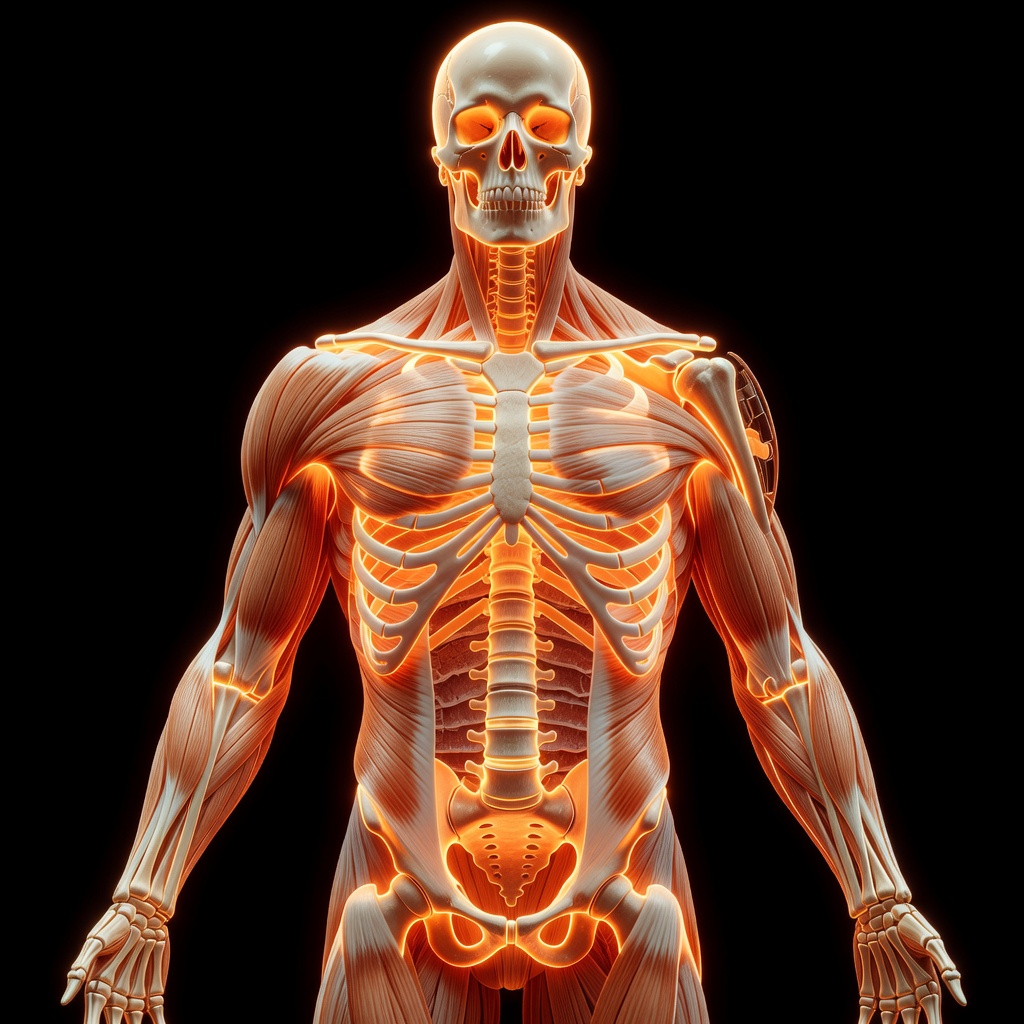
Hypoxia-Inducible Factors (HIFs) in the Endosteal Niche: Preserving Quiescence in Hematopoietic Progenitor Cells
This educational deep-dive explores how the low-oxygen environment of the bone marrow's endosteal niche, regulated by HIF-1α, serves as a vital protective mechanism for maintaining the longevity and quiescence of hematopoietic stem cells.

# Hypoxia-Inducible Factors (HIFs) in the Endosteal Niche: Preserving Quiescence in Hematopoietic Progenitor Cells\n\nIn the intricate architecture of human physiology, the bone marrow serves as more than just a site for blood production; it is a highly specialized microenvironment, or 'niche,' that governs the fate of Hematopoietic Stem Cells (HSCs). At the heart of this regulation is a paradox: while most tissues require high levels of oxygen to thrive, the most potent stem cells in our body reside in a state of relative hypoxia. This article explores the vital role of Hypoxia-Inducible Factors (HIFs) within the endosteal niche and how this low-oxygen 'shield' is the root cause of hematopoietic longevity.\n\n## The Geography of the Bone Marrow: Two Niches\n\nThe bone marrow is not a homogenous space. It is divided primarily into two functional zones: the perivascular niche and the endosteal niche. The perivascular niche is located near blood vessels, where oxygen levels are relatively higher (normoxia).
This area is typically associated with actively proliferating and differentiating cells—those ready to enter the circulation. \n\nIn contrast, the endosteal niche is located at the inner surface of the bone (the endosteum). This region is poorly vascularized and characterized by extreme hypoxia, with oxygen concentrations often dipping below 1%. While this might seem like a hostile environment, it is the preferred home for long-term (LT) HSCs. The physical structure of the trabecular bone provides a sanctuary where these cells can remain in a state of 'sleep' or quiescence.\n\n## The Master Regulator: Hypoxia-Inducible Factor 1-Alpha (HIF-1α)\n\nHow do cells sense and respond to these low-oxygen conditions? The answer lies in a family of transcription factors known as Hypoxia-Inducible Factors.
The most prominent member, HIF-1α, acts as a molecular thermostat. Under normal oxygen conditions, an enzyme called prolyl hydroxylase (PHD) tags HIF-1α for destruction by the proteasome. However, in the hypoxic endosteal niche, oxygen is too low for the PHD enzymes to function. Consequently, HIF-1α stabilizes, translocates to the cell nucleus, and binds with HIF-1β to activate a suite of genes essential for survival.\n\n## Preserving Quiescence: The Biological 'Pause' Button\n\nQuiescence (the G0 phase of the cell cycle) is the root cause of stem cell durability. If HSCs were constantly dividing, they would quickly accumulate DNA damage, undergo telomere shortening, and face eventual exhaustion.
HIF-1α is the primary architect of this 'paused' state. \n\nBy upregulating inhibitors of the cell cycle, such as p57 (CDKN1C), HIF-1α ensures that LT-HSCs do not enter the cell cycle prematurely. This preservation of the 'primitive' state ensures that the body maintains a reservoir of pristine stem cells that can be called upon during periods of extreme stress, such as major blood loss or severe infection.\n\n## Metabolic Reprogramming: Survival Without Oxygen\n\nA critical component of the HIF-mediated protective effect is the shift in cellular metabolism. Most cells use mitochondria and oxygen to generate energy through oxidative phosphorylation (OXPHOS), a process that produces high amounts of ATP but also generates Reactive Oxygen Species (ROS) as a toxic byproduct. ROS are highly reactive molecules that can mutate DNA and damage cellular membranes.\n\nWithin the endosteal niche, HIF-1α triggers a metabolic switch to anaerobic glycolysis. By upregulating glucose transporters (like GLUT1) and enzymes such as Lactate Dehydrogenase A (LDHA), HIF-1α allows HSCs to generate energy without relying on oxygen.
This 'metabolic cooling' significantly reduces the production of ROS, thereby protecting the genetic integrity of the hematopoietic progenitor cells. In essence, the hypoxia of the endosteal niche acts as a metabolic shield against the root cause of cellular aging: oxidative stress.\n\n## The Role of HIF-2α and the Vascular Balance\n\nWhile HIF-1α is the heavy lifter in maintaining quiescence, its sibling, HIF-2α, also plays a role in the broader marrow landscape. HIF-2α is often associated with the regulation of erythropoietin (EPO) and the management of iron metabolism. Together, these factors coordinate a balance: HIF-1α keeps the 'seed' cells quiet in the endosteal niche, while signals in the perivascular niche (potentially influenced by slightly higher oxygen and HIF-2α) encourage the 'ripening' of cells when the body needs new blood.\n\n## Clinical Implications: From Leukaemia to Ageing\n\nUnderstanding the HIF-endosteal axis is not merely academic; it has profound implications for modern medicine. Many forms of Leukaemia hijack the protective mechanisms of the endosteal niche.
Leukaemic stem cells often 'hide' in these hypoxic pockets, where their quiescent state makes them resistant to traditional chemotherapy, which typically targets actively dividing cells. Research is currently investigating ways to 'flush' these cells out of their hypoxic sanctuary to make them more susceptible to treatment.\n\nFurthermore, as we age, the endosteal niche undergoes remodeling. The loss of trabecular bone and changes in marrow vascularity can disrupt the hypoxic gradient. This degradation of the niche is a root cause of 'inflamm-aging' in the blood, where HSCs lose their quiescence, leading to a decline in immune function and an increased risk of myelodysplastic syndromes.\n\n## Conclusion\n\nThe endosteal niche and its reliance on Hypoxia-Inducible Factors represent one of nature's most elegant design features. By placing its most precious regenerative cells in a low-oxygen vault, the body minimizes metabolic 'wear and tear' and ensures a lifelong supply of blood.
For the researchers and practitioners at INNERSTANDING, recognizing the importance of this niche reminds us that health is often found in balance—where even a lack of oxygen, in the right context, serves as a fundamental pillar of vitality.
This article is provided for informational and educational purposes only. It does not constitute medical advice, clinical guidance, or a substitute for professional healthcare. Information reflects cited research at time of publication. Always consult a qualified healthcare professional before acting on any health information.
RESEARCH FOUNDATIONS
Biological Credibility Archive
Citations provided for educational reference. Verify via PubMed or institutional databases.
Medical Disclaimer
The information in this article is for educational purposes only and does not constitute medical advice, diagnosis, or treatment. Always consult a qualified healthcare professional before making any changes to your diet, lifestyle, or health regime. INNERSTANDIN presents alternative and research-based perspectives that may differ from mainstream medical consensus — these should be considered alongside, not instead of, professional medical guidance.
Read Full DisclaimerReady to learn more?
Continue your journey through our classified biological research.
THE ARSENAL
Based on Bone Marrow Health & Haematopoiesis — products curated by our research team for educational relevance and biological support.
Magnesium Blend – The Most Important Mineral
Clean Slate – Detoxes thousands of chemicals,heavy metals, pesticides, allergens, mold spores and fungus
Vegan Essential Amino Acids – Plant-Powered Protein Building
INNERSTANDING may earn a commission on purchases made through these links. All products are selected based on rigorous educational relevance to our biological research.
RABBIT HOLE
Follow the biological thread deeper