Interstitial Fluid Dynamics: Understanding the Biomechanics of Breast Tissue Congestion and Fibrocystic Changes
A comprehensive exploration into the mechanical and fluid-based origins of breast tenderness and fibrocystic changes, moving beyond hormones to focus on the interstitium and lymphatic health.

# Interstitial Fluid Dynamics: The Biomechanics of Breast Health ## Introduction In the realm of women's health, particularly within the UK healthcare landscape, 'fibrocystic breast changes' is a term frequently used to describe a range of symptoms including lumpiness, tenderness, and swelling. Traditionally, these symptoms have been dismissed as a 'normal' part of the menstrual cycle or attributed solely to hormonal fluctuations. However, at INNERSTANDING, we look deeper at the underlying biomechanics of the breast. To truly understand breast health, we must shift our focus from the internal endocrine system to the fluid environment surrounding the cells: the interstitium. This article explores how interstitial fluid dynamics and lymphatic efficiency play a pivotal role in the development of breast congestion and fibrocystic changes. ## The Interstitium: The Body's Hidden Organ The interstitium is a vast, interconnected network of fluid-filled spaces located between the skin and the internal organs, and surrounding the muscles and circulatory system.
In the breast, this fluid environment is critical. It acts as a delivery system for nutrients and a waste disposal route for metabolic by-products. The interstitial fluid is not a static pool; it is a dynamic highway. When this highway is clear, the breast tissue remains soft, resilient, and pain-free. When the flow is impeded, we begin to see the mechanical foundations of 'congestion.' This congestion is the precursor to the structural changes we identify as fibrocystic. ## The Biomechanics of Congestion Breast tissue is unique in its lack of a 'pump.' While the heart pumps blood through the arteries, the movement of interstitial fluid and lymph depends entirely on external mechanical forces: muscle contraction, respiration, and pressure gradients.
Congestion occurs when the volume of fluid entering the breast tissue exceeds the volume being drained. This is often a mechanical failure rather than a systemic disease. In a healthy state, the extracellular matrix (ECM) within the breast is fluid and permeable. However, under conditions of chronic stagnation, the interstitial fluid can become thick and 'gel-like'—a state known as increased viscosity. This shift changes the biomechanical environment of the breast.
The increased pressure from this stagnant fluid creates tension on the Cooper’s ligaments (the connective tissue that supports the breast) and compresses the delicate nerve endings, leading to the characteristic heavy, aching sensation many women experience before their cycle. ## From Congestion to Cysts: The Fibrocystic Shift If interstitial congestion is left unaddressed, the body attempts to adapt to the persistent pressure and the presence of metabolic waste. This adaptation manifests as fibrocystic changes. Fibrosis refers to the thickening and scarring of connective tissue. When the breast tissue is perpetually bathed in stagnant, inflammatory fluid, the fibroblasts (cells responsible for collagen production) are stimulated to lay down more dense, fibrous material. This is the body’s way of 'walling off' an area of congestion.
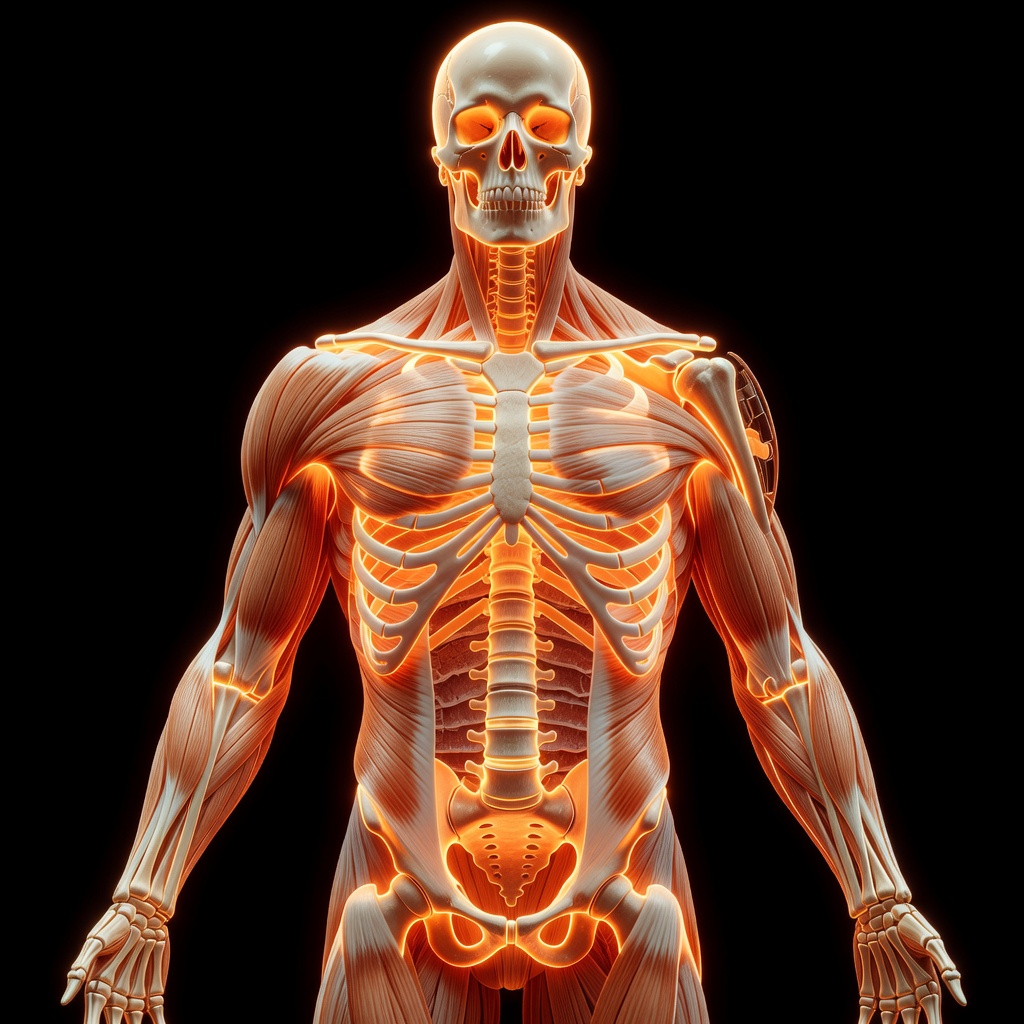
Cysts, the second component of this condition, are essentially fluid-filled sacs. Biomechanically, a cyst forms when a terminal duct becomes blocked or when fluid becomes trapped within the lobules due to surrounding tissue pressure. These are not merely random growths; they are the physical manifestations of a drainage system that has been overwhelmed. ## The Lymphatic Relationship The lymphatic system is the primary drainage route for the breast's interstitium. Approximately 75% of the lymph from the breast drains into the axillary (underarm) nodes, while the remainder flows toward the internal mammary nodes behind the sternum. Any restriction along these pathways creates a 'backlog.' For instance, tension in the pectoralis minor muscle or restricted movement in the glenohumeral (shoulder) joint can physically compress lymphatic vessels, reducing their carrying capacity.
Furthermore, the lymphatic system relies on the 'thoracic pump'—the movement of the diaphragm during deep breathing—to pull fluid upward toward the subclavian veins. Shallow, apical breathing, common in high-stress environments, significantly impairs this vital drainage mechanism. ## Root Causes: Why Does the Flow Stop? To address the root cause of breast congestion, we must look at the factors that impede fluid dynamics. 1. Restrictive Clothing: The most common mechanical impediment is the underwired bra. By applying constant pressure to the infra-mammary fold and the axillary tail, restrictive garments act as a tourniquet, preventing the natural outward flow of lymph. 2.
Postural Stagnation: Many of us spend hours in a 'hunched' position over computers. This collapses the chest, shortens the pectoral muscles, and compresses the lymphatic gateways. 3. Sedentary Lifestyle: Without the 'muscle pump' of the arms and upper body, interstitial fluid has no impetus to move. 4. Dehydration and Diet: A lack of water intake increases the viscosity of interstitial fluid, making it harder to move. Similarly, a diet high in processed salts and inflammatory fats can alter the osmotic pressure within the tissue, leading to fluid retention. ## Restoring Vitality: Strategies for Drainage Empowering ourselves with the tools to manage breast health involves restoring the 'flow.' 1.
Manual Lymphatic Drainage
(MLD): Gentle, rhythmic skin-stretching techniques can stimulate the lymphangions (the 'hearts' of the lymph vessels) to increase their contraction rate.
This clears the interstitial space and reduces tissue pressure. 2. Movement as Medicine: Incorporating 'arm-swinging' exercises, rebounding, or yoga focuses on opening the chest and axilla. This provides the mechanical stimulus necessary for fluid movement. 3. Breathwork: Practising diaphragmatic breathing creates a pressure vacuum in the thoracic cavity, facilitating the upward movement of lymph from the breast and abdomen. 4. Bra-Free Time: Allowing the breast tissue to move naturally and removing restrictive wires for significant portions of the day can immediately improve interstitial clearance. ## Conclusion Fibrocystic breast changes and chronic congestion are not inevitable burdens of womanhood.
By understanding the biomechanical laws of interstitial fluid dynamics, we shift from a paradigm of 'managing symptoms' to one of 'facilitating flow.' When we move our bodies, breathe deeply, and respect the mechanical needs of our lymphatic system, we create an internal environment where breast tissue can remain healthy, vibrant, and free from the stagnation that leads to disease. At INNERSTANDING, we believe that education is the first step toward this sovereignty. Your breast health is not just about hormones; it is about the dance of fluids within.
This article is provided for informational and educational purposes only. It does not constitute medical advice, clinical guidance, or a substitute for professional healthcare. Information reflects cited research at time of publication. Always consult a qualified healthcare professional before acting on any health information.
RESEARCH FOUNDATIONS
Biological Credibility Archive
Citations provided for educational reference. Verify via PubMed or institutional databases.
Medical Disclaimer
The information in this article is for educational purposes only and does not constitute medical advice, diagnosis, or treatment. Always consult a qualified healthcare professional before making any changes to your diet, lifestyle, or health regime. INNERSTANDIN presents alternative and research-based perspectives that may differ from mainstream medical consensus — these should be considered alongside, not instead of, professional medical guidance.
Read Full DisclaimerReady to learn more?
Continue your journey through our classified biological research.
DISCUSSION ROOM
Members of THE COLLECTIVE discussing "Interstitial Fluid Dynamics: Understanding the Biomechanics of Breast Tissue Congestion and Fibrocystic Changes"
SILENT CHANNEL
Be the first to discuss this article. Your insight could help others understand these biological concepts deeper.
THE ARSENAL
Based on Breast Health & Lymphatic Drainage — products curated by our research team for educational relevance and biological support.

Magnesium Blend – The Most Important Mineral

Clean Slate – Detoxes thousands of chemicals,heavy metals, pesticides, allergens, mold spores and fungus

Vegan Essential Amino Acids – Plant-Powered Protein Building
INNERSTANDING may earn a commission on purchases made through these links. All products are selected based on rigorous educational relevance to our biological research.
RABBIT HOLE
Follow the biological thread deeper