Iron Overload and Oxidative Stress: Mechanistic Insights into Bone Marrow Failure Syndromes
Discuss this resourceUpdated August 2026
An in-depth analysis of how iron accumulation leads to oxidative damage and hematopoietic dysfunction, driving the pathology of bone marrow failure syndromes.
Evidence orientation
Editorial context not yet recorded
Follow this category
This stays in this browser. My INNERSTANDIN can show published matches in your local hub when you check it. It does not send email, push, or alert notifications.
Local learning review
A private browser aid for revisiting ideas. It is not an alert or a health recommendation.
Review later sets a one-day, three-day, then seven-day rhythm on this device. Choose it only when you want to revisit this article.
In the landscape of haematology, the bone marrow serves as the factory of life, constantly churning out erythrocytes, leukocytes, and platelets. However, this delicate process is highly sensitive to the presence of free iron. While iron is essential for oxygen transport and cellular energy, excess iron acts as a toxic catalyst, driving the pathology of Bone Marrow Failure Syndromes (BMFS).
The Biochemistry of Iron Toxicity
Iron becomes pathological when it overwhelms the body’s binding proteins, such as transferrin and ferritin. When these systems are saturated, "Non-Transferrin-Bound Iron" (NTBI) appears in the blood. NTBI is unstable and prone to cellular uptake, where it participates in the Fenton reaction. In this chemical cycle, ferrous iron reacts with hydrogen peroxide to produce hydroxyl radicals—the most aggressive reactive oxygen species (ROS) known to human physiology.
Oxidative Stress and Haematopoiesis
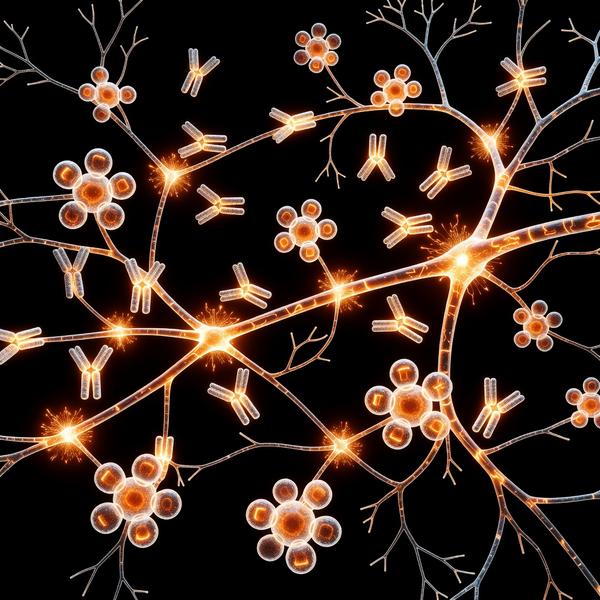
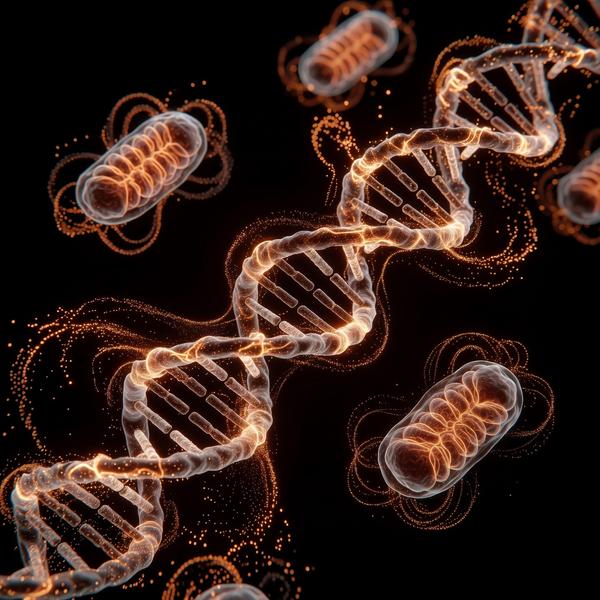
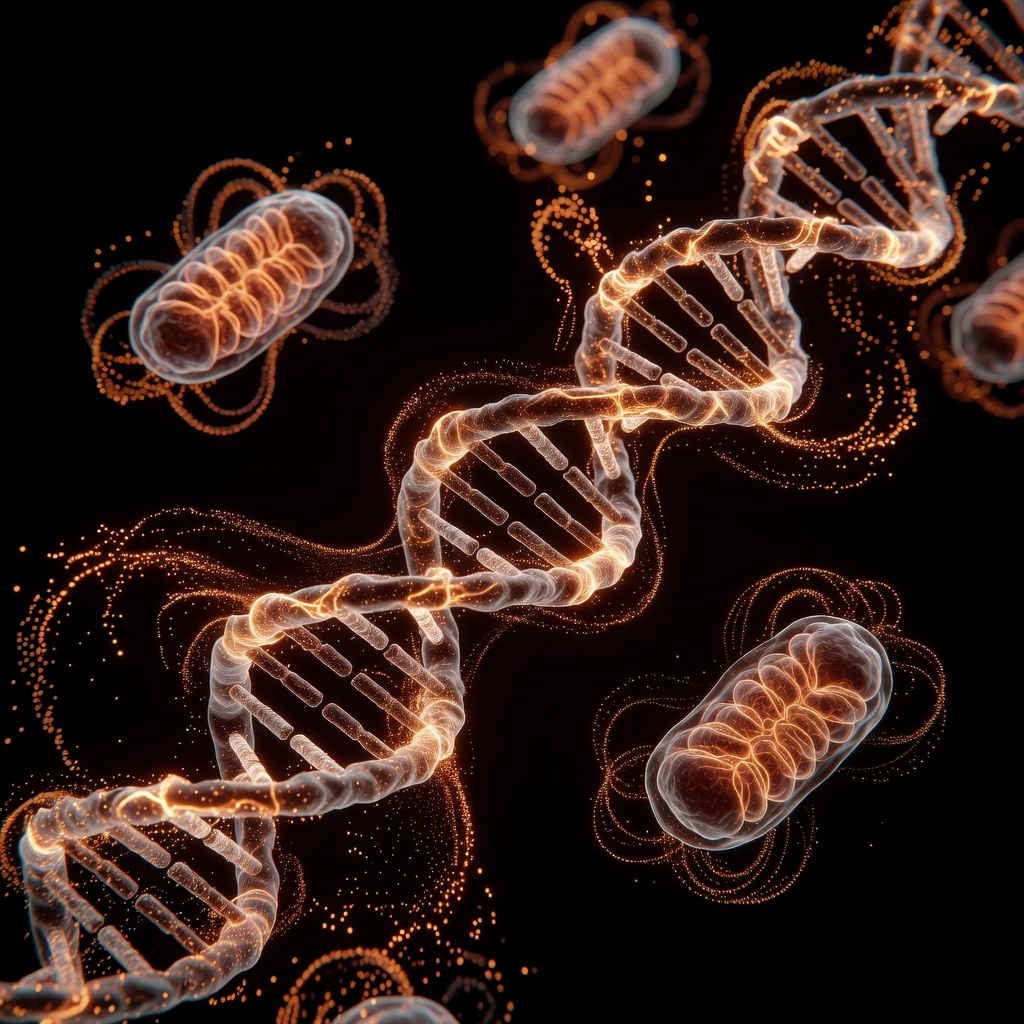
Haematopoietic Stem Cells (HSCs) are particularly vulnerable to these hydroxyl radicals. Chronic oxidative stress induced by iron overload forces these cells into premature senescence or apoptosis. The oxidative damage impacts the mitochondrial DNA (mtDNA) within the bone marrow microenvironment, leading to a breakdown in the signalling pathways required for steady-state blood production. Consequently, the marrow becomes a site of chronic inflammation and structural degradation.
Mechanistic Links to BMFS
Conditions like Myelodysplastic Syndromes (MDS) and Aplastic Anaemia are often exacerbated by this cycle. Iron overload, frequently seen in patients requiring chronic transfusions, creates a feedback loop:
- Cellular Damage: ROS induces mutations and impairs the DNA repair mechanisms of HSCs.
- Microenvironmental Disruption: The marrow stroma becomes fibrotic and inflammatory, preventing healthy stem cells from nesting successfully.
- Clonal Evolution: The constant oxidative pressure may select for mutant clones that are resistant to apoptosis, potentially paving the way for leukaemic transformation.
Root-Cause Management and Future Horizons
Understanding that iron overload is not merely a side effect of treatment, but an active driver of disease progression, is vital. Therapeutic strategies now focus on iron chelation therapy not just for systemic clearance, but for targeted marrow protection. Antioxidant support and the mitigation of secondary iron accumulation are increasingly viewed as foundational elements of haematological care. By prioritising the redox homeostasis of the bone marrow niche, we move closer to halting the progression of failure syndromes at their source.
This article is provided for informational and educational purposes only. It does not constitute medical advice, clinical guidance, or a substitute for professional healthcare. Information reflects cited research at time of publication. Always consult a qualified healthcare professional before acting on any health information.
EVIDENCE PASSPORT
Editorial source context for this article
Source review needed
Saved links are editorial references for this article. They may support specific claims rather than every sentence. Open and assess each source in context. This passport does not independently verify them.
Editorial context
A complete editorial reading has not been recorded for this article, and no source links are saved on its record.
Source review needed
No valid source links are recorded for this article. Supplementary research, where available, is listed separately below.
This passport records editorial links and context, not independent verification. Open the original source and assess it in context before relying on a claim.
Medical Disclaimer
The information in this article is for educational purposes only and does not constitute medical advice, diagnosis, or treatment. Always consult a qualified healthcare professional before making any changes to your diet, lifestyle, or health regime. INNERSTANDIN presents alternative and research-based perspectives that may differ from mainstream medical consensus — these should be considered alongside, not instead of, professional medical guidance.
Read Full DisclaimerContinue the thread
Keep this question moving.
Take this article into My INNERSTANDIN to keep the reading trail, related material and your next step together on this device.
RABBIT HOLE
Follow the biological thread deeper