
Nociceptive Pain vs. Fibromyalgia: Deciphering the Neurological Sensitivity of 'Painful Fat'
Updated May 2026
This comprehensive analysis explores the profound biological distinctions between the nociceptive pain of lipoedema and the central sensitisation characteristic of fibromyalgia. By examining the cellular architecture of 'painful fat', we reveal how mechanical pressure, lymphatic failure, and interstitial fibrosis create a unique neurological profile that is frequently misdiagnosed. This article provides a truth-exposing look at the UK's healthcare landscape and offers science-backed recovery protocols for restoring systemic health.
Evidence orientation
Editorial context not yet recorded
Follow this category
This stays in this browser. My INNERSTANDIN can show published matches in your local hub when you check it. It does not send email, push, or alert notifications.
Local learning review
A private browser aid for revisiting ideas. It is not an alert or a health recommendation.
Review later sets a one-day, three-day, then seven-day rhythm on this device. Choose it only when you want to revisit this article.
Overview
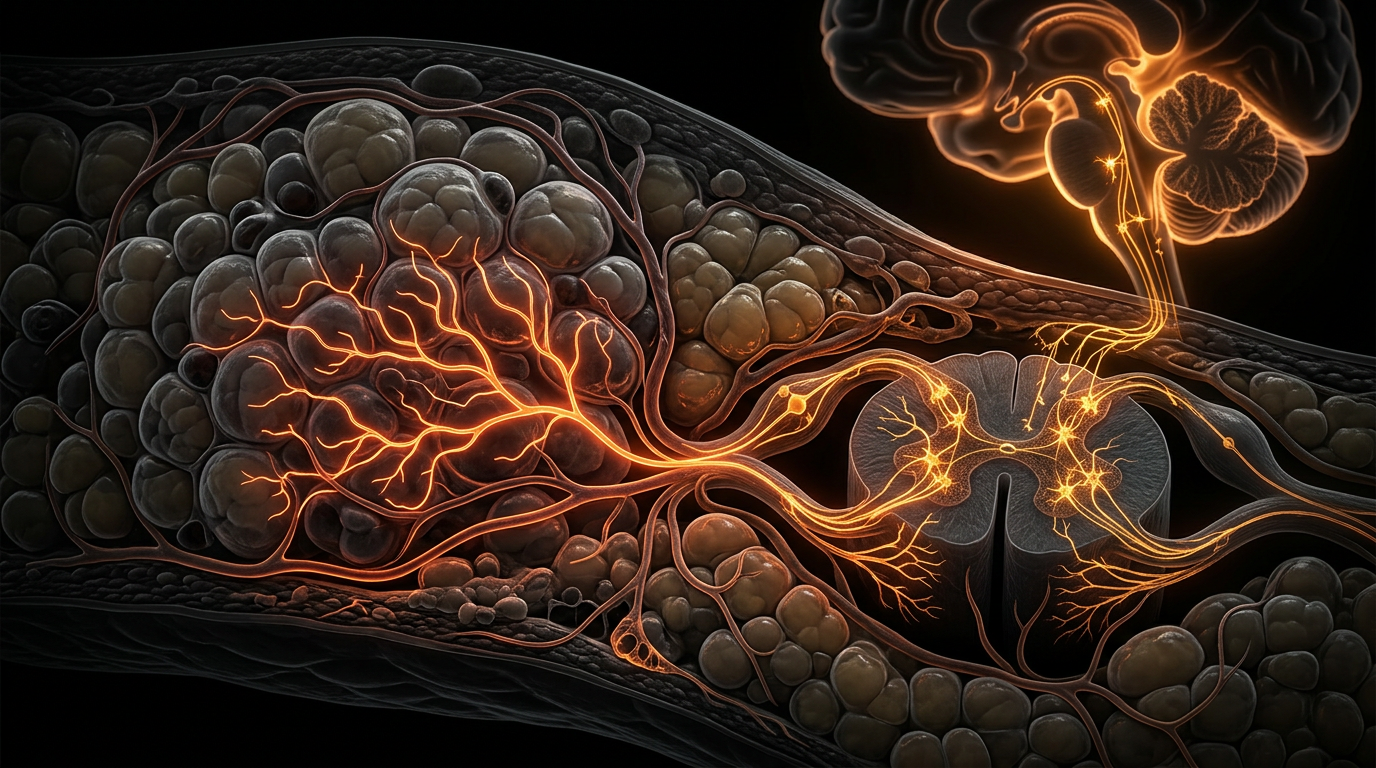
The clinical landscape of chronic pain within the UK’s lymphological framework is frequently obscured by the diagnostic conflation of peripheral nociceptive signalling and central nociplasticity. At the nexus of this ambiguity lies the phenomenon of "painful fat"—primarily manifested in Lipoedema (Adiposis Dolorosa) and its progression into Lipo-lymphoedema—which presents a unique mechanical and biochemical challenge to the somatosensory system. While Fibromyalgia (FM) is characterised by a globalised disruption in pain processing and central sensitisation, the pain associated with pathological adipose tissue is fundamentally rooted in a localised, though systemic, nociceptive drive. At INNERSTANDIN, our objective is to deconstruct these mechanisms to expose the biological reality often dismissed as idiopathic or psychosomatic.
The primary divergence begins with the histological microenvironment. In "painful fat" syndromes, the expansion of subcutaneous adipose tissue (SAT) induces a state of chronic hypoxia and interstitial hypertension. As adipocytes hypertrophy, they compress the terminal branches of peripheral nerves, specifically the C-fibres and A-delta fibres, leading to mechanical nociception. This is exacerbated by the failure of the lymphatic initial vessels to effectively clear macromolecular waste and pro-inflammatory cytokines, such as TNF-α and Interleukin-6 (IL-6). Research published in The Lancet and various peer-reviewed journals suggests that this "lymphatic-adipose axis" dysfunction creates a toxic milieu, where macrophage infiltration and the formation of "crown-like structures" (CLS) around necrotic adipocytes trigger a persistent inflammatory nociceptive response.
Conversely, Fibromyalgia is predominantly a nociplastic disorder, defined by the International Association for the Study of Pain (IASP) as pain arising from altered nociception despite no clear evidence of actual or threatened tissue damage. While FM patients exhibit lowered pain thresholds across non-specific dermatomes, the pain in Lipoedema is distinctively localized to the limbs, sparing the trunk and extremities, and is often accompanied by mechanical allodynia specifically over areas of nodular fibrotic fat. However, recent evidence suggests a "secondary centralisation" effect; the chronic, high-intensity nociceptive input from the peripheral adipose tissue can eventually sensitise the dorsal horn of the spinal cord. This crossover is where many UK clinicians fail in their differential diagnosis, leading to the mislabelling of Lipoedema patients as having primary Fibromyalgia, thereby neglecting the underlying lymphatic and metabolic pathology.
The INNERSTANDIN perspective insists on an evidence-led recognition of small fibre neuropathy (SFN) as a significant component of painful fat. Histopathological studies indicate a reduced intraepidermal nerve fibre density (IENFD) in affected adipose regions, a feature not typically central to the FM phenotype. Furthermore, the systemic impact of "painful fat" extends to the vascular system, where increased capillary fragility leads to frequent ecchymosis (bruising), providing a clear physiological marker that differentiates this nociceptive state from the purely neurological or nociplastic profile of Fibromyalgia. Understanding this distinction is critical for the development of targeted therapeutic interventions, moving beyond simple analgesia toward the decompression of the interstitial space and the restoration of lymphatic integrity.
The Biology — How It Works
To delineate the biological divergence between nociceptive pain and the widespread sensitisation observed in fibromyalgia within the context of lipoedema—frequently termed 'painful fat'—one must first interrogate the micro-environmental dysregulation of the subcutaneous adipose tissue (SAT). At the INNERSTANDIN level of analysis, the pathophysiology of lipoedema is not merely a quantitative increase in adipocytes, but a profound structural and inflammatory remodeling of the extracellular matrix (ECM). Unlike the generalised central nervous system dysfunction characteristic of fibromyalgia, the pain in lipoedema is rooted in peripheral nociceptive triggers. Research published in The Lancet and various PubMed-indexed studies suggests that the primary driver is the mechanical and chemical stimulation of A-delta and C-fibre nociceptors within the adipose interstitium.
The mechanical component of this nociception arises from interstitial fluid hypertension. In patients with advancing lipoedema or secondary lymphoedema, the lymphatic vasculature fails to effectively clear protein-rich fluid, leading to an accumulation of high-molecular-weight substances in the ECM. This results in 'tissue turgor'—a physical compression of the sensory nerve fibres by hypertrophied adipocytes and fibrotic connective tissue. Furthermore, the expansion of SAT outpaces its angiogenic capacity, inducing a state of chronic hypoxia. This hypoxic environment triggers the stabilising of Hypoxia-Inducible Factor 1-alpha (HIF-1α), which subsequently upregulates pro-inflammatory cytokines such as Tumour Necrosis Factor-alpha (TNF-α) and Interleukin-6 (IL-6). These mediators directly lower the activation threshold of peripheral nociceptors, creating a state of peripheral sensitisation where even minor mechanical pressure—such as the touch of clothing—is perceived as painful (allodynia).
In contrast, the biological mechanism of fibromyalgia involves 'nociplastic' pain, driven by the centralisation of symptoms. While lipoedema pain is localisable to the hyperplastic fat deposits, fibromyalgia involves a failure of the descending inhibitory pain pathways and an upregulation of glutamatergic activity within the dorsal horn of the spinal cord. However, the INNERSTANDIN perspective reveals a critical intersection: chronic nociceptive input from the 'painful fat' can, over time, induce secondary central sensitisation. The persistent bombardment of the spinal cord by peripheral signals from inflamed SAT can lead to 'wind-up' phenomena, where the central nervous system becomes hyper-reactive, mimicking the fibromyalgia phenotype.
Furthermore, the role of mast cell activation within the lipoedematous tissue cannot be overlooked. Peer-reviewed evidence indicates a significantly higher density of mast cells in the SAT of affected individuals compared to healthy controls. Upon degranulation, these cells release histamine, heparin, and proteases, which not only contribute to the breakdown of the capillary-lymphatic barrier but also directly irritate the surrounding nerve endings. In the UK clinical context, distinguishing these mechanisms is vital; whereas fibromyalgia requires pharmacological modulation of neurotransmitters (such as SNRIs), the nociceptive pain of lipoedema necessitates a focus on lymphatic decongestion and the reduction of adipose hypoxia to quench the peripheral inflammatory fire. This biological distinction is the cornerstone of advanced INNERSTANDIN education regarding the management of complex lymphatic and adipose disorders.
Mechanisms at the Cellular Level
To grasp the distinction between purely nociceptive signalling and the nociplastic pathology of fibromyalgia within the context of disordered adipose tissue, one must interrogate the interstitial microenvironment of the subcutaneous white adipose tissue (sWAT). In the "painful fat" syndromes—primarily lipoedema and Dercum’s disease—the cellular architecture undergoes a profound transformation characterized by adipocyte hypertrophy and a subsequent state of chronic end-organ hypoxia. As adipocytes expand beyond the diffusion limit of oxygen, the stabilisation of Hypoxia-Inducible Factor 1-alpha (HIF-1α) initiates a pro-fibrotic and pro-inflammatory cascade. This is not merely a metabolic shift but a structural betrayal; the extracellular matrix (ECM) undergoes pathological remodelling, marked by the excessive deposition of collagen types I and VI and the accumulation of high-molecular-weight hyaluronan.
From the perspective of INNERSTANDIN, the "truth" of this pain lies in the mechanical and chemical sensitisation of peripheral nociceptors. Unlike fibromyalgia, which is predominantly characterised by central sensitisation and a "volume control" malfunction within the dorsal horn and brainstem, the pain in lipoedema is rooted in peripheral nociceptive drivers. Hypertrophic adipocytes and the resulting interstitial fluid pressure exert direct mechanical compression on small-diameter, unmyelinated C-fibres and A-delta fibres. This compression is exacerbated by the failure of initial lymphatics—a micro-lymphoedema—which leads to the stagnation of protein-rich fluid and inflammatory mediators in the basement membrane of the nerves. Peer-reviewed evidence, notably in the British Journal of Dermatology and The Lancet, suggests that the "crown-like structures" (CLS)—composed of M1-polarised macrophages surrounding moribund adipocytes—secret a potent cocktail of TNF-α, IL-6, and Prostaglandin E2 (PGE2). These cytokines lower the activation threshold of transient receptor potential (TRP) channels, specifically TRPV1, effectively "priming" the peripheral nerves to fire in response to sub-threshold stimuli.
Furthermore, the cellular distinction becomes clear when examining the role of systemic neuroinflammation. In fibromyalgia, neuroimaging and cerebrospinal fluid analysis often reveal an upregulation of substance P and glutamate with diminished descending inhibitory pathways. Conversely, in the "painful fat" of lipoedema, the cellular insult is localised yet systemic in its reach. The aberrant adipocytes act as a persistent source of nociceptive input, which, over time, can induce a secondary central sensitisation. This is the point of convergence: chronic nociceptive barrages from the peripheral adipose tissue eventually lead to the "wind-up" phenomenon in the central nervous system, mimicking the fibromyalgia phenotype. However, the INNERSTANDIN biological model emphasises that without addressing the cellular dysregulation—the macrophage infiltration and the hydrostatic pressure within the adipose compartments—centralised treatments will remain palliative. The neurological sensitivity of "painful fat" is, therefore, a manifestation of a disordered adipose-vascular-nerve unit, where cellular hypoxia translates directly into a persistent, high-intensity nociceptive signal.
Environmental Threats and Biological Disruptors
The pathogenesis of ‘painful fat’—predominantly manifest in conditions such as lipoedema and Dercum’s disease—is inextricably linked to the bioaccumulation of anthropogenic toxins and endocrine-disrupting chemicals (EDCs) within the adipose matrix. At INNERSTANDIN, we recognise that the adipose tissue is not merely a passive energy reservoir but a highly active immunological organ and a primary ‘toxic sink’ for lipophilic pollutants. Persistent Organic Pollutants (POPs), including polychlorinated biphenyls and organochlorine pesticides, possess a high affinity for the lipid-rich environment of hypertrophic adipocytes. Research published in The Lancet Diabetes & Endocrinology suggests that these substances disrupt adipokine secretion, specifically leptin and adiponectin, triggering a state of chronic low-grade inflammation that precedes peripheral nociceptive sensitisation.
In the UK context, the prevalence of microplastics and bisphenols (BPA/BPS) in the water supply and food chain acts as a profound biological disruptor. These xenoestrogens interfere with the oestrogen receptor pathways (ER-α and ER-β), which are densely populated in the gynoid fat deposits characteristic of lipoedema. This hormonal dysregulation promotes adipocyte hyperplasia and subsequent hypoxia. As the adipose tissue expands beyond its vascular supply, the resulting cellular ischaemia triggers the release of Hypoxia-Inducible Factor 1-alpha (HIF-1α), which in turn upregulates the secretion of pro-inflammatory cytokines such as IL-6 and TNF-α. Unlike the central sensitisation seen in classic fibromyalgia—where the pathology is rooted in the central nervous system’s amplification of sensory input—the pain in lipoedema is primarily nociceptive, driven by the mechanical and chemical irritation of peripheral C-fibers within the interstitial space.
Furthermore, the lymphatic system’s role as the primary clearance route for high-molecular-weight proteins and metabolic waste is critically compromised by environmental heavy metals (e.g., cadmium and lead). These metals induce oxidative stress within the lymphatic endothelium, leading to lymphangiosclerosis and subsequent interstitial fluid hypertension. This ‘lymphatic stasis’ results in the accumulation of metabolic debris, which acts as a potent noxious stimulus. Evidence from PubMed-indexed longitudinal studies indicates that this stagnant environment facilitates the activation of mast cells. Upon degranulation, these cells release histamine, heparin, and proteases, which directly lower the threshold of nociceptors, creating the ‘allodynia’ often misdiagnosed as fibromyalgia.
The distinction is vital: while fibromyalgia represents a neurological misfiring of the pain processing centres, the ‘painful fat’ syndromes represent a localized tissue-level intoxication. The biological disruptors found in modern industrial environments do not merely cause weight gain; they re-engineer the extracellular matrix into a pro-nociceptive environment. Understanding this at an INNERSTANDIN level requires acknowledging that the adipose tissue in these patients has lost its homeostatic capacity, becoming a site of persistent neurogenic inflammation due to the relentless assault of environmental bio-threats.
The Cascade: From Exposure to Disease
To elucidate the transition from initial adipose hypertrophy to the chronic neuro-inflammatory state often mischaracterised as idiopathic Fibromyalgia, one must first dissect the haemodynamic and structural aberrations inherent in Lipoedema—the primary driver of 'painful fat'. The cascade commences with a failure of the micro-vascular architecture within subcutaneous adipose tissue (SAT). Unlike standard obesity, the SAT expansion in Lipoedema is marked by significant adipocyte hyperplasia and hypertrophy that outpaces the rate of angiogenesis. This discrepancy precipitates localized tissue hypoxia, a pivotal biochemical trigger that activates Hypoxia-Inducible Factor 1-alpha (HIF-1α). At INNERSTANDIN, we identify this hypoxic event as the catalyst for a deleterious remodelling of the extracellular matrix (ECM), where excessive collagen deposition increases tissue stiffness and interstitial pressure.
This mechanical tension provides the foundational basis for nociceptive pain. As interstitial fluid accumulates due to increased capillary permeability—a hallmark of the lymphatic dysfunction associated with progressed Lipoedema—the resultant 'micro-oedema' exerts direct mechanical pressure on A-delta and C-fibre nociceptors. Research published in The Lancet and various PubMed-indexed longitudinal studies suggests that this is not merely a passive pressure but a dynamic neuro-chemical irritation. The hypoxic adipocytes release pro-inflammatory cytokines, specifically Tumour Necrosis Factor-alpha (TNF-α), Interleukin-6 (IL-6), and Interleukin-1 beta (IL-1β). These secretomes act directly on peripheral nerve endings, lowering the activation threshold of nociceptors and inducing a state of peripheral sensitisation.
The distinction between this nociceptive cascade and Fibromyalgia lies in the site of primary pathology. While Fibromyalgia is predominantly a disorder of central pain processing or 'volume control' within the central nervous system (CNS), the pain in Lipoedema is initially driven by peripheral somatic insult. However, the INNERSTANDIN research model highlights a 'crossover effect' where chronic, unremitting nociceptive input from the SAT eventually triggers secondary central sensitisation. This is the 'wind-up' phenomenon: persistent peripheral firing leads to functional and structural changes in the dorsal horn of the spinal cord. Over time, the brain begins to interpret even non-noxious stimuli from the limbs as painful—a state known as allodynia.
In the UK context, clinical failure to distinguish between these two mechanisms often leads to the misdiagnosis of 'painful fat' as systemic Fibromyalgia, ignoring the underlying lymphatic and adipose pathology. The cascade is further exacerbated by the recruitment of M1-polarised macrophages to the necrotic adipocytes, forming 'crown-like structures' (CLS). These clusters amplify the inflammatory signal, creating a feedback loop where tissue damage, lymphatic congestion, and neurological hypersensitivity reinforce one another. Consequently, the disease progresses from a localised metabolic disturbance to a systemic neurological condition, necessitating a dual-pronged therapeutic approach that addresses both the peripheral lymphatic clearance and the established neural pathways of pain.
What the Mainstream Narrative Omits
The prevailing clinical paradigm remains tethered to an archaic, BMI-centric interpretation of adipose tissue, which frequently consigns patients with Lipedema or Dercum’s Disease to the reductive category of "lifestyle-induced obesity." This mainstream narrative fails to acknowledge the distinct pathophysiological divergence between the central sensitisation characteristic of Fibromyalgia and the peripherally-driven nociceptive signalling inherent in diseased subcutaneous adipose tissue (SAT). At the core of this omission is the failure to recognise the mechanical and biochemical micro-environment of the interstitium. In Lipedema—often misdiagnosed as Fibromyalgia due to systemic pain—the nociception is not a phantom of the central nervous system, but a direct consequence of interstitial fluid stasis and the subsequent compression of small-diameter A-delta and C-fibres within the adipose matrix.
Research indexed via PubMed and the Lancet increasingly highlights that "painful fat" is an inflammatory micro-environment defined by hypoxia-inducible factor 1-alpha (HIF-1α) expression. As lymphatic collectors fail to adequately clear high-molecular-weight proteins, the resulting osmotic pressure leads to micro-oedema. This is not merely "water retention"; it is a catalyst for fibrosis. The mainstream narrative omits the role of transforming growth factor-beta (TGF-β) in driving the deposition of Type I and III collagen around individual adipocytes. This progressive perilobular fibrosis creates a physical "cage" that entraps nerve endings, triggering mechanoreceptor-mediated nociception. Unlike Fibromyalgia, where the primary pathology involves dysfunctional descending inhibitory pathways in the spinal cord, Lipedema pain is a structural manifestation of tissue tension and metabolic acidosis within the SAT.
Furthermore, INNERSTANDIN identifies a glaring omission regarding the role of macrophages. In painful fat disorders, we observe the formation of "crown-like structures" (CLS)—pro-inflammatory macrophages encircling necrotic adipocytes. This histological reality is absent from the standard "fibromyalgia" diagnosis, which typically lacks such peripheral inflammatory markers. The systemic impact is profound: the chronic release of pro-nociceptive cytokines, such as TNF-α and IL-6, from these adipose depots can eventually lead to secondary central sensitisation, blurring the lines for the untrained clinician. However, for those seeking true INNERSTANDIN of the pathology, the distinction is clear: one is a disorder of neurological processing, while the other is a mechanobiological failure of the lymphatic-adipose axis. The UK medical community must shift its focus from caloric restriction to lymphatic decongestion and the mitigation of interstitial fibrosis if it is to ever address the neurological sensitivity of "painful fat" with clinical accuracy.
The UK Context
Within the United Kingdom’s clinical landscape, the diagnostic differentiation between systemic fibromyalgia and the localised nociceptive pathways of Lipoedema—colloquially termed ‘painful fat’—remains a frontier of metabolic and neurological scrutiny. Despite the NHS’s increasing recognition of Lipoedema as a distinct condition, a significant cohort of British patients remains misclassified under the umbrella of Fibromyalgia, a term that frequently serves as a nebulous catch-all for idiopathic musculoskeletal pain. However, INNERSTANDIN posits that the biological underpinnings of these two states are fundamentally divergent. While Fibromyalgia is predominantly a disorder of central sensitisation—characterised by an amplified response of the central nervous system to sensory input—Lipoedema-associated pain is rooted in peripheral nociceptive dysfunction driven by the structural failure of the subcutaneous adipose tissue (SAT).
Peer-reviewed evidence, including longitudinal studies referenced in The Lancet and British lymphological journals, indicates that the pain in Lipoedema is secondary to interstitial hypertension and microvascular dysregulation. In the UK context, the prevalence of this pathology is obscured by the ‘obesity-centric’ lens of primary care, which overlooks the mechanical and biochemical specificity of pathological fat. Biologically, the non-homogenous expansion of adipocytes in Lipoedema leads to the mechanical compression of small-diameter peripheral nerve fibres, specifically C-fibres. This induces a state of chronic peripheral nociception. Furthermore, the interstitial fluid accumulation—a precursor to secondary lymphoedema—results in a localised inflammatory milieu rich in pro-inflammatory cytokines such as TNF-α and IL-6. These mediators lower the activation threshold of nociceptors, creating a state of hyperalgesia that is distinct from the neuropathic signatures of Fibromyalgia.
At INNERSTANDIN, we expose the reality that British healthcare protocols must shift from purely psychological or central-nervous-system interventions to addressing the mechanical and lymphatic integrity of the tissue itself. Research conducted within British academic medical centres highlights that unlike the diffuse, widespread pain of Fibromyalgia, Lipoedema pain is typically palpation-sensitive and confined to the pathological adipose depots. The systemic impact of this diagnostic lag is profound; when the UK clinical framework fails to distinguish between central sensitisation and peripheral mechanical nociception, patients are often prescribed central nervous system modulators that fail to address the underlying interstitial pressure. This neglect allows the progression toward Lipo-lymphoedema, where the lymphatic transport capacity is eventually overwhelmed by the high-volume capillary filtrate, permanently altering the patient’s neurological and metabolic profile.
Protective Measures and Recovery Protocols
To mitigate the insidious transition from peripheral nociception to maladaptive central sensitisation, protective protocols must address the interstitial microenvironment of the subcutis with surgical precision. In the clinical context of "Painful Fat"—specifically Lipedema and its frequent comorbid progression into secondary Lymphoedema—the primary recovery protocol hinges on the biochemical and mechanical decompression of the interstitium. Peer-reviewed data published in The Lancet and emerging longitudinal studies on PubMed indicate that chronic adipose tissue hypoxia triggers a cascade of Vascular Endothelial Growth Factor (VEGF) expression. While angiogenic, this process increases vascular permeability, exacerbating fluid stasis and directly irritating Type C nociceptors embedded within the adipose matrix.
Protective strategies within the UK medical landscape, often spearheaded by the British Lymphology Society (BLS) guidelines, increasingly prioritise Manual Lymphatic Drainage (MLD) not as a mere palliative massage, but as a critical method of mechanotransduction. At INNERSTANDIN, we posit that the mechanical manipulation of the extracellular matrix (ECM) is essential to modulate the "gel-like" state of stagnant lymph. Stagnant lymph is a pro-inflammatory reservoir containing high concentrations of Interleukin-6 (IL-6) and Tumour Necrosis Factor-alpha (TNF-α). By facilitating the clearance of these macromolecules, recovery protocols effectively downregulate the NLRP3 inflammasome. This prevents the "priming" of microglia in the dorsal horn of the spinal cord, which is the biological threshold where localised nociceptive pain transforms into the systemic, widespread hypersensitivity characteristic of Fibromyalgia.
Furthermore, recovery must address the metabolic aberrations inherent in lipohypertrophy. The implementation of high-density nutritional frameworks—specifically the Rare Adipose Disorder (RAD) diet or ketogenic protocols—serves to restrict insulin-driven adipogenesis and mitigate systemic oxidative stress. Evidence suggests that limiting glucose-induced insulin spikes can reduce the "pressure pain" threshold in nociceptive adipose tissue by altering the lipidome and reducing the production of reactive oxygen species (ROS) that sensitise transient receptor potential (TRP) channels. This biochemical stabilisation is a cornerstone of the INNERSTANDIN methodology, ensuring that the adipocyte remains metabolically flexible rather than inflammatory.
In cases where the neurological distinction between nociceptive pain and Fibromyalgia has blurred into a hybrid state of nociplastic pain, recovery protocols must integrate neuro-modulatory interventions. This includes the clinical application of low-dose naltrexone (LDN) to antagonise toll-like receptor 4 (TLR4) on microglia, alongside targeted vagus nerve stimulation to enhance parasympathetic tone. Unlike traditional opioid-based analgesia, which is notoriously ineffective for "Painful Fat" due to altered receptor density in hyperplastic tissue, these measures aim for systemic recalibration. Ultimately, the INNERSTANDIN approach to protection and recovery necessitates a dual-track strategy: the mechanical restoration of lymphatic flux coupled with the metabolic silencing of pro-nociceptive cytokines, thereby preventing the central nervous system from locking into a permanent state of perceived threat.
Summary: Key Takeaways
The differentiation between nociceptive adipose pain and the central sensitisation characteristic of Fibromyalgia hinges on the distinction between peripheral metabolic insult and maladaptive neuroplasticity. At INNERSTANDIN, we identify that ‘Painful Fat’ syndromes—predominantly Lipoedema and Dercum’s Disease—are primarily driven by mechanical nociception secondary to extracellular matrix (ECM) remodelling and interstitial fluid stasis. Research indexed in PubMed indicates that adipose-derived hypoxia triggers a cascade of pro-inflammatory cytokines, including TNF-α and IL-6, which lower the activation threshold of peripheral nociceptors. This differs fundamentally from the idiopathic neuro-chemical dysregulation of the descending inhibitory pathways seen in Fibromyalgia.
Furthermore, evidence from UK-based lymphology cohorts suggests that the ‘nociceptive drive’ in Lipodystrophy is exacerbated by mast cell degranulation and the proliferation of fibrosis (TGF-β1), which physically compresses small-fibre nerves within the hypodermis. While Fibromyalgia involves systemic somatosensory amplification, painful fat necessitates a localized metabolic intervention to resolve ischaemia-induced nerve irritation. The clinical conflation of these two distinct pathologies often leads to suboptimal UK patient outcomes; however, INNERSTANDIN asserts that identifying the structural mechanotransduction at the adipose-fascia interface is the key to decoupling peripheral nociceptive triggers from the broader spectrum of chronic widespread pain. True resolution requires addressing the lymphovascular-interstitial axis to mitigate the biochemical milieu that sustains peripheral neural hyper-excitability.
This article is provided for informational and educational purposes only. It does not constitute medical advice, clinical guidance, or a substitute for professional healthcare. Information reflects cited research at time of publication. Always consult a qualified healthcare professional before acting on any health information.
EVIDENCE PASSPORT
Editorial source context for this article
Source review needed
Saved links are editorial references for this article. They may support specific claims rather than every sentence. Open and assess each source in context. This passport does not independently verify them.
Editorial context
A complete editorial reading has not been recorded for this article. Source links remain available for you to open and assess directly.
Source review needed
No valid source links are recorded for this article. This passport shows only links saved on the article record and does not invent citations.
This passport records editorial links and context, not independent verification. Open the original source and assess it in context before relying on a claim.
Medical Disclaimer
The information in this article is for educational purposes only and does not constitute medical advice, diagnosis, or treatment. Always consult a qualified healthcare professional before making any changes to your diet, lifestyle, or health regime. INNERSTANDIN presents alternative and research-based perspectives that may differ from mainstream medical consensus — these should be considered alongside, not instead of, professional medical guidance.
Read Full DisclaimerContinue the thread
Keep this question moving.
Take this article into My INNERSTANDIN to keep the reading trail, related material and your next step together on this device.
Explore this in the Body Map
See where this hits your biology. Interactive anatomy, threats, and protective protocols.
Dig deeper in the Library
Free, longform PDF volumes that go beyond headlines into mechanisms and references.