
Metabolic Sabotage: Carbamates and Insulin Sensitivity in the UK Diet
Updated May 2026
Exposure to carbamate residues found in UK-grown vegetables is linked to disrupted glucose metabolism. These chemicals act as obesogens, contributing to the rising prevalence of type 2 diabetes.
Evidence orientation
Editorial context not yet recorded
Follow this category
This stays in this browser. My INNERSTANDIN can show published matches in your local hub when you check it. It does not send email, push, or alert notifications.
Local learning review
A private browser aid for revisiting ideas. It is not an alert or a health recommendation.
Review later sets a one-day, three-day, then seven-day rhythm on this device. Choose it only when you want to revisit this article.
Overview
The United Kingdom is currently grappling with a metabolic health crisis of unprecedented proportions. As of 2024, more than 5 million people in Britain are living with diabetes, with 90% of those cases being Type 2. While the mainstream medical establishment consistently points toward a "lifestyle" etiology—characterised by physical inactivity and high caloric intake—this narrative is increasingly viewed as an oversimplification by those within the advanced biological sciences. At INNERSTANDING, we look beneath the surface of symptomatic medicine to identify the molecular drivers of pathology.
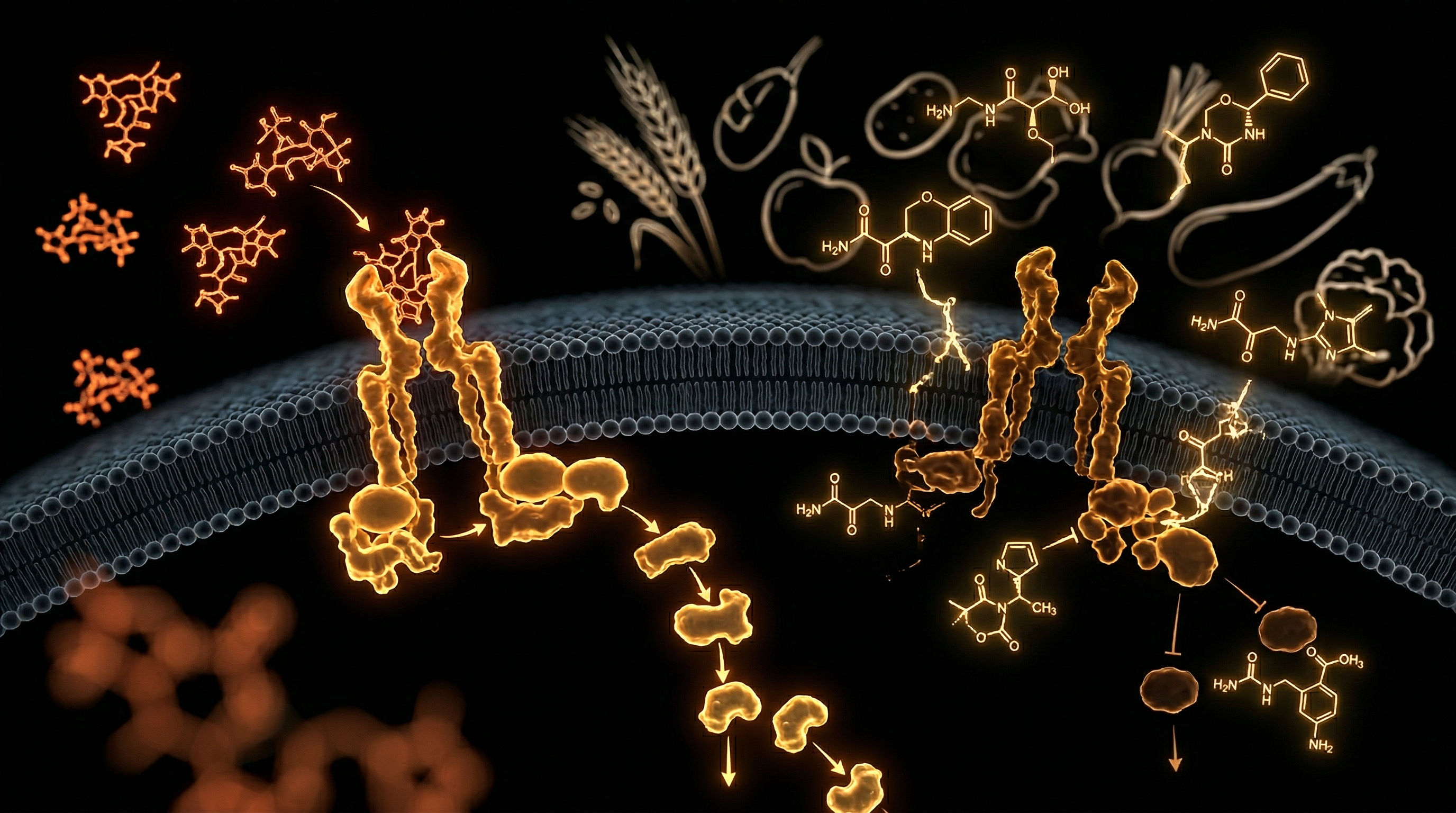
One of the most insidious, yet overlooked, contributors to this epidemic is the chronic, low-level exposure to carbamate pesticides. Used extensively in UK agriculture to control aphids and other pests on staple crops, these chemicals are not merely "residues"; they are potent metabolic disruptors. Carbamates function as acetylcholinesterase inhibitors, a mechanism designed to paralyse the nervous systems of insects. However, emerging proteomic and metabolomic research suggests that in humans, these compounds act as obesogens, directly interfering with the delicate insulin-signalling pathways and mitochondrial function.
This article explores the "Metabolic Sabotage" occurring within the British population. We will dissect how carbamate residues found in our "healthy" greens and fruits facilitate the transition from metabolic flexibility to chronic insulin resistance, and why the current UK regulatory framework is failing to protect the physiological integrity of its citizens.
Key Statistic: According to recent DEFRA (Department for Environment, Food & Rural Affairs) testing, residues of multiple pesticides, including carbamates, were found in over 45% of tested food samples in the UK, with some "healthy" produce items containing up to 10 different chemical residues.
The Biology — How It Works
To understand how a pesticide can induce diabetes, one must first understand the primary target of carbamates: the enzyme acetylcholinesterase (AChE).
The Cholinergic Link to Metabolism
In the traditional toxicological model, carbamates are viewed through the lens of acute neurotoxicity. By binding to AChE, they prevent the breakdown of the neurotransmitter acetylcholine (ACh), leading to overstimulation of the nervous system. However, the cholinergic system is not restricted to the brain and muscles; it plays a fundamental role in the endocrine pancreas and adipose tissue.
The parasympathetic nervous system, via the vagus nerve, uses acetylcholine to signal the beta-cells of the pancreas to secrete insulin in response to a meal. When carbamates enter the system, they disrupt this precise signalling. Chronic inhibition of AChE leads to a state of "cholinergic stress," which can result in:
- Hyperinsulinaemia: An initial over-secretion of insulin as the body misreads cholinergic signals.
- Beta-cell Exhaustion: Over time, the pancreas loses its ability to respond to glucose, leading to the gradual failure of insulin production.
The Obesogen Hypothesis
Carbamates are increasingly classified as obesogens—xenobiotic compounds that foreignly interfere with the development of adipose tissue and the regulation of lipid metabolism. Unlike a simple poison that kills cells, an obesogen reprograms them. They can increase the number of fat cells (adipogenesis) or increase the amount of fat stored within existing cells, all while dulling the body's sensitivity to the very hormone (insulin) meant to manage that energy.
Mechanisms at the Cellular Level
The "sabotage" occurs deep within the architecture of the cell, specifically at the interface of the insulin receptor and the mitochondria.
Disruption of the Insulin Signalling Cascade
When insulin binds to its receptor on a cell (such as a muscle or liver cell), it triggers a relay of proteins. The most critical of these is the Insulin Receptor Substrate 1 (IRS-1). Research indicates that carbamate exposure induces oxidative stress, which activates "stress kinases" like JNK (C-Jun N-terminal kinase).
- Phosphorylation Interference: These stress kinases cause an abnormal phosphorylation of IRS-1. Instead of activating the pathway, they shut it down.
- GLUT4 Sequestration: Under normal conditions, insulin signalling causes GLUT4 (glucose transporter proteins) to move to the cell surface to "scoop up" sugar from the blood. Carbamates prevent this translocation, effectively "locking the door" to glucose. The result is high blood sugar despite high insulin levels—the hallmark of Insulin Resistance.
Mitochondrial Dysfunction and ROS
The mitochondria are the powerhouses of the cell, responsible for turning glucose into ATP (energy). Carbamates have been shown to inhibit the Electron Transport Chain (ETC), specifically Complex I and III.
Scientific Fact: When mitochondrial respiration is hindered by carbamates, the cell produces an excess of Reactive Oxygen Species (ROS). These free radicals damage the mitochondrial DNA and the cell membrane, creating a pro-inflammatory environment that further exacerbates insulin insensitivity.
The Role of PPAR-gamma
PPAR-gamma (Peroxisome Proliferator-Activated Receptor gamma) is often called the "master regulator" of fat metabolism. Some carbamates, like carbaryl, have been shown to act as ligands for this receptor. By artificially activating PPAR-gamma, these chemicals can force undifferentiated stem cells to turn into fat cells, effectively "growing" the body's capacity to store fat while simultaneously breaking the machinery required to burn it.
Environmental Threats and Biological Disruptors
In the UK, the agricultural landscape is heavily reliant on chemical interventions. While some carbamates have been restricted, others remain in common use or enter the food chain through imported produce.
The "Big Three" Carbamates in the UK Diet
- Pirimicarb: Frequently used in the UK on crops such as lettuce, spinach, and strawberries to control aphids. It is highly selective for insects but has shown significant metabolic interference in mammalian models.
- Methiocarb: Historically used as a molluscicide (slug pellets) and bird repellent. While its use has been curtailed, its persistence in soil and potential for groundwater contamination remains a concern for organic-adjacent farming.
- Carbaryl: Though restricted in some areas, it remains a global standard for various fruits. Due to the UK’s reliance on imports, Carbaryl frequently appears in the "Basket of Goods" monitored by regulators.
Cumulative Exposure and the "Cocktail Effect"
The UK’s Expert Committee on Pesticide Residues in Food (PRiF) typically assesses chemicals on an individual basis. However, the human body does not consume these chemicals in isolation.
- Synergism: Carbamates often appear alongside organophosphates or pyrethroids.
- The Sum of Parts: Even if each individual chemical is below the "Maximum Residue Level" (MRL), the combined burden can overwhelm the liver’s Phase II detoxification pathways, particularly the glutathione system. When glutathione is depleted by one chemical, the body becomes exponentially more vulnerable to the metabolic damage of the next.
The Cascade: From Exposure to Disease
The progression from consuming carbamate-laden produce to being diagnosed with Type 2 Diabetes is not overnight; it is a "slow-burn" physiological erosion.
Stage 1: The Asymptomatic Alteration
In the initial years of exposure, the individual may feel perfectly healthy. However, at the cellular level, the mitochondrial efficiency is dropping. The body compensates for minor insulin resistance by pumping out more insulin. This is the stage of hyperinsulinaemia, which is rarely tested for in standard UK GP surgeries, as the focus remains on fasting glucose.
Stage 2: Adipocyte Expansion and Inflammation
As insulin levels remain chronically high due to chemical interference, the body shifts into a permanent state of fat storage (anabolism). Weight gain, particularly around the abdomen (visceral fat), begins to occur. This fat is not inert; it is metabolically active and begins secreting inflammatory cytokines like IL-6 and TNF-alpha. Carbamates worsen this by directly stimulating the inflammatory response in adipose tissue.
Stage 3: The Breaking Point (Dysglycaemia)
Eventually, the beta-cells in the pancreas can no longer keep up with the demand. Blood sugar levels begin to rise above the "normal" threshold. This is often labelled "Pre-diabetes." In the UK, the advice at this stage is usually to "reduce sugar." However, if the underlying carbamate-induced mitochondrial block is not addressed, sugar restriction alone may not be enough to reverse the trend.
Stage 4: Clinical Type 2 Diabetes
The final stage is the total breakdown of glucose homeostasis. The patient is now reliant on medication (like Metformin). Interestingly, Metformin works by activating AMPK, an enzyme that carbamates specifically suppress. In a sense, the pharmaceutical intervention is a direct attempt to fix the damage caused by the agricultural intervention.
What the Mainstream Narrative Omits
The UK’s public health advice is largely silent on the role of environmental toxins in the diabetes epidemic. This silence serves several institutional interests.
The Fallacy of "Safe Limits"
The Maximum Residue Levels (MRLs) set by the Health and Safety Executive (HSE) are based on the No Observed Adverse Effect Level (NOAEL) in animal studies. However, these studies usually focus on acute toxicity (death or obvious tremors) rather than long-term endocrine disruption.
Important Callout: Endocrine disruptors like carbamates often follow a non-monotonic dose-response curve. This means that extremely low doses—the kind found in a daily salad—can actually be more disruptive to hormones than high doses, because they mimic the body’s own low-level hormonal signalling.
Regulatory Capture and Data Gaps
There is a significant "revolving door" between the agrochemical industry and the regulatory bodies that oversee pesticide safety. Furthermore, most safety data is provided by the manufacturers themselves. Independent "peer-reviewed" science that demonstrates the metabolic disruption of carbamates is often dismissed as "inconclusive" or "not following GLP (Good Laboratory Practice) guidelines."
The "Eat More Greens" Paradox
Public health campaigns like "5 A Day" urge the British public to consume more fruits and vegetables. While well-intentioned, these campaigns rarely specify organic produce. For a population already metabolically compromised, increasing the intake of conventional leafy greens—which are among the most heavily sprayed with carbamates—may unintentionally be adding fuel to the metabolic fire.
The UK Context
The UK has a unique set of challenges regarding pesticide exposure, particularly in the post-Brexit regulatory environment.
Post-Brexit Divergence
Since leaving the EU, the UK has the power to set its own pesticide standards. While the government claimed it would maintain high standards, there are growing concerns about the "divergence" in safety levels. Several pesticides that are banned or being phased out in the EU remain authorised for use in the UK. This creates a scenario where British-grown produce may have a higher chemical burden than its European counterparts.
The "British Sandwich" and Staple Crops
Carbamate residues are not just on exotic fruits; they are in the staples of the UK diet.
- Wheat and Cereals: Carbamates are used to protect grain stores.
- Potatoes: A cornerstone of the British diet, often treated with multiple growth regulators and insecticides.
- Tea: The UK’s national drink is a significant source of pesticide residues, as tea leaves are often sprayed heavily and not washed before drying.
Socio-Economic Disparity
There is a clear "metabolic divide" in the UK. Lower-income families often rely on the cheapest conventional produce available in supermarkets. These "value" ranges have been shown in some independent tests to have higher residue levels. Thus, the poorest in society are not only dealing with the stress of poverty but are also being biologically sabotaged by the very food they can afford.
Protective Measures and Recovery Protocols
While the systemic issue requires policy change, individuals can take proactive steps to protect their metabolism from carbamate-induced damage.
1. Strategic Sourcing: The "Clean 15" and "Dirty Dozen"
While the UK-specific list varies slightly from the US version, the principle remains.
- Avoid Conventional: Spinach, strawberries, nectarines, grapes, and kale. These should ideally be purchased organic.
- Safer Conventional: Onions, sweetcorn, pineapples, and avocados typically have lower pesticide loads due to their protective skins or lower spraying requirements.
2. Enhancing Hepatic Detoxification
The liver is the primary site for neutralising carbamates. Supporting the Phase II Conjugation pathways is essential.
- Sulforaphane: Found in broccoli sprouts, this compound activates the NRF2 pathway, which increases the production of internal antioxidants like glutathione.
- Milk Thistle (Silybin): Helps protect hepatocytes from the oxidative stress induced by pesticide metabolism.
- Calcium D-Glucarate: Supports the glucuronidation pathway, helping the body "wrap up" and excrete pesticide metabolites via the bile.
3. Mitochondrial Resuscitation
Since carbamates target the mitochondria, "recharging" these organelles is key to restoring insulin sensitivity.
- Coenzyme Q10 (Ubiquinol): Acts as an electron carrier in the ETC, bypassing some of the blockages created by toxins.
- Alpha-Lipoic Acid (ALA): A potent antioxidant that can cross the cell membrane and work within the mitochondria to reduce ROS and improve glucose uptake.
- Magnesium: Essential for ATP production. Most carbamates deplete intracellular magnesium, leading to muscle fatigue and further insulin resistance.
4. The "Wash" Fallacy
Many believe that washing vegetables in water removes pesticides. While this removes some surface dust, many carbamates are systemic, meaning they are absorbed into the plant's vascular system.
- Recommendation: Soaking produce in a solution of water and sodium bicarbonate (baking soda) for 12–15 minutes has been shown to be more effective than water alone at breaking down certain surface residues, but it cannot touch the systemic chemicals within the fruit or vegetable.
Summary: Key Takeaways
The link between carbamates and the UK's diabetes crisis represents a profound failure of public health policy and a triumph of industrial agriculture over biological safety.
- Metabolic Sabotage: Carbamates are not just insect killers; they are molecular disruptors that "lock" the cell’s glucose gates, leading to insulin resistance.
- Beyond Sugar: Type 2 Diabetes is not merely a disease of "eating too many sweets." It is a disease of mitochondrial failure, often induced by environmental obesogens.
- UK Residues: Conventional British produce, particularly leafy greens and berries, contains significant carbamate residues that bypass current "safe limit" testing due to the non-monotonic nature of endocrine disruption.
- Systemic Failure: The mainstream narrative omits the role of pesticides to protect the status quo of the food industry and the pharmaceutical model of managing—rather than curing—diabetes.
- Individual Action: Recovery is possible through organic sourcing, targeted mitochondrial support (ALA, CoQ10), and enhancing the body’s natural detoxification pathways (NRF2 activation).
The path to a metabolically healthy Britain requires an "Innerstanding" of the chemical landscape. We must stop blaming the victim for their "lifestyle choices" and start addressing the chemical sabotage occurring at the dinner table. Only by reclaiming the purity of our food supply and the integrity of our cellular biology can we hope to stem the tide of the diabetes epidemic.
This article is provided for informational and educational purposes only. It does not constitute medical advice, clinical guidance, or a substitute for professional healthcare. Information reflects cited research at time of publication. Always consult a qualified healthcare professional before acting on any health information.
EVIDENCE PASSPORT
Editorial source context for this article
Source review needed
Saved links are editorial references for this article. They may support specific claims rather than every sentence. Open and assess each source in context. This passport does not independently verify them.
Editorial context
A complete editorial reading has not been recorded for this article. Source links remain available for you to open and assess directly.
Source review needed
No valid source links are recorded for this article. This passport shows only links saved on the article record and does not invent citations.
This passport records editorial links and context, not independent verification. Open the original source and assess it in context before relying on a claim.
Medical Disclaimer
The information in this article is for educational purposes only and does not constitute medical advice, diagnosis, or treatment. Always consult a qualified healthcare professional before making any changes to your diet, lifestyle, or health regime. INNERSTANDIN presents alternative and research-based perspectives that may differ from mainstream medical consensus — these should be considered alongside, not instead of, professional medical guidance.
Read Full DisclaimerContinue the thread
Keep this question moving.
Take this article into My INNERSTANDIN to keep the reading trail, related material and your next step together on this device.
Explore this in the Body Map
See where this hits your biology. Interactive anatomy, threats, and protective protocols.
Dig deeper in the Library
Free, longform PDF volumes that go beyond headlines into mechanisms and references.