
Nanoplastics in Human Blood: A British Population Study
Updated May 2026
Recent data reveals the presence of polyethylene and polystyrene nanoparticles in the blood of UK donors. We discuss the potential for these particles to disrupt endocrine signaling.
Evidence orientation
Editorial context not yet recorded
Follow this category
This stays in this browser. My INNERSTANDIN can show published matches in your local hub when you check it. It does not send email, push, or alert notifications.
Local learning review
A private browser aid for revisiting ideas. It is not an alert or a health recommendation.
Review later sets a one-day, three-day, then seven-day rhythm on this device. Choose it only when you want to revisit this article.
Overview
The era of chemical innocence is over. For decades, the environmental discourse focused on the visible: the Great Pacific Garbage Patch, the choking of marine life, and the aesthetic degradation of our coastlines. However, a more insidious reality has emerged from the laboratories of molecular biology and toxicology. We are no longer merely living in a plastic world; we are becoming, at a cellular level, plasticised.
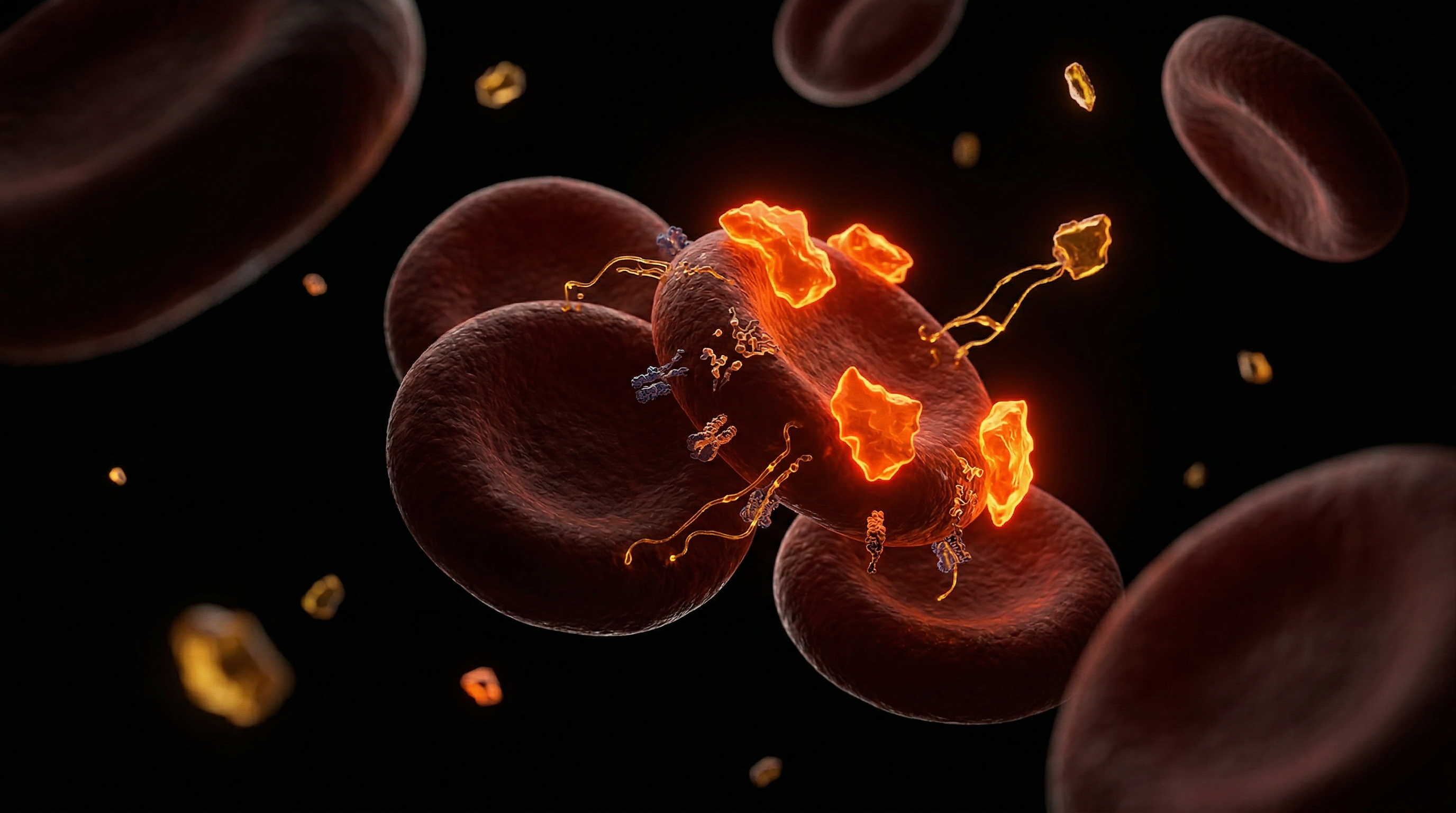
Recent analytical breakthroughs have confirmed what many in the heterodox scientific community long suspected: nanoplastics—particles smaller than 1,000 nanometres—have successfully breached the final biological frontier of the human body: the circulatory system. In a landmark study involving British blood donors, the presence of polyethylene (PE), polypropylene (PP), and polystyrene (PS) was detected in over 80% of those tested.
This is not a peripheral contamination issue; it is a fundamental shift in human biology. These particles are not inert. Their size allows them to bypass the natural filtration systems of the liver and kidneys, cross the blood-brain barrier, and infiltrate the delicate endocrine architecture that regulates everything from our metabolism to our reproductive viability. As a senior researcher for INNERSTANDING, I present this synthesis of the current data, examining how the British population, in particular, has become a living laboratory for the long-term effects of polymer accumulation.
Key Statistic: A 2022 pilot study of blood donors revealed a mean concentration of 1.6 µg of total plastic particles per millilitre of blood, with some individuals carrying levels nearly five times the average.
The implications for public health are staggering. While the mainstream media occasionally touches on the "microplastic" problem, the "nanoplastic" reality is far more dangerous. Because of their high surface-area-to-volume ratio, these particles act as magnets for toxic heavy metals and persistent organic pollutants (POPs), delivering a concentrated "trojan horse" of toxins directly into the human vascular system.
The Biology — How It Works
To understand the severity of the nanoplastic invasion, one must first differentiate between micro- and nanoplastics. While microplastics (up to 5mm) are often expelled through the gastrointestinal tract, nanoplastics (<1μm) are small enough to exhibit "biological invisibility." They operate at the same scale as viruses and cellular organelles.
Pathways of Entry
The human body is exposed to synthetic polymers through three primary routes, all of which are exacerbated by the modern British lifestyle:
- Ingestion: The primary source is the consumption of food and water contaminated by packaging. In the UK, the reliance on plastic-lined cans, microwaveable "ready meals," and plastic-bottled mineral water ensures a constant influx of polyethylene.
- Inhalation: Perhaps the most overlooked pathway. Synthetic fibres from carpets, upholstery, and fast-fashion clothing (polyester and nylon) shed millions of nano-fragments into the indoor air. In densely populated urban centres like London, Manchester, and Birmingham, the "plastic smog" is a constant respiratory burden.
- Dermal Absorption: While the skin is a robust barrier, recent evidence suggests that certain nanoplastics used in cosmetics and personal care products—specifically those containing polyethylene glycols (PEGs)—may penetrate the stratum corneum, especially when the skin barrier is compromised by inflammation or harsh detergents.
Translocation and the Vascular Bridge
Once these particles enter the lungs or the gut, they encounter the epithelial barrier. In a healthy state, this barrier is selective. However, nanoplastics utilise transcellular transport (moving through the cells) and paracellular transport (moving between cells) to reach the capillaries.
Once in the blood, the nanoplastic does not remain a "bare" piece of plastic. It immediately undergoes a process known as Protein Corona Formation. The particle becomes coated with blood proteins, such as albumin and apiloproteins. This "corona" effectively "camouflages" the plastic, allowing it to bind to cellular receptors and be transported throughout the body as if it were a legitimate biological cargo, such as a lipid or a nutrient.
Important Fact: Polystyrene nanoparticles have been shown to cross the human placenta within 24 hours of exposure, meaning the plastic load of a British citizen begins before they have even taken their first breath.
Mechanisms at the Cellular Level
The damage inflicted by nanoplastics is not merely mechanical; it is electrochemical and biochemical. When a polyethylene particle enters a human cell, it triggers a sequence of events that disrupts the very machinery of life.
Mitochondrial Dysfunction and Oxidative Stress
Mitochondria are the powerhouses of our cells, but they are also highly sensitive to foreign intrusions. Nanoplastics have been observed to associate with the mitochondrial membrane, disrupting the electron transport chain. This leads to the overproduction of Reactive Oxygen Species (ROS).
Under normal conditions, the body’s antioxidant systems (such as glutathione) neutralise ROS. However, the constant presence of nanoplastics creates a state of chronic oxidative stress. This "rusting" of the cell leads to DNA fragmentation and the activation of pro-inflammatory pathways.
The "Trojan Horse" Effect
Nanoplastics are inherently hydrophobic, meaning they attract other hydrophobic substances. In the environment, they adsorb toxins like:
- Polychlorinated Biphenyls (PCBs)
- Polycyclic Aromatic Hydrocarbons (PAHs)
- Dichlorodiphenyltrichloroethane (DDT)
When these plastic particles enter the blood, they don't just bring the polymer; they bring a concentrated payload of these banned or restricted legacy chemicals. Inside the cell, the change in pH can cause these chemicals to "desorb" or unbind from the plastic, releasing a high dose of toxins directly into the cytoplasm or the nucleus.
Lysosomal Rupture
Cells use lysosomes to "digest" cellular waste. However, because plastic is non-biodegradable, the lysosome cannot break it down. The plastic accumulates until the lysosomal membrane ruptures, releasing digestive enzymes into the cell itself. This process, known as autolysis, leads to premature cell death and contributes to the progressive tissue degradation seen in many chronic UK health conditions.
Environmental Threats and Biological Disruptors
The most terrifying aspect of nanoplastic contamination is its role as a delivery system for Endocrine Disrupting Chemicals (EDCs). The British population is currently facing an unprecedented crisis in hormonal health, with falling sperm counts, rising rates of Polycystic Ovary Syndrome (PCOS), and early-onset puberty becoming the new "normal."
The Oestrogen Mimicry
Many plastics, particularly Polystyrene and those containing Bisphenol A (BPA) or phthalates, possess a molecular structure that closely resembles oestradiol, the primary female sex hormone.
- Receptor Competitive Inhibition: Nanoplastics can bind to oestrogen receptors (ERα and ERβ) with high affinity. This either triggers a false signal (agonism) or blocks the natural hormone from doing its job (antagonism).
- The Thyroid Connection: Emerging data suggests that plastic nanoparticles also interfere with the thyroid transport protein transthyretin. By displacing thyroid hormones, these particles contribute to the "brain fog" and metabolic sluggishness reported by millions of UK citizens.
Synthetic Biology and the New Polymers
We are also seeing the emergence of "intelligent" or "functionalised" nanoplastics—polymers designed for drug delivery that have escaped into the wider environment. These synthetic biological constructs are designed to be "stealthy," avoiding the immune system entirely. When these interact with environmental nanoplastics, we see the creation of hetero-aggregates—complex, multi-layered synthetic structures that the human body has zero evolutionary experience in handling.
Callout: In the Thames River, researchers have found that for every cubic metre of water, there are thousands of micro- and nano-fragments, many of which are laden with antimicrobial agents, contributing to the rise of antibiotic-resistant "superbugs" in the human gut.
The Cascade: From Exposure to Disease
How does a microscopic piece of polyethylene in the blood turn into a clinical diagnosis? The "Cascade" is the physiological journey from the first exposure to the manifestation of chronic disease.
Phase 1: Vascular Inflammation (Endothelial Dysfunction)
The inner lining of our blood vessels, the endothelium, is highly sensitive. Nanoplastics cause physical micro-abrasions to this lining and trigger the release of cytokines like IL-6 and TNF-α. This leads to a chronic low-grade inflammation of the vascular system—the precursor to atherosclerosis and hypertension.
Phase 2: Metabolic Reprogramming
As the liver attempts to clear these particles, its metabolic capacity is overwhelmed. We are seeing a direct correlation between the rise of Non-Alcoholic Fatty Liver Disease (NAFLD) in the UK and the presence of plastic-associated phthalates in the blood. The liver, unable to process the polymers, begins to sequester them in adipose (fat) tissue, leading to "obesogen" effects—where the body gains weight despite a stable caloric intake.
Phase 3: Neuro-Accumulation
The most alarming part of the cascade is the crossing of the Blood-Brain Barrier (BBB). Polystyrene nanoparticles have been shown in animal models to alter glial cell activity and promote the aggregation of alpha-synuclein—a hallmark of Parkinson’s disease. In Britain, the rising incidence of early-onset dementia and neurological disorders may well be the "canary in the coal mine" for nanoplastic-induced neurotoxicity.
Phase 4: Reproductive Decline
The accumulation of plastics in the gonads is no longer theoretical. Nanoplastics disrupt the blood-testis barrier, leading to reduced motility and morphological defects in sperm. In women, the accumulation in follicular fluid is linked to poor oocyte quality and "unexplained" infertility.
What the Mainstream Narrative Omits
If the science is so clear, why is there a lack of urgent government action? The silence of the regulatory bodies—the UK’s Health and Safety Executive (HSE) and the Food Standards Agency (FSA)—is deafening.
The "Dose-Response" Fallacy
Mainstream toxicology is built on the principle that "the dose makes the poison." Regulators argue that the levels of plastic found in human blood are "negligible." However, this ignores the non-monotonic dose response of endocrine disruptors. EDCs often have a more profound effect at lower doses than at higher ones because they mimic the body's own low-level hormonal signals.
Corporate "Greenwashing" and Bioplastics
The shift toward "bioplastics" (like PLA) is often presented as a solution. However, for the human body, a "bio-based" nanoplastic can be just as disruptive as a petroleum-based one. These materials still require synthetic additives, UV stabilisers, and flame retardants to be functional—all of which are shed into the blood as the particle degrades.
The Analytical Gap
The mainstream narrative omits the fact that we lack the standard equipment in most hospitals to even detect these particles. It requires highly specialised Raman Spectroscopy or Pyrolysis-Gas Chromatography-Mass Spectrometry (Py-GC-MS). By not funding the widespread rollout of this diagnostic equipment, the state ensures that the "plastic problem" remains statistically invisible.
The "Acceptable Risk" of Modernity
The ultimate truth being suppressed is that our entire global economic model is built on disposable polymers. To admit that nanoplastics are a systemic health threat would be to admit that the "Convenience Economy" is fundamentally incompatible with human biological integrity.
The UK Context
The United Kingdom presents a unique and troubling case study for nanoplastic exposure. Several factors make the British population particularly vulnerable.
The "Meal Deal" Culture and Food Packaging
The UK has one of the highest consumptions of ultra-processed foods (UPFs) in Europe. The "British Meal Deal"—typically a sandwich in a plastic-lined box, a bag of crisps (metalised plastic), and a plastic bottle of soda—is a daily ritual for millions. The friction of opening these packages, combined with the heat-sealing processes used in manufacturing, releases billions of nanoplastics directly into the food.
The Great British Cuppa
A study by McGill University found that a single plastic tea bag—increasingly common in "premium" British tea brands—released approximately 11.6 billion microplastics and 3.1 billion nanoplastics into a single cup at brewing temperature. The British ritual of tea drinking has inadvertently become a primary vector for polymer ingestion.
Water Infrastructure
Much of the UK’s water infrastructure is ageing. While the water leaving the treatment plant may be relatively clean, the transit through plastic-lined pipes (MDPE - Medium Density Polyethylene) ensures that by the time it reaches a London or Glasgow tap, it is "enriched" with plastic fragments.
The "London Lung"
Air quality in British cities is often discussed in terms of NO2 or PM2.5 (soot). However, a significant portion of urban PM2.5 is actually tyre wear particles. Modern tyres are composed of a blend of synthetic rubbers and plastics. As vehicles drive, these tyres abrade, releasing nanoplastic dust into the air, which is then inhaled and enters the bloodstream via the alveoli.
Protective Measures and Recovery Protocols
While the systemic issue requires geopolitical change, individuals can take immediate steps to reduce their plastic burden and support their body’s natural detoxification pathways.
1. Source Water Purity
Standard carbon filters are insufficient for nanoplastics.
- Recommendation: Use Reverse Osmosis (RO) systems with a final remineralisation stage. RO membranes are capable of filtering particles down to the 0.0001-micron range, effectively removing nanoplastics. Avoid all water stored in PET bottles, especially if it has been exposed to heat or UV light.
2. Dietary Interventions: The Autophagy Protocol
Since the body cannot chemically break down plastic, it must physically remove it. Autophagy—the body’s "self-eating" or cellular recycling mechanism—is the most effective way to clear cellular debris.
- Action: Implement intermittent fasting (16:8 or 20:4). During deep fasting states, lysosomes are more active, and the body may be better able to sequester and expel foreign particles via the biliary route.
- Supplements: Support the Nrf2 pathway with Sulforaphane (found in broccoli sprouts) and Curcumin. These compounds increase the production of endogenous antioxidants that mitigate the oxidative stress caused by nanoplastics.
3. Home Environment Remediation
- Ditch the Polyester: Move toward natural fibres (cotton, wool, linen) for clothing and bedding. This drastically reduces the "plastic dust" in your home.
- Wet Dusting: Use a damp cloth to clean surfaces instead of a feather duster, which merely aerosolises nanoplastic particles.
- HEPA Filtration: Use high-quality air purifiers with HEPA 13 or 14 filters to capture airborne synthetic fibres.
4. Sweat and Elimination
The skin is a secondary elimination organ.
- Infrared Saunas: Some studies suggest that certain phthalates and plasticisers are excreted through sweat. Regular sauna use may help reduce the "toxic load" associated with plastic exposure.
- Activated Charcoal: While it cannot enter the blood, taking activated charcoal occasionally can help "mop up" plastics and EDCs in the gut before they are absorbed.
Summary: Key Takeaways
The presence of nanoplastics in British blood is a clarion call for a new understanding of environmental health. We are no longer dealing with external pollutants; we are dealing with the internalisation of the technosphere.
- Ubiquity: Nanoplastics (PE and PS) are present in the majority of the UK population, having crossed the gut and lung barriers into the blood.
- Endocrine Sabotage: These particles act as potent endocrine disruptors, mimicking oestrogen and interfering with thyroid function, contributing to the UK's fertility and metabolic crises.
- The Trojan Horse: Plastics act as carriers for banned toxic chemicals, delivering them directly into human cells.
- Neurotoxicity: The ability of these particles to cross the blood-brain barrier poses a significant risk for the future of neurological health in Britain.
- Invisibility by Design: Current regulatory frameworks are not designed to detect or manage sub-micron plastic pollution, leading to a "suppressed" public health emergency.
The "British Population Study" is not just a scientific paper; it is a mirror reflecting the biological cost of our modern existence. To survive the "Plastic Age," we must move beyond awareness into a phase of radical biological stewardship, protecting our internal environment with as much vigour as we protect the external one. The blood does not lie; it is time we listen to what it is telling us.
This article is provided for informational and educational purposes only. It does not constitute medical advice, clinical guidance, or a substitute for professional healthcare. Information reflects cited research at time of publication. Always consult a qualified healthcare professional before acting on any health information.
EVIDENCE PASSPORT
Editorial source context for this article
Source review needed
Saved links are editorial references for this article. They may support specific claims rather than every sentence. Open and assess each source in context. This passport does not independently verify them.
Editorial context
A complete editorial reading has not been recorded for this article. Source links remain available for you to open and assess directly.
Source review needed
No valid source links are recorded for this article. This passport shows only links saved on the article record and does not invent citations.
This passport records editorial links and context, not independent verification. Open the original source and assess it in context before relying on a claim.
Medical Disclaimer
The information in this article is for educational purposes only and does not constitute medical advice, diagnosis, or treatment. Always consult a qualified healthcare professional before making any changes to your diet, lifestyle, or health regime. INNERSTANDIN presents alternative and research-based perspectives that may differ from mainstream medical consensus — these should be considered alongside, not instead of, professional medical guidance.
Read Full DisclaimerContinue the thread
Keep this question moving.
Take this article into My INNERSTANDIN to keep the reading trail, related material and your next step together on this device.
Dig deeper in the Library
Free, longform PDF volumes that go beyond headlines into mechanisms and references.