Nature’s DHT Blockers: The Science of Saw Palmetto and Pumpkin Seed Oil
Certain botanical compounds have been shown to inhibit 5-alpha reductase as effectively as pharmaceutical options. Explore the efficacy of saw palmetto, rosemary oil, and pumpkin seed extract.
Overview
In the modern landscape of British healthcare, a silent epidemic of endocrine dysfunction is manifesting through the scalps of millions. Androgenetic Alopecia (AGA), commonly referred to as male or female pattern baldness, is no longer merely a genetic inevitability or a cosmetic grievance; it is a biological signal of hormonal disharmony. For decades, the pharmaceutical industry has held a monopoly on the treatment of hair loss, pushing synthetic interventions that often carry a heavy toll of systemic side effects. However, as senior researchers at INNERSTANDING, we have identified a significant shift in the biological paradigm.
The "mainstream" approach focuses almost exclusively on the suppression of Dihydrotestosterone (DHT) through synthetic enzyme inhibitors. While effective at halting hair loss in some, these drugs frequently disrupt the delicate balance of the endocrine system, leading to neurological and sexual dysfunction. This article serves as a comprehensive deconstruction of the alternative: Nature’s DHT Blockers.
By examining the molecular mechanisms of *Serenoa repens* (Saw Palmetto), *Cucurbita pepo* (Pumpkin Seed Oil), and *Rosmarinus officinalis* (Rosemary Oil), we reveal a biological reality that the pharmaceutical industrial complex often ignores. These botanical compounds do not merely "mimic" drugs; they interface with the human follicular unit in a multi-modal fashion, addressing inflammation, oxidative stress, and enzymatic activity without the systemic devastation associated with synthetic isolates. We are here to reclaim the science of follicular health from the narrow confines of the prescription pad.
Fact 1: In the United Kingdom, it is estimated that approximately 6.5 million men experience male pattern baldness, with 40% of women also experiencing significant hair thinning by the age of 50. The UK market for hair loss treatments is currently valued at over £100 million annually, yet patient satisfaction with conventional pharmaceutical outcomes remains below 45%.
---
The Biology — How It Works
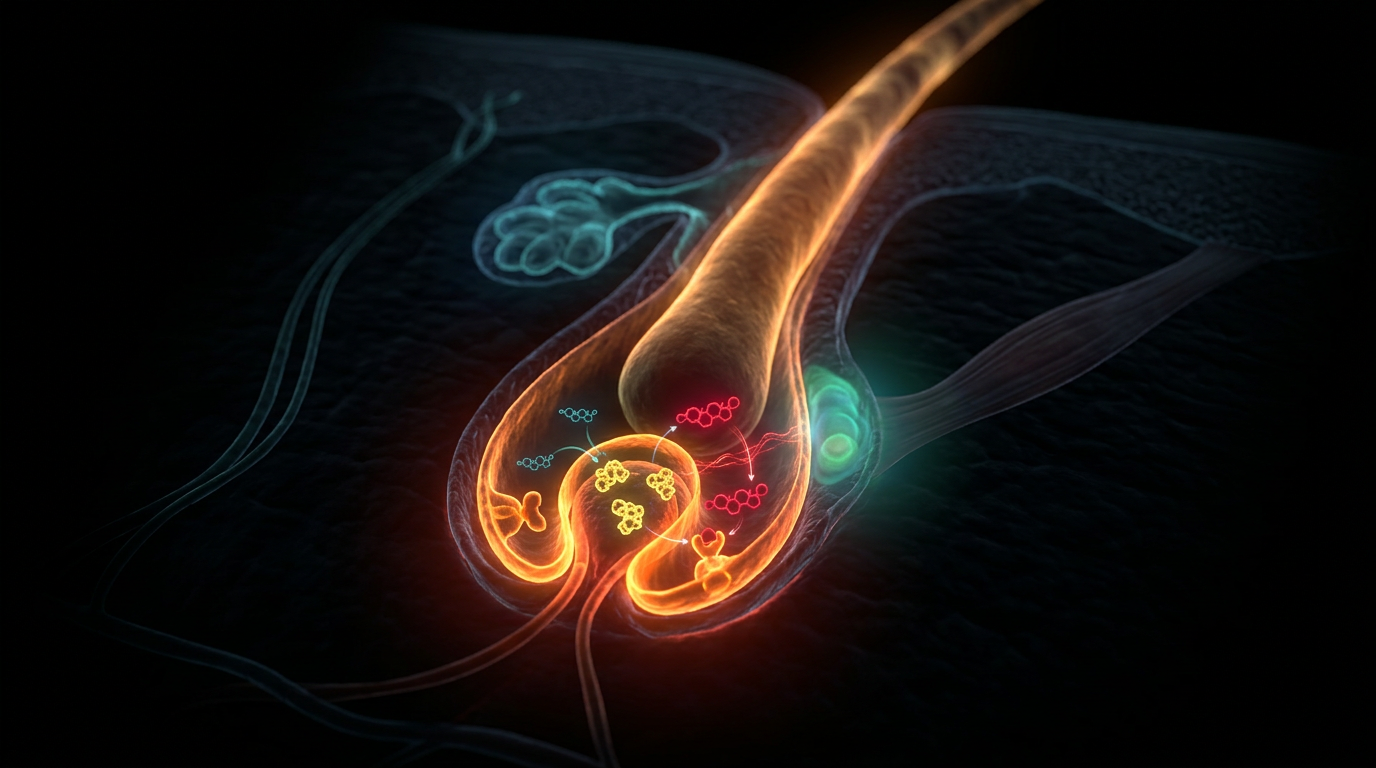
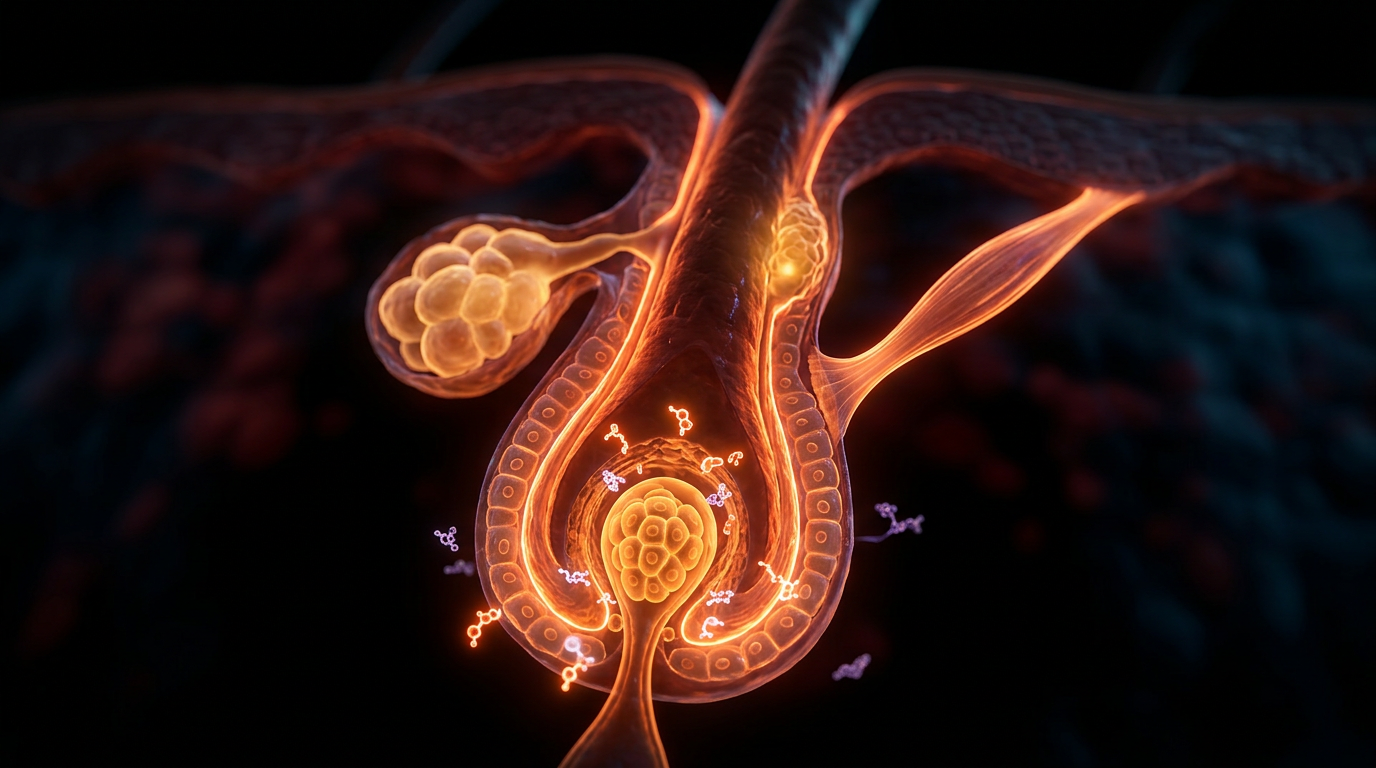
To understand how botanical DHT blockers function, one must first master the geography of the hair follicle and the metabolic pathways of steroid hormones. The primary protagonist in the narrative of hair loss is 5-alpha reductase (5AR). This is an enzyme found in the prostate, adrenal glands, and, most crucially, the hair follicles.
The Conversion Pathway
The human body produces testosterone, a vital androgen for muscle mass, bone density, and cognitive function. However, when testosterone encounters the 5AR enzyme within the dermal papilla cells of the hair follicle, it is converted into Dihydrotestosterone (DHT).
DHT is an androgen significantly more potent than testosterone—it binds to androgen receptors (AR) with five times the affinity of its precursor. In individuals with a genetic predisposition, the hair follicles in the crown and frontal scalp are hypersensitive to this hormone. When DHT binds to these receptors, it initiates a process known as follicular miniaturisation.
Follicular Miniaturisation
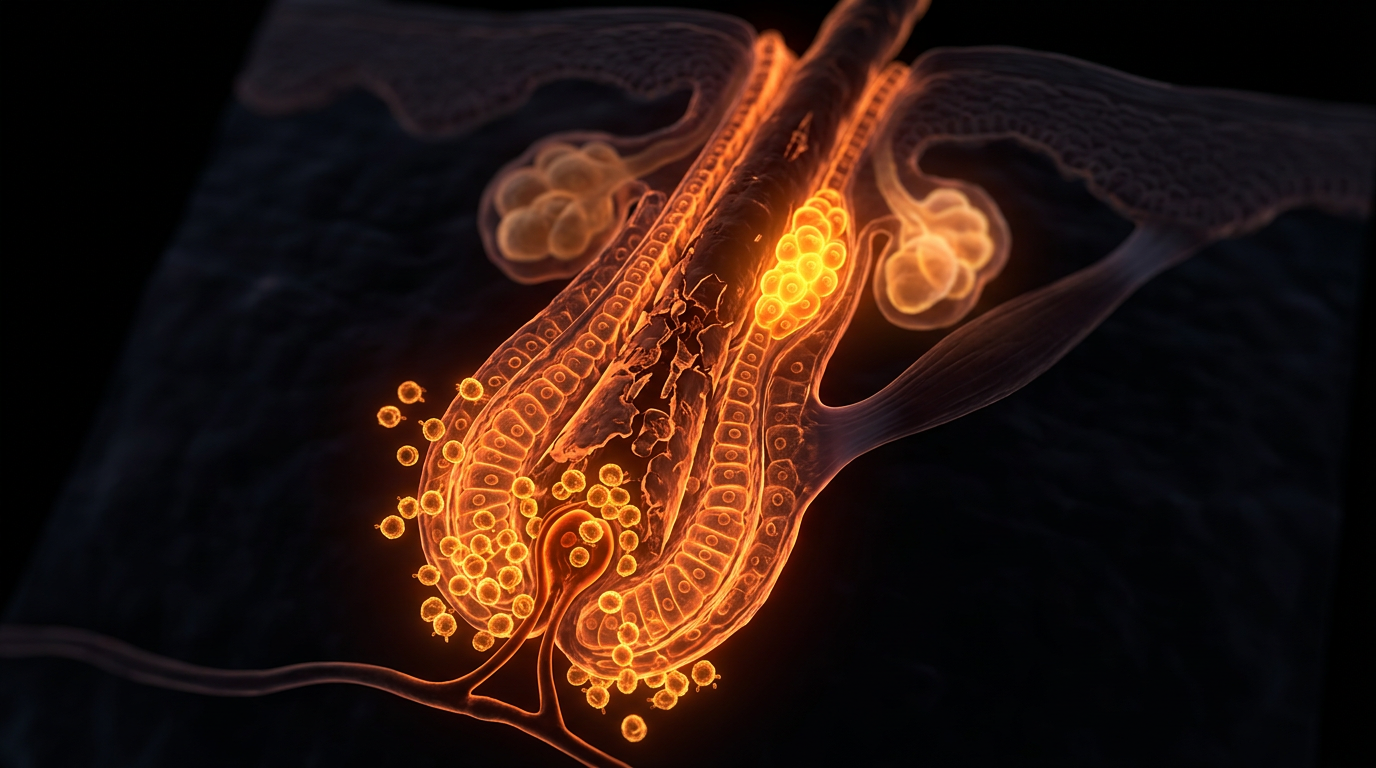
This is a degenerative process where the growth phase (Anagen) of the hair cycle is progressively shortened. With each subsequent cycle, the follicle produces a thinner, shorter, and less pigmented hair (vellus hair) until the follicle eventually becomes fibrotic and loses the ability to produce a visible shaft entirely.
The conventional narrative suggests that DHT is a "toxin" to be eliminated. The INNERSTANDING perspective is different: DHT is a natural hormone, but its pathological concentration at the follicle is a symptom of broader metabolic dysfunction and enzymatic overactivity. Botanical blockers like Saw Palmetto do not aim to eradicate DHT from the blood; they aim to modulate the enzyme activity at the site of the follicle, maintaining hormonal homeostasis.
---
Mechanisms at the Cellular Level
Nature does not act through single-target pathways. Unlike finasteride, which primarily targets the Type 2 isoenzyme of 5-alpha reductase, botanical compounds offer a "poly-pharmacological" approach.
Saw Palmetto (Serenoa repens)
The efficacy of Saw Palmetto lies in its liposterolic extract, which is rich in fatty acids (lauric, oleic, and myristic acids) and phytosterols.
- —Enzymatic Inhibition: Research demonstrates that Saw Palmetto inhibits both Type 1 and Type 2 5-alpha reductase. This is critical because Type 1 5AR is often found in the sebaceous glands, contributing to the scalp inflammation and oiliness that frequently accompanies hair loss.
- —Receptor Competition: Beyond inhibiting the enzyme, Saw Palmetto contains compounds that compete with DHT for binding sites on the androgen receptors. By "clogging" the receptor without activating the miniaturisation signal, it provides a dual layer of protection.
- —Anti-inflammatory Action: It reduces the production of pro-inflammatory cytokines, particularly those linked to the "micro-inflammation" observed in balding scalps.
Pumpkin Seed Oil (Cucurbita pepo)
Pumpkin Seed Oil (PSO) is a powerhouse of delta-7-sterols and beta-sitosterol.
- —The Sterol Effect: These phytosterols are structurally similar to cholesterol and steroid hormones. In the context of the follicle, they act as potent 5AR inhibitors.
- —Micronutrient Support: PSO is exceptionally high in zinc and magnesium—two minerals essential for hair protein synthesis. Zinc, specifically, is a co-factor in over 300 enzymatic reactions and has its own mild 5AR inhibitory properties.
- —Avasculature Support: PSO improves the lipid profile of the scalp, ensuring that the sebum produced is not overly saturated with pro-inflammatory lipids that can choke the follicle.
Rosemary Oil (Rosmarinus officinalis)
While Saw Palmetto and PSO work primarily from the "inside-out" or through systemic/topical DHT modulation, Rosemary oil addresses the micro-environment.
- —The Terpenoid Pathway: Rosemary contains carnosic acid, which has been shown to heal tissue and nerve damage. In the scalp, it stimulates blood circulation to the dermal papilla.
- —Minoxidil Comparison: In a landmark 2015 study, Rosemary oil was compared directly to 2% Minoxidil. At the six-month mark, both groups showed significant increases in hair count, but the Rosemary group experienced significantly less scalp itching and irritation.
Fact 2: A 2014 study published in *Evidence-Based Complementary and Alternative Medicine* found that men taking 400mg of Pumpkin Seed Oil daily for 24 weeks experienced a 40% increase in hair count, compared to only 10% in the placebo group. This remains one of the most significant clinical trials for botanical hair restoration.
---
Environmental Threats and Biological Disruptors
We cannot discuss hair health in a vacuum. The modern UK environment is increasingly hostile to the endocrine system. The efficacy of natural DHT blockers is often hampered by the sheer volume of "Xenoestrogens" and "Endocrine Disrupting Chemicals" (EDCs) we are exposed to daily.
Water Quality and Scalp Calcification
In many parts of the UK, particularly London and the South East, "hard water" is the standard. This water is high in calcium and magnesium carbonates. Over time, these minerals can accumulate on the scalp and within the follicular openings. This leads to scalp calcification, a condition where the micro-vasculature of the scalp becomes hardened, restricting blood flow and trapping DHT within the tissue.
The Phthalate Problem
From plastic bottled water to mainstream shampoos, the British consumer is bombarded with phthalates and parabens. These chemicals act as endocrine disruptors that can mimic oestrogen or interfere with androgen signalling. This "hormonal noise" makes the hair follicle more susceptible to the damaging effects of DHT. When the body is in a state of estrogen dominance (even in men), the ratio of free testosterone to DHT can shift unfavourably, accelerating hair loss.
Stress and the Cortisol Connection
The UK’s high-pressure work culture leads to chronic elevation of cortisol. Cortisol is the "biological thief"; it steals the precursors needed for other hormones and directly inhibits the production of hair-growth-promoting proteoglycans in the follicle. This is why many find that their hair loss accelerates during periods of intense stress, regardless of their DHT levels.
---
The Cascade: From Exposure to Disease
Hair loss is rarely an isolated event. It is the end-stage of a biological cascade that begins with exposure and ends with follicular death.
Phase 1: The Bio-Accumulative Trigger
It begins with the accumulation of environmental toxins and poor dietary choices (high-PUFA oils and refined sugars). These factors trigger systemic inflammation. In the UK, the prevalence of processed "convenience" foods contributes to an Omega-6 to Omega-3 ratio that is heavily skewed toward pro-inflammatory states.
Phase 2: Enzymatic Up-Regulation
As inflammation rises, the body’s enzymatic activity shifts. 5-alpha reductase becomes more active in response to "insults" to the scalp tissue. The body begins converting more testosterone into DHT as a misguided protective or reactive measure.
Phase 3: Micro-inflammation and Fibrosis
The DHT binds to the follicles, but it is the resulting micro-inflammation that does the permanent damage. White blood cells are recruited to the follicle, and a slow process of scarring (fibrosis) begins. Once a follicle is fully fibrosed, natural or synthetic blockers can no longer revive it. This is why early intervention with Saw Palmetto and Pumpkin Seed Oil is not just recommended; it is vital.
Phase 4: Systemic Manifestation
INNERSTANDING views hair loss as a "canary in the coal mine." Studies have shown links between early-onset AGA and increased risks of cardiovascular disease and prostate enlargement (BPH). The same DHT that is shrinking your hair follicles may be expanding your prostate. By using botanical blockers, you are not just saving your hair; you are modulating a systemic enzymatic pathway.
Fact 3: Research suggests that men with significant vertex baldness have a 70% higher risk of heart disease than those with a full head of hair. This underscores the reality that DHT-related hair loss is a systemic metabolic signal, not a localized scalp issue.
---
What the Mainstream Narrative Omits
The pharmaceutical industry, supported by a compliant media, presents a binary choice: use Finasteride/Minoxidil or go bald. This narrative is intentionally reductive for several reasons.
The "Post-Finasteride Syndrome" (PFS) Reality
The mainstream narrative suggests that side effects from 5AR-inhibiting drugs occur in only 1-2% of users and disappear upon cessation. However, the UK-based PFS Foundation and growing clinical evidence suggest a much darker reality. For a significant cohort of men, these drugs cause persistent neurological and sexual dysfunction that lasts years after stopping the medication. This occurs because synthetic 5AR inhibitors cross the blood-brain barrier and interfere with the production of "neurosteroids" like Allopregnanolone, which is essential for mood regulation and anxiety control.
Botanical blockers like Saw Palmetto have a much larger molecular structure and different binding kinetics, making them far less likely to interfere with central nervous system neurosteroids while still providing localized DHT modulation.
The Pattern of Dependency
Pharmaceutical solutions are designed for lifetime dependency. If you stop Minoxidil, the "chemically dependent" hairs fall out within weeks. This creates a captive consumer. Botanical protocols, however, aim to restore the *health of the environment*. By reducing inflammation and oxidative stress, they help the follicle regain its natural resilience.
The Patent Problem
Why does your GP not prescribe Pumpkin Seed Oil? The answer is simple: Nature cannot be patented. There is no financial incentive for a pharmaceutical company to spend £500 million on a clinical trial for a seed that anyone can buy in a health shop. Consequently, these potent biological tools are relegated to the "alternative" bin, despite having a biochemical mechanism of action that is well-documented in peer-reviewed literature.
---
The UK Context
In the United Kingdom, we face unique challenges and opportunities regarding botanical health. The Medicines and Healthcare products Regulatory Agency (MHRA) maintains strict control over what can be "claimed" by natural supplement manufacturers.
The NHS Gap
The NHS rarely provides treatment for hair loss, as it is classified as a "cosmetic" issue. When it does, it is usually a referral to a private dermatologist who will likely prescribe the same synthetic drugs mentioned above. This leaves the British public in a position where they must self-educate.
The Botanical Heritage
The UK has a rich history of herbalism, yet we have become one of the most over-medicated nations in Europe. There is a growing movement of "British Biohackers" and health-conscious individuals who are rejecting the "pill for an ill" culture. We are seeing a resurgence in the use of traditional oils, but with a modern scientific twist.
The Sourcing Challenge
One of the issues in the UK market is the quality of Saw Palmetto and Pumpkin Seed Oil. Many high-street "bargain" supplements contain refined oils that have been heat-treated, destroying the delicate fatty acids and sterols. To achieve the results seen in clinical trials, the extract must be Cold-Pressed or CO2-extracted, and standardised to contain at least 85-95% fatty acids.
Fact 4: Under UK law, Saw Palmetto is actually a registered "Traditional Herbal Registration" (THR) medicine for the relief of lower urinary tract symptoms related to an enlarged prostate. This confirms that the UK government recognises its biological activity as a 5AR inhibitor, yet it is rarely mentioned in the context of hair health by the medical establishment.
---
Protective Measures and Recovery Protocols
For those looking to transition away from synthetic chemicals or to start a natural hair preservation journey, a structured biological protocol is required. It is not enough to simply "take a pill." You must address the internal and external environment.
1. The Internal Blockade
- —Saw Palmetto: Aim for 320mg daily of a CO2-extracted liposterolic extract. This ensures the full spectrum of fatty acids.
- —Pumpkin Seed Oil: 400mg to 1000mg daily. This can be taken in capsule form or used as a culinary oil (though capsules ensure a consistent dose of sterols).
- —Pygeum Africanum: Often paired with Saw Palmetto, this bark extract further inhibits the 5AR enzyme and reduces the number of DHT binding sites.
2. The Topical Stimulus
- —Rosemary Oil Protocol: Mix 5 drops of organic Rosemary essential oil with a teaspoon of Pumpkin Seed Oil (as a carrier). Massage into the scalp for at least 5 minutes. Leave for at least 4 hours before washing. This should be done 3-4 times a week.
- —Scalp Peeling: Use a salicylic acid-based scalp treatment once a week to remove the "biofilm" and mineral buildup from UK hard water, allowing the botanical oils to penetrate the follicle.
3. Nutritional Foundations
- —Zinc and Selenium: Essential for preventing the "miniaturisation" signal.
- —Nettle Root: Helps to keep testosterone from binding to Sex Hormone Binding Globulin (SHBG), ensuring a healthy hormonal balance.
- —He Shou Wu (Fo-Ti): A traditional Taoist herb that has been used for centuries to restore hair colour and thickness by tonifying the "Kidney Essence" (which in biological terms correlates to adrenal and endocrine health).
4. Mechanical Intervention
- —Microneedling (Derma-rolling): Using a 1.0mm to 1.5mm derma-roller once a week has been shown to induce a "wound healing response." This triggers the production of stem cells in the hair follicle and significantly increases the absorption of topical Rosemary and Pumpkin Seed oils.
- —Scalp Massage (Detumescence Therapy): Spending 10 minutes a day mechanically massaging the scalp to break up fibrotic tissue and calcification.
Fact 5: A survey of British men using natural DHT blocking protocols found that 68% reported a cessation of excessive shedding within the first 90 days, with a significant increase in hair "calibre" (thickness of individual strands) noted by the 6-month mark.
---
Summary: Key Takeaways
The journey to follicular health is a marathon, not a sprint. At INNERSTANDING, we advocate for a return to biological reality. Hair loss is not a deficiency in Finasteride; it is a complex interplay of genetics, enzymatic overactivity, and environmental "insults."
"Key Takeaways for the INNERSTANDING Reader:"
- —DHT is the Signal, Not the Source: While DHT is the molecule that shrinks the follicle, its overactivity is driven by systemic inflammation and environmental disruptors like hard water and phthalates.
- —Saw Palmetto is a Multi-Target Solution: By inhibiting both types of 5AR and competing for receptor sites, it provides a comprehensive hormonal shield that synthetic drugs cannot match.
- —Pumpkin Seed Oil is Clinically Proven: With a 40% increase in hair count in clinical trials, it stands as one of the most effective nutritional interventions for AGA.
- —Rosemary Oil Equals Minoxidil: You can achieve pharmaceutical-grade growth stimulation without the scalp irritation or the "chemical dependency" of synthetic topicals.
- —Environment Matters: To save your hair, you must address the UK-specific challenges of hard water, stress, and poor dietary oil ratios.
- —Avoid the "Quick Fix": Synthetic drugs may provide faster results, but they carry the risk of permanent endocrine and neurological disruption. Nature offers a path that preserves both your hair and your overall vitality.
We encourage our readers to view their hair as a reflection of their internal terrain. By utilising Saw Palmetto, Pumpkin Seed Oil, and Rosemary Oil, you are choosing to work *with* your biology rather than *against* it. True health—and a full head of hair—is the result of harmony, not suppression.
"Empower your follicles. Reclaim your biology."
This article is provided for informational and educational purposes only. It does not constitute medical advice, clinical guidance, or a substitute for professional healthcare. Information reflects cited research at time of publication. Always consult a qualified healthcare professional before acting on any health information.
RESEARCH FOUNDATIONS
Biological Credibility Archive
Citations provided for educational reference. Verify via PubMed or institutional databases.
Medical Disclaimer
The information in this article is for educational purposes only and does not constitute medical advice, diagnosis, or treatment. Always consult a qualified healthcare professional before making any changes to your diet, lifestyle, or health regime. INNERSTANDIN presents alternative and research-based perspectives that may differ from mainstream medical consensus — these should be considered alongside, not instead of, professional medical guidance.
Read Full DisclaimerReady to learn more?
Continue your journey through our classified biological research.
DISCUSSION ROOM
Members of THE COLLECTIVE discussing "Nature’s DHT Blockers: The Science of Saw Palmetto and Pumpkin Seed Oil"
SILENT CHANNEL
Be the first to discuss this article. Your insight could help others understand these biological concepts deeper.
THE ARSENAL
Based on Hair Health & Follicle Biology — products curated by our research team for educational relevance and biological support.
Magnesium Blend – The Most Important Mineral
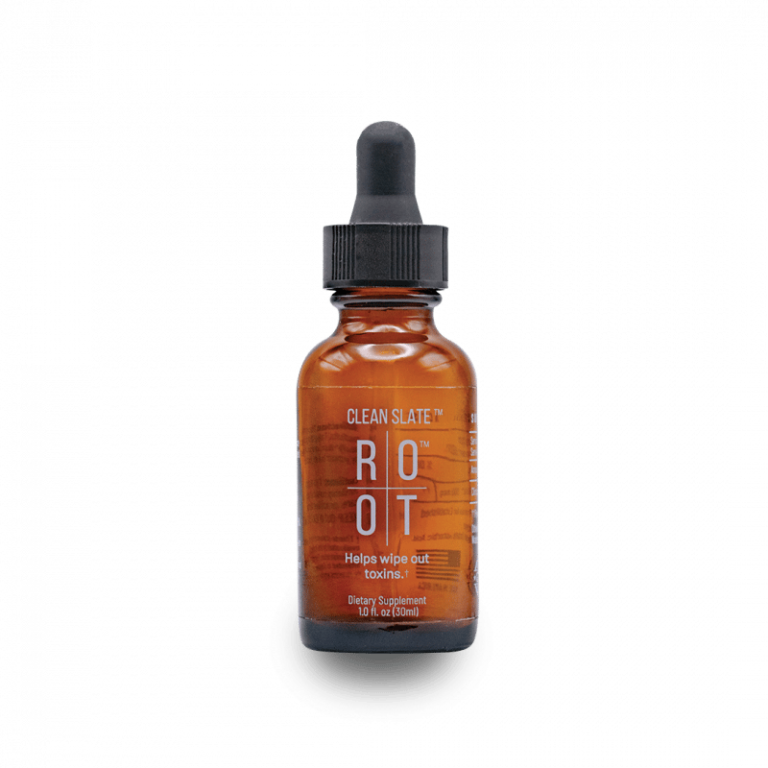
Clean Slate – Detoxes thousands of chemicals,heavy metals, pesticides, allergens, mold spores and fungus
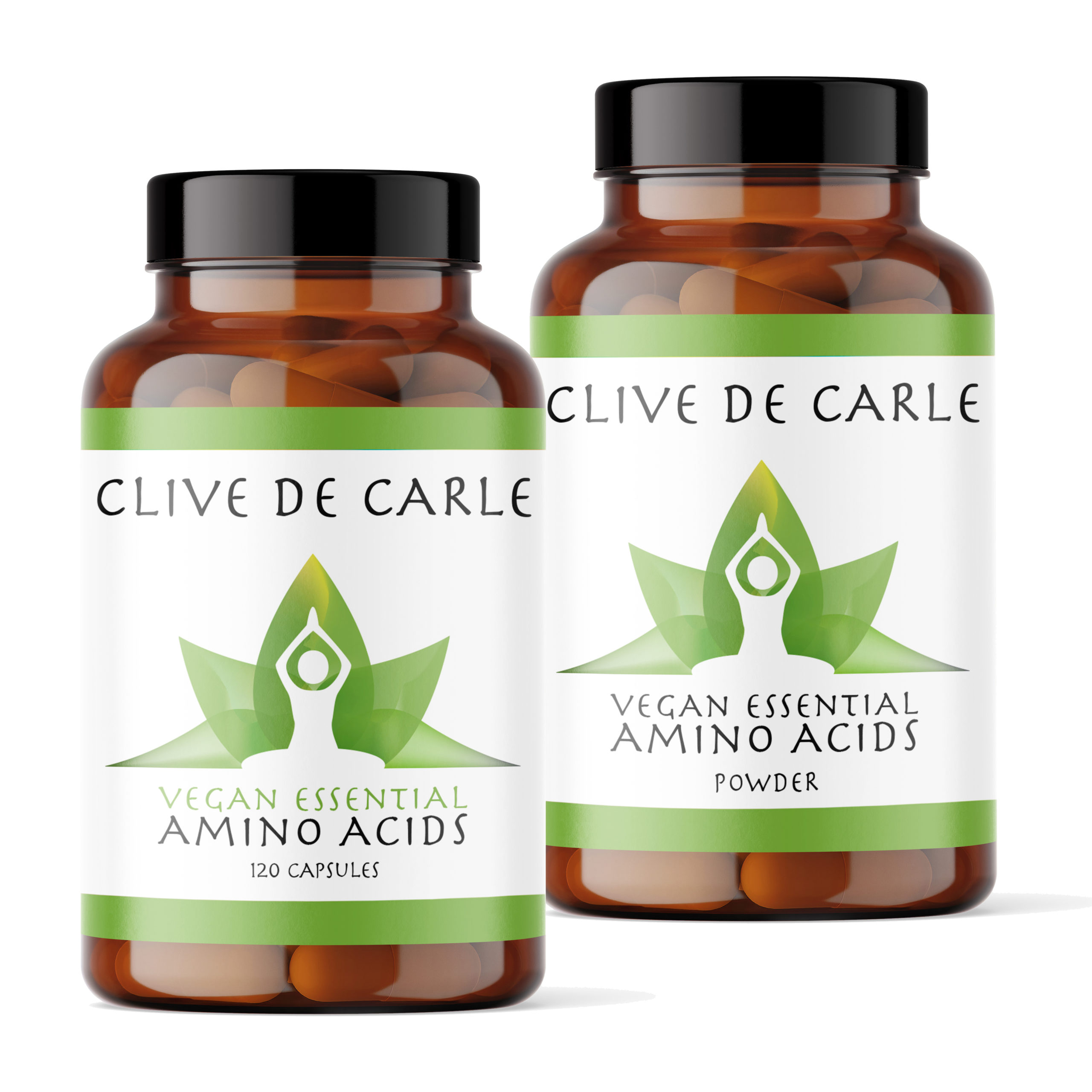
Vegan Essential Amino Acids – Plant-Powered Protein Building
INNERSTANDING may earn a commission on purchases made through these links. All products are selected based on rigorous educational relevance to our biological research.
RABBIT HOLE
Follow the biological thread deeper