
Necroptosis vs. Ferroptosis: Distinguishing Non-Apoptotic Death Pathways in Chronic Neurodegeneration
An in-depth exploration of two regulated non-apoptotic cell death pathways, necroptosis and ferroptosis, their distinct biochemical mechanisms, and their critical roles in the progression of chronic neurodegenerative diseases such as Alzheimer's and Parkinson's.
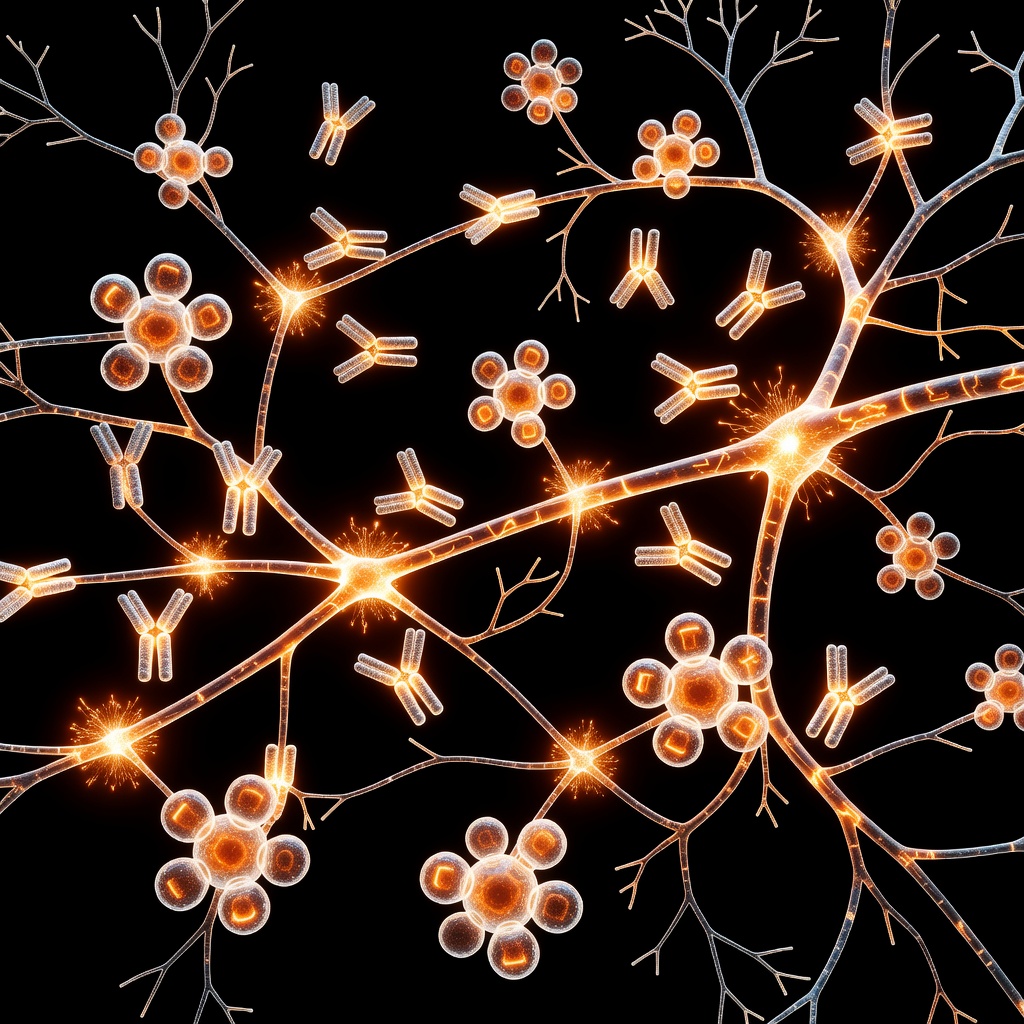
# Necroptosis vs. Ferroptosis: Distinguishing Non-Apoptotic Death Pathways in Chronic Neurodegeneration
For decades, the narrative of cellular demise in the central nervous system was dominated by apoptosis—a 'clean' and programmed form of cell suicide. However, as our understanding of neurodegenerative pathology has deepened, it has become evident that apoptosis is not the sole architect of neuronal loss. Emerging from the shadows of necrotic 'accidental' death are two highly regulated pathways: necroptosis and ferroptosis. At INNERSTANDING, we focus on the root causes of disease, and understanding these non-apoptotic pathways is essential for deciphering why the brain fails in conditions like Alzheimer’s, Parkinson’s, and Amyotrophic Lateral Sclerosis (ALS).
Necroptosis: The Programmed Necrosis
Necroptosis is often described as 'programmed necrosis' because it combines the regulated nature of apoptosis with the morphological features of necrosis, such as cell swelling and membrane rupture. Unlike apoptosis, which relies on the caspase cascade, necroptosis is caspase-independent. The process is primarily driven by the activation of receptor-interacting protein kinases 1 and 3 (RIPK1 and RIPK3) and the subsequent phosphorylation of mixed lineage kinase domain-like protein (MLKL).
When MLKL is activated, it oligomerizes and translocates to the plasma membrane, creating pores that lead to an influx of water and ions, ultimately causing the cell to explode. This explosive end releases 'damage-associated molecular patterns' (DAMPs) into the surrounding environment, triggering a potent inflammatory response. In chronic neurodegeneration, this inflammation becomes a self-perpetuating cycle. In Alzheimer’s disease, for instance, the accumulation of amyloid-beta and tau proteins can trigger RIPK1 activation, leading to the loss of neurons and widespread neuroinflammation that further exacerbates cognitive decline.
Ferroptosis: The Iron-Dependent Demise
Ferroptosis is a distinct form of regulated cell death characterized by the accumulation of iron-dependent lipid peroxides. First defined in 2012, this pathway is fundamentally a metabolic failure. At its core, ferroptosis occurs when the cell’s antioxidant defenses—specifically the glutathione-dependent enzyme glutathione peroxidase 4 (GPX4)—are overwhelmed by the production of lipid hydroperoxides.
The brain is particularly susceptible to ferroptosis due to its high concentration of polyunsaturated fatty acids (PUFAs), high oxygen consumption, and high iron content. In Parkinson’s disease, iron dysregulation in the substantia nigra is a well-documented phenomenon. When iron levels exceed the buffering capacity of ferritin, the Fenton reaction generates hydroxyl radicals that attack the lipid membranes of dopaminergic neurons. This lipid peroxidation compromises membrane integrity, leading to neuronal death that cannot be halted by traditional anti-apoptotic inhibitors.
Distinguishing the Mechanisms: Root Causes
While both pathways result in cell death and inflammation, their triggers and structural consequences differ significantly. Necroptosis is typically initiated by extrinsic signals, such as Tumor Necrosis Factor (TNF), and involves the assembly of a 'necrosome' complex. In contrast, ferroptosis is an intrinsic metabolic crisis often triggered by the depletion of cystine (the precursor to glutathione) or the inactivation of GPX4.
Morphologically, necroptotic cells exhibit swollen organelles and ruptured membranes, whereas ferroptotic cells show shrunken mitochondria with increased membrane density and a lack of traditional necrotic or apoptotic hallmarks. From a root-cause perspective, necroptosis is a response to environmental stress and inflammation, while ferroptosis is a failure of cellular nutrient management and redox balance.
Implications for Neurodegeneration in the UK
The relevance of these pathways to the UK’s ageing population cannot be overstated. With dementia rates rising, understanding the molecular 'why' behind neuronal loss is paramount. In ALS, the activation of the RIPK1/RIPK3 pathway in microglia and astrocytes contributes to the death of motor neurons. Simultaneously, evidence suggests that ferroptosis contributes to the degeneration of these same neurons through impaired glutathione metabolism.
This 'crosstalk' between cell death pathways suggests that chronic neurodegeneration is likely a multi-faceted process where different pathways may predominate at different stages of the disease. By identifying which pathway is dominant in a specific condition, researchers are now developing 'necrostatins' (RIPK1 inhibitors) and 'ferrostatins' (lipid peroxidation inhibitors) as potential therapeutic interventions.
Nutritional and Environmental Factors
From an educational health perspective, we must consider how lifestyle impacts these pathways. For ferroptosis, the availability of selenium (a cofactor for GPX4) and the management of systemic iron levels are critical. For necroptosis, managing chronic systemic inflammation—often driven by gut dysbiosis or metabolic syndrome—may reduce the 'priming' of the RIPK1 pathway in the brain. This highlights the importance of a holistic approach to neurological health, where diet and environment play a role in cellular survival.
Conclusion: A New Era of Neuroprotection
Distinguishing between necroptosis and ferroptosis is more than an academic exercise; it is a clinical necessity. As we move toward precision medicine, the ability to target the specific mechanism of neuronal loss offers hope for slowing or even halting the progression of currently incurable diseases. At INNERSTANDING, we believe that education is the first step toward empowerment. Understanding that the brain’s decline is a regulated, and potentially interruptible, process shifts the paradigm from inevitable decay to manageable pathology. Future research into the synergy between these pathways will undoubtedly unveil new targets for protecting the most complex organ in the human body.
This article is provided for informational and educational purposes only. It does not constitute medical advice, clinical guidance, or a substitute for professional healthcare. Information reflects cited research at time of publication. Always consult a qualified healthcare professional before acting on any health information.
RESEARCH FOUNDATIONS
Biological Credibility Archive
Citations provided for educational reference. Verify via PubMed or institutional databases.
Medical Disclaimer
The information in this article is for educational purposes only and does not constitute medical advice, diagnosis, or treatment. Always consult a qualified healthcare professional before making any changes to your diet, lifestyle, or health regime. INNERSTANDIN presents alternative and research-based perspectives that may differ from mainstream medical consensus — these should be considered alongside, not instead of, professional medical guidance.
Read Full DisclaimerReady to learn more?
Continue your journey through our classified biological research.
DISCUSSION ROOM
Members of THE COLLECTIVE discussing "Necroptosis vs. Ferroptosis: Distinguishing Non-Apoptotic Death Pathways in Chronic Neurodegeneration"
SILENT CHANNEL
Be the first to discuss this article. Your insight could help others understand these biological concepts deeper.
THE ARSENAL
Based on Apoptosis & Cellular Death Mechanisms — products curated by our research team for educational relevance and biological support.
Energy Blend Supports
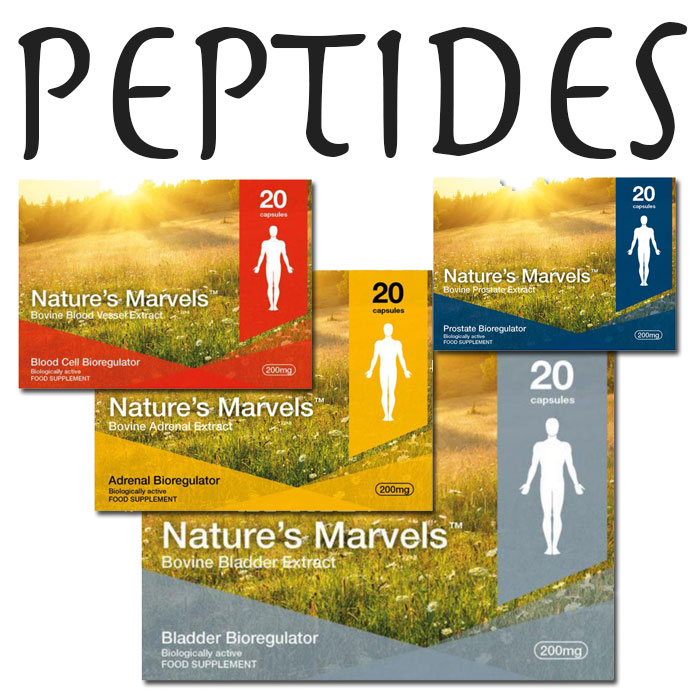
Peptides, one of the secret Russian military health marvels, now available. 40 years research
Clean Slate – Detoxes thousands of chemicals,heavy metals, pesticides, allergens, mold spores and fungus
INNERSTANDING may earn a commission on purchases made through these links. All products are selected based on rigorous educational relevance to our biological research.
RABBIT HOLE
Follow the biological thread deeper

