Nis Gene Expression and Iodine Transport: The Molecular Basis for Thyroid Loading Protocols
An in-depth exploration of the Sodium-Iodide Symporter (NIS), the SLC5A5 gene, and the biochemical rationale behind high-dose iodine loading to overcome environmental halide toxicity.
# Nis Gene Expression and Iodine Transport: The Molecular Basis for Thyroid Loading Protocols
Iodine is far more than a simple constituent of thyroid hormones; it is a fundamental element required for the integrity of every cell in the human body. However, the mechanism by which iodine enters these cells is a complex, energy-dependent process that is increasingly under threat from modern environmental factors. For the UK practitioner and the health-conscious individual, understanding the molecular gatekeeper known as the Sodium-Iodide Symporter (NIS) is essential for navigating the controversial yet scientifically grounded world of iodine loading protocols.
The Gatekeeper: Understanding the Sodium-Iodide Symporter (NIS)
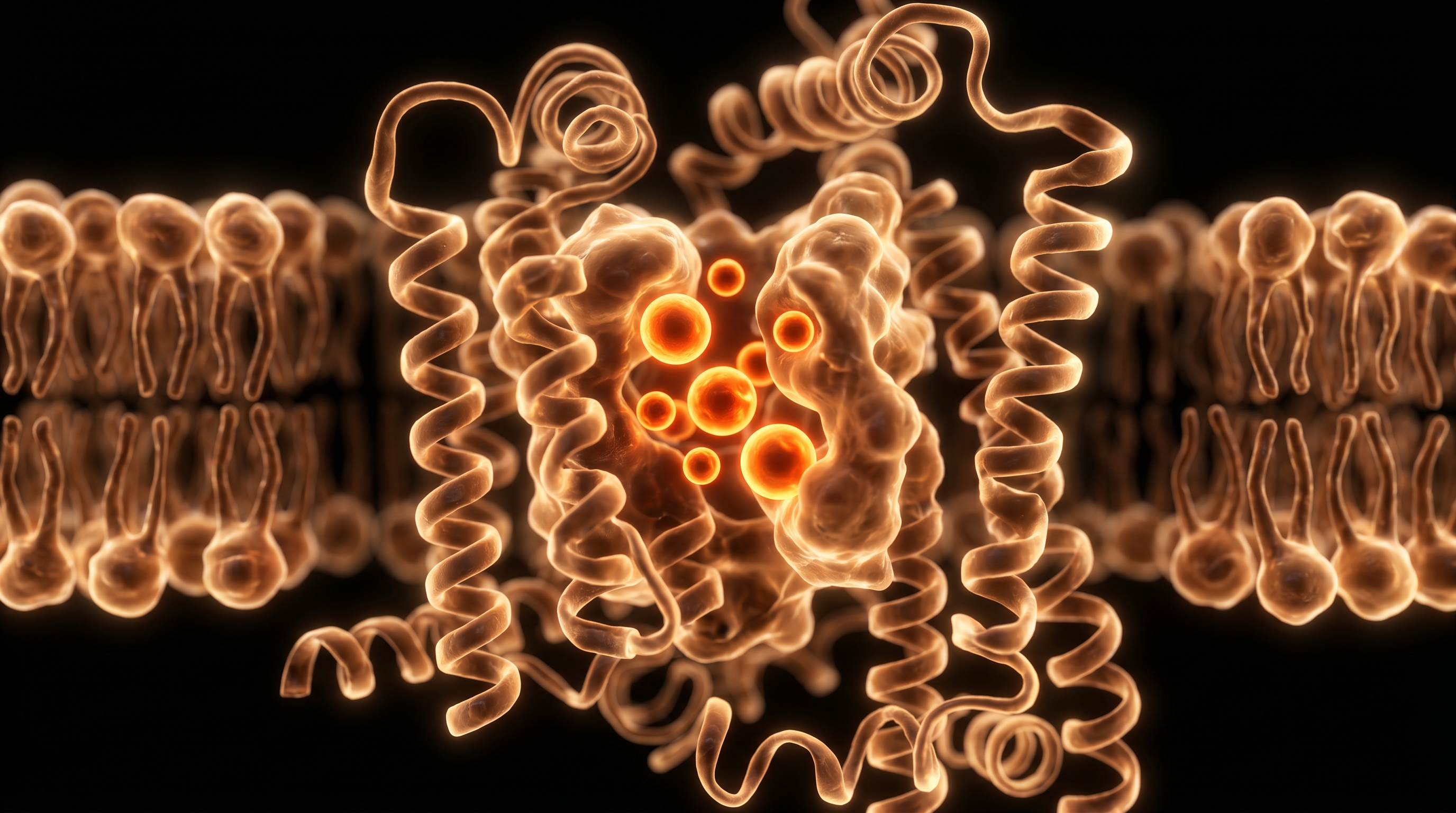
At the heart of iodine metabolism is the Sodium-Iodide Symporter (NIS), a specialized transmembrane glycoprotein located on the basolateral membrane of the thyroid follicular cells. The NIS is responsible for transporting iodide from the bloodstream into the thyroid gland against a massive electrochemical gradient. Specifically, the intracellular concentration of iodide is often 20 to 40 times higher than that of the surrounding plasma. This feat of 'up-hill' transport is powered by the Na+/K+ ATPase pump, which creates a sodium gradient that the NIS utilizes to pull two sodium ions and one iodide ion into the cell simultaneously.
While the thyroid gland contains the highest concentration of NIS, these transporters are not exclusive to the thyroid. They are also expressed in the salivary glands, the gastric mucosa, the ciliary body of the eye, and, most crucially, the lactating mammary glands. This suggests that iodine’s role extends far beyond the production of T4 and T3, playing a vital part in immune function, gastric health, and neonatal development.
The Genetic Blueprint: SLC5A5 and Gene Expression
The NIS is encoded by the *SLC5A5* gene, located on chromosome 19. The expression of this gene is the primary regulatory point for iodine uptake. Under normal physiological conditions, Thyroid Stimulating Hormone (TSH) binds to its receptor on the thyroid cell, triggering a cascade of intracellular signals—primarily involving cyclic AMP (cAMP)—that increases the transcription of the *SLC5A5* gene. This results in more NIS proteins being synthesized and inserted into the cell membrane, effectively 'turning up the pump' when the body senses a need for more thyroid hormone.
However, in the context of chronic iodine deficiency—a state increasingly common in the UK, which remains one of the top ten iodine-deficient nations globally—this genetic mechanism can become dysregulated. When iodine is scarce, the thyroid compensates by increasing NIS expression to capture every possible molecule of iodide. Yet, if the environment is saturated with competing toxins, even a high density of NIS pumps can lead to the accumulation of the wrong elements.
Competitive Inhibition: The Halide Problem
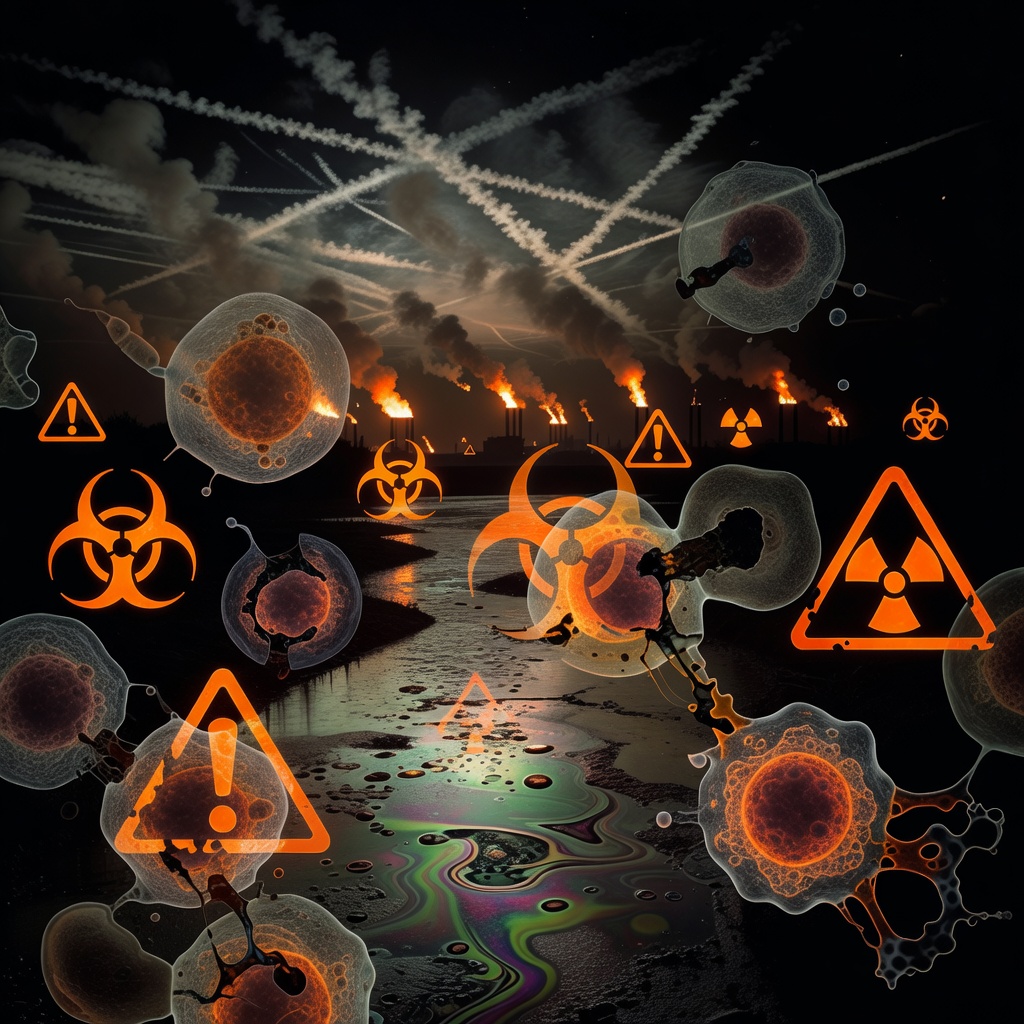
The root cause of many thyroid-related issues in the 21st century is not merely a lack of iodine, but the presence of competitive inhibitors. Iodine belongs to the halogen group on the periodic table, alongside fluorine, chlorine, and bromine. Due to their similar atomic radii and electronegativity, these elements can compete for the binding sites on the NIS.
- —Bromine: Found in brominated vegetable oils (though increasingly restricted), flame retardants, and commercial bakery products (as potassium bromate), bromine is a potent NIS inhibitor. It displaces iodine in the thyroid and other tissues, leading to 'bromide dominance.'
- —Fluorine: Present in many UK water supplies and dental products, fluoride can downregulate NIS expression and interfere with the organification of iodine.
- —Perchlorate: An environmental pollutant from industrial runoff and rocket fuel, perchlorate is a thousand times more potent than iodide in its affinity for the NIS, effectively 'locking' the pump.
When the NIS is occupied by these 'pseudohalogens,' the thyroid cannot produce sufficient hormones, leading to symptoms of hypothyroidism despite 'normal' TSH levels. This is where the molecular rationale for thyroid loading protocols emerges.
The Molecular Basis for Iodine Loading Protocols
Iodine loading protocols, often involving doses ranging from 12.5 mg to 50 mg of Lugol’s iodine or equivalent tablets, are designed to utilize the principle of 'mass action.' By saturating the system with high concentrations of iodide and elemental iodine, we can effectively outcompete the bromine and fluorine atoms attached to the NIS and other cellular receptors.
From a molecular perspective, high-dose iodine serves two functions. First, it provides the substrate necessary to restart thyroid hormone synthesis. Second, it facilitates the 'detoxification' or displacement of halides. As iodide floods the NIS, bromine is pushed out of the cells and back into the bloodstream, where it is subsequently excreted via the kidneys. This process is the underlying cause of the so-called 'healing crisis' or 'bromide detox' reactions, which can include acne-like rashes, headaches, and metallic tastes.
The Wolff-Chaikoff Effect and the 'Escape' Phenomenon
A common concern in mainstream endocrinology regarding high-dose iodine is the Wolff-Chaikoff effect. This is a physiological phenomenon where a large acute dose of iodine causes a transient shutdown of thyroid hormone synthesis (specifically the organification of iodine) as a self-protective mechanism to prevent thyrotoxicosis.
However, what is often overlooked in clinical discussions is the 'escape' phenomenon. In healthy individuals, after 24 to 48 hours of high iodine exposure, the thyroid 'escapes' the Wolff-Chaikoff effect by downregulating the NIS. This reduces the intracellular iodine concentration back to a level where hormone synthesis can resume. In patients with iodine deficiency and halide toxicity, this temporary pause is often a necessary reset, allowing the gland to clear out accumulated toxins before resuming normal function.
Clinical Implementation and Monitoring
In the UK, where iodine status is rarely checked in primary care, the use of loading protocols requires a nuanced approach. The 'Iodine Loading Test,' pioneered by Dr. Abraham and Dr. Brownstein, involves the ingestion of 50 mg of iodine followed by a 24-hour urine collection. The theory is that if the body is sufficient in iodine, it will excrete 90% or more of the dose. If the body retains a significant portion, it suggests that the NIS and the tissues are 'hungry' for the element and are sequestering it to repair biochemical pathways.
For practitioners focusing on root causes, supporting the NIS is not just about giving iodine. It also requires co-factors that maintain the Na+/K+ ATPase pump. These include:
- —Vitamin C: To support the symporter function and reduce oxidative stress during the organification process.
- —Magnesium: Essential for the ATP-dependent transport mechanisms.
- —Selenium: Required for the deiodinase enzymes that convert T4 to T3 and for glutathione peroxidase to protect the gland from the hydrogen peroxide generated during iodine processing.
Conclusion: Reclaiming Thyroid Health
The molecular biology of the NIS and *SLC5A5* gene expression provides a robust framework for the use of iodine loading in modern nutritional therapy. By understanding that we live in a halide-saturated environment, the transition from 'RDA-level' supplementation (150 mcg) to 'loading' doses (mg-level) becomes a logical strategy for detoxification and cellular restoration. For the INNERSTANDING community, the goal is to bridge the gap between this molecular complexity and practical application, ensuring that thyroid health is addressed at the level of transport, genetics, and environmental resilience.
This article is provided for informational and educational purposes only. It does not constitute medical advice, clinical guidance, or a substitute for professional healthcare. Information reflects cited research at time of publication. Always consult a qualified healthcare professional before acting on any health information.
RESEARCH FOUNDATIONS
Biological Credibility Archive
Citations provided for educational reference. Verify via PubMed or institutional databases.
Medical Disclaimer
The information in this article is for educational purposes only and does not constitute medical advice, diagnosis, or treatment. Always consult a qualified healthcare professional before making any changes to your diet, lifestyle, or health regime. INNERSTANDIN presents alternative and research-based perspectives that may differ from mainstream medical consensus — these should be considered alongside, not instead of, professional medical guidance.
Read Full DisclaimerReady to learn more?
Continue your journey through our classified biological research.
THE ARSENAL
Based on Iodine Deficiency & Thyroid Loading Protocols — products curated by our research team for educational relevance and biological support.
Lugol’s Iodine – Hormonal Issues, Menopause, Immune System, Brain Fog, Memory, Thyroid, Dry Skin
Rejuvenation Pack – Essential Vitamins and Minerals for Health Restoration
C60 Charcoal – Supports Healthy Digestion and Detoxification.
INNERSTANDING may earn a commission on purchases made through these links. All products are selected based on rigorous educational relevance to our biological research.
RABBIT HOLE
Follow the biological thread deeper