Oxidative Stress and Mitochondrial Dysfunction in Pelvic Floor Neuropathies
Discuss this resourceUpdated August 2026
An in-depth exploration of how cellular metabolic failures and oxidative damage contribute to the pathogenesis of chronic pelvic pain and vulvodynia.
Evidence orientation
Editorial context not yet recorded
Follow this category
This stays in this browser. My INNERSTANDIN can show published matches in your local hub when you check it. It does not send email, push, or alert notifications.
Local learning review
A private browser aid for revisiting ideas. It is not an alert or a health recommendation.
Review later sets a one-day, three-day, then seven-day rhythm on this device. Choose it only when you want to revisit this article.
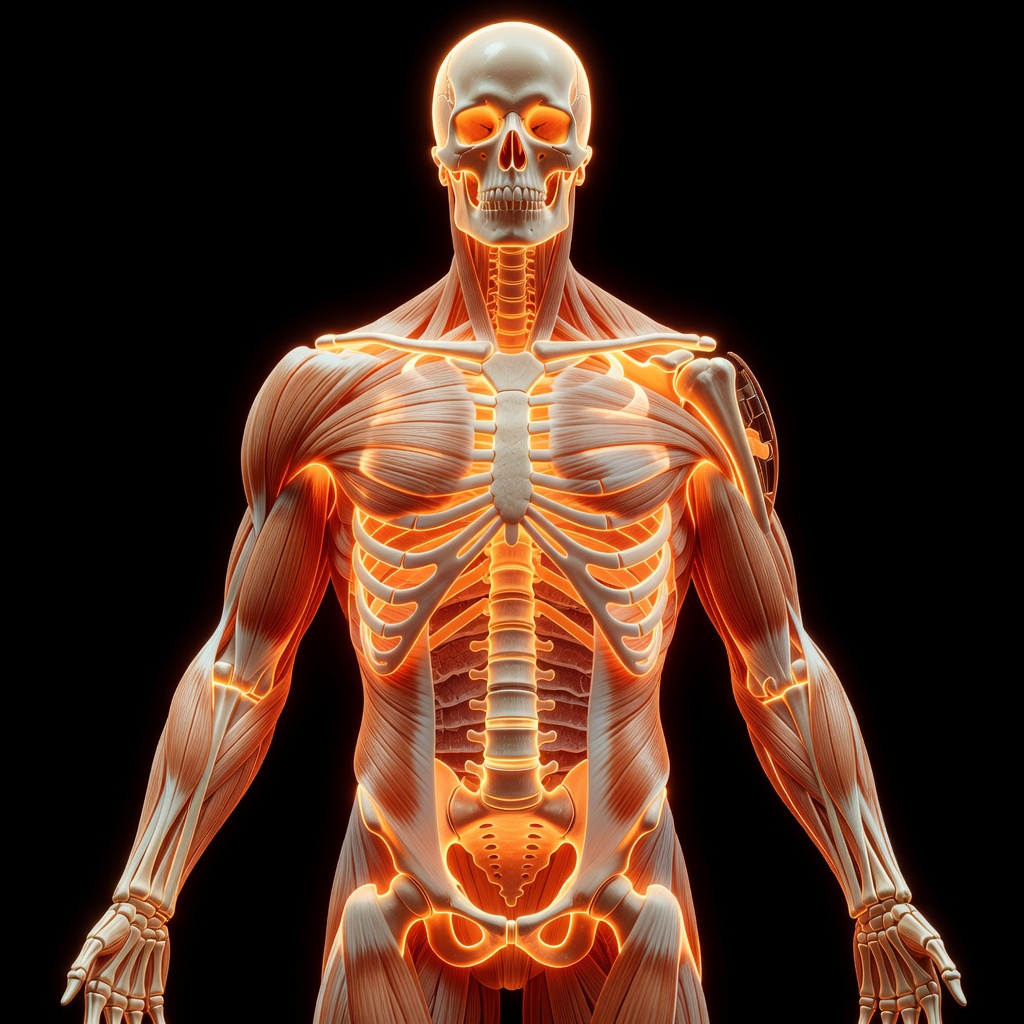
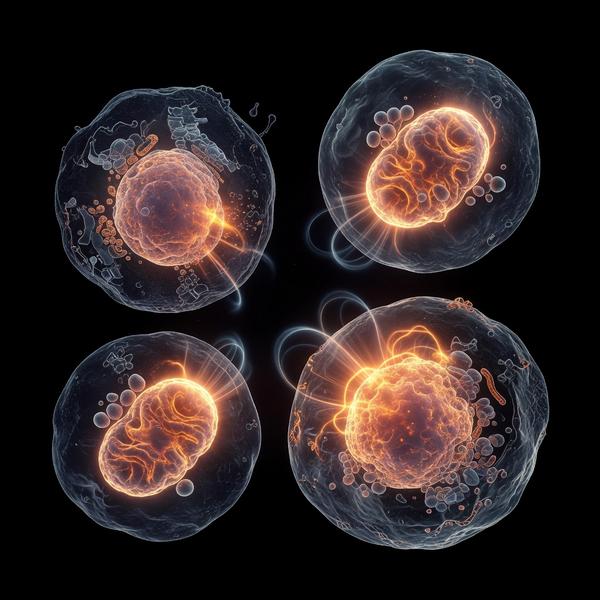
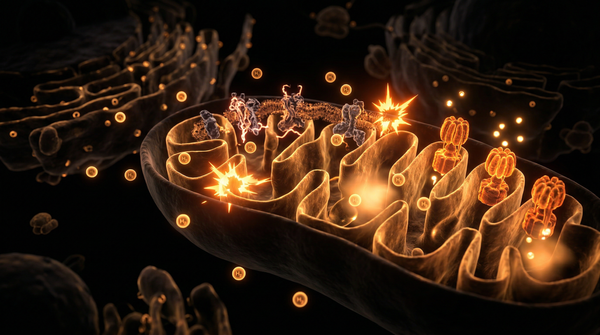
Introduction: The Cellular Basis of Pelvic Pain. Pelvic floor neuropathies, often manifesting as vulvodynia, interstitial cystitis, or chronic proctalgia, are frequently treated as surface-level inflammatory conditions. However, at the INNERSTANDING platform, we shift the focus to the root cause: the metabolic environment of the peripheral nerves. ## Mitochondrial Dysfunction: The Energy Crisis. Mitochondria are the power plants of our cells. In patients with chronic pelvic floor pain, these organelles often exhibit decreased adenosine triphosphate (ATP) production.
When neurons in the pelvic plexus lack sufficient energy, their ability to maintain ion gradients is compromised, leading to peripheral sensitization. This 'energy crisis' means that even minor stimuli are interpreted by the brain as excruciating pain. ## The Role of Oxidative Stress. Oxidative stress occurs when there is an imbalance between free radical production and antioxidant defenses. In the context of the pelvic floor, localized hypoxia and chronic low-grade inflammation trigger the release of reactive oxygen species (ROS). These molecules damage the phospholipid bilayer of the perineal nerves, causing 'leakiness' and spontaneous firing.
This lipid peroxidation is a hallmark of many neuropathic conditions. ## The Vicious Cycle. Oxidative stress damages mitochondria, which in turn produce less ATP and more ROS, creating a self-perpetuating cycle of cellular decay. This cycle explains why pelvic floor neuropathy is often treatment-resistant; systemic inflammation and localized nerve stress reinforce each other. ## Therapeutic Considerations. Addressing mitochondrial health requires a multi-faceted approach. This includes targeted micronutrient support such as Coenzyme Q10, Acetyl-L-carnitine, and Alpha-Lipoic Acid, which serve as essential cofactors for the Krebs cycle.
Additionally, managing pelvic floor tension through myofascial release reduces the mechanical stress on mitochondria, lowering oxygen demand. ## Conclusion. Understanding the link between oxidative stress and mitochondrial dysfunction allows us to move beyond palliative care. By supporting the metabolic needs of the pelvic nervous system, patients can begin to address the root drivers of their chronic pain.
This article is provided for informational and educational purposes only. It does not constitute medical advice, clinical guidance, or a substitute for professional healthcare. Information reflects cited research at time of publication. Always consult a qualified healthcare professional before acting on any health information.
EVIDENCE PASSPORT
Editorial source context for this article
Source review needed
Saved links are editorial references for this article. They may support specific claims rather than every sentence. Open and assess each source in context. This passport does not independently verify them.
Editorial context
A complete editorial reading has not been recorded for this article, and no source links are saved on its record.
Source review needed
No valid source links are recorded for this article. Supplementary research, where available, is listed separately below.
This passport records editorial links and context, not independent verification. Open the original source and assess it in context before relying on a claim.
Medical Disclaimer
The information in this article is for educational purposes only and does not constitute medical advice, diagnosis, or treatment. Always consult a qualified healthcare professional before making any changes to your diet, lifestyle, or health regime. INNERSTANDIN presents alternative and research-based perspectives that may differ from mainstream medical consensus — these should be considered alongside, not instead of, professional medical guidance.
Read Full DisclaimerContinue the thread
Keep this question moving.
Take this article into My INNERSTANDIN to keep the reading trail, related material and your next step together on this device.
Explore this in the Body Map
Explore related body structures and their educational pages in the interactive Body Map.
Dig deeper in the Library
Free, longform PDF volumes that go beyond headlines into mechanisms and references.
RABBIT HOLE
Follow the biological thread deeper