
Phase II Conjugation: Neutralising Endocrine Disruptors
Updated May 2026
Phase II pathways involve adding polar groups to toxins to facilitate their excretion from the body. This mechanism is the primary defense against the endocrine disruptors found in common household products.
Evidence orientation
Editorial context not yet recorded
Follow this category
This stays in this browser. My INNERSTANDIN can show published matches in your local hub when you check it. It does not send email, push, or alert notifications.
Local learning review
A private browser aid for revisiting ideas. It is not an alert or a health recommendation.
Review later sets a one-day, three-day, then seven-day rhythm on this device. Choose it only when you want to revisit this article.
Overview
In the modern landscape of biological science, we are increasingly forced to reckon with an invisible chemical fog. For decades, the narrative surrounding environmental health has been dominated by acute toxicity—the immediate effects of high-level exposure. However, the true crisis of the 21st century is one of bioaccumulation and endocrine disruption. At the heart of our physiological defence against this onslaught lies a complex, multi-stage filtration system known as biotransformation. While Phase I oxidation often receives the most attention, it is Phase II Conjugation that acts as the definitive executioner of toxins, particularly the Endocrine Disrupting Chemicals (EDCs) that now permeate our air, water, and food supply.
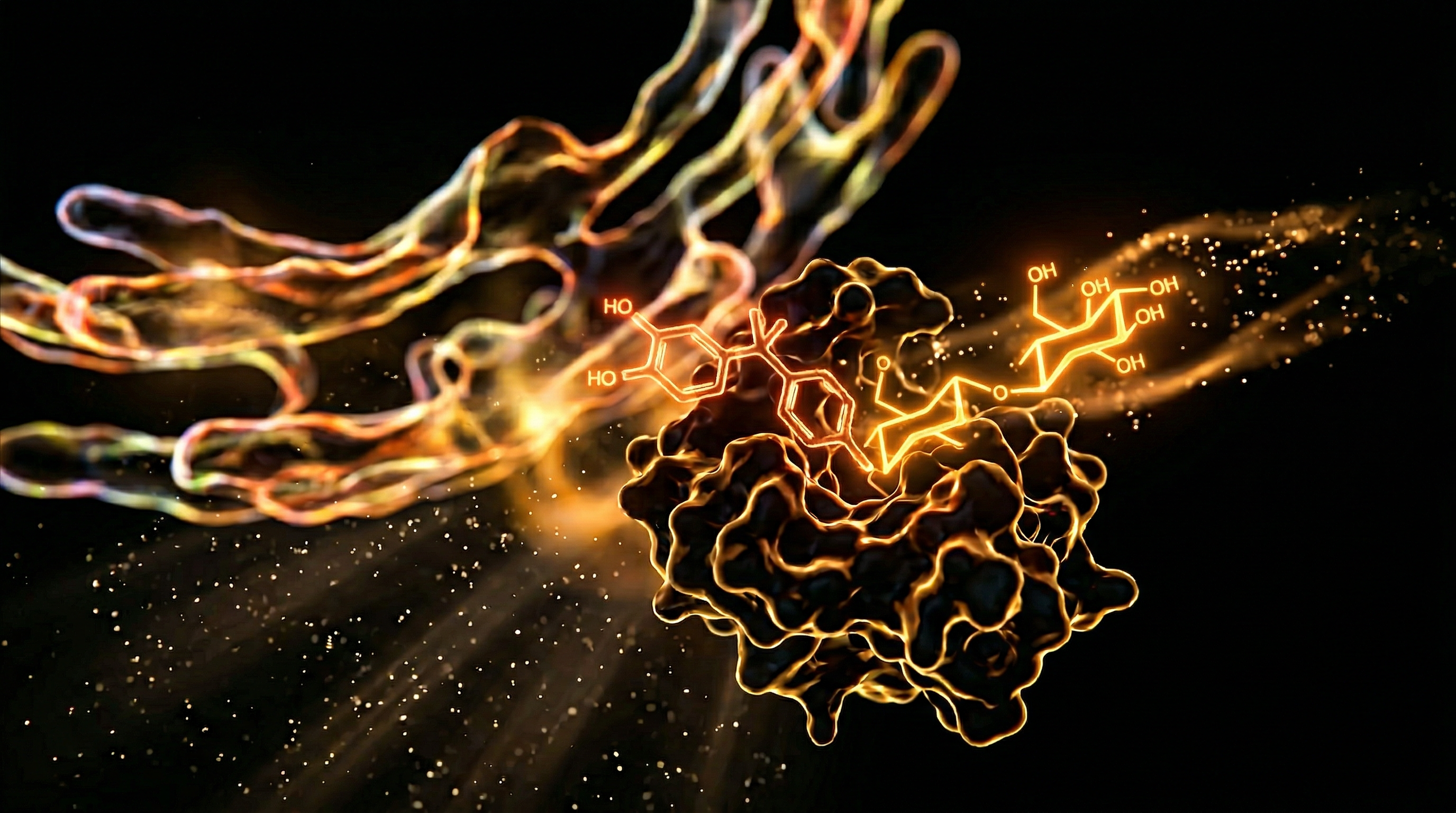
Phase II conjugation is the metabolic process by which the liver, kidneys, and intestines attach specific polar molecules to fat-soluble toxins. This "tagging" renders the substances water-soluble, allowing them to be safely excreted via bile or urine. Without efficient Phase II activity, intermediate metabolites from Phase I—which are often more reactive and dangerous than the original toxins—circulate freely, causing systemic inflammation, DNA damage, and the profound hormonal chaos we identify as endocrine disruption.
This article serves as a deep-dive technical manual into the biochemistry of these pathways. We will explore how our evolutionary biology is struggling to keep pace with a post-industrial world where Xenoestrogens, Phthalates, and Polychlorinated Biphenyls (PCBs) have become ubiquitous. We will also expose the systemic failures in regulatory science that allow these substances to bypass our natural defences, and outline the biological protocols necessary to restore metabolic integrity.
The Biology — How It Works
Biotransformation is not a single event but a sophisticated relay race. To understand Phase II, we must first briefly contextualise its predecessor. In Phase I, the Cytochrome P450 enzyme system uses oxygen to "unlock" a toxin, adding a functional group (such as a hydroxyl group) to make it more reactive. Paradoxically, this often creates a free radical or an unstable intermediate that is significantly more toxic than the parent compound.
Phase II is the "neutralisation" phase. It involves conjugation reactions, where the liver uses specific "donor" molecules to bind to these reactive intermediates. The primary goal of Phase II is to increase the hydrophilicity (water solubility) of the molecule.
Fact: If Phase I is faster than Phase II—a common clinical state known as "pathological detoxification"—the body accumulates highly reactive intermediates that cause lipid peroxidation and "leaky" cellular membranes.
The efficiency of Phase II depends entirely on the availability of specific cofactors: amino acids, minerals, and methyl donors. If the body is depleted of these raw materials due to poor diet, chronic stress, or high toxic load, Phase II slows down. This creates a bottleneck, allowing EDCs to bypass the excretion route and instead migrate into fatty tissues—including the brain, breasts, and prostate—where they can remain for years, mimicking or blocking natural hormones.
Mechanisms at the Cellular Level
Phase II is comprised of six primary pathways. Each is governed by specific enzymes and requires distinct nutritional precursors. When we talk about neutralising endocrine disruptors, we must look specifically at how these pathways handle various chemical structures.
1. Glucuronidation
This is the most prolific Phase II pathway, responsible for the clearance of approximately 40% to 70% of all clinical drugs and a vast array of environmental toxins, including Bisphenol A (BPA).
- Enzyme: UDP-glucuronosyltransferases (UGTs).
- Substrate: Glucuronic acid (derived from glucose).
- Function: It attaches a glucuronic acid molecule to toxins, making them highly water-soluble.
- The EDC Connection: Glucuronidation is the primary route for inactivating oestrogens and xenoestrogens. A failure in this pathway is a major driver of "oestrogen dominance" syndromes.
2. Sulfation
Sulfation is the primary pathway for the transformation of steroid hormones, neurotransmitters, and certain phenolic EDCs like parabens.
- Enzyme: Sulfotransferases (SULTs).
- Substrate: PAPS (3'-phosphoadenosine-5'-phosphosulfate), which requires inorganic sulphate.
- Function: It transfers a sulphate group to the toxin.
- Critical Note: This pathway has a low "capacity" but high "affinity." This means it works very well at low concentrations but is easily overwhelmed by high toxic loads, shifting the burden to the glucuronidation pathway.
3. Glutathione Conjugation
Often called the "master antioxidant" pathway, this is the body's primary defence against heavy metals and persistent organic pollutants (POPs).
- Enzyme: Glutathione S-transferases (GSTs).
- Substrate: Glutathione (a tripeptide of cysteine, glycine, and glutamic acid).
- Function: It neutralises electrophilic toxins by binding them to glutathione, forming mercapturic acids which are then excreted.
- Significance: This is the most energetically "expensive" pathway. If cellular ATP or protein intake is low, glutathione levels plummet, leaving the body defenceless against DNA-damaging chemicals.
4. Methylation
Methylation is essential for the detoxification of heavy metals (like arsenic) and the metabolism of catecholamines and oestrogens.
- Enzyme: Catechol-O-methyltransferase (COMT) and others.
- Substrate: S-adenosylmethionine (SAMe).
- Function: It transfers a methyl group to the toxin.
- Hormonal Impact: Proper methylation is required to convert the potentially carcinogenic 4-hydroxyoestrone into the harmless 4-methoxyoestrone.
5. Acetylation
Acetylation is the process by which the body eliminates sulfa drugs and various environmental amines.
- Enzyme: N-acetyltransferases (NAT1 and NAT2).
- Substrate: Acetyl-CoA.
- The Genetic Factor: People are often categorised as "fast" or "slow" acetylators. Slow acetylators are at significantly higher risk of developing bladder cancer and other issues when exposed to industrial dyes and cigarette smoke.
6. Amino Acid Conjugation
The liver uses amino acids—most commonly glycine, but also taurine, glutamine, and arginine—to neutralise organic acids and benzoate-type preservatives.
- Function: It conjugates carboxylic acid groups with an amino acid to form a polar compound.
Environmental Threats and Biological Disruptors
We are currently living in a "chemical soup." The Endocrine Society has identified over 1,000 chemicals that possess endocrine-disrupting properties. These substances do not act like traditional poisons; they act like "biological hackers."
The "Big Four" EDCs
- Bisphenols (BPA, BPS, BPF): Found in plastic linings, till receipts, and food containers. They are potent oestrogen mimics that disrupt the hypothalamic-pituitary-gonadal (HPG) axis.
- Phthalates: Used as plasticisers and in "fragrance" for personal care products. They are known anti-androgens, meaning they interfere with testosterone production and action.
- Per- and Polyfluoroalkyl Substances (PFAS): The "forever chemicals" found in non-stick cookware and water-resistant fabrics. They interfere with thyroid hormone transport and lipid metabolism.
- Atrazine and Organophosphate Pesticides: Ubiquitous in conventional agriculture, these chemicals can trigger the aromatase enzyme, which converts testosterone into oestrogen, feminising male biology and promoting hormone-sensitive cancers in females.
Warning: Unlike standard toxins, EDCs often follow a "non-monotonic dose-response." This means that extremely low doses—parts per trillion—can actually be more disruptive than high doses because they mimic the natural low-level fluctuations of hormones.
The Cascade: From Exposure to Disease
When Phase II conjugation is insufficient to meet the demands of environmental exposure, a predictable biological cascade ensues. This is not merely a "toxin" problem; it is a fundamental disruption of the body’s signalling software.
Metabolic Dysregulation
EDCs are frequently classified as obesogens. By disrupting the thyroid and altering insulin sensitivity, chemicals like phthalates and BPA program the body to store fat and resist weight loss. They interfere with PPARγ (Peroxisome Proliferator-Activated Receptor Gamma), which controls adipocyte (fat cell) differentiation.
Reproductive and Developmental Decline
In the UK and globally, sperm counts have dropped by over 50% in the last four decades. This "Spermageddon" is directly linked to the cumulative load of xenoestrogens and anti-androgens that bypass Phase II conjugation. In women, this manifest as PCOS (Polycystic Ovary Syndrome), endometriosis, and early-onset menopause.
The Neurological Connection
The brain is a fatty organ, making it a "sink" for lipophilic (fat-loving) EDCs that have escaped Phase II. These chemicals disrupt the blood-brain barrier and interfere with neurotransmitter synthesis, contributing to the rising rates of neurodevelopmental disorders and cognitive decline.
Epigenetic Transgenerational Inheritance
The most alarming aspect of EDC exposure is that it is not limited to the individual. Studies have shown that when a pregnant mother’s Phase II pathways are overwhelmed, EDCs can alter the DNA methylation patterns of the foetus. These changes can be passed down to the third and fourth generations, meaning the "sins" of chemical exposure are literally visited upon the great-grandchildren.
What the Mainstream Narrative Omits
The mainstream health narrative—and the regulatory bodies that support it—consistently fails to protect the public from the reality of endocrine disruption. There are three critical omissions in the standard discourse.
1. The "Chemical Cocktail" Effect
Regulatory safety levels for chemicals are almost always determined by testing a single substance in isolation. However, humans are never exposed to just one chemical. We are exposed to hundreds simultaneously. Research shows that chemicals which are "safe" at a certain level individually can become highly toxic or potently endocrine-disrupting when combined. This synergy is completely ignored in current UK and EU safety legislation.
2. Bioaccumulation vs. Excretion
The mainstream often argues that "the dose makes the poison" and that the body naturally detoxes. This ignores the fact that many modern chemicals, such as PFAS and certain PCBs, have half-lives of years or even decades. They are not easily handled by Phase II enzymes because the enzymes did not evolve to recognize these synthetic, halogenated structures.
3. Genetic Polymorphisms (SNPs)
Standard health advice assumes everyone has the same "detox capacity." In reality, genetic variations in enzymes like GSTM1 (glutathione transferase), COMT, and MTHFR mean that a significant portion of the population (up to 50% for some markers) has a genetically reduced ability to conjugate and excrete EDCs. For these individuals, "average" levels of exposure are effectively toxic.
Callout: Modern medicine rarely tests for Phase II enzyme efficiency, focusing instead on liver damage (enzymes like ALT/AST) which only rise after significant tissue destruction has occurred.
The UK Context
In the United Kingdom, the challenge of managing EDC exposure and Phase II efficiency is compounded by specific geographical and political factors.
The Post-Brexit Regulatory Gap
Following the UK's exit from the European Union, the country moved away from the EU's REACH (Registration, Evaluation, Authorisation and Restriction of Chemicals) framework. There are growing concerns among the UK scientific community that the domestic version, UK REACH, is slower to ban harmful substances, leaving UK citizens exposed to chemicals that are already restricted in Europe.
Water Quality and "Forever Chemicals"
The UK’s water infrastructure is under immense pressure. Recent investigations have found high levels of PFAS in British tap water, particularly in South East England. Furthermore, the presence of ethinyl oestradiol (from the contraceptive pill) in the water supply is a major concern. Standard water treatment facilities are not designed to remove these microscopic endocrine disruptors, meaning they are continually recycled through the population.
The British Diet and Nutrient Depletion
The modern "Western" diet in Britain is notoriously low in the cruciferous vegetables (broccoli, cabbage, kale) required to induce Phase II enzymes. Furthermore, the intensive farming practices in the UK have depleted the soil of selenium and magnesium, two minerals critical for glutathione production and ATP synthesis, respectively.
Protective Measures and Recovery Protocols
Neutralising endocrine disruptors is not a passive process; it requires an active, strategic approach to support the Phase II pathways. As a senior researcher, I advocate for a two-pronged strategy: Load Reduction and Metabolic Support.
I. Load Reduction (The Defensive Strategy)
- Eliminate "Fragrance": Synthetic musks and phthalates are almost always hidden under the term "Parfum" or "Fragrance." Switch to essential-oil-based or fragrance-free products.
- Filter Water: Use high-quality filtration (Reverse Osmosis or multi-stage carbon filters) to remove fluoride, chlorine, and PFAS.
- Avoid Thermal Receipts: Many receipts are coated in BPA or BPS, which is absorbed through the skin instantly upon contact.
- Glass over Plastic: Never heat food in plastic containers. The heat causes "leaching," where the polymer chains break and EDCs migrate directly into the food.
II. Metabolic Support (The Offensive Strategy)
To optimise Phase II conjugation, we must provide the specific molecular donors required by the liver.
#### 1. N-Acetyl Cysteine (NAC) and Glutathione Support NAC is a precursor to glutathione. Supplementation has been shown to significantly enhance the body's ability to conjugate heavy metals and reactive Phase I intermediates.
- Recommended: Consuming sulphur-rich foods such as eggs, garlic, and onions.
#### 2. Sulforaphane and Glucosinolates Found in cruciferous vegetables (especially broccoli sprouts), sulforaphane is a potent inducer of the Nrf2 pathway. Nrf2 is the "master switch" that turns on the genes for Phase II enzymes, particularly GST and UGT.
- Clinical Insight: Sulforaphane is perhaps the most effective natural way to upregulate the neutralisation of xenoestrogens.
#### 3. Calcium D-Glucarate This is a specific nutrient that inhibits beta-glucuronidase. Beta-glucuronidase is an enzyme produced by "bad" gut bacteria that "un-conjugates" toxins that the liver has already processed.
- Mechanism: If beta-glucuronidase is high, the liver conjugates a toxin (like oestrogen), sends it to the gut for excretion, but the bacteria break the bond, allowing the toxin to be reabsorbed into the bloodstream. Calcium D-glucarate prevents this "re-poisoning."
#### 4. Methyl Donors (B-Vitamins) Optimising the methylation pathway requires bioactive B-vitamins: Methylfolate (5-MTHF), Methylcobalamin (B12), and Pyridoxal-5-Phosphate (B6). These are essential for the COMT enzyme to neutralise oestrogens and stress hormones.
#### 5. Magnesium and Amino Acids Magnesium is required for the synthesis of PAPS (the sulphate donor) and for ATP production. Glycine supplementation (or collagen) provides the substrate for amino acid conjugation and helps protect the liver from oxidative stress.
Summary: Key Takeaways
The threat of endocrine disruption is not a speculative future concern; it is a current biological reality impacting the fertility, metabolic health, and neurological integrity of the population. However, our biology is not helpless.
- Phase II Conjugation is the body's primary mechanism for rendering lipophilic endocrine disruptors water-soluble and excretable.
- Glucuronidation and Sulfation are the front-line defences against oestrogen mimics and plasticisers.
- Nutritional Status is Paramount. Phase II pathways are "nutrient-hungry." Deficiencies in sulphur, amino acids, and B-vitamins create a metabolic bottleneck that leads to toxin accumulation.
- The System is Failing You. Regulatory bodies do not account for the synergistic "cocktail effect" or the low-dose sensitivity of the endocrine system.
- Proactive Intervention Works. By reducing toxic load and strategically using Nrf2 inducers (like sulforaphane) and glutathione precursors, we can restore the body's ability to maintain hormonal homeostasis in a contaminated world.
Understanding Phase II is the difference between being a passive victim of environmental chemistry and an active steward of your own biological sovereignty. The goal is not just to survive the modern world, but to maintain the metabolic flexibility to thrive within it.
This article is provided for informational and educational purposes only. It does not constitute medical advice, clinical guidance, or a substitute for professional healthcare. Information reflects cited research at time of publication. Always consult a qualified healthcare professional before acting on any health information.
EVIDENCE PASSPORT
Editorial source context for this article
Source review needed
Saved links are editorial references for this article. They may support specific claims rather than every sentence. Open and assess each source in context. This passport does not independently verify them.
Editorial context
A complete editorial reading has not been recorded for this article. Source links remain available for you to open and assess directly.
Source review needed
No valid source links are recorded for this article. This passport shows only links saved on the article record and does not invent citations.
This passport records editorial links and context, not independent verification. Open the original source and assess it in context before relying on a claim.
Medical Disclaimer
The information in this article is for educational purposes only and does not constitute medical advice, diagnosis, or treatment. Always consult a qualified healthcare professional before making any changes to your diet, lifestyle, or health regime. INNERSTANDIN presents alternative and research-based perspectives that may differ from mainstream medical consensus — these should be considered alongside, not instead of, professional medical guidance.
Read Full DisclaimerContinue the thread
Keep this question moving.
Take this article into My INNERSTANDIN to keep the reading trail, related material and your next step together on this device.
Explore this in the Body Map
See where this hits your biology. Interactive anatomy, threats, and protective protocols.
Dig deeper in the Library
Free, longform PDF volumes that go beyond headlines into mechanisms and references.