
Phylogenetic Perspectives: The Evolutionary Origin of Serotonergic Psychedelics in Plant and Fungal Biology
Updated April 2026
Evidence orientation
Editorial context not yet recorded
Follow this category
This stays in this browser. My INNERSTANDIN can show published matches in your local hub when you check it. It does not send email, push, or alert notifications.
Local learning review
A private browser aid for revisiting ideas. It is not an alert or a health recommendation.
Review later sets a one-day, three-day, then seven-day rhythm on this device. Choose it only when you want to revisit this article.
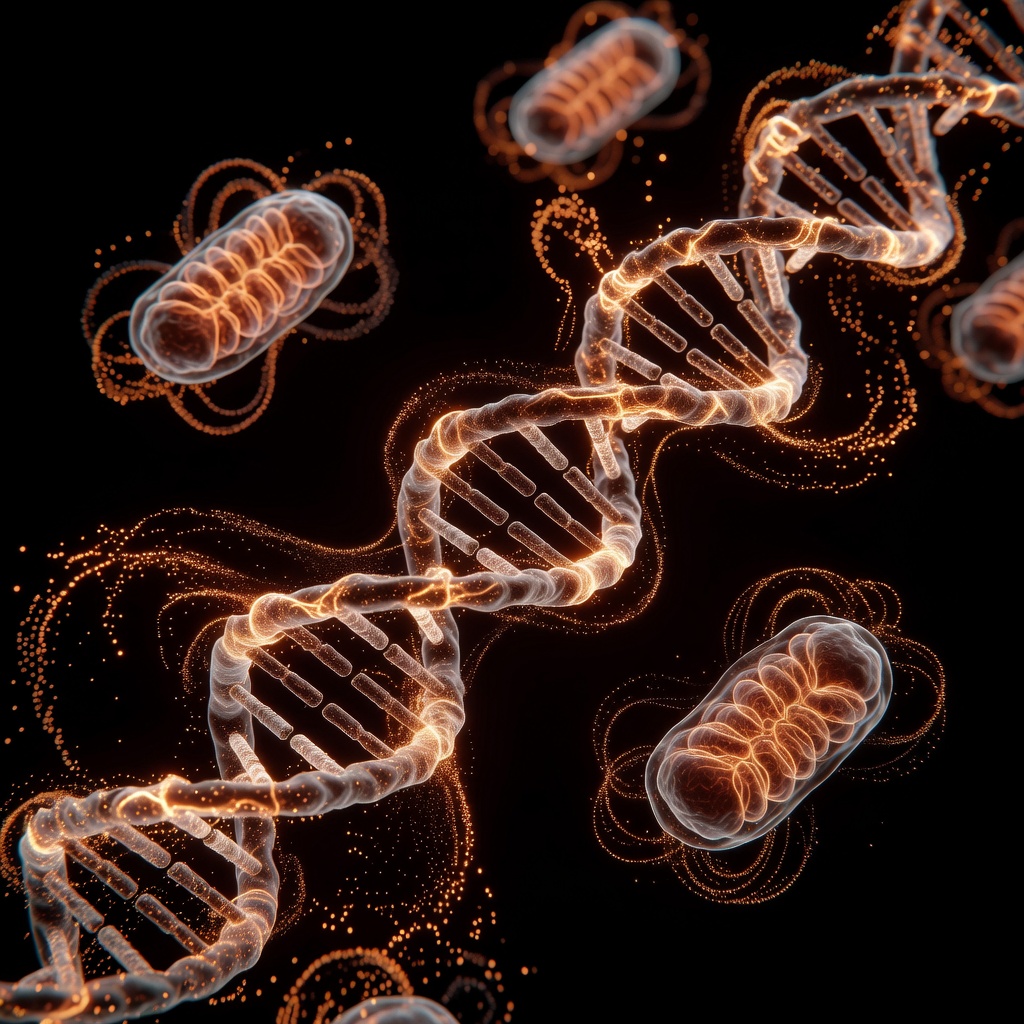
For millennia, the human species has engaged in a profound, often clandestine relationship with a specific class of molecules: serotonergic psychedelics. While modern clinical discourse often focuses on the therapeutic potential of these compounds for treating depression or PTSD, a deeper truth remains largely obscured from public view. These molecules—psilocybin, N,N-Dimethyltryptamine (DMT), and ergot alkaloids—did not evolve for human consumption. They are the products of hundreds of millions of years of phylogenetic warfare, ecological adaptation, and complex genetic horizontal transfers.
To achieve a true innerstanding of these substances, we must look beyond the neurobiology of the human brain and into the ancient biological history of the fungi and plants that synthesise them. This article exposes the evolutionary "why" behind these compounds, tracing their lineage from the primordial soil to the contemporary laboratory.
1. Overview: The Deep Time of Tryptamines
The molecules we categorise as "psychedelics" belong primarily to the tryptamine family. Structurally, they are nearly identical to serotonin (5-HT), the ancient neurotransmitter that regulates mood, appetite, and sleep in humans, but also governs basic biological functions in almost every multicellular organism.
The phylogenetic history of these compounds suggests that they are not biological accidents. Instead, they represent a peak of chemical signalling efficiency. From an evolutionary perspective, the presence of psilocybin in over 200 species of fungi or DMT across dozens of plant families (such as Fabaceae and Rubiaceae) is a testament to the incredible utility of these molecules in the natural world.
Key Fact: The genetic clusters responsible for producing psilocybin are believed to be roughly 67 million years old, emerging around the time of the Cretaceous–Paleogone extinction event. This suggests these molecules were shaping terrestrial ecosystems long before the first hominids walked the Earth.
2. Biological Mechanisms: Molecular Mimicry and Evolutionary Strategy
The core of the phylogenetic mystery lies in molecular mimicry. Why would a fungus or a plant produce a molecule that fits perfectly into the 5-HT2A receptor of a mammalian brain?
The Tryptamine Scaffold
At the molecular level, psilocybin (4-phosphoryloxy-N,N-dimethyltryptamine) and DMT share a bicyclic indole ring structure with the amino acid L-tryptophan. This is the same building block used by humans to create serotonin. By hijacking this metabolic pathway, plants and fungi create "counterfeit" keys that can unlock the most complex signalling systems in the animal kingdom.
Horizontal Gene Transfer (HGT)
One of the most startling "truth-exposing" revelations in recent mycological research is the discovery of Horizontal Gene Transfer. Unlike vertical evolution (parent to offspring), HGT involves the transfer of genetic material between unrelated species living in the same environment.
Research conducted at Ohio State University discovered that the five genes required to produce psilocybin are found in a "cluster." This cluster has been "jumped" between different genera of fungi (Psilocybe, Panaeolus, Gymnopilus) that are not closely related. This suggests a powerful evolutionary pressure: the ability to produce psilocybin is so advantageous that nature has "copy-pasted" the instructions across the fungal kingdom.
Why Produce Psychedelics?
The primary theories for why these organisms produce such potent compounds include:
- Insect Deterrence: Many researchers believe psilocybin acts as an anorexiant—a chemical that suppresses the appetite of insects. By altering the serotonin levels of a leaf-eating or wood-boring insect, the fungus protects its food source.
- Symbiotic Signalling: Some evidence suggests these molecules may facilitate communication within the "Wood Wide Web" (mycorrhizal networks), helping fungi navigate their environment or interact with plant roots.
- Niche Adaptation: The production of secondary metabolites like DMT may help plants survive in high-stress, high-predation environments like the Amazon basin.
3. The UK Context & Relevance: From Ancient Hedgerows to Modern Medicine
The United Kingdom has a unique relationship with these phylogenetic wonders. The *Liberty Cap (Psilocybe semilanceata)* is native to the British Isles, growing in the acidic soils of our grasslands and hills.
The Legal Disconnect
Despite the profound biological antiquity of these organisms, the UK's legal framework—specifically the Misuse of Drugs Act 1971—categorises these ancient molecules as "Schedule 1." This designation claims they have "no medicinal value," a stance that is increasingly at odds with the biological reality of how these molecules interact with human physiology.
The Research Renaissance
The UK is currently the global epicentre of the "Psychedelic Renaissance." Institutions like Imperial College London and King’s College London are leading the world in clinical trials. They are essentially "reverse-engineering" the evolutionary wisdom of these plants to treat modern "disorders of the soul," such as treatment-resistant depression and anorexia.
Key Fact: The UK was the first country to host a large-scale, regulatory-standard clinical trial for psilocybin therapy, marking a pivot from "prohibition" to "scientific exploration" of these evolutionary tools.
4. Environmental Factors: The Ecology of Consciousness
The "evolutionary origin" of psychedelics is intrinsically linked to the environment. The potency and prevalence of these compounds are often responses to external stressors.
Soil and Substrate
For fungi, the availability of tryptophan in the soil or decaying matter is a limiting factor. The more nutrient-poor or competitive the environment, the more likely a species is to invest energy into producing defensive metabolites like psilocybin.
Climate Change and Biodiversity
As the UK and global climates shift, the delicate phylogenetic balance is threatened. Changes in temperature and rainfall patterns affect the fruiting bodies of Psilocybe species. Furthermore, the industrialisation of agriculture and the use of fungicides destroy the mycorrhizal networks that have existed for millions of years. When we lose biodiversity, we lose the "chemical libraries" that nature has spent eons refining.
5. Protective Strategies: Ethical and Biological Stewardship
As we seek to gain "innerstanding" and utilise these phylogenetic gifts, we must adopt strategies that protect both the consumer and the source.
Ethical Sourcing and Sustainability
The sudden global demand for "natural" psychedelics has led to the over-harvesting of vulnerable species, such as the *Peyote cactus (Lophophora williamsii) and the Ayahuasca vine (Banisteriopsis caapi)*.
- Strategy: Prioritise synthetic or laboratory-grown equivalents for clinical use to reduce pressure on wild ecosystems.
- Strategy: Support indigenous land rights, as these communities are the traditional "gatekeepers" of the phylogenetic knowledge we are only now "discovering."
Cognitive Liberty and Harm Reduction
From a health education perspective, the most important "protective strategy" is informed consent. These molecules are powerful evolutionary tools that can "reset" neural networks.
- Set and Setting: Acknowledge that because these molecules evolved to interact with the 5-HT system, they can profoundly affect perception and cardiovascular health.
- Integration: Understanding the biological origin helps remove the "recreational" stigma and encourages a more respectful, therapeutic approach to use.
6. Key Takeaways: What We Must "Innerstand"
To conclude this phylogenetic exploration, we must synthesise the biological facts with our modern health perspectives:
- Ancient Lineage: Serotonergic psychedelics are not "new drugs"; they are ancient chemical signals that pre-date human existence by millions of years.
- Convergent Evolution: The fact that both plants and fungi independently "invented" DMT and psilocybin underscores the immense biological utility of the tryptamine structure.
- Molecular Mimicry: These substances work because they "speak" the universal language of serotonin, allowing them to interface with the human nervous system with unparalleled precision.
- Ecological Stewardship: Our ability to benefit from these molecules in a clinical or spiritual sense is directly tied to our protection of the Earth’s biodiversity.
- The UK’s Role: Britain is leading the way in reconciling these ancient biological truths with modern medical science, potentially paving the way for a more enlightened legal and social framework.
Final Thought: We do not "take" psychedelics as much as we enter into a biological dialogue with an ancient phylogenetic lineage. To respect the molecule is to respect the 60-million-year history of the organism that created it.
By shifting our perspective from "substance use" to "biological interaction," we move closer to a state of innerstanding—where the health of the individual is seen as inseparable from the evolutionary history of the natural world. This is the future of psychedelic medicine: a synthesis of deep-time biology and cutting-edge neuroscience.
This article is provided for informational and educational purposes only. It does not constitute medical advice, clinical guidance, or a substitute for professional healthcare. Information reflects cited research at time of publication. Always consult a qualified healthcare professional before acting on any health information.
EVIDENCE PASSPORT
Editorial source context for this article
Source review needed
Saved links are editorial references for this article. They may support specific claims rather than every sentence. Open and assess each source in context. This passport does not independently verify them.
Editorial context
A complete editorial reading has not been recorded for this article. Source links remain available for you to open and assess directly.
Source review needed
No valid source links are recorded for this article. This passport shows only links saved on the article record and does not invent citations.
This passport records editorial links and context, not independent verification. Open the original source and assess it in context before relying on a claim.
Medical Disclaimer
The information in this article is for educational purposes only and does not constitute medical advice, diagnosis, or treatment. Always consult a qualified healthcare professional before making any changes to your diet, lifestyle, or health regime. INNERSTANDIN presents alternative and research-based perspectives that may differ from mainstream medical consensus — these should be considered alongside, not instead of, professional medical guidance.
Read Full DisclaimerContinue the thread
Keep this question moving.
Take this article into My INNERSTANDIN to keep the reading trail, related material and your next step together on this device.
Explore this in the Body Map
See where this hits your biology. Interactive anatomy, threats, and protective protocols.
Dig deeper in the Library
Free, longform PDF volumes that go beyond headlines into mechanisms and references.