
Postnatal Depletion: The Nutritional Cost of UK Birth Practices
Updated May 2026
Postnatal depletion syndrome involves deep biochemical deficits in essential minerals and vitamins post-birth. This issue is exacerbated by the lack of nutritional support in the UK postpartum period.
Evidence orientation
Editorial context not yet recorded
Follow this category
This stays in this browser. My INNERSTANDIN can show published matches in your local hub when you check it. It does not send email, push, or alert notifications.
Local learning review
A private browser aid for revisiting ideas. It is not an alert or a health recommendation.
Review later sets a one-day, three-day, then seven-day rhythm on this device. Choose it only when you want to revisit this article.
Overview
In the contemporary landscape of maternal health, a silent epidemic is unfolding—one that the traditional medical establishment in the United Kingdom has largely failed to quantify, let alone address. This is the phenomenon of Postnatal Depletion. While the mainstream narrative often reduces the postpartum experience to a binary of "normal fatigue" or "postnatal depression," biological reality dictates a far more complex and harrowing story.
Postnatal depletion is not a psychological "state of mind"; it is a state of deep, systemic biochemical bankruptcy. It is the physiological consequence of the relentless transfer of maternal nutrients to the foetus, followed by the acute metabolic demands of birth and the subsequent nutritional tax of lactation. In the UK, this biological drain is met with a clinical environment that prioritises infant survival while effectively abandoning the maternal organism once the umbilical cord is severed.
From a biological perspective, the mother’s body is a donor organism. During pregnancy, the placenta acts as a sophisticated nutrient pump, prioritising the foetus at the expense of maternal reserves. If the mother’s diet and internal stores are not sufficient to meet this demand, her own tissues—her bones, her brain, and her vital organs—are "mined" for resources. When she enters the postpartum period, she does so not from a baseline of health, but from a state of profound deficit.
This article aims to expose the mechanisms of this depletion, the failure of the UK’s "six-week check" model, and the cellular-level cascades that lead from nutritional scarcity to long-term chronic illness. We are witnessing a generation of mothers living in a state of permanent "brain fog," exhaustion, and physiological fragility—a cost that is entirely avoidable if we understand the biochemistry of the fourth trimester.
Fact: Research suggests that the maternal brain can shrink by up to 5% during pregnancy as the body reallocates lipids and nutrients to the developing foetus. Without specific nutritional intervention, this volume loss and associated cognitive dysfunction can persist for years.
The Biology — How It Works
The biological imperative of human reproduction is the survival of the offspring. Evolution has designed the maternal body to be secondary to the needs of the developing foetus. This "placental dominance" ensures that even if a mother is malnourished, the baby receives a baseline of essential nutrients. However, the cost of this evolutionary safeguard is the total evacuation of maternal micro and macronutrient stores.
The Nutrient Siphon
Throughout the 40 weeks of gestation, the mother acts as a bio-reservoir. Key nutrients are sequestered with ruthless efficiency:
- Docosahexaenoic Acid (DHA): Essential for foetal brain and retinal development. The mother’s brain is literally scavenged for these long-chain omega-3 fatty acids.
- Iron: Required for the massive expansion of blood volume (up to 50%) and the creation of the foetal circulatory system.
- Calcium: If dietary intake is insufficient, the body activates osteoclasts to break down maternal bone tissue to supply the foetal skeleton.
- Zinc and Magnesium: Utilised for over 300 enzymatic reactions and DNA synthesis within the rapidly dividing foetal cells.
The Hormonal Shift and Metabolic Demand
The transition from pregnancy to the postpartum period is the most abrupt hormonal shift any human can experience. Within 48 hours of birth, levels of progesterone and oestrogen plummet by over 90%. Simultaneously, the demand for prolactin and oxytocin surges to facilitate lactation and bonding.
This transition requires immense metabolic energy. Lactation alone consumes approximately 500–700 calories per day—more than the caloric requirement of the third trimester. In a state of depletion, the HPA (Hypothalamic-Pituitary-Adrenal) axis becomes dysregulated. The body, sensing a lack of resources, enters a "survival mode" characterised by elevated cortisol and suppressed thyroid function. This is the biological foundation of the "tired but wired" sensation reported by millions of UK mothers.
Mechanisms at the Cellular Level
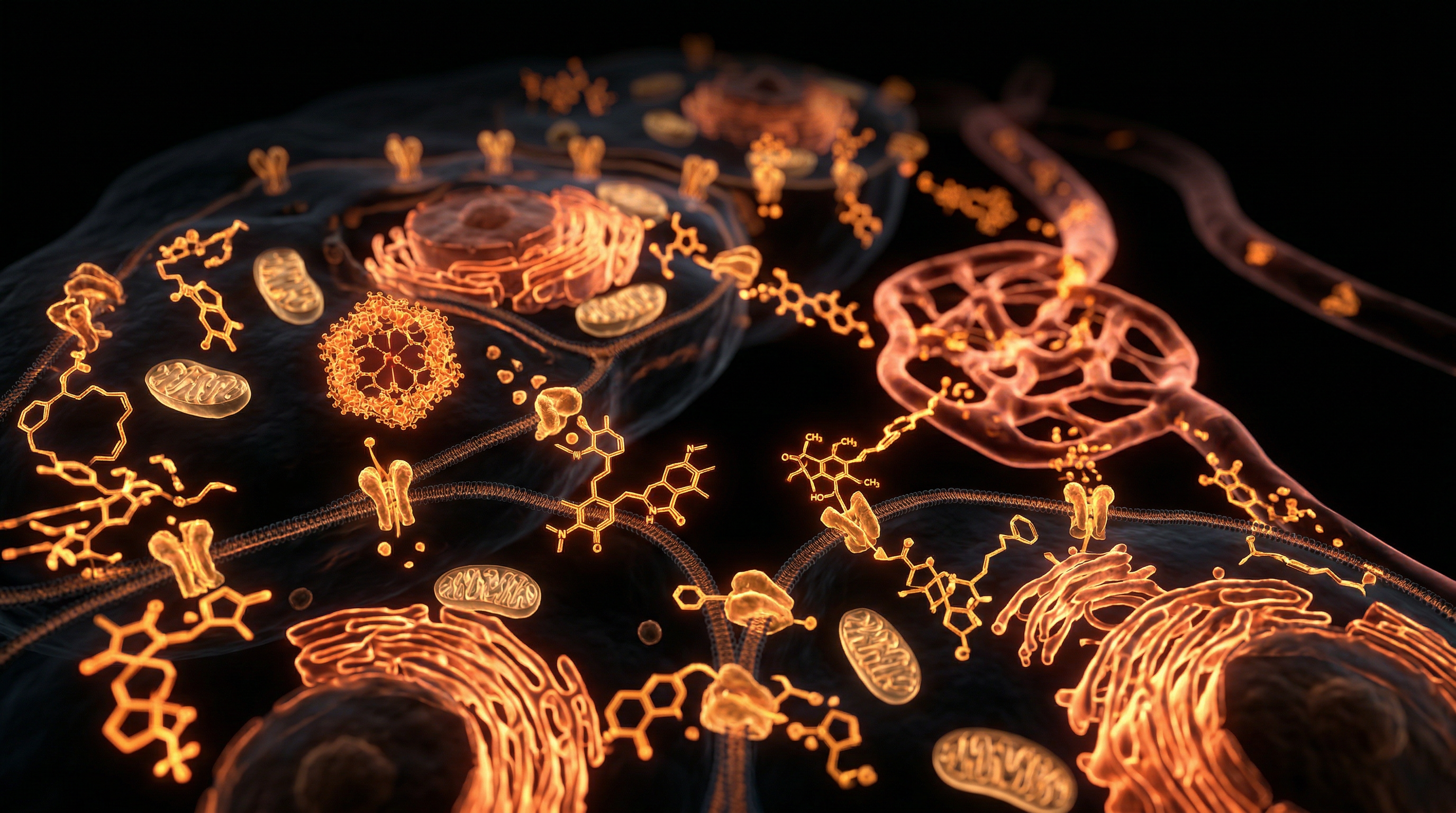
To understand postnatal depletion, we must look beyond the macro-symptoms and focus on cellular integrity. The depletion is not merely an absence of "vitamins"; it is a failure of cellular energy production and structural maintenance.
Mitochondrial Dysfunction
The mitochondria are the powerhouses of the maternal cell. Their function depends heavily on Coenzyme Q10, Magnesium, and B-vitamins. When these are depleted during pregnancy and birth, ATP (Adenosine Triphosphate) production falters. This manifests as profound lethargy that cannot be cured by sleep alone. Without sufficient ATP, the body cannot repair the tissue damage sustained during birth, leading to prolonged recovery times and chronic inflammation.
The Myelin and DHA Connection
The human brain is approximately 60% fat. DHA is the primary structural component of the cerebral cortex and the myelin sheath. During the third trimester, the foetus requires high amounts of DHA for rapid brain growth. If the mother is not supplementing with high-quality, bioavailable omegas, the body will pull DHA from her own brain tissue. This leads to what is colloquially known as "baby brain," but which is medically more accurately described as neuronal lipid depletion. This affects neurotransmitter signalling, leading to cognitive impairment and mood instability.
Oxidative Stress and DNA Repair
Birth is an oxidatively stressful event. The "oxidative burst" associated with labour creates a massive influx of free radicals. Under normal circumstances, maternal antioxidants like Glutathione, Vitamin C, and Vitamin E would neutralise this damage. However, in a depleted mother, these antioxidant stores are exhausted. The resulting oxidative stress damages cellular membranes and DNA, potentially triggering the onset of autoimmune conditions or accelerated ageing.
Microchimerism: The Foetal-Maternal Exchange
A fascinating and often overlooked cellular mechanism is foetal microchimerism. During pregnancy, foetal cells migrate into the mother’s body and can persist in her tissues for decades. While some research suggests these cells can aid in wound healing, they also place a demand on the maternal immune system. If the mother is nutritionally depleted, the presence of these foreign cells can contribute to immune dysregulation and the "smouldering" inflammation typical of postnatal syndrome.
Environmental Threats and Biological Disruptors
The biological toll of birth is compounded by a modern environment that is fundamentally hostile to maternal recovery. In the UK, several factors coalesce to turn a natural period of depletion into a chronic pathological state.
Soil Depletion and Nutrient Density
The "Standard British Diet" (SBD) is increasingly devoid of essential minerals. Due to intensive farming practices, UK soils have lost significant amounts of Selenium, Magnesium, and Zinc over the last 50 years. Even a mother attempting to eat a "balanced diet" may find herself deficient because the produce she consumes is nutritionally inferior to that of her ancestors.
Ultra-Processed Foods (UPFs)
The UK has one of the highest consumptions of ultra-processed foods in Europe. These foods are not only nutrient-void but are often "anti-nutrients." High intakes of refined sugars and industrial seed oils (omega-6) drive systemic inflammation and further deplete the body of B-vitamins and minerals required for their metabolism.
The Medicalisation of Birth: Synthetic Oxytocin
The widespread use of Syntocinon (synthetic oxytocin) in UK hospitals to induce or augment labour has profound biochemical consequences. Synthetic oxytocin does not cross the blood-brain barrier in the same way natural oxytocin does. It can desensitise maternal oxytocin receptors, interfering with natural bonding and the "hormonal high" that is supposed to assist in early postpartum recovery. This interference can increase the risk of postnatal depression and alter the metabolic recovery of the mother.
Circadian Disruption and Blue Light
Modern postnatal life is characterised by chronic sleep fragmentation. While this is expected with an infant, the exposure to artificial blue light (phones, tablets) during night feeds suppresses Melatonin production. Melatonin is not just a sleep hormone; it is a master antioxidant and mitochondrial regulator. The loss of melatonin further inhibits the mother’s ability to repair cellular damage overnight.
The Cascade: From Exposure to Disease
Postnatal depletion is rarely a static condition. Without intervention, it initiates a "cascade" that can lead to long-term chronic disease. The transition from "depleted mother" to "patient with a chronic condition" is often subtle and occurs over several years.
Stage 1: The Initial Crash (0–6 Months)
This stage is defined by acute nutrient deficits. Symptoms include:
- Intense hair loss (depletion of Zinc, Iron, and Biotin).
- Extreme fatigue.
- Poor wound healing (from episiotomies or C-sections).
- Cognitive "fog."
Stage 2: HPA-Axis Dysregulation (6–18 Months)
As the body attempts to compensate for lack of sleep and nutrients, the adrenal glands are overworked. The mother may experience:
- "Tired but wired" state.
- Anxiety and irritability.
- Insomnia (even when the baby is sleeping).
- Sugar and salt cravings (as the body desperately seeks quick energy and electrolytes).
Stage 3: The Autoimmune Trigger (18 Months+)
Chronic depletion and inflammation are the primary triggers for autoimmunity. In the UK, we see a significant spike in Hashimoto’s Thyroiditis and Rheumatoid Arthritis in the years following childbirth. The body, in its stressed and nutrient-starved state, loses its ability to distinguish between "self" and "non-self."
Stage 4: Systemic Metabolic Failure
If the mother enters a second pregnancy before recovering from the first—a common occurrence—the depletion is compounded. This is often where we see the most significant health collapses, as the body has zero reserves left to offer.
Statistic: Studies indicate that it takes the average woman approximately two to three years to fully replenish the nutrient stores lost during a single pregnancy and breastfeeding journey, yet the average "recovery" period acknowledged by UK workplaces is a mere 6 to 9 months.
What the Mainstream Narrative Omits
The mainstream medical and social narrative surrounding motherhood in the UK is predicated on a dangerous myth: the "Bounce Back." This narrative is not only psychologically damaging but biologically impossible for many.
The Focus on "Mental Health" vs. "Biochemistry"
When a UK mother presents to her GP with fatigue or low mood, she is almost reflexively screened for Postnatal Depression (PND). If she meets the criteria, she is often prescribed Selective Serotonin Reuptake Inhibitors (SSRIs). While SSRIs may have a role for some, the mainstream narrative omits the fact that neurotransmitters are made from nutrients.
- Serotonin requires Tryptophan, B6, and Zinc.
- Dopamine requires Tyrosine, Iron, and B6.
If the underlying cause of her low mood is a lack of the building blocks for these chemicals, an SSRI is merely "painting over the damp" of a crumbling biological foundation.
The Invisibility of the Mother
In the UK, the "Midwifery Model" is excellent at ensuring a safe delivery. However, once the baby is born, the focus shifts almost entirely to the infant’s weight gain and developmental milestones. The mother is viewed as the "wrapper" for the child. Her physiological state is rarely monitored unless she presents with acute haemorrhage or infection. The slow, grinding erosion of her mineral stores is considered "part of being a mum."
The "Normalisation" of Suffering
There is a cultural "martyrdom" attached to motherhood in the UK. Mothers are expected to be exhausted. They are told that "it’s just how it is." This normalisation prevents women from seeking the biochemical support they need, as they believe their suffering is a standard requirement of the role.
The UK Context: A Systemic Failure
The United Kingdom presents a unique set of challenges for the postnatal mother. While the NHS provides universal care, the current framework is woefully unequipped to deal with the nuances of postnatal biochemistry.
The "6-Week Check" Fallacy
The standard postpartum check-up in the UK is a 10-to-20-minute appointment, usually occurring at six weeks. The GP typically checks the mother’s blood pressure, discusses contraception, and asks a few perfunctory questions about mood. Crucially, routine blood tests for nutrient levels are almost never performed. A mother may be profoundly anaemic (low ferritin), have a struggling thyroid (subclinical hypothyroidism), or be deficient in Vitamin D, but unless she specifically demands and justifies these tests, she is sent home with a clean bill of health.
The British Diet and Cultural Isolation
Unlike many Eastern or Mediterranean cultures, the UK has lost the tradition of the "Convalescent Period." In many cultures (e.g., the Chinese Zuo Yue Zi), the mother is confined to bed for 30–40 days, fed nutrient-dense "mothering foods" (bone broths, organ meats, warm stews), and supported by an extended family network. In the UK, the nuclear family structure and the pressure to return to "normal life" (supermarket runs, socialising, housework) within days of birth mean the mother’s body never exits the sympathetic nervous system's "fight or flight" mode.
The Cost of Living and Food Quality
As of the mid-2020s, the UK faces a cost-of-living crisis that directly impacts maternal nutrition. High-quality, bioavailable proteins (grass-fed beef, wild-caught fish, organic eggs) are becoming prohibitively expensive for many. This forces a reliance on cheaper, grain-based, and processed foods that exacerbate the depletion cycle.
Protective Measures and Recovery Protocols
Recovery from postnatal depletion requires a radical shift in perspective. We must move from "getting by" to "active repletion." The following protocols are essential for any mother navigating the postnatal period in the UK.
1. Advanced Biochemical Testing
Mothers should not wait for the NHS to offer testing; they must often seek private functional testing to get a true picture of their status. Key markers include:
- Ferritin: Not just "within range," but optimal (above 70–80 ng/mL).
- Full Thyroid Panel: TSH, Free T3, Free T4, and Thyroid Antibodies.
- Vitamin D3 (25-OH): Vital for immune function and mood.
- Red Cell Magnesium: A more accurate measure of magnesium stores than serum magnesium.
- Omega-3 Index: To measure the amount of EPA and DHA in red blood cell membranes.
2. The "Ancestral" Nutritional Approach
To replenish the body, one must consume the most nutrient-dense foods available.
- Bone Broths: Rich in glycine, proline, and minerals to repair connective tissue and the gut lining.
- Organ Meats (or supplements): Liver is the most concentrated source of bioavailable Vitamin A, B12, and Iron.
- High-Dose DHA: Minimum 1000mg of DHA per day to support brain re-lipidation.
- Warmth and Digestibility: In the first 40 days, the focus should be on warm, slow-cooked foods. The digestive system is "cold" and sluggish after birth; raw salads and cold smoothies are contraindicated.
3. Nervous System Regulation
Biochemistry is not just about what you eat; it’s about what you absorb. If a mother is in a state of chronic stress, her "rest and digest" (parasympathetic) system is offline.
- The "Naps as Medicine" Rule: Sleep is a non-negotiable metabolic requirement.
- Magnesium Soaks: Epsom salt baths provide transdermal magnesium and force a period of relaxation.
- Boundary Setting: Limiting visitors and social obligations in the first 3 months.
4. Intelligent Supplementation
In the modern UK environment, diet alone is often insufficient for repletion.
- Liposomal B-Complex: For energy and neurotransmitter support.
- Trace Minerals: To replace what is missing from the soil.
- Iodine: Crucial for thyroid health and infant brain development (via breastmilk).
Pro-Tip: Avoid "One-a-Day" prenatal vitamins post-birth. They often contain low-quality, synthetic forms of nutrients (like folic acid instead of folate) that the depleted body cannot effectively utilise.
Summary: Key Takeaways
Postnatal depletion is a profound biological reality that the UK healthcare system is currently failing to acknowledge. The transition to motherhood involves a massive, systemic transfer of resources that leaves the maternal organism vulnerable to physical and psychological collapse.
- Motherhood is a high-performance metabolic state. It requires more nutritional support than almost any other phase of the human life cycle.
- The "6-week check" is insufficient. It ignores the biochemical reality of nutrient depletion and hormonal dysregulation.
- Brain fog and fatigue are symptoms of "neuronal mining." Without DHA and minerals, the brain cannot function optimally.
- The UK context exacerbates the issue. Soil depletion, processed foods, and the loss of the "village" support system create a perfect storm for maternal depletion.
- Repletion is possible but requires intention. Focus on bioavailable nutrients, nervous system regulation, and comprehensive testing.
The health of a society is reflected in the health of its mothers. Until we stop treating postnatal depletion as a "normal" part of life and start treating it as the serious biochemical deficit it is, we will continue to see a rise in chronic illness and postnatal suffering. It is time for a new standard of care—one that honours the biological sacrifice of the mother and provides the resources necessary for her to truly thrive, not just survive.
This article is provided for informational and educational purposes only. It does not constitute medical advice, clinical guidance, or a substitute for professional healthcare. Information reflects cited research at time of publication. Always consult a qualified healthcare professional before acting on any health information.
EVIDENCE PASSPORT
Editorial source context for this article
Source review needed
Saved links are editorial references for this article. They may support specific claims rather than every sentence. Open and assess each source in context. This passport does not independently verify them.
Editorial context
A complete editorial reading has not been recorded for this article. Source links remain available for you to open and assess directly.
Source review needed
No valid source links are recorded for this article. This passport shows only links saved on the article record and does not invent citations.
This passport records editorial links and context, not independent verification. Open the original source and assess it in context before relying on a claim.
Medical Disclaimer
The information in this article is for educational purposes only and does not constitute medical advice, diagnosis, or treatment. Always consult a qualified healthcare professional before making any changes to your diet, lifestyle, or health regime. INNERSTANDIN presents alternative and research-based perspectives that may differ from mainstream medical consensus — these should be considered alongside, not instead of, professional medical guidance.
Read Full DisclaimerContinue the thread
Keep this question moving.
Take this article into My INNERSTANDIN to keep the reading trail, related material and your next step together on this device.
Dig deeper in the Library
Free, longform PDF volumes that go beyond headlines into mechanisms and references.