
Psychobiotics: Engineering Mental Health Through Fermentation
Updated May 2026
Specific probiotic strains produce neurotransmitters like GABA and serotonin directly in the gut. This emerging field offers a biological alternative to pharmaceutical antidepressants for the British public.
Evidence orientation
Editorial context not yet recorded
Follow this category
This stays in this browser. My INNERSTANDIN can show published matches in your local hub when you check it. It does not send email, push, or alert notifications.
Local learning review
A private browser aid for revisiting ideas. It is not an alert or a health recommendation.
Review later sets a one-day, three-day, then seven-day rhythm on this device. Choose it only when you want to revisit this article.
Overview
For decades, the British public has been sold a reductionist narrative regarding mental health. We have been told that depression, anxiety, and chronic stress are primarily the result of "chemical imbalances" within the brain—specifically a lack of serotonin or dopamine—that can only be corrected through synthetic pharmaceutical intervention. However, as a senior researcher at INNERSTANDING, I am here to present a more profound, biologically grounded reality: the seat of our mental well-being is not in the cranium, but in the colon.
We are currently witnessing a paradigm shift in psychiatry, moving away from the "Prozac Nation" model toward the era of Psychobiotics. A psychobiotic is a live organism that, when ingested in adequate amounts, produces a health benefit in patients suffering from psychiatric illness. This is not merely about "good digestion"; it is about the engineering of the human psyche through the strategic cultivation of microbial colonies.
The human gut is home to approximately 100 trillion microorganisms, a complex ecosystem known as the microbiome. These bacteria are not passive passengers; they are active chemical factories. Emerging research reveals that specific probiotic strains possess the metabolic machinery to synthesise neurotransmitters—the very same chemicals that SSRIs (Selective Serotonin Reuptake Inhibitors) and benzodiazepines attempt to manipulate. Through the ancient technology of fermentation, we have the power to bypass the pharmaceutical industrial complex and restore the brain’s equilibrium from the bottom up.
Fact: Approximately 90% of the body's serotonin and 50% of its dopamine are produced in the gut, not the brain.
This article explores the biological architecture of the gut-brain axis (GBA), the specific microbial strains that function as "living antidepressants," and the environmental forces that have systematically decimated the British microbiome, leading to the current mental health epidemic.
The Biology — How It Works
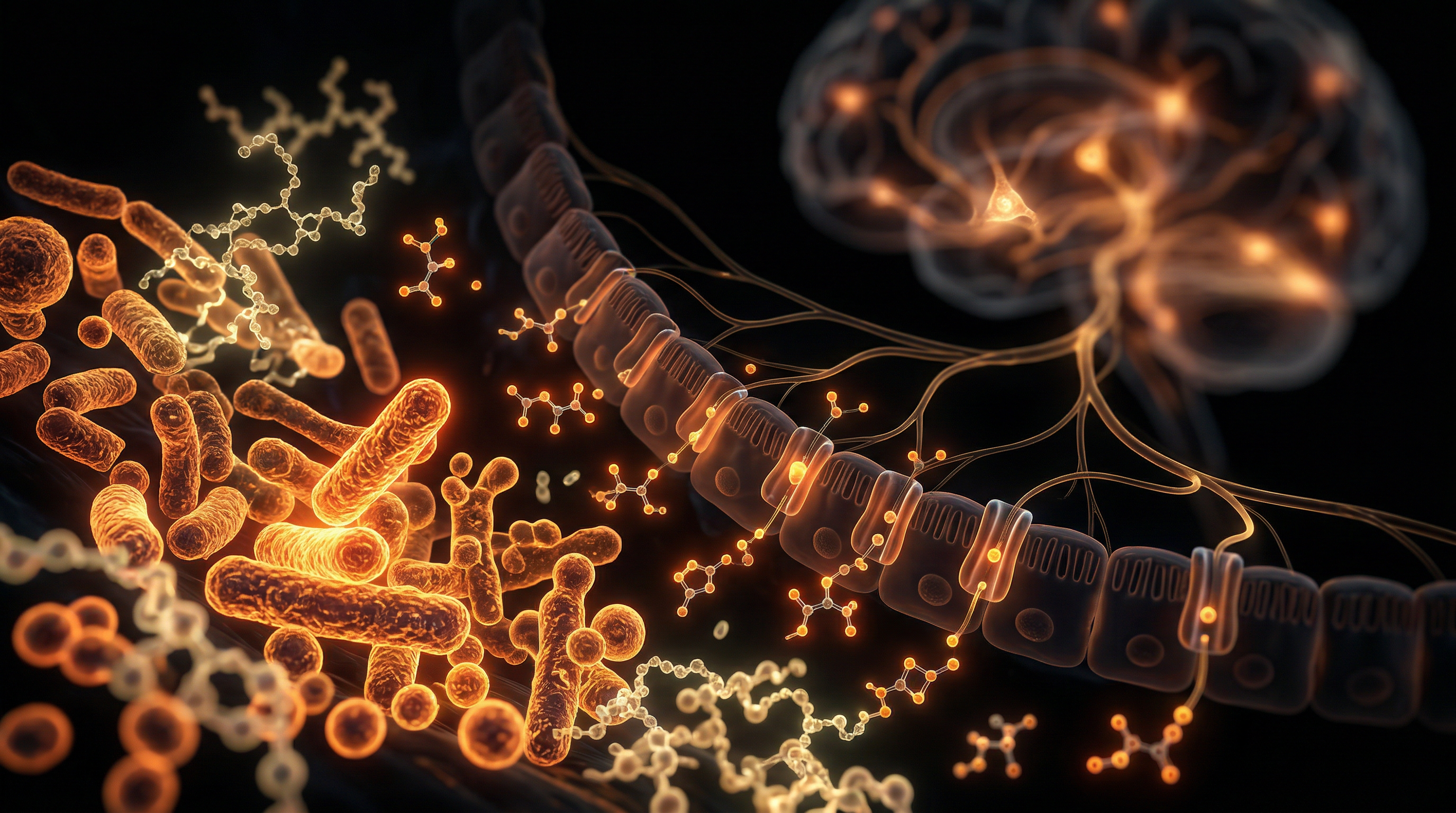
The connection between the gut and the brain is not metaphorical; it is a physical, hard-wired biological system known as the Gut-Brain Axis (GBA). This bidirectional communication network involves the central nervous system (CNS), the enteric nervous system (ENS), and the hypothalamic-pituitary-adrenal (HPA) axis.
The Vagus Nerve: The Information Superhighway
The primary physical link between the gut and the brain is the Vagus Nerve (the tenth cranial nerve). Think of the Vagus nerve as a bidirectional fibre-optic cable. It carries signals from the digestive tract directly to the brainstem. Research has shown that psychobiotic bacteria can stimulate the Vagus nerve to send calming signals to the brain, effectively "hacking" the nervous system to reduce anxiety.
The Enteric Nervous System (ENS)
Often referred to as the "Second Brain," the ENS consists of more than 100 million neurons lining the gastrointestinal tract. It can operate independently of the brain in the head. Psychobiotics interact directly with these neurons, influencing the production of neuroactive molecules that travel through the blood or up the Vagus nerve.
The Microbial Endocrine System
Bacteria are master chemists. Certain strains of Lactobacillus and Bifidobacterium have evolved the ability to produce GABA (gamma-aminobutyric acid), the brain's primary inhibitory neurotransmitter. GABA is essentially the "brakes" of the nervous system; it calms neural activity and reduces the "fight or flight" response. When these bacteria flourish in the gut, they provide a constant, endogenous supply of natural tranquillisers.
- Serotonin Producers: Candida, Streptococcus, Escherichia, and Enterococcus.
- GABA Producers: Lactobacillus and Bifidobacterium.
- Dopamine Producers: Bacillus and Serratia.
- Norepinephrine Producers: Escherichia, Bacillus, and Saccharomyces.
Mechanisms at the Cellular Level
To understand how fermentation products can replace pharmaceutical drugs, we must look at the cellular interplay between microbes and the intestinal lining.
Tryptophan Metabolism and the Kynurenine Pathway
Tryptophan is an essential amino acid and the precursor to serotonin. However, when the body is under stress or systemic inflammation, tryptophan is diverted away from serotonin production and into the Kynurenine Pathway. This results in the production of quinolinic acid, a potent neurotoxin associated with depression and neurodegenerative diseases.
Psychobiotics, particularly Bifidobacterium infantis, have been shown to regulate tryptophan levels, ensuring that this vital precursor is used for serotonin synthesis rather than being converted into toxic metabolites. This is a crucial cellular mechanism that direct-acting antidepressants completely ignore.
Short-Chain Fatty Acids (SCFAs)
As bacteria ferment dietary fibres, they produce Short-Chain Fatty Acids, such as butyrate, propionate, and acetate. Butyrate, in particular, is a miracle molecule for the brain. It acts as an HDAC inhibitor (histone deacetylase inhibitor), which means it can turn on genes responsible for brain plasticity and the production of BDNF (Brain-Derived Neurotrophic Factor). BDNF is often described as "Miracle-Gro" for the brain, helping to repair damaged neurons and forge new synaptic connections.
The Blood-Brain Barrier (BBB) Integrity
A "leaky gut" often leads to a "leaky brain." When the intestinal barrier is compromised, inflammatory markers and bacterial toxins (such as Lipopolysaccharides or LPS) enter the bloodstream. These toxins can breach the blood-brain barrier, causing neuroinflammation. Psychobiotics reinforce the tight junctions of the gut lining, effectively sealing the barrier and preventing the systemic inflammatory cascade that leads to brain fog and clinical depression.
Key Term: BDNF (Brain-Derived Neurotrophic Factor) – A protein that promotes the survival of nerve cells by playing a role in the growth, maturation, and maintenance of these cells.
Environmental Threats and Biological Disruptors
The modern world is, by design, hostile to the psychobiotic organisms that maintain our mental health. The British public is currently living in a "microbial desert," where the essential strains needed for neurotransmitter production are being systematically eradicated.
Glyphosate and the Shikimate Pathway
One of the most insidious threats to the British microbiome is glyphosate, the active ingredient in common herbicides used extensively in UK agriculture. While proponents claim glyphosate is safe because humans don't possess the "Shikimate pathway" it targets, they omit a vital truth: our gut bacteria do have this pathway. Glyphosate acts as a broad-spectrum antibiotic, selectively killing the beneficial bacteria that produce our neurotransmitters while allowing pathogenic, pro-inflammatory bacteria to thrive.
The Sanitisation Myth
The obsession with antibacterial soaps, chlorinated tap water, and the over-prescription of antibiotics has led to the "Hygiene Hypothesis." By attempting to eliminate all germs, we have inadvertently killed our internal pharmacy. Each course of broad-spectrum antibiotics can wipe out entire species of psychobiotic bacteria, some of which may never recover without targeted reintroduction.
Ultra-Processed Foods (UPFs) and Emulsifiers
The UK consumes the highest percentage of ultra-processed foods in Europe. These products contain emulsifiers (such as polysorbate 80 and carboxymethylcellulose) which act like detergents in the gut, dissolving the protective mucus layer that houses our beneficial microbes. Without this mucus "home," psychobiotic bacteria cannot colonise the gut, leaving the host vulnerable to mood disorders.
- Chlorinated Water: Effectively acts as a low-dose daily antibiotic, altering the microbial landscape.
- Artificial Sweeteners: Aspartame and saccharin have been shown to induce glucose intolerance by altering the gut microbiota composition.
- Dietary Emulsifiers: Break down the gut barrier, leading to systemic inflammation.
The Cascade: From Exposure to Disease
The path from an environmental insult to a psychiatric diagnosis is a predictable biological cascade. It is not a random "glitch" in the brain; it is a systemic failure of the microbiome-gut-brain axis.
- Microbial Insult: Exposure to glyphosate, antibiotics, or a high-sugar diet causes dysbiosis—an imbalance where pathogenic bacteria outnumber beneficial ones.
- Intestinal Permeability (Leaky Gut): The loss of protective species leads to the breakdown of the gut lining. Lipopolysaccharides (LPS)—pro-inflammatory components of bacterial cell walls—leak into the systemic circulation.
- Metabolic Endotoxemia: The immune system detects LPS in the blood and initiates a state of chronic, low-grade inflammation.
- Cytokine Storm: Pro-inflammatory cytokines (such as IL-6 and TNF-alpha) travel to the brain. These molecules are capable of crossing the blood-brain barrier.
- Neuroinflammation: Once in the brain, cytokines activate microglia (the brain's immune cells). Activated microglia create an inflammatory environment that interferes with neurotransmitter signalling.
- Symptom Manifestation: This biological state manifests as the symptoms we call "depression," "anxiety," or "anhedonia."
Statistic: Individuals with clinical depression have significantly higher levels of circulating inflammatory markers (CRP and IL-6) compared to non-depressed individuals.
What the Mainstream Narrative Omits
The reason you have likely not heard of psychobiotics from your GP or in mainstream British media is rooted in the economics of the pharmaceutical industry. The "chemical imbalance" theory is highly profitable. SSRIs are designed for lifelong management, not a cure.
The Failure of the Serotonin Hypothesis
In 2022, a major review led by University College London (UCL) scientists confirmed what many in the biological sciences had long suspected: there is no consistent evidence that low serotonin levels cause depression. Despite this, millions of Britons remain on medications that target serotonin receptors in the brain, while the 90% of serotonin produced in their guts remains ignored.
The Lack of Nutritional Education
In the UK, the average medical student receives fewer than 20 hours of nutritional training over the course of their entire degree. The focus is on pharmacology, not physiology. Consequently, when a patient presents with anxiety, the doctor is trained to reach for a prescription pad rather than recommending a course of high-quality kefir or fermented vegetables.
The Industrialisation of Fermentation
Mainstream food companies have co-opted the term "probiotic," often selling sugary yoghurts that contain only one or two weak strains that cannot survive the stomach's acidity. True psychobiotics are found in traditionally fermented, unpasteurised foods—products that have a short shelf-life and are therefore less profitable for supermarkets.
The UK Context
The United Kingdom is currently facing a mental health crisis of unprecedented proportions. With NHS waitlists for mental health services stretching into years, and an estimated 1 in 6 British adults experiencing a common mental health problem every week, the pharmaceutical model is clearly failing.
The "British Diet" Problem
The UK has some of the lowest fibre intake levels in the developed world. Fibre is the "prebiotic" fuel that psychobiotic bacteria require to produce neurotransmitters. Without fibre, these bacteria starve and die. The traditional "English Breakfast" and the modern reliance on "ready meals" have created a physiological environment that is biologically incompatible with happiness.
The Cost of Living and Nutrient Density
As the cost of living rises, many Britons are forced toward cheaper, calorie-dense but nutrient-poor foods. These foods are often high in refined vegetable oils and sugars, which directly fuel the growth of pro-inflammatory bacteria like Clostridia, which are linked to increased levels of anxiety and aggression.
The Opportunity for Public Health
If the UK were to pivot toward a Psychobiotic Public Health Strategy—subsidising fermented foods and educating the public on home fermentation—we could potentially see a dramatic reduction in the national burden of mental illness. This is not a matter of "alternative medicine"; it is a matter of biological necessity.
Protective Measures and Recovery Protocols
Engineering your mental health through fermentation requires a strategic, biological approach. It is not enough to simply eat a pot of supermarket yoghurt; one must cultivate a "neuro-protective" internal garden.
1. The Fermentation Trinity: Kefir, Sauerkraut, Kimchi
Traditional fermentation produces a diversity of strains that no pill can match.
- Milk Kefir: Contains up to 60 different strains of bacteria and yeasts. It is a potent source of Lactobacillus rhamnosus, which has been shown in clinical trials to reduce stress-induced corticosterone and anxiety-related behaviour.
- Raw Sauerkraut: Provides Lactobacillus plantarum, which can increase levels of BDNF in the hippocampus.
- Kimchi: Rich in Lactobacillus brevis, a known producer of GABA.
2. Specific Psychobiotic Strains
When looking for supplements or specific ferments, prioritise these "Elite Strains":
- Lactobacillus helveticus R0052 & Bifidobacterium longum R0175: This specific combination has been clinically proven to reduce psychological distress and lower cortisol levels in human trials.
- Bifidobacterium infantis 35624: Highly effective at regulating the inflammatory cascade and tryptophan metabolism.
3. Prebiotic "Fuel"
You must feed the colony. Psychobiotics require Microbiota-Accessible Carbohydrates (MACs).
- Inulin: Found in chicory root, Jerusalem artichokes, and onions.
- Resistant Starch: Found in cooked and cooled potatoes or green bananas.
- Polyphenols: Found in dark chocolate (85%+), blueberries, and green tea. These act as "fertilisers" for beneficial microbes.
4. Eliminating the "Big Three" Disruptors
To allow the psychobiotic colony to flourish, you must remove the barriers to their survival:
- Switch to Filtered Water: Use a high-quality filter (like a Berkey or reverse osmosis system) to remove chlorine and fluoride from your drinking water.
- Choose Organic Where Possible: Specifically for "thin-skinned" produce and grains to avoid glyphosate exposure.
- Avoid Emulsifiers: Read labels carefully. If it contains "Carboxymethylcellulose" or "Polysorbate 80," do not ingest it.
5. The "Wild" Fermentation Protocol
Engage in home fermentation. Wild fermentation—allowing the natural bacteria on vegetables to proliferate—ensures a level of microbial diversity that commercial products cannot replicate. A daily dose of 2 tablespoons of raw, home-fermented vegetables is often more effective than a high-dose probiotic capsule.
Summary: Key Takeaways
The evidence is clear: the mental health of the British public is being compromised by a degraded microbial landscape. By understanding and applying the principles of psychobiotics, we can reclaim our cognitive and emotional sovereignty.
- The Gut is the Primary Producer: The majority of your "happiness chemicals" (serotonin, dopamine, GABA) are manufactured by bacteria in your intestines.
- The Vagus Nerve is the Bridge: Microbes communicate directly with the brain via the Vagus nerve, influencing mood and stress responses in real-time.
- Pharmaceuticals are Incomplete: SSRIs target the symptoms of a "leaky gut" and "leaky brain" without addressing the microbial origin of the inflammation.
- Fermentation is Technology: Traditional fermented foods like kefir and sauerkraut are complex biological delivery systems for neuroactive compounds.
- Environmental Awareness is Essential: Glyphosate, chlorine, and ultra-processed food additives are direct neurotoxins because they destroy the psychobiotic ecosystem.
- Empowerment Through Education: You are the lead engineer of your internal ecosystem. Through targeted fermentation and prebiotic support, you can re-engineer your mental health from the inside out.
The path to a resilient mind does not lie in a chemist's prescription, but in the ancient, bubbling crocks of the fermenter. It is time to move beyond the mainstream narrative and embrace the biological truth of INNERSTANDING.
This article is provided for informational and educational purposes only. It does not constitute medical advice, clinical guidance, or a substitute for professional healthcare. Information reflects cited research at time of publication. Always consult a qualified healthcare professional before acting on any health information.
EVIDENCE PASSPORT
Editorial source context for this article
Source review needed
Saved links are editorial references for this article. They may support specific claims rather than every sentence. Open and assess each source in context. This passport does not independently verify them.
Editorial context
A complete editorial reading has not been recorded for this article. Source links remain available for you to open and assess directly.
Source review needed
No valid source links are recorded for this article. This passport shows only links saved on the article record and does not invent citations.
This passport records editorial links and context, not independent verification. Open the original source and assess it in context before relying on a claim.
Medical Disclaimer
The information in this article is for educational purposes only and does not constitute medical advice, diagnosis, or treatment. Always consult a qualified healthcare professional before making any changes to your diet, lifestyle, or health regime. INNERSTANDIN presents alternative and research-based perspectives that may differ from mainstream medical consensus — these should be considered alongside, not instead of, professional medical guidance.
Read Full DisclaimerContinue the thread
Keep this question moving.
Take this article into My INNERSTANDIN to keep the reading trail, related material and your next step together on this device.
Explore this in the Body Map
See where this hits your biology. Interactive anatomy, threats, and protective protocols.
Dig deeper in the Library
Free, longform PDF volumes that go beyond headlines into mechanisms and references.