
Retinol vs Beta-Carotene: The Genetic Reality of Vitamin A Conversion
Updated May 2026
Analyzes the BCMO1 gene's role in converting plant pigments to active Vitamin A. It proves why animal retinol is the only reliable source for many Britons.
Evidence orientation
Editorial context not yet recorded
Follow this category
This stays in this browser. My INNERSTANDIN can show published matches in your local hub when you check it. It does not send email, push, or alert notifications.
Local learning review
A private browser aid for revisiting ideas. It is not an alert or a health recommendation.
Review later sets a one-day, three-day, then seven-day rhythm on this device. Choose it only when you want to revisit this article.
Overview
In the modern landscape of nutritional science, few myths are as pervasive—and as biologically hazardous—as the equivalence of plant-based pigments and true Vitamin A. For decades, the public has been led to believe that a diet rich in orange vegetables is sufficient to satisfy the human body’s requirement for this "master architect" nutrient. However, as we delve into the molecular architecture of human metabolism, a starkly different reality emerges.
There is no "Vitamin A" in plants. There are only carotenoids, primarily beta-carotene, which serve as precursors that the body must chemically dismantle and rebuild into a usable form. This process is governed by a complex genetic sequence, specifically the BCMO1 (Beta-Carotene Oxygenase 1) gene. For a significant portion of the population, particularly within the British Isles and Northern Europe, this genetic machinery is compromised, inefficient, or entirely dysfunctional.
The consequence is a state of "silent starvation." While an individual may consume an abundance of "Vitamin A-rich" kale and carrots, their cells may be gasping for the preformed Retinol found exclusively in animal tissues. This article serves as an exhaustive investigation into the genetic reality of Vitamin A conversion, the metabolic toll of the plant-based narrative, and the biological necessity of an animal-based, nose-to-tail approach to human health.
Key Fact: Beta-carotene is not Vitamin A. It is a provitamin. Only preformed Retinol, found in animal sources like liver, egg yolks, and butter, can be directly utilised by the body without the tax of genetic conversion.
The Biology — How It Works
To understand the disparity between retinol and beta-carotene, we must first understand the hierarchy of Vitamin A. Vitamin A is a group of fat-soluble retinoids, with retinol being the primary active form that circulates in the blood.
The Retinol Activity Equivalent (RAE)
The scientific community uses the term Retinol Activity Equivalent (RAE) to account for the varying degrees of absorption and conversion efficiency. On paper, the conversion ratio is often cited as 12:1 (12 micrograms of beta-carotene to 1 microgram of retinol). However, this is a best-case scenario based on healthy, genetically "ideal" subjects. In real-world applications, especially with dietary fibre interference and genetic polymorphisms, this ratio often exceeds 28:1 or even fails entirely.
The Conversion Pathway
When beta-carotene is consumed, it must undergo a series of enzymatic transformations:
- Emulsification: It must be dissolved in dietary fat and bile salts.
- Absorption: It enters the intestinal mucosal cell (enterocyte).
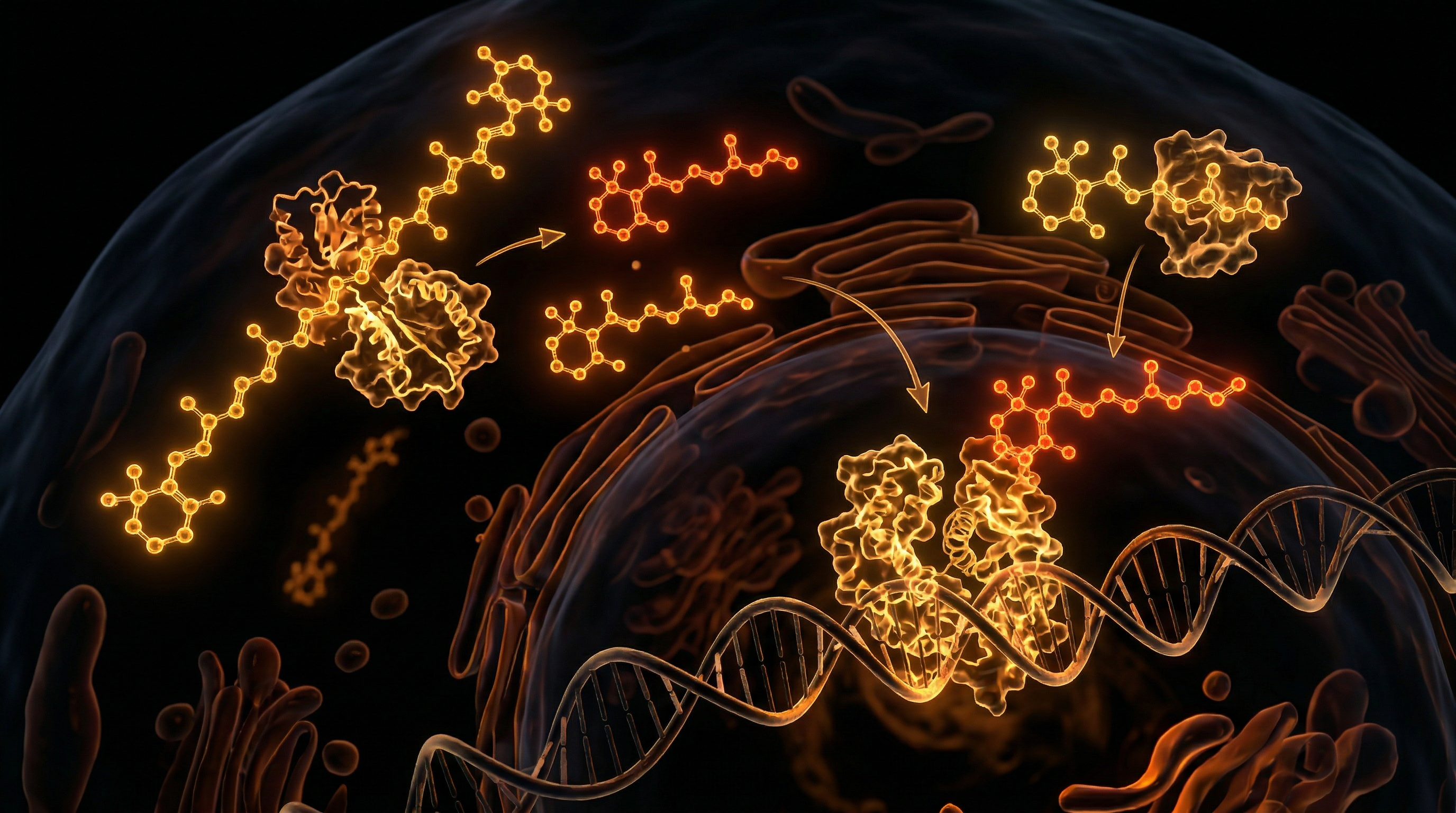
- Cleavage: This is the critical step. The BCMO1 enzyme must "cut" the beta-carotene molecule in half. In theory, one molecule of beta-carotene should yield two molecules of retinol.
- Transformation: These molecules are converted into retinyl esters and transported via chylomicrons to the liver for storage or to the tissues for use.
The bottleneck is the BCMO1 enzyme. If the gene coding for this enzyme contains "single nucleotide polymorphisms" (SNPs), the "scissors" are effectively blunt. The body is left with a surplus of circulating beta-carotene (which can cause a yellowish tint to the skin, known as carotenemia) but a profound deficiency in the cellular retinol required for life-sustaining functions.
Mechanisms at the Cellular Level
At the cellular level, Vitamin A does not act merely as a cofactor; it functions more like a hormone, directly influencing gene expression.
Genomic Signalling and the Nucleus
Once retinol enters a cell, it is converted into its most potent form: all-trans retinoic acid. This molecule then enters the nucleus and binds to Retinoic Acid Receptors (RAR) and Retinoid X Receptors (RXR). These receptors sit directly on the DNA.
- Protein Synthesis: Vitamin A dictates which proteins the cell should build.
- Cell Differentiation: It ensures that a stem cell correctly becomes a skin cell, an immune cell, or a photoreceptor in the eye.
- Apoptosis: It regulates programmed cell death, a crucial mechanism for preventing cancer.
The Myth of "Too Much" from Food
The mainstream narrative often warns against Vitamin A toxicity from animal sources while ignoring the far more common epidemic of deficiency. While synthetic "retinyl palmitate" in high-dose supplements can be toxic, the Vitamin A found in whole-food animal sources (like liver) comes packaged with synergistic nutrients—Vitamin D, Vitamin K2, and Zinc—which modulate its activity and prevent toxicity.
The Energetic Cost of Conversion
Converting plant pigments into retinol is not a "free" process. It requires:
- Active Thyroid Hormone (T3): Hypothyroidism effectively halts the BCMO1 enzyme.
- Zinc: Needed for the enzyme's structural integrity.
- Iron: A necessary cofactor for the oxygenation process.
- Bile: Without adequate bile production (often compromised in low-fat or high-oxalate diets), carotenoids cannot even enter the enterocyte.
Callout: For a "low converter," the metabolic energy required to extract a single microgram of retinol from a carrot exceeds the nutritional value of the carrot itself.
Environmental Threats and Biological Disruptors
Even for those with "normal" BCMO1 genetics, the modern environment is hostile to Vitamin A metabolism. We are currently living through an era of biological disruption that makes the reliance on plant-based precursors a dangerous gamble.
Glyphosate and the Gut Microbiome
The ubiquitous herbicide glyphosate has been shown to interfere with cytochrome P450 enzymes. While BCMO1 is not a P450 enzyme itself, the broader retinoid signalling pathway relies on the health of the liver and the microbiome. Glyphosate-induced dysbiosis impairs the absorption of fat-soluble vitamins, making the already difficult task of beta-carotene conversion nearly impossible.
The Impact of Endocrine Disruptors
Phthalates and BPA found in plastics compete for the same receptors as retinoic acid. When the body is low on retinol, these environmental toxins can "hijack" the RXR receptors, leading to "false signalling." This manifests as hormonal imbalances, particularly in thyroid and reproductive health, which in turn further downregulates the BCMO1 enzyme.
Blue Light and Retinal Health
We live under the constant glare of artificial blue light. The retinal (a form of Vitamin A) in our eyes is physically "bleached" by light to create a nerve impulse. In a natural environment, this is balanced. In a modern environment of constant screens and LED bulbs, the "burn rate" of Vitamin A is significantly higher. Relying on slow, inefficient plant conversion to replenish these stores is akin to trying to put out a house fire with a water pistol.
The Cascade: From Exposure to Disease
When the BCMO1 gene fails to convert precursors, or when the diet lacks preformed retinol, a predictable cascade of biological decay begins. This is not always sudden; it is a slow "rusting" of the human machine.
1. The Epithelial Collapse
Vitamin A is the primary guardian of "epithelial integrity"—the linings of your body.
- The Gut: Without retinol, the gut lining becomes "leaky" (increased intestinal permeability), leading to autoimmune conditions.
- The Lungs: Retinol is essential for the production of surfactant and the integrity of the respiratory mucosa.
- The Skin: Conditions like follicular hyperkeratosis (the "chicken skin" bumps on the back of arms) are a classic sign of Vitamin A deficiency. Acne, psoriasis, and eczema often track back to a failure in retinoid signalling.
2. Immune Failure
Vitamin A was historically known as the "anti-infective vitamin." It is required for the production of Secretory IgA, the first line of defence in the mucous membranes. Without it, the body cannot effectively activate T-cells or produce antibodies. A "poor converter" on a plant-heavy diet will find themselves perpetually susceptible to seasonal viruses and chronic infections.
3. Reproductive and Developmental Issues
Vitamin A is non-negotiable for fertility. In men, it is required for spermatogenesis. In women, it is required for the development of the placenta and the correct "patterning" of the embryo.
- Birth Defects: Many modern developmental issues, including "tongue ties" and narrowed dental arches, can be traced back to maternal Vitamin A deficiency during gestation.
- Hormonal Stagnation: Without retinol, the body cannot convert cholesterol into sex hormones (progesterone, testosterone, oestrogen) effectively.
What the Mainstream Narrative Omits
The refusal of public health bodies to acknowledge the genetic disparity in Vitamin A conversion is a catastrophic failure of policy. The mainstream narrative promotes a "one size fits all" approach that favours plant-based consumption for environmental and political reasons, rather than biological ones.
The RAE Manipulation
The NHS and other health authorities often list "Vitamin A" content on food labels based on total carotenoids. They do not distinguish between retinol and beta-carotene for the average consumer. This leads the public to believe that 100g of carrots is superior to 100g of beef liver, when in reality, the liver provides preformed, 100% bioavailable retinol that requires no conversion.
The "Toxicity" Scaremongering
There is a concerted effort to warn the public against eating liver more than once a week due to "Vitamin A toxicity." Yet, there are virtually no recorded cases of toxicity from consuming whole, pasture-raised ruminant liver. True toxicity (Hypervitaminosis A) is almost exclusively a result of synthetic supplementation or the consumption of polar bear/seal liver (which contain millions of IUs). By scaring the British public away from liver, the "system" ensures a population that is immunologically weak and mentally foggy.
The Vegan/Vegetarian Blind Spot
Mainstream dietetics frequently claims that vegans can get all their Vitamin A from "leafy greens and orange vegetables." This ignores the 2009 study published in the American Journal of Clinical Nutrition which showed that 45% of the population carry genetic polymorphisms that reduce their ability to convert beta-carotene by up to 69%. For nearly half the population, a strict vegan diet is a direct path to Vitamin A deficiency.
The UK Context
The situation in the United Kingdom is particularly acute due to a combination of genetic lineage, climate, and historical dietary shifts.
The British Genetic Profile
Research into the BCMO1 gene has identified two specific SNPs—R267S and A379V—that are highly prevalent in Northern European populations.
- The Statistics: Approximately 40-50% of Britons carry at least one of these variants.
- The Result: These individuals are "low converters." They can eat a mountain of carrots and still have the Vitamin A levels of someone in a famine-stricken region.
The Vitamin D Synergy
The UK is a sunlight-deficient nation for most of the year. Vitamin D and Vitamin A work in a "lock and key" mechanism. They share the RXR receptor. If a Briton is Vitamin D deficient (highly likely) and also a "poor converter" of Vitamin A, their entire genomic signalling system collapses. You cannot fix Vitamin D deficiency without also addressing Vitamin A; they must be in balance.
The Loss of "Nose-to-Tail" Culture
Historically, the British diet was rich in preformed retinol. Dishes like liver and onions, kidney pie, and cod liver oil were staples. The "Great British Nutrition Transition" of the late 20th century replaced these nutrient-dense animal fats with industrial seed oils and "fortified" cereals. We have traded the most bioavailable food on earth for chemical substitutes that our genes do not recognise.
Callout: In the UK, the "Eatwell Guide" prioritises starchy carbohydrates and plant oils, effectively engineering a Vitamin A crisis in a population already genetically predisposed to poor conversion.
Protective Measures and Recovery Protocols
If you suspect you are a "poor converter" or if you have been following a plant-heavy diet and suffer from skin issues, poor night vision, or low immunity, the solution is not more carrots. It is a return to biological reality.
1. Prioritise Preformed Retinol (Animal-Based)
The only way to bypass a faulty BCMO1 gene is to consume the end product: Retinol.
- Beef Liver: The undisputed king of Vitamin A. Consuming 100-150g of pasture-raised beef liver per week is sufficient for most adults.
- Cod Liver Oil: A traditional British remedy for a reason. It provides retinol in a natural ratio with Vitamin D.
- Egg Yolks: Must be from "pastured" or "range-raised" chickens to ensure high retinol content.
- Dairy Fat: Grass-fed butter (rich in the yellow-gold tint of retinol) and full-fat cheeses.
2. Support the Cofactors
To use the retinol you consume, your body needs other tools:
- Zinc: Found in oysters, red meat, and pumpkin seeds.
- Thyroid Health: Ensure adequate iodine and selenium intake to support T3 production, which "turns on" Vitamin A receptors.
- Saturated Fat: Vitamin A is fat-soluble. Consuming it with tallow, butter, or suet is essential for absorption.
3. Eliminate Inhibitors
- Oxalates: High-oxalate plants (spinach, chard, almonds) can interfere with mineral absorption and gut health, further taxing the conversion process.
- Alcohol: Chronic alcohol consumption depletes liver stores of retinol and interferes with the enzymes that convert retinol into retinoic acid.
4. Genetic Testing
For those who want certainty, a simple DNA test (such as 23andMe or Ancestry) can be run through a raw data analyser to check for SNPs on the BCMO1 gene.
- rs12934922
- rs7501331
If you are "AA" or "CT" for these markers, you are biologically obligated to consume animal-sourced Vitamin A to maintain health.
Summary: Key Takeaways
The "Genetic Reality of Vitamin A Conversion" exposes a fundamental flaw in modern nutritional advice. We are not what we eat; we are what we metabolise.
- Retinol is the only true Vitamin A. Beta-carotene is merely a precursor that many humans cannot efficiently process.
- The BCMO1 Gene is the gatekeeper. Genetic variations (SNPs) prevalent in the UK population make up to 50% of people "poor converters" who cannot survive on plant-based sources alone.
- Vitamin A is a Genomic Master-Key. It controls everything from your immune system and skin health to your ability to produce hormones and repair DNA.
- Mainstream guidelines are misleading. By equating plant pigments with animal retinol, health authorities are presiding over a silent epidemic of deficiency.
- Nose-to-Tail is the solution. Consuming ruminant liver, egg yolks, and high-quality animal fats is the only reliable way to ensure Vitamin A sufficiency, regardless of your genetic makeup.
In the pursuit of "Innerstanding," we must acknowledge that our biology is tuned to the ancient, nutrient-dense foods of our ancestors. To ignore the genetic reality of the BCMO1 gene is to ignore the blueprint of human life itself. The carrot is a garnish; the liver is the lifeblood.
This article is provided for informational and educational purposes only. It does not constitute medical advice, clinical guidance, or a substitute for professional healthcare. Information reflects cited research at time of publication. Always consult a qualified healthcare professional before acting on any health information.
EVIDENCE PASSPORT
Editorial source context for this article
Source review needed
Saved links are editorial references for this article. They may support specific claims rather than every sentence. Open and assess each source in context. This passport does not independently verify them.
Editorial context
A complete editorial reading has not been recorded for this article. Source links remain available for you to open and assess directly.
Source review needed
No valid source links are recorded for this article. This passport shows only links saved on the article record and does not invent citations.
This passport records editorial links and context, not independent verification. Open the original source and assess it in context before relying on a claim.
Medical Disclaimer
The information in this article is for educational purposes only and does not constitute medical advice, diagnosis, or treatment. Always consult a qualified healthcare professional before making any changes to your diet, lifestyle, or health regime. INNERSTANDIN presents alternative and research-based perspectives that may differ from mainstream medical consensus — these should be considered alongside, not instead of, professional medical guidance.
Read Full DisclaimerContinue the thread
Keep this question moving.
Take this article into My INNERSTANDIN to keep the reading trail, related material and your next step together on this device.
Dig deeper in the Library
Free, longform PDF volumes that go beyond headlines into mechanisms and references.