The Risks of Minoxidil and Finasteride: What the Pharmaceutical Industry Often Omits
While commonly prescribed, synthetic DHT blockers can carry significant side effects ranging from sexual dysfunction to neurological changes. We assess the risks and investigate safer biological alternatives.
# The Risks of Minoxidil and Finasteride: What the Pharmaceutical Industry Often Omits
"By INNERSTANDING Editorial Board"
"Category: Hair Health & Follicle Biology"
Overview
In the modern quest for eternal youth and aesthetic perfection, the scalp has become a high-stakes battlefield. For the millions of men and women in the United Kingdom experiencing androgenetic alopecia (pattern hair loss), the pharmaceutical industry offers a seemingly simple binary solution: Minoxidil and Finasteride. These drugs are marketed as the "Gold Standard," backed by decades of regulatory approval and celebrity endorsements. However, beneath the polished veneer of clinical efficacy lies a darker narrative—one of endocrine disruption, neurological alteration, and a condition known as Post-Finasteride Syndrome (PFS) that has left thousands of lives in ruin.
At INNERSTANDING, our mission is to peel back the layers of corporate-funded science and examine the biological reality of these interventions. We are not merely dealing with "hair growth" products; we are dealing with potent systemic modifiers that alter human biochemistry at a fundamental level. While the industry frequently dismisses adverse effects as "rare" or "reversible," emerging research and patient testimony suggest a far more systemic and persistent risk profile. This article serves as a comprehensive investigation into the cellular mechanisms, environmental implications, and biological fallout of synthetic hair loss interventions.
The Biology — How It Works
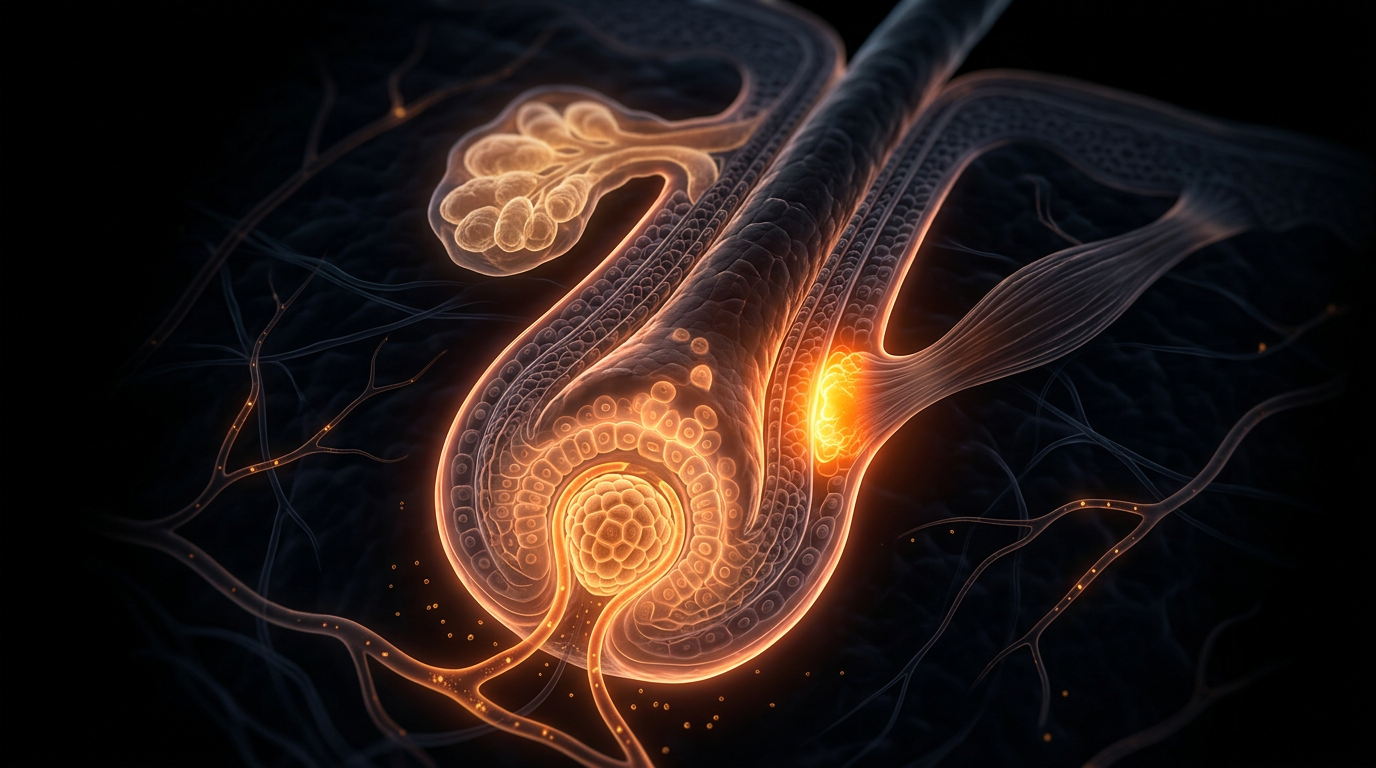
To understand the risks, we must first understand the biological targets of these drugs. Hair loss, specifically androgenetic alopecia, is driven by the sensitivity of hair follicles to Dihydrotestosterone (DHT), a potent androgen derived from testosterone.
Finasteride: The Endocrine Sledgehammer
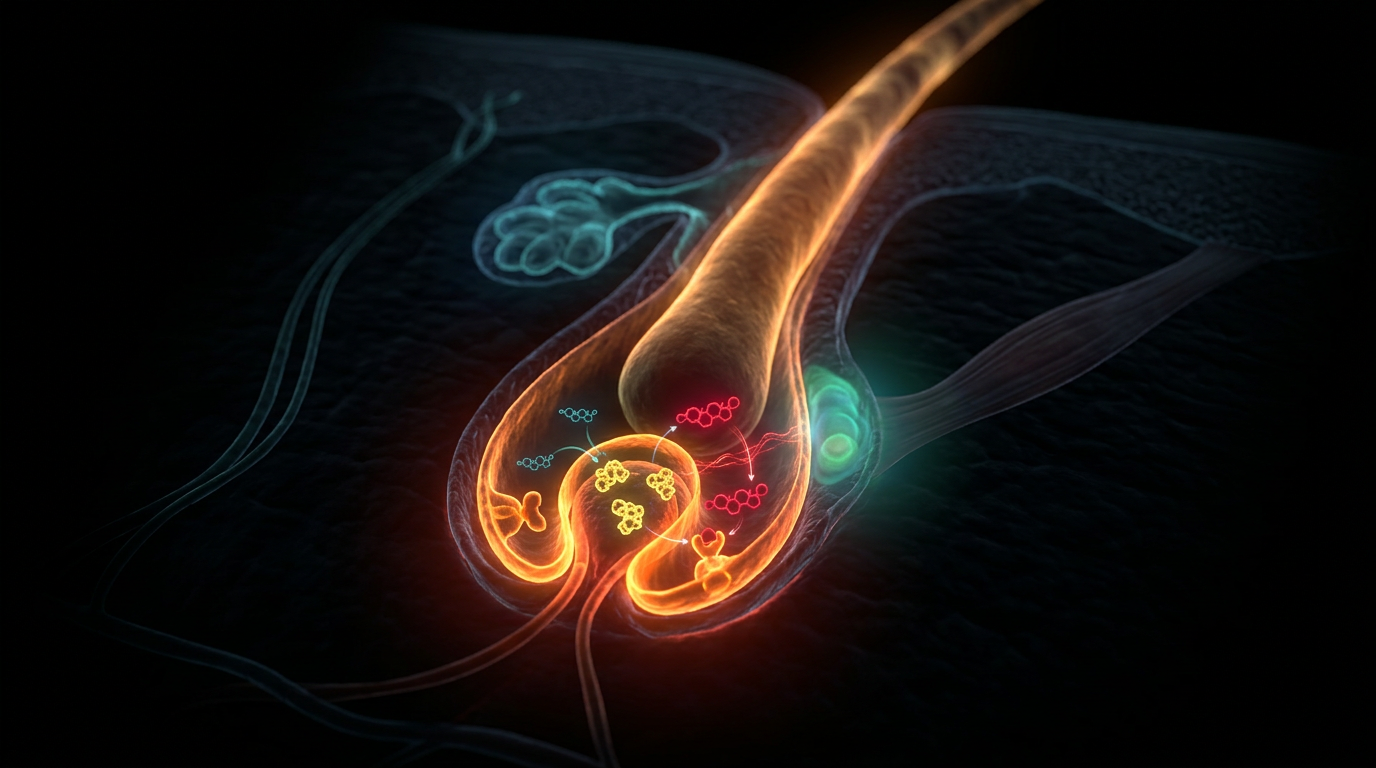
Finasteride is a Type II 5-alpha reductase (5AR) inhibitor. The 5AR enzyme is responsible for converting testosterone into DHT. By inhibiting this enzyme, Finasteride reduces serum DHT levels by approximately 70% and scalp DHT levels by about 40-60%.
The pharmaceutical narrative suggests that DHT is a "trash hormone" with no function in the adult male body other than causing prostate enlargement and hair loss. This is a profound biological fallacy. DHT is three to five times more potent than testosterone and plays a critical role in the Central Nervous System (CNS), sexual function, and the maintenance of the blood-brain barrier.
Minoxidil: The Vascular Wildcard
Minoxidil was originally developed as an oral medication for severe hypertension. Its hair-growth properties were discovered as a side effect (hypertrichosis). Unlike Finasteride, Minoxidil does not target hormones; it is a potassium channel opener and vasodilator. It works by widening blood vessels and opening potassium channels, theoretically allowing more oxygen, blood, and nutrients to reach the follicle. However, its exact mechanism in the hair follicle remains partially enigmatic, involving the stimulation of Vascular Endothelial Growth Factor (VEGF) and the premature triggering of the anagen (growth) phase.
UK FACT 1: According to the MHRA (Medicines and Healthcare products Regulatory Agency) Yellow Card scheme, thousands of adverse reactions to Finasteride are reported annually in the UK, yet many experts believe this represents less than 10% of actual cases due to underreporting by GPs.
Mechanisms at the Cellular Level
The industry focuses on the "macro" result—more hair on the head. As researchers, we must look at the "micro" reality—what is happening to the mitochondria, the neurosteroids, and the epigenetic expression of the user?
The Neurosteroid Depletion
One of the most egregious omissions in the marketing of Finasteride is its impact on the brain. The 5AR enzyme is not just present in the scalp and prostate; it is highly active in the human brain. It is responsible for the synthesis of neurosteroids such as allopregnanolone and dihydroprogesterone.
Allopregnanolone is a potent positive allosteric modulator of the GABA-A receptor. GABA is the primary inhibitory neurotransmitter in the brain, responsible for feelings of calm, sleep regulation, and anxiety control. When you inhibit 5AR, you effectively "starve" the brain of these calming neurosteroids. This explains why a significant subset of users experiences profound "brain fog," clinical depression, and intractable insomnia.
Minoxidil and Collagen Synthesis
While Minoxidil is applied topically, it does not remain local. Systemic absorption is a reality. At the cellular level, Minoxidil has been shown in some studies to inhibit lysyl hydroxylase, an enzyme essential for collagen production. Collagen is the structural scaffolding of the skin. Long-term users frequently report "Minoxidil face"—a phenomenon characterised by premature ageing, dark circles under the eyes, and a loss of skin elasticity. The industry often dismisses this as "ageing," yet the biological mechanism for collagen inhibition is well-documented in pharmacological literature.
Mitochondrial Dysfunction
Emerging evidence suggests that persistent side effects from these drugs may be linked to mitochondrial stress. When the hormonal milieu is radically altered, the mitochondria—the powerhouses of our cells—can undergo oxidative stress. In Post-Finasteride Syndrome patients, biopsies have shown alterations in gene expression related to mitochondrial function, suggesting that the drug may trigger a "cellular crash" from which some individuals cannot easily recover.
UK FACT 2: Hair loss treatments are a £100 million-plus industry in the UK. Private clinics often prescribe "compounded" versions of these drugs with higher concentrations than those tested in original clinical trials, significantly increasing the risk of systemic absorption.
Environmental Threats and Biological Disruptors
The rise in hair loss cases in the UK and globally cannot be viewed in isolation from our environment. We are currently living in an "endocrine-disrupting soup."
Xenoestrogens and the Weakened Follicle
Our environment is saturated with xenoestrogens—synthetic chemicals found in plastics (BPA), detergents, and even tap water that mimic the female hormone oestrogen. This environmental shift contributes to "oestrogen dominance" in men, which can disrupt the delicate balance between testosterone and DHT.
When a man with an already compromised endocrine system due to environmental factors starts taking Finasteride, he is essentially doubling down on the disruption. The body, sensing a massive drop in androgens, may upregulate oestrogen receptors or increase the aromatisation of remaining testosterone into oestradiol. This leads to gynecomastia (the development of male breast tissue), a known "side effect" that is actually a logical biological response to a skewed hormonal environment.
The Synergistic Risk
Many users combine Minoxidil and Finasteride. This creates a dual-pronged assault: one drug alters the hormonal system while the other stresses the cardiovascular system. In the UK, where sedentary lifestyles and processed diets already put a strain on heart health, the "reflex tachycardia" (rapid heartbeat) associated with Minoxidil can lead to palpitations and long-term cardiac remodeling that is rarely discussed during a ten-minute GP consultation.
The Cascade: From Exposure to Disease
The transition from "taking a pill for hair" to "suffering from a systemic illness" can be terrifyingly rapid. This cascade is best exemplified by the tragedy of Post-Finasteride Syndrome (PFS).
The "Crash"
Many sufferers report that while they were on the drug, side effects were manageable. The true disaster occurred *after* they stopped. This is known as the "crash." When the drug is removed, the body attempts to re-equilibrate. However, in some individuals, the 5AR enzyme does not return to normal function, or the androgen receptors become desensitised.
Neurological and Physical Symptoms
PFS is not merely "sexual dysfunction." It is a multi-systemic collapse:
- —Cognitive: Severe executive dysfunction, loss of memory, and an inability to feel joy (anhedonia).
- —Sexual: Total loss of libido, erectile dysfunction that does not respond to Viagra, and genital numbness (penile anaesthesia).
- —Physical: Muscle atrophy, joint pain, and changes in skin texture.
The pharmaceutical industry’s narrative is that these symptoms are "psychosomatic." However, researchers at the University of Milano and Baylor College of Medicine have found distinct changes in the cerebrospinal fluid and gut microbiome of PFS patients, proving that the condition is grounded in biological reality, not "anxiety."
UK FACT 3: In 2024, the UK’s MHRA issued a new safety alert requiring a "patient alert card" to be included in Finasteride packs to warn users about the risk of psychiatric and sexual side effects—a move that came decades after the drug’s initial approval.
What the Mainstream Narrative Omits
If the risks are so severe, why are these drugs still the first line of defence? The answer lies in the structure of clinical trials and the financial incentives of the pharmaceutical industrial complex.
Flawed Clinical Trials
The original trials for Propecia (Finasteride 1mg) were relatively short-term and often excluded men with pre-existing mood disorders or sexual issues. Furthermore, the definition of "resolved" side effects was often based on the patient simply not mentioning them again, rather than rigorous biochemical testing.
The industry also relies heavily on the "Nocebo Effect" argument—suggesting that patients only experience side effects because they read about them online. This is a classic form of medical gaslighting. It ignores the thousands of men who began the medication with total confidence, only to find themselves impotent and suicidal months later.
The Role of Regulatory Bodies
The MHRA and the FDA (US) operate on a "benefit vs. risk" framework. Because hair loss causes significant psychological distress, regulators believe the "benefit" of hair growth justifies the "risk" of permanent sexual or neurological damage. However, this equation is skewed because the "risk" is often downplayed or improperly quantified.
Financial Conflicts
Many of the leading dermatologists who speak at global conferences and write the guidelines for hair loss treatment are consultants for the companies that manufacture these drugs. This creates a feedback loop where natural, non-patentable alternatives are dismissed as "quackery," while synthetic DHT blockers are promoted as the only "evidence-based" solution.
UK FACT 4: Private "subscription-based" hair loss companies in the UK have seen a 300% growth in the last five years, using aggressive social media marketing that often targets teenagers and young men in their early 20s.
The UK Context
The UK presents a unique landscape for this issue. With the NHS under incredible strain, many men turn to private online pharmacies. These platforms offer "consultations" that consist of little more than a tick-box questionnaire. There is no blood work required, no check of baseline testosterone levels, and no assessment of mental health history.
The Culture of Silence
In British culture, there remains a significant stigma surrounding both hair loss and sexual dysfunction. This creates a "perfect storm" for the pharmaceutical industry. Men are too embarrassed to talk about their hair loss, so they buy pills online in secret. When the pills cause sexual dysfunction, they are too embarrassed to tell their GPs, leading to an invisible epidemic of suffering.
The Legal Landscape
While class-action lawsuits have been settled in the United States, the UK legal system makes it much harder for victims of pharmaceutical injury to seek compensation. This has allowed manufacturers to maintain a relatively clean reputation in the UK market compared to the growing skepticism seen in North America.
Protective Measures and Recovery Protocols
At INNERSTANDING, we believe in Follicle Biology, not Follicle Suppression. You can maintain your hair without sacrificing your humanity. If you are concerned about the risks or are currently suffering from side effects, consider the following biological pathways.
Natural 5-Alpha Reductase Modulators
Nature provides several compounds that can modulate (rather than inhibit) 5AR without the systemic "crash" associated with synthetics:
- —Saw Palmetto (Serenoa repens): A botanical that offers a more gentle modulation of DHT.
- —Pumpkin Seed Oil: Shown in some studies to increase hair count by blocking 5AR via phytosterols.
- —Rosemary Oil: In a head-to-head study, topical Rosemary oil was found to be as effective as 2% Minoxidil for hair growth after six months, with significantly less scalp itching and no systemic cardiovascular risks.
Optimising the Scalp Environment
Instead of forced vasodilation via Minoxidil, focus on the mechanical and nutritional health of the scalp:
- —Scalp Massage and Microneedling: These techniques induce micro-trauma and "wounding" that triggers the body’s natural healing response, increasing blood flow and growth factors (like VEGF) naturally.
- —Red Light Therapy (LLLT): Using specific wavelengths (650nm) to stimulate mitochondrial activity within the hair follicle, providing the energy needed for the anagen phase.
Detoxification and Gut Health
For those recovering from Finasteride, the focus must be on Epigenetic Repair. This involves:
- —Gut Microbiome Restoration: The gut produces a significant portion of the body’s neurotransmitters. High-dose probiotics and fermented foods can help rebuild the GABAergic system.
- —Zinc and Magnesium: These minerals are essential for hundreds of enzymatic reactions, including those involved in hormone metabolism.
- —Avoiding Endocrine Disruptors: Switching to glass instead of plastic, filtering tap water to remove fluoride and oestrogen mimickers, and using organic personal care products.
UK FACT 5: A study by the University of Exeter found that high levels of phthalates (found in many cheap shampoos and plastics) are directly linked to reduced testosterone levels in British men, making the use of DHT-blockers even more hazardous to hormonal health.
Summary: Key Takeaways
The decision to use Minoxidil or Finasteride should not be taken lightly. It is not an "aesthetic choice"; it is a pharmacological intervention with systemic consequences.
- —The Brain-Hair Connection: Finasteride crosses the blood-brain barrier and depletes neurosteroids, potentially leading to permanent changes in mood and cognition.
- —DHT is Not a Waste Product: It is essential for male sexual health, muscle tone, and neurological resilience.
- —Minoxidil is Systemic: It can affect your heart rhythm and your skin’s collagen structure, leading to premature ageing.
- —Post-Finasteride Syndrome is Real: For a subset of the population, the side effects do not go away after stopping the drug.
- —Biology Over Chemistry: Natural alternatives like Rosemary oil, microneedling, and nutritional optimization offer a path to hair health that respects the body’s innate wisdom.
"The pharmaceutical industry sells a "quick fix" for a complex biological process. At INNERSTANDING, we urge you to look beyond the vanity and prioritise your long-term vitality. Your hair is an expression of your internal health—don't destroy the latter to save the former."
*
References & Further Reading
- —*Traish, A. M. (2020). Post-finasteride syndrome: a surmountable challenge. Fertility and Sterility.*
- —*Melcangi, R. C., et al. (2013). Alterations of neurosteroid levels in the cerebrospinal fluid of patients with post-finasteride syndrome. Journal of Sexual Medicine.*
- —*Panahi, Y., et al. (2015). Rosemary oil vs minoxidil 2% for the treatment of androgenetic alopecia: a randomized comparative trial. Skinmed.*
- —*MHRA Drug Safety Update: Finasteride: rare reports of depression and suicidal thoughts (2017/2024).*
This article is provided for informational and educational purposes only. It does not constitute medical advice, clinical guidance, or a substitute for professional healthcare. Information reflects cited research at time of publication. Always consult a qualified healthcare professional before acting on any health information.
RESEARCH FOUNDATIONS
Biological Credibility Archive
Research indicates that 5-alpha-reductase inhibitors are associated with a significantly increased risk of depression and self-harm behavior during the initial phase of treatment.
Finasteride treatment induces significant alterations in neuroactive steroid levels and gut microbiota, potentially driving the persistent neuropsychiatric symptoms observed in some users.
Evidence suggests that finasteride can cause persistent sexual dysfunction and psychological distress that continues long after the discontinuation of the medication due to neuroendocrine changes.
Systemic absorption of hair growth pharmaceuticals like finasteride acts as an endocrine disruptor, negatively impacting the androgen receptor signaling pathways throughout the body.
A systematic review found that most clinical trials for finasteride lacked adequate reporting of adverse events, often minimizing the true incidence of sexual and psychiatric risks.
Citations provided for educational reference. Verify via PubMed or institutional databases.
Medical Disclaimer
The information in this article is for educational purposes only and does not constitute medical advice, diagnosis, or treatment. Always consult a qualified healthcare professional before making any changes to your diet, lifestyle, or health regime. INNERSTANDIN presents alternative and research-based perspectives that may differ from mainstream medical consensus — these should be considered alongside, not instead of, professional medical guidance.
Read Full DisclaimerReady to learn more?
Continue your journey through our classified biological research.
DISCUSSION ROOM
Members of THE COLLECTIVE discussing "The Risks of Minoxidil and Finasteride: What the Pharmaceutical Industry Often Omits"
SILENT CHANNEL
Be the first to discuss this article. Your insight could help others understand these biological concepts deeper.
THE ARSENAL
Based on Hair Health & Follicle Biology — products curated by our research team for educational relevance and biological support.
Magnesium Blend – The Most Important Mineral
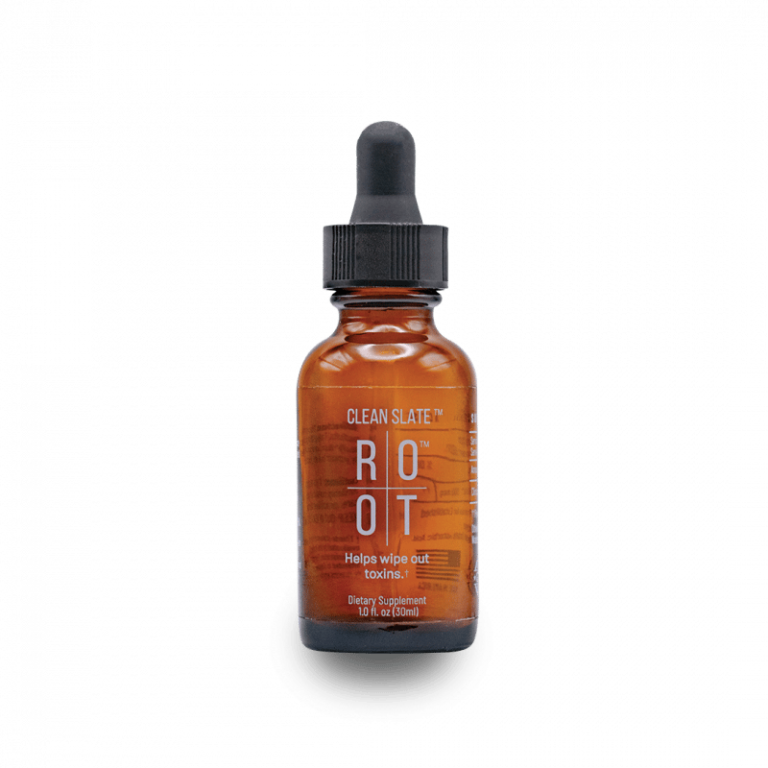
Clean Slate – Detoxes thousands of chemicals,heavy metals, pesticides, allergens, mold spores and fungus
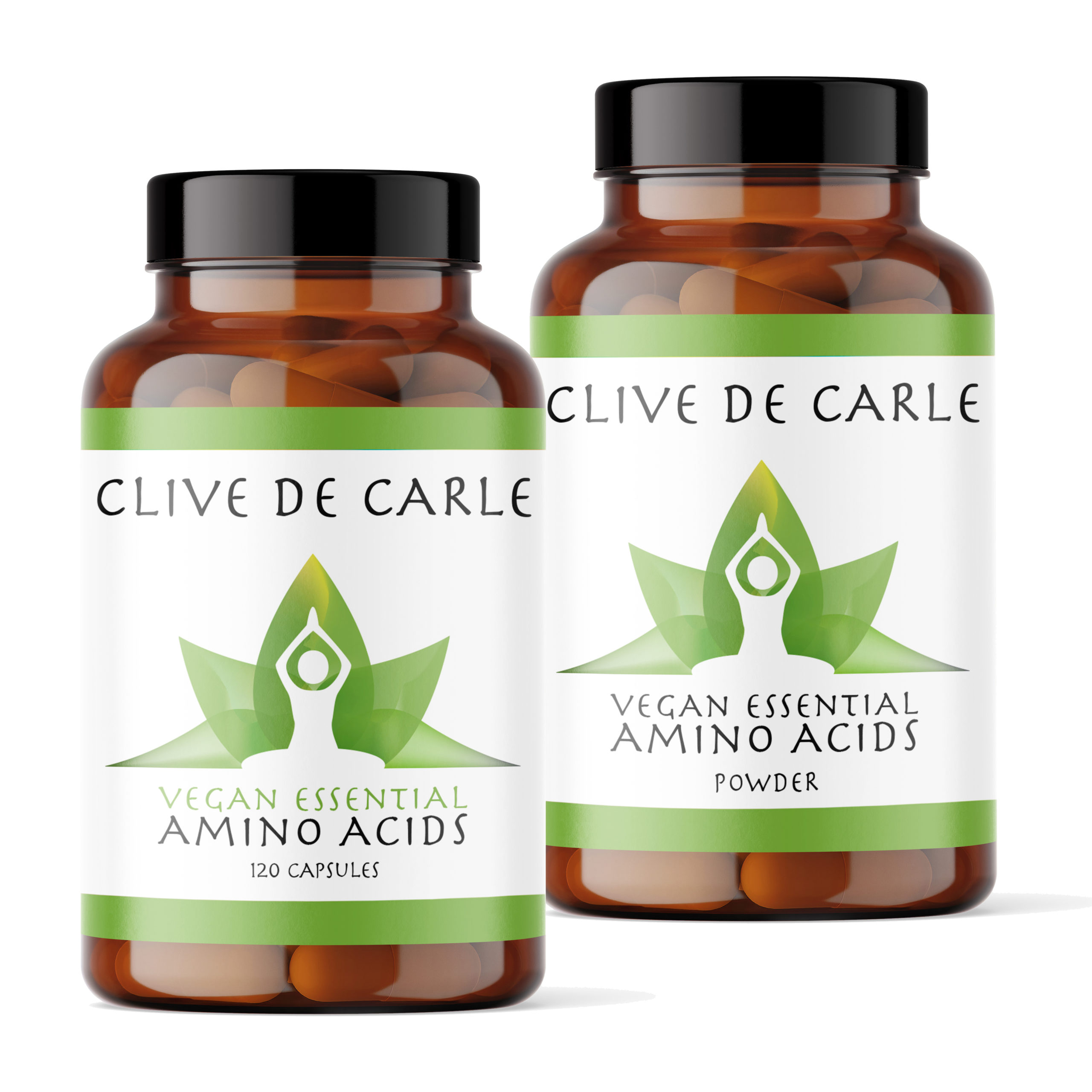
Vegan Essential Amino Acids – Plant-Powered Protein Building
INNERSTANDING may earn a commission on purchases made through these links. All products are selected based on rigorous educational relevance to our biological research.
RABBIT HOLE
Follow the biological thread deeper