
Saturated Fat and Hormonal Signaling: The Substrate for Testosterone and Progesterone
Updated May 2026
Explains how cholesterol is the essential precursor for all steroid hormones. It connects low-fat diets to the rising rates of hormonal dysfunction in the UK.
Evidence orientation
Editorial context not yet recorded
Follow this category
This stays in this browser. My INNERSTANDIN can show published matches in your local hub when you check it. It does not send email, push, or alert notifications.
Local learning review
A private browser aid for revisiting ideas. It is not an alert or a health recommendation.
Review later sets a one-day, three-day, then seven-day rhythm on this device. Choose it only when you want to revisit this article.
Overview
In the modern landscape of public health, we are witnessing a silent, systemic collapse of biological vitality. Despite unprecedented technological advancements, the fundamental markers of human health—specifically fertility, metabolic rate, and hormonal vigor—are in a state of precipitous decline. Central to this crisis is a profound misunderstanding, or perhaps a deliberate obfuscation, of the role of dietary saturated fat and cholesterol in human endocrinology.
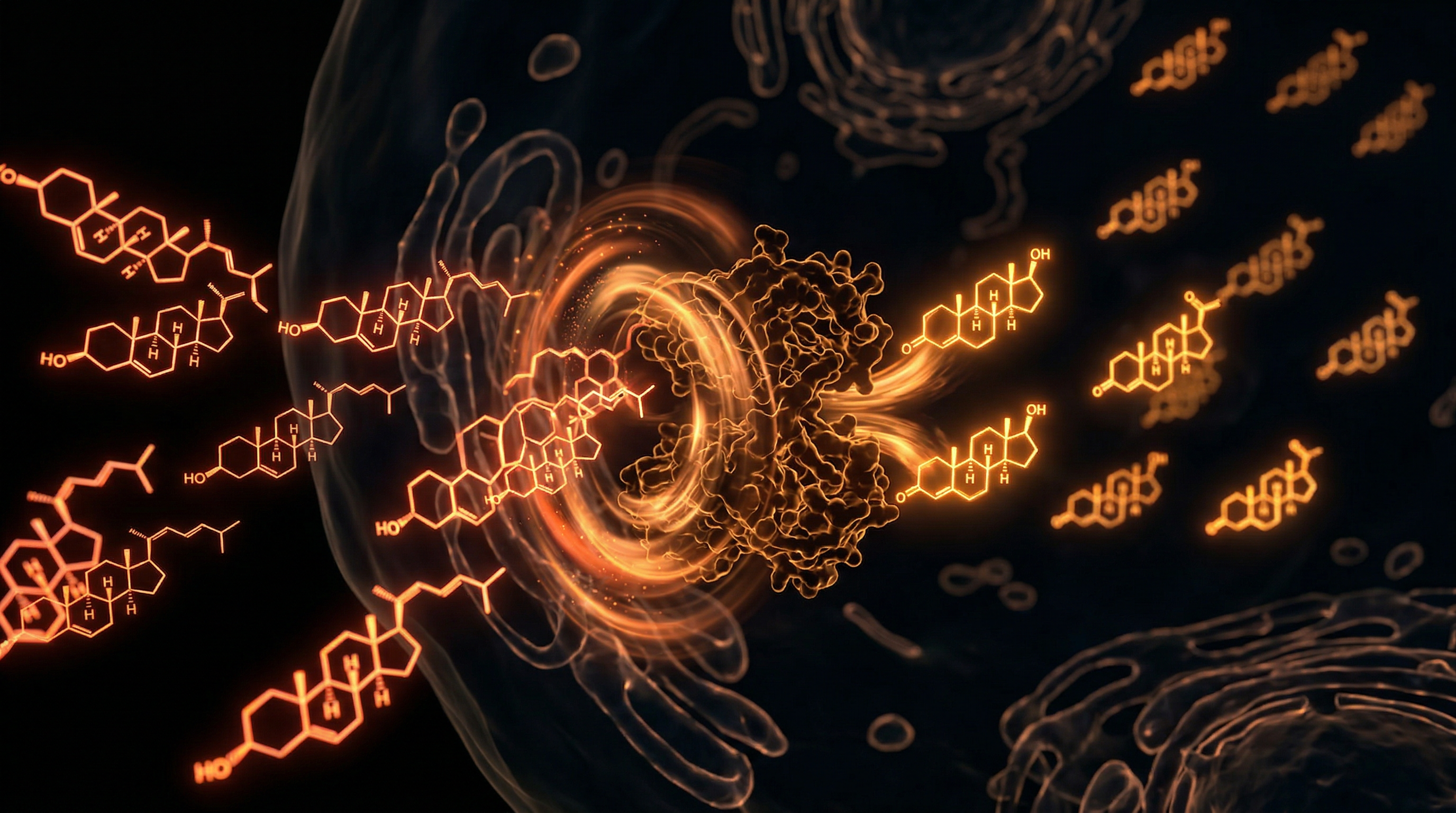
For over five decades, the "Diet-Heart Hypothesis" has dominated the narrative, casting saturated fat as a villainous agent of cardiovascular decay. However, as a senior biological researcher, it is my duty to expose the physiological cost of this dogma. Cholesterol is not a poison; it is the "Mother Hormone." It is the indispensable precursor to every steroid hormone produced in the human body, including testosterone, progesterone, oestrogen, and cortisol.
By systematically removing animal fats from our diets and replacing them with chemically processed seed oils, we have stripped the body of the raw materials required for hormonal signaling. This article provides a comprehensive examination of why saturated fat is the vital substrate for endocrine health, how modern dietary guidelines have induced a state of "nutritional castration," and why returning to a nose-to-tail, animal-based protocol is the only viable path to biological recovery.
Fact: The human brain is the most cholesterol-rich organ in the body, containing roughly 25% of the body's total cholesterol despite making up only 2% of total body weight.
The Biology — How It Works
To understand the necessity of saturated fat, one must first understand steroidogenesis—the biological process by which cholesterol is transformed into steroid hormones. This is not a secondary metabolic pathway; it is a primary driver of human development, reproduction, and resilience.
The Steroidogenic Cascade
Every steroid hormone begins its life as a molecule of cholesterol. The process occurs primarily within the mitochondria of specialized cells in the gonads (Leydig cells in men, thecal/granulosa cells in women) and the adrenal cortex.
- Cholesterol Transport: Cholesterol is transported into the mitochondria via the Steroidogenic Acute Regulatory (StAR) protein. This is the rate-limiting step of hormone production.
- Conversion to Pregnenolone: Inside the mitochondria, the enzyme P450scc (side-chain cleavage) converts cholesterol into Pregnenolone. Pregnenolone is the "progenitor hormone" from which all others flow.
- The Divergence: From pregnenolone, the body creates Progesterone or DHEA, which eventually leads to Testosterone and Oestrogen.
Without sufficient dietary intake of saturated fats, which provide the stable lipid transport systems (LDL and HDL) necessary to deliver cholesterol to these tissues, the entire cascade slows to a crawl.
The Role of Saturated Fatty Acids (SFAs)
Saturated fats, unlike polyunsaturated fats (PUFAs), are chemically stable. They contain no double bonds in their carbon chains, making them resistant to lipid peroxidation (rancidity). In the context of the endocrine system:
- SFAs provide the structural rigidity required for the lipid rafts within cell membranes.
- SFAs stimulate the secretion of luteinising hormone (LH) from the pituitary gland, which signals the testes to produce testosterone.
- SFAs facilitate the absorption of fat-soluble vitamins (A, D, E, and K2), which act as co-factors in hormonal synthesis.
Mechanisms at the Cellular Level
The influence of saturated fat extends beyond mere raw material; it governs the very mechanics of how cells communicate.
Lipid Rafts and Signal Transduction
The surface of every cell is a lipid bilayer. Within this bilayer are "micro-domains" known as lipid rafts. These rafts are composed of high concentrations of cholesterol and saturated fatty acids. They serve as the docking stations for receptors, including those for insulin and growth hormones.
When a diet is high in unstable seed oils (like soybean or rapeseed oil), these lipid rafts become "leaky" and disorganized. This leads to receptor desensitisation. In men, this manifests as a failure of the Leydig cells to respond to LH, leading to low testosterone despite normal "signaling." In women, it disrupts the corpus luteum’s ability to produce sufficient progesterone, leading to oestrogen dominance and luteal phase defects.
Mitochondrial Efficiency and ROS
The mitochondria are the engines of the cell and the site of the first step in steroidogenesis. Saturated fats are the preferred fuel for mitochondrial beta-oxidation in the heart and skeletal muscle. More importantly, they produce fewer Reactive Oxygen Species (ROS) compared to the metabolism of polyunsaturated fats.
High levels of oxidative stress within the mitochondria damage the StAR protein, effectively "locking" cholesterol out of the hormone-production factory. By consuming saturated fats, we protect the mitochondria from the oxidative furnace of PUFA metabolism, ensuring the hormonal assembly line remains operational.
Key Term: Pregnenolone Steal. When the body is under chronic stress, it "steals" pregnenolone to make cortisol (the stress hormone) at the expense of testosterone and progesterone. This process is exacerbated by a low-fat diet, which provides insufficient precursors to meet both stress and reproductive demands.
Environmental Threats and Biological Disruptors
We do not live in a biological vacuum. The endocrine system is under constant assault from exogenous factors that synergise with a low-fat diet to accelerate hormonal decline.
The Rise of Xenoestrogens
Our environment is saturated with endocrine-disrupting chemicals (EDCs) such as Bisphenol-A (BPA), phthalates, and PFAS ("forever chemicals"). These compounds are structurally similar to oestrogen and bind to oestrogen receptors, creating a state of "pseudo-oestrogen dominance."
Saturated fats provide a protective barrier against these toxins. Many EDCs are lipophilic (fat-seeking). When an individual has healthy levels of subcutaneous and structural fat derived from stable animal sources, the body can better sequester and metabolise these toxins. In contrast, a body fueled by unstable PUFAs experiences higher rates of systemic inflammation, making it more vulnerable to the feminising effects of environmental xenoestrogens.
The Seed Oil Subversion
The replacement of animal fats (tallow, lard, butter) with vegetable oils (linoleic acid) is perhaps the greatest biological experiment ever conducted without a control group. High intake of linoleic acid (an omega-6 fatty acid) leads to the accumulation of HNE (4-hydroxynonenal) in the tissues. HNE is a potent toxin that directly inhibits the enzymes required for testosterone synthesis.
- Margarine and Shortening: These hydrogenated fats contain trans-fats and high levels of omega-6, which compete with saturated fats for space in the cell membrane, leading to "cellular stiffness" and impaired signaling.
- Glyphosate: Often found in the crops used to produce vegetable oils, glyphosate disrupts the cytochrome P450 enzymes—the very enzymes required to convert cholesterol into pregnenolone.
The Cascade: From Exposure to Disease
The result of this dietary and environmental shift is a cascade of "modern" diseases that are, at their core, hormonal dysfunctions.
Male Hypogonadism and Infertility
Sperm counts in the Western world have dropped by over 50% in the last four decades. This is not a coincidence. Testosterone is essential for spermatogenesis. Without the saturated fat required to maintain the blood-testis barrier and the cholesterol required for Leydig cell function, male fertility is collapsing.
Progesterone Deficiency and PCOS
In women, the absence of animal fats leads to a failure of the ovulatory cycle. Progesterone is only produced in significant amounts after ovulation (via the corpus luteum). If cholesterol levels are too low, or if the body is in a state of "starvation" due to a low-fat/high-carb diet, ovulation is suppressed. This leads to:
- Polycystic Ovary Syndrome (PCOS): Driven by insulin resistance and high androgens, often exacerbated by the consumption of processed carbohydrates in place of fats.
- Early Menopause: The premature depletion of hormonal reserves.
The Metabolic Syndrome Connection
Hormones regulate metabolism. Low testosterone in men and low progesterone in women lead to increased adiposity (fat storage), particularly around the midsection. This visceral fat produces its own inflammatory cytokines and the enzyme aromatase, which converts what little testosterone remains into oestrogen, further fueling the downward spiral.
What the Mainstream Narrative Omits
The current medical paradigm views LDL cholesterol as an "error" in the human blueprint. This is a catastrophic miscalculation.
The LDL Fallacy
Mainstream medicine focuses on lowering LDL (Low-Density Lipoprotein) at all costs. However, LDL is the primary delivery vehicle for cholesterol to the peripheral tissues, including the gonads and adrenals. By aggressively lowering LDL through statins or ultra-low-fat diets, we are essentially cutting off the fuel supply to the endocrine system.
Observation: Multiple studies have shown a correlation between very low LDL levels and increased rates of depression, anxiety, and low libido. This is because the brain and the hormonal system are being starved of their structural substrate.
The Ancel Keys Legacy
The foundational "science" of the low-fat movement—Ancel Keys’ Seven Countries Study—deliberately omitted data from countries that consumed high amounts of saturated fat but had low rates of heart disease (such as France and Switzerland). This "cherry-picking" created a false consensus that has persisted for decades, upheld by the financial interests of the industrial grain and pharmaceutical complexes.
The Vitamin A-Cholesterol Synergy
Mainstream nutrition often ignores the synergy between nutrients. For cholesterol to be converted into pregnenolone, the body requires active Vitamin A (Retinol). Retinol is only found in significant quantities in animal fats (liver, egg yolks, grass-fed butter). A "plant-based" diet provides beta-carotene, which has a notoriously poor conversion rate to retinol. Thus, even if a person has sufficient cholesterol, they cannot produce hormones without the animal-based co-factors found in the fat itself.
The UK Context
The United Kingdom represents a unique and troubling case study in hormonal decline. The "Great British" diet, once centered around beef, suet, butter, and eggs, has been decimated by decades of government-mandated low-fat guidelines.
The NHS and the Statin Culture
The UK has one of the highest rates of statin prescription in the world. Current NHS guidelines continue to promote "low-fat" dairy and "heart-healthy" vegetable oils (rapeseed oil). The result?
- The Infertility Crisis: The NHS is overwhelmed with requests for IVF, as natural conception becomes increasingly difficult for the average British couple.
- The Mental Health Epidemic: There is a direct link between the UK's plummeting consumption of saturated animal fats and the rise in seasonal affective disorder (SAD) and clinical depression, both of which are mediated by hormonal balance and Vitamin D (a fat-soluble hormone) levels.
The Decline of the "Full English"
The traditional Full English Breakfast—rich in eggs, bacon, and sausages (traditionally fried in lard)—was a hormonal powerhouse. It provided the cholesterol and saturated fats needed to kickstart the day’s steroidogenesis. Its replacement with processed cereals and "plant-based" alternatives has contributed to the "afternoon slump" and the metabolic inflexibility seen across the British population.
Public Health England (PHE) and Seed Oils
The promotion of rapeseed oil (often branded as "Vegetable Oil") by PHE as a healthy alternative to butter is particularly damaging. The UK's high consumption of these oils, combined with a lack of sunlight (reducing Vitamin D synthesis), creates a "perfect storm" for endocrine collapse.
Protective Measures and Recovery Protocols
To reclaim hormonal sovereignty, one must reject the "low-fat" lie and adopt a Nose-to-Tail, Animal-Based approach. The goal is to flood the body with the stable substrates and co-factors it evolved to utilise.
The Foundational Fats
- Ruminant Fats (Tallow, Suet): These are the most stable fats available. They should be the primary source of cooking energy.
- Grass-Fed Butter and Ghee: Rich in butyrate (for gut health) and Vitamin K2 (which directs calcium into the bones and away from the arteries).
- Egg Yolks: Often called "Nature’s Multivitamin," egg yolks are a concentrated source of cholesterol and choline, essential for liver function and neurotransmitter production.
The Nose-to-Tail Requirement
Hormonal health is not just about fat; it's about the fat-soluble co-factors.
- Liver: Consume 100g of beef liver weekly. It is the world's most concentrated source of Retinol (Vitamin A) and Copper, both essential for the P450scc enzyme.
- Oysters and Red Meat: High in Zinc, which is the primary mineral regulator of testosterone and a key component in the production of progesterone.
- Bone Marrow: A source of specialized fats and alkylglycerols that support the immune system and hormonal signaling.
Elimination of Disruptors
Recovery is impossible without removing the "antagonists" to hormonal health:
- Eliminate all Seed Oils: Remove rapeseed, soybean, corn, sunflower, and "vegetable" oils. Replace them with butter, tallow, or coconut oil.
- Avoid Soy and Flax: These contain high levels of phytoestrogens that mimic oestrogen and displace your natural hormones.
- Filter Your Water: Use a high-quality filter to remove fluoride and xenoestrogenic residues from the UK water supply.
The "INNERSTANDING" Protocol for Hormone Optimization
- Morning Sunlight: Essential for setting the circadian rhythm and triggering the morning release of LH and cortisol.
- Saturated Fat Dominance: Ensure at least 60% of your caloric intake comes from animal fats.
- Resistance Training: Heavy lifting increases the expression of androgen receptors, making the hormones you produce more effective.
- Sleep Hygiene: Steroidogenesis peaks during deep sleep. A high-fat meal in the evening can provide the stable energy needed for overnight hormonal repair.
Summary: Key Takeaways
The modern "hormonal crisis" is not an accident of evolution; it is a direct consequence of a dietary departure from our biological heritage. By demonising saturated fat and cholesterol, the mainstream nutritional establishment has inadvertently (or intentionally) compromised the very foundation of human vitality.
- Cholesterol is Essential: It is the primary building block for testosterone, progesterone, and all other steroid hormones.
- Saturated Fat is a Signal: It stabilizes cell membranes and facilitates the communication between the brain and the gonads.
- Seed Oils are Toxic: They cause oxidative damage to the mitochondria, halting the production of hormones at the source.
- The UK Must Change: The reliance on statins and low-fat guidelines is driving a national decline in fertility and mental health.
- Nose-to-Tail is the Solution: Reintroducing organ meats and animal fats is the only way to provide the body with the co-factors (Vitamin A, Zinc, K2) needed for recovery.
We must stop viewing fat through the lens of "calories" and start viewing it through the lens of information. Saturated fat is the information that tells our bodies it is a time of plenty, a time of health, and a time to reproduce. Without it, we are merely surviving in a state of biological winter. It is time to return to the tallow, the marrow, and the yolk. It is time for a hormonal revolution.
This article is provided for informational and educational purposes only. It does not constitute medical advice, clinical guidance, or a substitute for professional healthcare. Information reflects cited research at time of publication. Always consult a qualified healthcare professional before acting on any health information.
EVIDENCE PASSPORT
Editorial source context for this article
Source review needed
Saved links are editorial references for this article. They may support specific claims rather than every sentence. Open and assess each source in context. This passport does not independently verify them.
Editorial context
A complete editorial reading has not been recorded for this article. Source links remain available for you to open and assess directly.
Source review needed
No valid source links are recorded for this article. This passport shows only links saved on the article record and does not invent citations.
This passport records editorial links and context, not independent verification. Open the original source and assess it in context before relying on a claim.
Medical Disclaimer
The information in this article is for educational purposes only and does not constitute medical advice, diagnosis, or treatment. Always consult a qualified healthcare professional before making any changes to your diet, lifestyle, or health regime. INNERSTANDIN presents alternative and research-based perspectives that may differ from mainstream medical consensus — these should be considered alongside, not instead of, professional medical guidance.
Read Full DisclaimerContinue the thread
Keep this question moving.
Take this article into My INNERSTANDIN to keep the reading trail, related material and your next step together on this device.
Explore this in the Body Map
See where this hits your biology. Interactive anatomy, threats, and protective protocols.
Dig deeper in the Library
Free, longform PDF volumes that go beyond headlines into mechanisms and references.