Secondary Lymphoid Sophistication: The Marginal Zone’s Role in UK Antimicrobial Resistance
The splenic marginal zone acts as a unique immunological bridge, housing specialized B cells that respond to encapsulated bacteria without T-cell assistance. As antimicrobial resistance grows in the UK, understanding this independent defense system becomes critical for long-term immunity. This investigation details the architectural significance of the white pulp and why subclinical splenic congestion impairs the primary defense against respiratory pathogens.
The spleen’s white pulp is a masterpiece of immunological architecture, functioning as a high-speed filter for blood-borne antigens. Central to this is the marginal zone, a distinct region separating the white pulp from the red pulp. This area is populated by marginal zone B cells (MZBs), which are biologically unique because they can be activated via T-cell independent pathways. This allows for a rapid IgM antibody response against polysaccharide-encapsulated bacteria, such as Streptococcus pneumoniae and Neisseria meningitidis. In the context of rising antimicrobial resistance (AMR), the efficiency of the splenic marginal zone is a patient's most potent natural defense.
Mainstream clinical practice often ignores the 'pre-clinical' congestion of the spleen that occurs during chronic viral loads or liver stress, which physically displaces these MZBs and hampers the rapid response. The mechanism involves the entrapment of antigens by marginal zone macrophages, which then 'present' these antigens to the B cells. This process is highly dependent on the blood flow through the splenic artery; any reduction in perfusion directly correlates to a lag in antibody production. Research indicates that the spleen also serves as a site for the maturation of 'newborn' B cells exiting the bone marrow. If the splenic environment is toxic or inflamed, these B cells fail to achieve full competence.
Environmental triggers such as chronic exposure to air pollutants (PM2.5) have been shown to cause splenic inflammation, leading to a shift in the white pulp's cellular composition. To optimize splenic immunity, one must address lymphatic drainage and ensure adequate intake of zinc and selenium, which are cofactors for the enzymes involved in lymphocyte proliferation. Protecting the spleen isn't just about preventing rupture; it’s about maintaining the body's most sophisticated rapid-response unit for blood-borne threats.
This article is provided for informational and educational purposes only. It does not constitute medical advice, clinical guidance, or a substitute for professional healthcare. Information reflects cited research at time of publication. Always consult a qualified healthcare professional before acting on any health information.
RESEARCH FOUNDATIONS
Biological Credibility Archive
Citations provided for educational reference. Verify via PubMed or institutional databases.
Medical Disclaimer
The information in this article is for educational purposes only and does not constitute medical advice, diagnosis, or treatment. Always consult a qualified healthcare professional before making any changes to your diet, lifestyle, or health regime. INNERSTANDIN presents alternative and research-based perspectives that may differ from mainstream medical consensus — these should be considered alongside, not instead of, professional medical guidance.
Read Full DisclaimerReady to learn more?
Continue your journey through our classified biological research.
DISCUSSION ROOM
Members of THE COLLECTIVE discussing "Secondary Lymphoid Sophistication: The Marginal Zone’s Role in UK Antimicrobial Resistance"
SILENT CHANNEL
Be the first to discuss this article. Your insight could help others understand these biological concepts deeper.
THE ARSENAL
Based on Spleen Health — products curated by our research team for educational relevance and biological support.
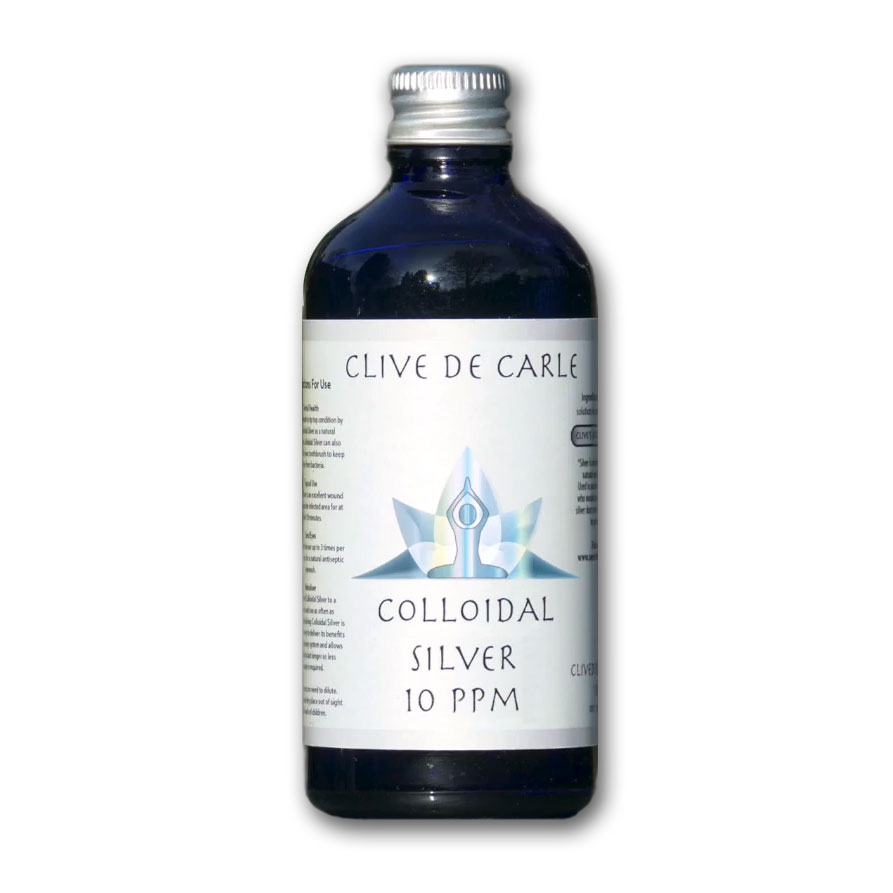
Colloidal Silver: 10ppm – Precision Particle Technology
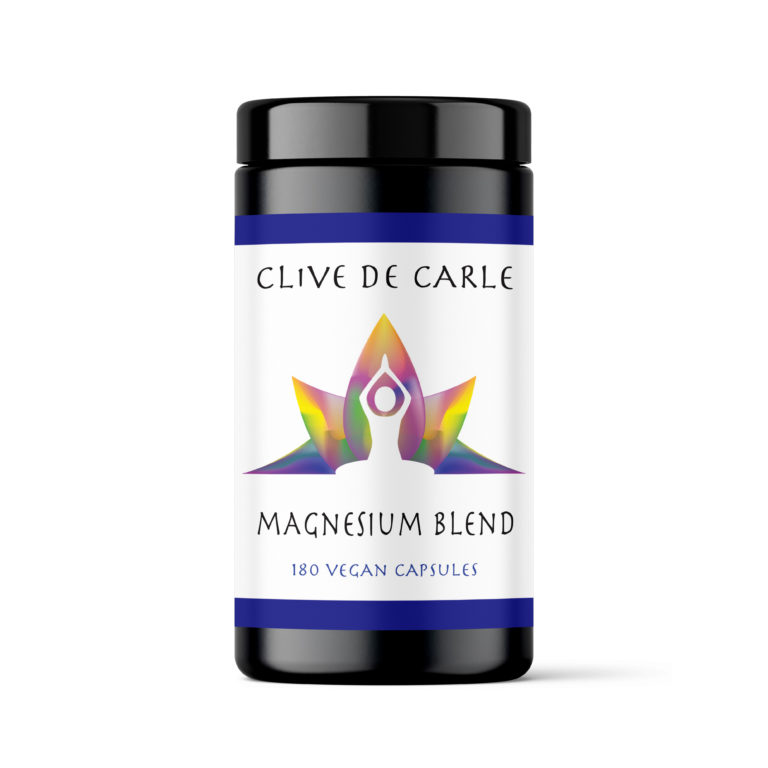
Magnesium Blend – The Most Important Mineral
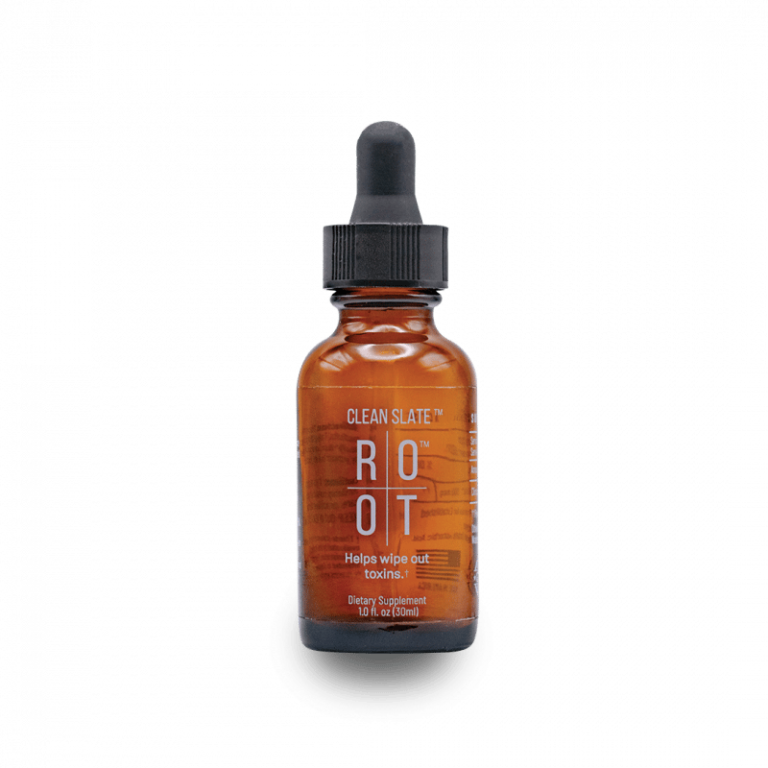
Clean Slate – Detoxes thousands of chemicals,heavy metals, pesticides, allergens, mold spores and fungus
INNERSTANDING may earn a commission on purchases made through these links. All products are selected based on rigorous educational relevance to our biological research.
RABBIT HOLE
Follow the biological thread deeper