
Selenium Deficit and European Soil Profiles
Updated May 2026
European soils are naturally low in selenium compared to American counterparts, leaving the UK population vulnerable to oxidative stress. This article explains selenium's role as a vital cofactor for glutathione peroxidase enzymes.
Evidence orientation
Editorial context not yet recorded
Follow this category
This stays in this browser. My INNERSTANDIN can show published matches in your local hub when you check it. It does not send email, push, or alert notifications.
Local learning review
A private browser aid for revisiting ideas. It is not an alert or a health recommendation.
Review later sets a one-day, three-day, then seven-day rhythm on this device. Choose it only when you want to revisit this article.
Overview
In the hierarchy of human nutrition, specific elements are often relegated to the status of 'trace'—a term that erroneously implies they are of minor importance. Among these, Selenium (Se) stands as perhaps the most misunderstood and systemically neglected micronutrient in the European biosphere. As a senior researcher at INNERSTANDING, it is my duty to expose a geological and nutritional reality that has been largely airbrushed from the public health discourse: the European continent, and specifically the United Kingdom, is currently gripped by a chronic, soil-driven selenium deficiency that undermines the very foundation of our cellular defence.
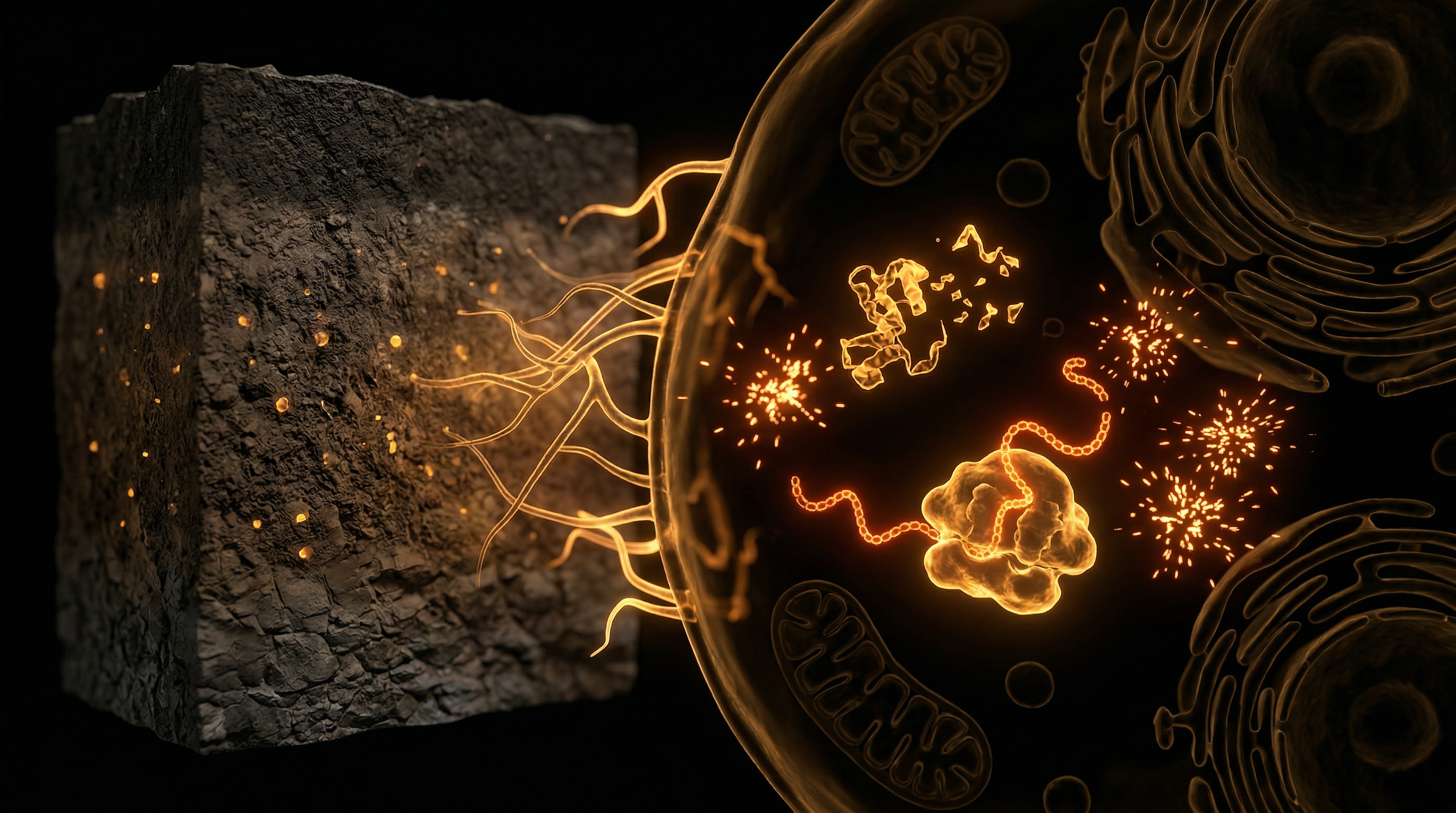
While the Great Plains of North America sit atop Cretaceous-era shales rich in bioavailable selenium, the European landscape is a patchwork of glaciated, leached, and acidified soils that are naturally impoverished of this vital element. This is not merely a matter of geological curiosity; it is a fundamental biological bottleneck. Selenium is the linchpin of the human antioxidant system. Without it, the master antioxidant enzymes—Glutathione Peroxidase—cannot function.
Callout Fact: The average daily selenium intake in the UK has plummeted by nearly 50% over the last four decades, falling from approximately 60μg in the 1970s to levels frequently recorded below 30μg today—well below the physiological requirement for full enzyme expression.
This article provides a comprehensive investigation into the mechanisms of selenium depletion, the biological consequences of its absence, and the systemic failure of modern agricultural policy to address this burgeoning health crisis.
##
The Biology — How It Works
To understand selenium's importance, one must look beyond the standard periodic table. In the human body, selenium does not merely act as a passive mineral; it is the core component of the "21st amino acid," Selenocysteine. Unlike other minerals that may act as loosely bound cofactors, selenium is integrated directly into the polypeptide chain of proteins, creating Selenoproteins.
The Unique Nature of Selenocysteine
The incorporation of selenium into proteins is a sophisticated biological feat. It requires a specific genetic recoding of the UGA stop codon, a process mediated by a specialized SECIS (Selenocysteine Insertion Sequence) element in the mRNA. This evolutionary complexity highlights that the body treats selenium with extreme precision.
The Glutathione Peroxidase (GPx) Family
The most well-known group of selenoproteins is the Glutathione Peroxidase family. These enzymes are the primary "firefighters" of the cell, responsible for reducing hydrogen peroxide and organic hydroperoxides into harmless water or alcohols.
- GPx1: Found in the cytosol and mitochondria; the primary line of defence against oxidative stress.
- GPx2: Located in the gastrointestinal tract, protecting against food-borne oxidants.
- GPx4: Unique in its ability to reduce phospholipid hydroperoxides, thereby protecting cell membranes from ferroptosis (a form of iron-dependent programmed cell death).
Without adequate selenium, these enzymes remain "apoenzymes"—structurally present but functionally inert. The result is a systemic inability to quench the "oxidative fires" generated by normal metabolism and environmental pollutants.
Thyroid Regulation: The Deiodinases
Beyond antioxidant defence, selenium is the master regulator of thyroid hormone metabolism. The enzymes responsible for converting the pro-hormone T4 (Thyroxine) into its active form T3 (Triiodothyronine) are the Iodothyronine Deiodinases—all of which are selenoproteins. A deficiency in selenium effectively "muffles" the thyroid, leading to subclinical hypothyroidism even when iodine levels are sufficient.
##
Mechanisms at the Cellular Level
At the sub-cellular level, the absence of selenium initiates a cascade of dysfunction that begins in the mitochondria and ends in DNA fragmentation.
Mitochondrial Integrity and Redox Signalling
The mitochondria are the primary sites of Reactive Oxygen Species (ROS) production. Under normal conditions, GPx and Thioredoxin Reductase (TrxR) (another vital selenoprotein) maintain the "Redox Potential" of the cell. When selenium is absent, the ROS produced during ATP generation are not neutralised. These radicals then attack the mitochondrial membrane and the mitochondrial DNA (mtDNA), leading to a "bioenergetic crisis."
Important Statistic: Research indicates that full expression of Glutathione Peroxidase 1 (GPx1) in human plasma requires a minimum selenium intake of 70–90μg per day, yet the average European soil-derived diet provides less than 40μg.
The Role of Thioredoxin Reductase
TrxR is essential for DNA synthesis and repair. It provides the reducing equivalents for ribonucleotide reductase, the enzyme that creates the building blocks of DNA. Furthermore, TrxR is a key player in recycling other antioxidants, such as Vitamin C and Vitamin E. When selenium levels drop, the entire antioxidant network collapses like a house of cards.
Ferroptosis: The New Frontier of Pathology
Recent breakthroughs in cell biology have identified ferroptosis as a key driver of neurodegenerative diseases and myocardial infarction. GPx4 is the only enzyme capable of preventing this process. In selenium-deficient environments, neurons and cardiac myocytes become hyper-susceptible to this catastrophic lipid peroxidation, explaining the high correlation between low selenium status and cognitive decline in ageing European populations.
##
Environmental Threats and Biological Disruptors
The selenium deficit in Europe is not solely a product of ancient geology; it is being actively exacerbated by modern industrial and agricultural practices.
The Antagonism of Heavy Metals
One of the most critical functions of selenium is its role as a "heavy metal magnet." Selenium has an extremely high binding affinity for Mercury (Hg), forming a biologically inert complex called mercury selenide.
- In a world increasingly saturated with mercury from industrial emissions and dental amalgams, the body’s limited selenium stores are "diverted" to neutralise these toxins.
- Every molecule of selenium used to bind mercury is a molecule that cannot be used to create Glutathione Peroxidase. This creates a "functional deficiency" even in individuals whose intake might otherwise seem borderline adequate.
The Glyphosate and NPK Problem
Modern agriculture relies heavily on NPK (Nitrogen, Phosphorus, Potassium) fertilisers. These fertilisers acidify the soil, which significantly reduces the bioavailability of selenium to plants. Furthermore, the herbicide Glyphosate acts as a potent mineral chelator. While much has been written about glyphosate's impact on manganese and zinc, its disruption of the soil microbiome also impairs the ability of certain bacteria to convert inorganic soil selenium into the Selenomethionine form that plants can absorb.
Sulphur Competition
Selenium and Sulphur are chemically similar (chalcogens). In the presence of high-sulphur fertilisers or atmospheric sulphur deposition (acid rain), plants will often mistakenly take up sulphur instead of selenium. This competition further dilutes the selenium content of European crops.
##
The Cascade: From Exposure to Disease
What happens when a population is systemically deprived of its primary antioxidant cofactor? The result is not a single disease, but a broad "cascade of vulnerability" that manifests as increased susceptibility to chronic and infectious illness.
Viral Virulence and Mutation
One of the most startling discoveries in selenium research (pioneered by Dr. Melinda Beck) is that selenium deficiency doesn't just weaken the host; it causes the virus to mutate into more virulent forms.
- In a selenium-deficient host, the oxidative stress environment triggers rapid mutations in the viral genome.
- This was famously demonstrated with the Coxsackievirus (Keshan disease), where a harmless strain became lethal simply by passing through a selenium-deficient organism.
- In the context of the 21st century, the low selenium status of European populations may be a major driver behind the increased severity and mutation rate of seasonal influenza and emerging respiratory viruses.
Cardiovascular Integrity
The heart is one of the most mitochondrially dense organs in the body and is therefore highly dependent on GPx4 to prevent lipid peroxidation. The classic "Keshan Disease"—a juvenile cardiomyopathy—is the extreme end of selenium deficiency. However, in Europe, we see a "sub-clinical Keshan" manifesting as increased rates of myocardial fibrosis and heart failure, particularly in regions with the lowest soil selenium concentrations.
Reproductive Decline
Both male and female fertility are selenium-dependent. Selenoprotein P is essential for sperm motility and structural integrity (forming part of the mitochondrial capsule in the sperm tail). In women, selenium deficiency is linked to increased rates of miscarriage and pre-eclampsia, likely due to oxidative damage to the placental vasculature.
##
What the Mainstream Narrative Omits
The mainstream medical and agricultural authorities have remained remarkably silent on the selenium crisis. To understand why, one must look at the history of global trade and the industrialisation of the food supply.
The Great Wheat Shift
Historically, the UK and Europe imported a significant portion of their bread-making wheat from the Canadian Prairies and the US Great Plains. These regions have some of the highest soil selenium levels in the world. Consequently, even though European soils were poor, the population remained protected by the "imported" selenium in their bread.
- In the 1970s and 80s, changes in European Union trade policies and the Common Agricultural Policy (CAP) incentivised the use of homegrown, European-milled wheat.
- This shift was hailed as an economic victory, but it was a nutritional disaster.
- Overnight, the primary source of selenium for millions of people was removed and replaced with low-selenium, locally grown grain.
The Bioavailability Myth
Mainstream RDAs (Recommended Dietary Allowances) often fail to account for bioavailability and the "toxin tax." The official recommendation of 55μg for adults is based on the bare minimum required to prevent overt disease, not the amount required for optimal selenoprotein saturation. Furthermore, these guidelines ignore the fact that bio-accumulated toxins like mercury and arsenic effectively double the body's selenium requirement.
The Cancer Connection
Large-scale trials, such as the Nutritional Prevention of Cancer (NPC) study by Dr. Larry Clark, demonstrated that selenium supplementation could reduce the incidence of prostate, colorectal, and lung cancers by up to 50%. Despite these staggering results, the mainstream narrative focused on the subsequent "SELECT" trial, which used an inferior synthetic form of selenium (selenomethionine) and failed to screen participants for baseline deficiency, effectively burying the evidence for selenium’s protective role.
##
The UK Context
The United Kingdom represents a unique "perfect storm" of selenium depletion. The combination of its geological history and its post-industrial environment has left its population particularly vulnerable.
The Post-Glacial Legacy
Most of the UK’s topsoil was scoured away during the last Ice Age. The "new" soils that formed are relatively young and have been subjected to thousands of years of heavy rainfall, which leaches soluble minerals like selenium into the sea. This is particularly prevalent in the north and west of the country.
Current Intake Trends
The National Diet and Nutrition Survey (NDNS) continues to show a downward trend in selenium status.
- Vulnerable Groups: The elderly, who often consume less protein, and the growing vegan/vegetarian population are at extreme risk. While Brazil nuts are often touted as a solution, their selenium content is highly variable and often exaggerated.
- The Modern British Diet: The move away from organ meats (kidney, liver) and wild-caught seafood—the most concentrated sources of selenium—towards processed convenience foods has closed the final door on adequate intake.
Callout Fact: Soil maps of the UK reveal that parts of Scotland, Wales, and South West England have selenium levels so low that livestock often require mandatory selenium injections to prevent "White Muscle Disease"—yet no such protective measure exists for the human population living on the same land.
##
Protective Measures and Recovery Protocols
Given the systemic nature of soil depletion, waiting for governmental policy to change is a fool’s errand. Proactive, individual intervention is necessary to restore cellular resilience.
1. Identifying Deficiencies
Standard blood tests often measure "Serum Selenium," which reflects recent intake but not long-term tissue stores. A more accurate measure is the activity level of Glutathione Peroxidase in Red Blood Cells, which indicates whether there is enough selenium to actually power the enzymes.
2. Dietary Sources: Beyond the Myth
While soil-dependent, certain foods remain the most reliable sources:
- Kidney and Liver: These organs concentrate selenium regardless of soil levels, as the animal acts as a "biological accumulator."
- Wild-Caught Seafood: Sardines and cod are excellent sources, and crucially, they naturally contain more selenium than mercury, protecting the consumer from the fish's own toxic load.
- The Brazil Nut Caveat: Two Brazil nuts can provide the daily requirement, but only if grown in specific regions of the Amazon. If grown in selenium-poor soil, they are useless. Relying on them without knowing their origin is a gamble.
3. Supplementation Strategy: The Right Form
Not all selenium supplements are created equal.
- Selenised Yeast: This is the gold standard. It provides selenium in a "food-state" (mostly selenomethionine but with other trace selenocompounds), which is absorbed and stored in the tissues more effectively than inorganic salts.
- Sodium Selenite: While absorbed quickly, it is excreted rapidly and lacks the long-term "buffering" effect of selenised yeast. It is, however, useful in acute oxidative crisis protocols.
- The Iodine Connection: Never supplement selenium without ensuring adequate iodine intake, and vice-versa. These two minerals work in a delicate "push-pull" relationship in the thyroid.
4. Regenerative Agriculture
The long-term solution lies in soil restoration. This includes:
- Rock Dust Application: Re-mineralising fields with volcanic rock powders.
- Bio-fortification: Adding selenium to fertilisers, a practice that transformed the health of the Finnish population in the 1980s.
- Mycorrhizal Support: Encouraging the fungal networks that help plants extract minerals from the deep subsoil.
##
Summary: Key Takeaways
- Geological Inequity: European and UK soils are naturally deficient in selenium due to glacial leaching and acidification, a stark contrast to high-selenium regions in North America.
- The Master Cofactor: Selenium is not optional; it is the structural core of Glutathione Peroxidase and Thioredoxin Reductase, the body’s primary defences against oxidative stress, cancer, and viral mutation.
- The Invisible Decline: The UK's shift from North American wheat to European grain has triggered a silent, 50% drop in population-wide selenium levels.
- Viral Evolution: Deficiency in the host creates an environment that forces viruses to mutate into more virulent strains, posing a significant public health risk.
- Mercury Antagonism: In our toxic modern world, selenium is "diverted" to neutralise heavy metals, creating a functional deficiency even when intake seems adequate.
- Actionable Recovery: To bypass the soil crisis, individuals must focus on selenised yeast supplementation, organ meats, and demanding bio-fortification of the food supply.
The selenium deficit is a textbook example of how the fundamental health of a civilisation is tethered to the ground beneath its feet. By ignoring the geological reality of our soil, we have inadvertently designed a population that is biochemically "fragile." Restoring selenium status is not merely about taking a vitamin; it is about reclaiming the cellular sovereignty required to survive in a high-stress, high-toxin world.
This article is provided for informational and educational purposes only. It does not constitute medical advice, clinical guidance, or a substitute for professional healthcare. Information reflects cited research at time of publication. Always consult a qualified healthcare professional before acting on any health information.
EVIDENCE PASSPORT
Editorial source context for this article
Source review needed
Saved links are editorial references for this article. They may support specific claims rather than every sentence. Open and assess each source in context. This passport does not independently verify them.
Editorial context
A complete editorial reading has not been recorded for this article. Source links remain available for you to open and assess directly.
Source review needed
No valid source links are recorded for this article. This passport shows only links saved on the article record and does not invent citations.
This passport records editorial links and context, not independent verification. Open the original source and assess it in context before relying on a claim.
Medical Disclaimer
The information in this article is for educational purposes only and does not constitute medical advice, diagnosis, or treatment. Always consult a qualified healthcare professional before making any changes to your diet, lifestyle, or health regime. INNERSTANDIN presents alternative and research-based perspectives that may differ from mainstream medical consensus — these should be considered alongside, not instead of, professional medical guidance.
Read Full DisclaimerContinue the thread
Keep this question moving.
Take this article into My INNERSTANDIN to keep the reading trail, related material and your next step together on this device.
Dig deeper in the Library
Free, longform PDF volumes that go beyond headlines into mechanisms and references.