
Statins in the UK: Efficacy vs. Side Effects
Updated May 2026
While statins are the most prescribed drug in the UK, their impact on CoQ10 levels and muscle metabolism is often understated. We analyze the biochemical trade-offs involved in long-term HMG-CoA reductase inhibition.
Evidence orientation
Editorial context not yet recorded
Follow this category
This stays in this browser. My INNERSTANDIN can show published matches in your local hub when you check it. It does not send email, push, or alert notifications.
Local learning review
A private browser aid for revisiting ideas. It is not an alert or a health recommendation.
Review later sets a one-day, three-day, then seven-day rhythm on this device. Choose it only when you want to revisit this article.
Overview
In the landscape of modern British medicine, few pharmacological interventions are as ubiquitous—or as contentious—as statins. Formally known as HMG-CoA reductase inhibitors, these lipid-lowering agents have become the cornerstone of cardiovascular disease (CVD) prevention within the National Health Service (NHS). Currently, it is estimated that over 8 million people in the United Kingdom are prescribed statins, a figure that continues to rise following the 2023 update to the National Institute for Health and Care Excellence (NICE) guidelines, which lowered the threshold for prescription.
The prevailing medical orthodoxy suggests that statins are a "miracle drug"—a low-cost, high-efficacy tool to combat the UK’s leading cause of death. However, behind the impressive data on Relative Risk Reduction (RRR) lies a more complex biochemical reality. As a senior researcher for INNERSTANDING, it is my duty to look beyond the surface-level clinical trials and examine the cellular collateral damage.
While the reduction of Low-Density Lipoprotein (LDL) cholesterol is the primary goal, the systemic inhibition of the mevalonate pathway has profound implications for mitochondrial health, protein synthesis, and hormonal balance. This article provides a rigorous analysis of the efficacy of statins against their metabolic costs, specifically within the unique context of the UK’s public health framework. We will explore why the "cholesterol-only" focus may be an oversimplification of human biology that ignores the critical role of Coenzyme Q10 (CoQ10) and the integrity of the myocyte.
The Biology — How It Works
To understand the efficacy and the controversy of statins, one must first understand the mevalonate pathway, a fundamental metabolic route in all eukaryotic cells.
The Gatekeeper: HMG-CoA Reductase
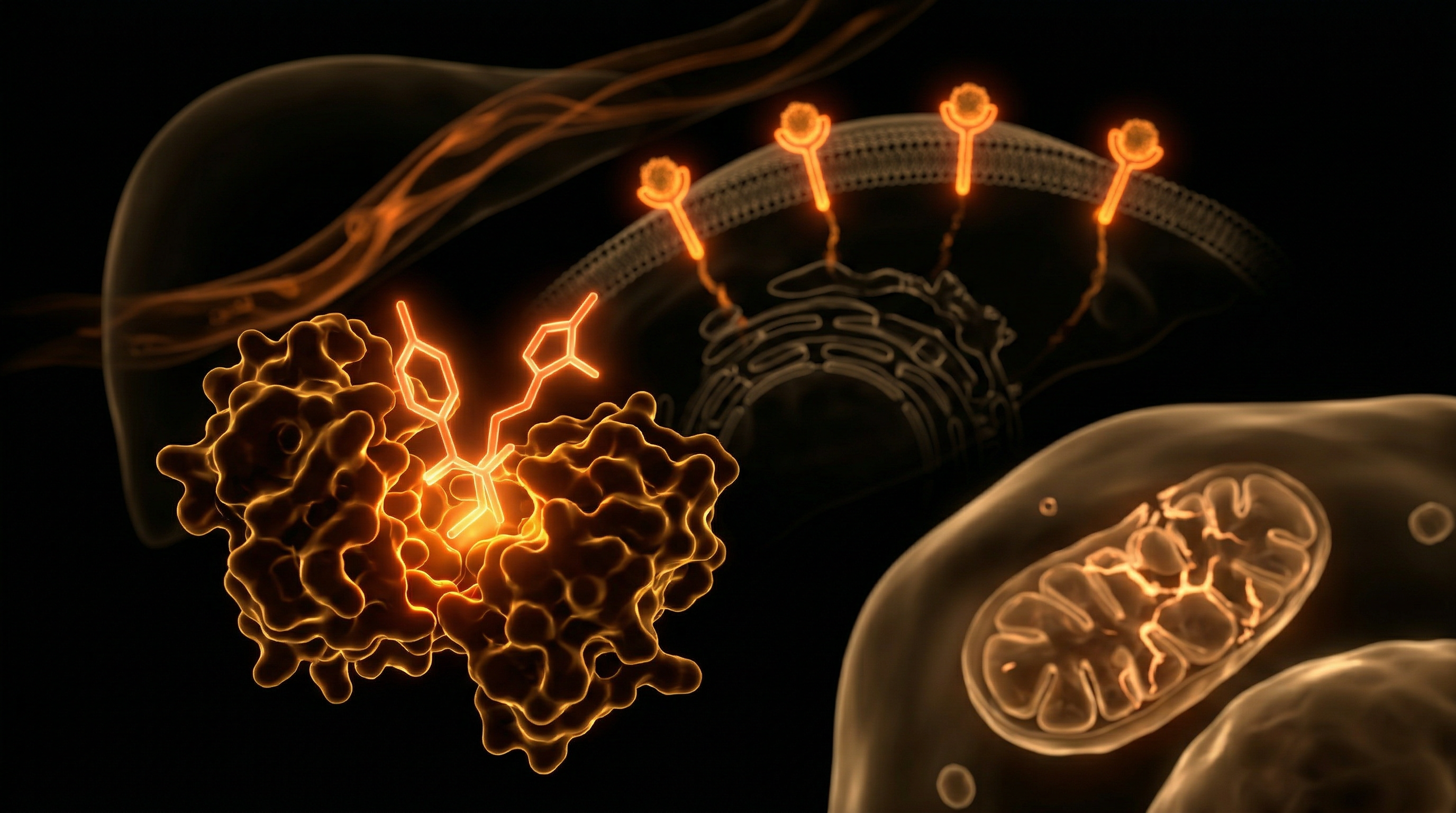
Statins function by competitively inhibiting the enzyme 3-hydroxy-3-methylglutaryl-coenzyme A (HMG-CoA) reductase. This enzyme is the rate-limiting step in the synthesis of cholesterol within the liver. By blocking this enzyme, statins decrease the intracellular pool of cholesterol. In response, the liver upregulates the expression of LDL receptors on the surface of hepatocytes. These receptors then clear LDL particles from the systemic circulation, thereby lowering blood cholesterol levels.
The Multi-Faceted Role of Cholesterol
It is a common misconception that cholesterol is a "poison." In reality, cholesterol is a vital structural component of every cell membrane in the human body, providing fluidity and stability. Furthermore, it is the essential precursor for:
- Steroid Hormones: Including cortisol, aldosterone, oestrogen, and testosterone.
- Bile Acids: Necessary for the digestion and absorption of fats and fat-soluble vitamins (A, D, E, and K).
- Vitamin D: Synthesised in the skin via UV exposure on a cholesterol derivative.
Fact: The human brain, despite making up only 2% of total body weight, contains approximately 20% of the body's total cholesterol. It is essential for the formation of myelin sheaths and synaptic connections.
By inhibiting the production of cholesterol, statins do not merely lower a biomarker on a blood test; they alter the fundamental building blocks of human physiology. The question for modern science is whether the systemic reduction of these compounds is always a net positive, particularly in primary prevention (patients with no prior history of heart disease).
Mechanisms at the Cellular Level
The "statins-as-stains" metaphor often misses the most critical point: HMG-CoA reductase does not just produce cholesterol. It produces mevalonate, which is a precursor to a host of other biologically essential molecules. When we inhibit this enzyme, we create a "metabolic bottleneck" that starves the cell of various non-sterol isoprenoids.
The CoQ10 Depletion Hypothesis
Perhaps the most significant casualty of statin therapy is Coenzyme Q10 (ubiquinone). CoQ10 shares the same biosynthetic pathway as cholesterol.
- Mitochondrial Function: CoQ10 is a vital electron carrier in the Electron Transport Chain (ETC) within the mitochondria. It is responsible for the production of Adenosine Triphosphate (ATP), the energy currency of the cell.
- Antioxidant Protection: Within the lipid membranes and lipoproteins, CoQ10 acts as a potent antioxidant, preventing lipid peroxidation.
When statins inhibit HMG-CoA reductase, they simultaneously inhibit the production of farnesyl pyrophosphate, a necessary intermediate for CoQ10 synthesis. This leads to a documented reduction in serum and intramuscular CoQ10 levels, often by as much as 40–50%.
Protein Prenylation and Rho/Ras Signalling
Beyond CoQ10, the mevalonate pathway produces isoprenoids like geranylgeranyl pyrophosphate (GGPP). These molecules are required for protein prenylation—the process of attaching a lipid "tail" to proteins to allow them to anchor to cell membranes.
- Small GTPases: Proteins like Rho, Rac, and Ras rely on prenylation to function. These proteins regulate cell growth, apoptosis, and cytoskeletal integrity.
- The Myocyte Impact: In muscle cells, the disruption of Rho-signalling is believed to be a primary driver of Statin-Associated Muscle Symptoms (SAMS). Without proper prenylation, the structural integrity of the muscle cell is compromised, leading to leakage of Creatine Kinase (CK) and, in extreme cases, rhabdomyolysis.
Dolichols and Glycosylation
Another often-overlooked byproduct of the mevalonate pathway is dolichols. These long-chain lipids are essential for the N-glycosylation of proteins. This process is required for the proper folding and trafficking of proteins within the cell. Disrupting dolichol synthesis can lead to endoplasmic reticulum (ER) stress, contributing to the "pro-aging" cellular profile sometimes observed in long-term statin users.
Environmental Threats and Biological Disruptors
The efficacy and safety of statins cannot be viewed in a vacuum. In the UK, the biological impact of these drugs is modulated by environmental factors and lifestyle disruptors that often exacerbate their side effects.
The Vitamin D Synergy
The UK is notorious for widespread Vitamin D deficiency, particularly during the winter months. Because Vitamin D is synthesised from a cholesterol precursor, statin users may find it even more difficult to maintain adequate levels.
- Clinical Link: Low Vitamin D levels are strongly correlated with increased statin-induced myopathy. Vitamin D is essential for muscle function and calcium signalling; its deficiency acts as a "second hit" to a system already stressed by reduced CoQ10.
The Pro-Inflammatory Diet
The standard British diet, high in Ultra-Processed Foods (UPFs) and industrial seed oils (rich in Omega-6 linoleic acid), creates an environment of high oxidative stress.
- Oxidised LDL: While statins lower the quantity of LDL, they do not necessarily improve the quality. Oxidised LDL (oxLDL) is the true driver of atherosclerosis.
- Metabolic Conflict: A diet high in refined sugars promotes insulin resistance. Statins have been shown to increase the risk of developing Type 2 Diabetes by approximately 10–12%. In a population already struggling with a metabolic health crisis, the addition of a drug that impairs glucose transport (via GLUT4 inhibition) creates a biological "perfect storm."
Glyphosate and Gut Health
Emerging research suggests that environmental toxins like glyphosate, common in UK agriculture, may interfere with the cytochrome P450 enzymes in the liver. Since many statins (like Atorvastatin and Simvastatin) are metabolised by the CYP3A4 pathway, environmental exposure to pesticide residues can lead to decreased clearance of the drug, increasing systemic toxicity and the risk of side effects.
The Cascade: From Exposure to Disease
When the mevalonate pathway is chronically suppressed, the body enters a state of "metabolic compensation." Over months and years, this leads to a cascade of physiological shifts that can manifest as secondary pathologies.
1. The Musculoskeletal Descent
It begins with myalgia—vague muscle aches and weakness. In the UK, many patients dismiss these as "signs of aging." However, at the cellular level, this is evidence of mitochondrial decay. As ATP production falters, the muscle's ability to repair itself diminishes.
- Sarcopenia Acceleration: For the elderly British population, this muscle wasting can lead to increased fall risk and loss of independence.
2. Cognitive Decline and "Statin Fog"
The brain's reliance on de novo cholesterol synthesis makes it uniquely sensitive to HMG-CoA inhibition. While statins are often touted as protecting against vascular dementia, thousands of patients report cognitive impairment, memory loss, and "brain fog."
- Synaptic Integrity: Cholesterol is vital for the formation of lipid rafts in neuronal membranes. These rafts are the hubs for neurotransmitter signalling. Depleting them can dampen cognitive processing speeds.
3. The Hormonal Imbalance
As precursors to steroid hormones dwindle, patients may experience symptoms of low testosterone or adrenal insufficiency.
- Libido and Mood: In male patients, the reduction in available cholesterol can lead to lower free testosterone, manifesting as erectile dysfunction and depression—ironically, symptoms often treated with further medications rather than an adjustment of the statin protocol.
Important Callout: A 2012 study published in Archives of Internal Medicine found that post-menopausal women taking statins had a 48% increased risk of developing Type 2 Diabetes compared to those not taking the drug.
What the Mainstream Narrative Omits
The debate over statins is often framed as "science vs. denialism." However, a closer look at the data reveals that the "science" is frequently presented in a way that obscures the clinical reality for the individual patient.
Relative Risk vs. Absolute Risk
The pharmaceutical industry and NHS public health campaigns frequently cite "30% to 50% reductions in heart attacks." This is a Relative Risk Reduction (RRR).
- The Reality: If your risk of a heart attack is 2% and a drug reduces it to 1.4%, that is a 30% RRR. However, the Absolute Risk Reduction (ARR) is only 0.6%.
- Number Needed to Treat (NNT): For primary prevention, the NNT is often cited as around 100. This means 100 people must take the drug for five years to prevent one non-fatal heart attack, while the other 99 receive no benefit but are exposed to all the potential side effects.
The Funding of Clinical Trials
The majority of the landmark statin trials (such as the JUPITER or 4S trials) were funded by the manufacturers.
- The "Side Effect" Discrepancy: In highly controlled clinical trials, the reported rate of muscle pain is often as low as 1–2%. However, in "real-world" observational studies (such as the PRIMO study), the rate of muscle symptoms is reported between 10% and 25%.
- Exclusion Criteria: Clinical trials often use a "run-in period" where patients who show early intolerance to the drug are removed from the study before it officially begins, artificially lowering the reported incidence of adverse events.
The "Cholesterol Hypothesis" Under Fire
The fundamental premise of statin therapy is that lowering LDL cholesterol prevents heart disease. Yet, many high-level meta-analyses have shown that for people over the age of 60, higher LDL levels are actually associated with greater longevity.
- The Immune Connection: LDL particles play a role in the innate immune system, binding to and inactivating bacterial toxins. Low LDL has been linked to an increased risk of death from infectious diseases and cancer in the elderly.
The UK Context
The United Kingdom presents a unique case study in statin over-prescription. The NHS, driven by cost-effectiveness and population-level metrics, has embraced statins with a zeal rarely seen in other nations.
The NICE Guidelines and QRISK3
In 2023, NICE recommended that statins should be offered to people with a 10% or greater risk of developing CVD over the next 10 years, as calculated by the QRISK3 tool.
- Criticism: Critics argue that this effectively medicalises the entire middle-aged population of the UK. The QRISK3 algorithm heavily weights age; consequently, almost any man over the age of 65 and woman over 70 will "qualify" for a statin, regardless of their actual metabolic health.
The QOF Incentives
The Quality and Outcomes Framework (QOF) is a system that provides financial incentives to GP practices in the UK based on how well they hit certain targets.
- The Statin Target: GPs are essentially paid to ensure a high percentage of their "at-risk" patients are on statins. This creates a systemic bias where the pressure to prescribe outweighs the time-consuming process of discussing diet, lifestyle, and potential side effects with the patient.
The Cost Burden
While Atorvastatin is off-patent and "cheap" (pennies per pill), the long-term cost of managing the side effects—diabetes medications, physiotherapy for muscle issues, and mental health support for cognitive decline—is rarely factored into the NHS's economic models.
Protective Measures and Recovery Protocols
For those who must remain on statin therapy due to high genetic risk (such as Familial Hypercholesterolaemia) or existing heart disease (secondary prevention), there are biochemical strategies to mitigate the damage.
1. CoQ10 Supplementation (Ubiquinol)
It is scientifically negligent to prescribe a statin without also recommending CoQ10.
- Dosage: Patients should aim for 100–200mg of Ubiquinol (the reduced, more bioavailable form of CoQ10) daily. This can help bypass the blockade in the mevalonate pathway and support mitochondrial respiration.
2. Magnesium and Vitamin K2
- Magnesium: Statins can deplete magnesium, which is a cofactor for over 300 enzymatic reactions, including those involved in ATP production.
- Vitamin K2 (MK-7): Statins have been shown to inhibit the synthesis of Vitamin K2. Since K2 is responsible for directing calcium out of the arteries and into the bones, a deficiency can paradoxically lead to increased arterial calcification—the very thing the drug is supposed to prevent.
3. Metabolic Flexibility and Diet
Rather than focusing solely on LDL, patients should prioritise Metabolic Health:
- Reduce Triglycerides: By lowering intake of refined carbohydrates and fructose.
- Increase HDL: Through healthy fats (avocado, olive oil, wild-caught fish) and exercise.
- Monitor the Triglyceride/HDL Ratio: This is a far more accurate predictor of cardiovascular risk than LDL alone. A ratio below 0.8 (in mmol/L) indicates healthy, buoyant LDL particles, whereas a high ratio suggests small, dense, atherogenic LDL.
4. Resistance Training
To counteract the risk of sarcopenia and muscle wasting, statin users must engage in regular resistance training. However, they must be mindful of recovery times, as statins can increase post-exercise muscle damage.
Summary: Key Takeaways
The use of statins in the UK is a triumph of pharmaceutical marketing and population-level statistics over individualised, systems-based biology. While they undoubtedly provide benefit for high-risk patients with established heart disease, their application as a "catch-all" preventative for the healthy public deserves rigorous scrutiny.
- Inhibition of Life: Statins do not just lower cholesterol; they suppress the mevalonate pathway, depleting the body of CoQ10, dolichols, and isoprenoids.
- The Side Effect Gap: Real-world muscle pain and cognitive issues are significantly more common than clinical trials suggest, largely due to the "healthy user" bias and trial design.
- The UK System: NHS guidelines and GP incentives (QOF) create a pro-prescription environment that may prioritise "hitting targets" over individual patient wellbeing.
- The Importance of Co-Factors: If on a statin, supplementation with Ubiquinol, Magnesium, and Vitamin K2 is not optional; it is a biochemical necessity to mitigate mitochondrial decay.
- The Bigger Picture: Cardiovascular health is the result of metabolic flexibility, low inflammation, and hormonal balance—none of which can be achieved through a single pill alone.
In the quest to lower a single biomarker, we must be careful not to dismantle the very machinery that allows the human body to thrive. True "INNERSTANDING" requires us to look past the LDL numbers and see the cellular cost of the intervention.
This article is provided for informational and educational purposes only. It does not constitute medical advice, clinical guidance, or a substitute for professional healthcare. Information reflects cited research at time of publication. Always consult a qualified healthcare professional before acting on any health information.
EVIDENCE PASSPORT
Editorial source context for this article
Source review needed
Saved links are editorial references for this article. They may support specific claims rather than every sentence. Open and assess each source in context. This passport does not independently verify them.
Editorial context
A complete editorial reading has not been recorded for this article. Source links remain available for you to open and assess directly.
Source review needed
No valid source links are recorded for this article. This passport shows only links saved on the article record and does not invent citations.
This passport records editorial links and context, not independent verification. Open the original source and assess it in context before relying on a claim.
Medical Disclaimer
The information in this article is for educational purposes only and does not constitute medical advice, diagnosis, or treatment. Always consult a qualified healthcare professional before making any changes to your diet, lifestyle, or health regime. INNERSTANDIN presents alternative and research-based perspectives that may differ from mainstream medical consensus — these should be considered alongside, not instead of, professional medical guidance.
Read Full DisclaimerContinue the thread
Keep this question moving.
Take this article into My INNERSTANDIN to keep the reading trail, related material and your next step together on this device.