
The Aluminum Connection: Synergistic Toxicity in Fluoridated Supplies
Updated May 2026
Aluminum and fluoride form complexes that are more easily absorbed by the human body than either element alone. This synergy represents a hidden threat to neurological health in areas with high metal concentrations.
Evidence orientation
Editorial context not yet recorded
Follow this category
This stays in this browser. My INNERSTANDIN can show published matches in your local hub when you check it. It does not send email, push, or alert notifications.
Local learning review
A private browser aid for revisiting ideas. It is not an alert or a health recommendation.
Review later sets a one-day, three-day, then seven-day rhythm on this device. Choose it only when you want to revisit this article.
Overview
For decades, the public health discourse surrounding water fluoridation has been confined to a binary debate: the purported benefits to dental enamel versus the potential risks of skeletal and dental fluorosis. However, this narrow focus ignores a far more insidious biochemical reality. In the complex environment of municipal water systems and the human biological milieu, elements do not act in isolation. The most critical, yet systematically overlooked, threat to human neurological health is the synergistic toxicity between fluoride (F-) and aluminium (Al).
When these two substances coexist, they do not merely add their toxicities together; they multiply them. They form Aluminium Fluoride (AlFx) complexes—molecular chameleons that can bypass the body's most sophisticated defensive barriers, including the blood-brain barrier (BBB). While aluminium is often present in water supplies as a residual byproduct of the "flocculation" process (where aluminium sulphate is used to clear turbidity), and fluoride is intentionally added for "prophylactic" purposes, the combination creates a potent neurotoxin that the human body is ill-equipped to handle.
This article serves as a deep-dive investigation into the molecular mechanisms of this synergy, the environmental precursors that exacerbate exposure, and the catastrophic cascade of neurological and systemic dysfunction that follows. We are moving beyond the surface-level "fluoride is good or bad" debate to expose a hidden chemical alliance that is quietly contributing to the global rise in neurodegenerative and neurodevelopmental disorders.
Fact: Aluminium and fluoride possess a unique chemical affinity. Under the pH conditions found in the human stomach and blood, they spontaneously form AlF3 and AlF4 complexes, which are structurally similar to phosphate groups—the fundamental "energy currency" molecules of life.
##
The Biology — How It Works
To understand the danger of the aluminium-fluoride connection, one must first understand the concept of bioavailability. On its own, aluminium is relatively poorly absorbed by the gastrointestinal tract. Most elemental aluminium or aluminium salts ingested through food or water are excreted. Similarly, while fluoride is highly bioavailable, its toxicity is often mitigated by the body’s ability to sequester it into bones and teeth.
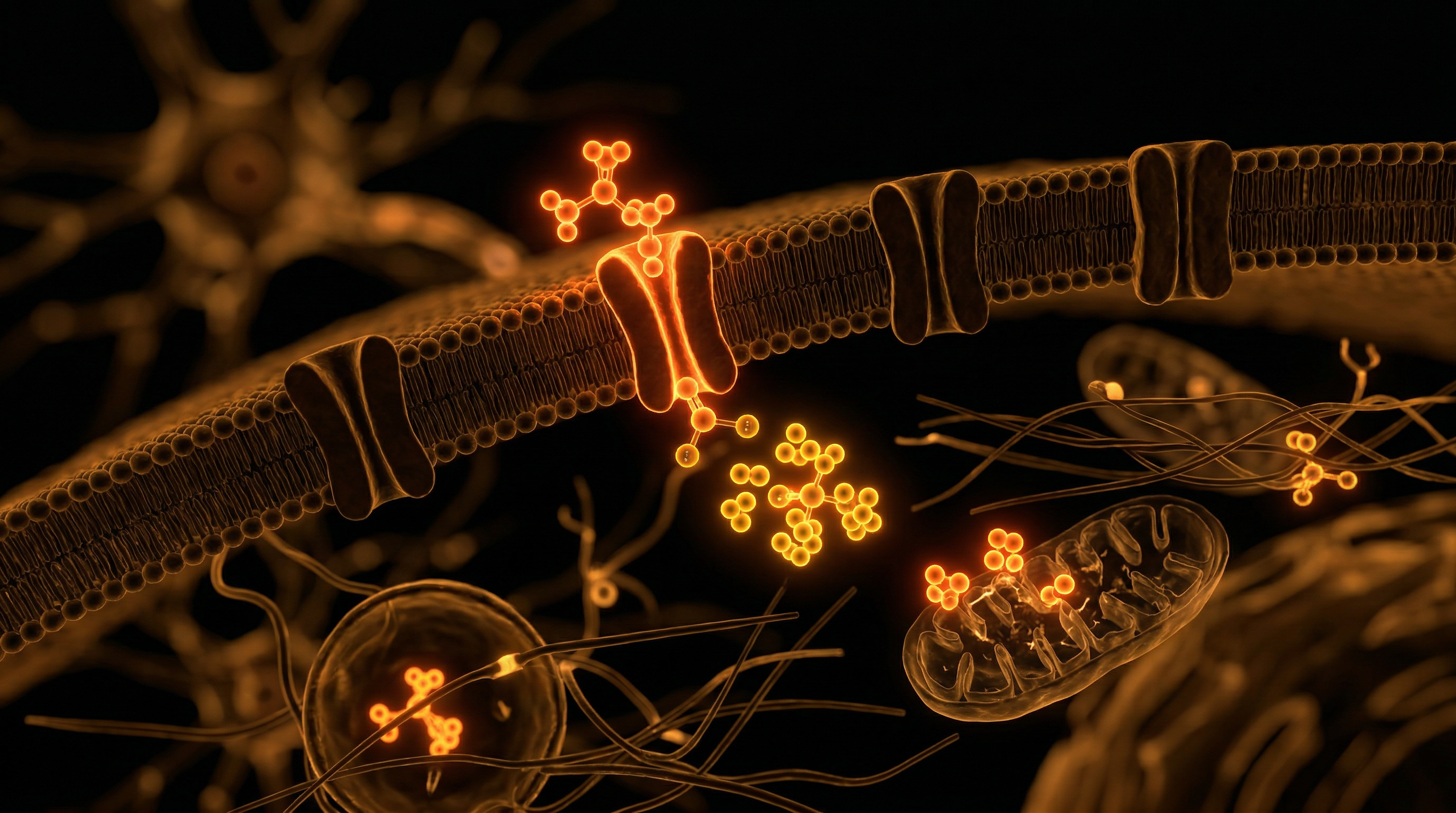
However, the presence of fluoride acts as a "Trojan Horse" for aluminium. When these two ions meet, they form fluoroaluminate complexes. These complexes are lipid-soluble and neutral in charge in specific configurations, allowing them to traverse biological membranes that would normally repel charged ions.
The Trojan Horse Effect
The primary mechanism of increased toxicity is the facilitated transport of aluminium across the intestinal wall and the blood-brain barrier. Fluoride forms a stable complex with aluminium that mimics the size and shape of other essential ions or molecules. Once inside the bloodstream, these complexes are transported throughout the body.
The blood-brain barrier is designed to keep toxins out while allowing nutrients in. However, the AlF4- complex is a structural analogue of the phosphate (PO4) group. Because the cell is programmed to recognise and transport phosphates for energy production and signalling, the aluminium-fluoride complex is essentially "waived through" the security checkpoints of the brain. This results in an accumulation of aluminium in the cerebral cortex and hippocampus—areas vital for memory and cognitive function—at levels significantly higher than would be possible in the absence of fluoride.
Synergistic Potentiation
Synergy occurs when the combined effect of two substances is greater than the sum of their individual effects. In the case of Al-F synergy, research has shown that even "sub-toxic" levels of aluminium and fluoride, when administered together, cause significant damage to neuronal mitochondria and lipid membranes. This means that current "Safety Limits" for water—which look at each element in isolation—are fundamentally flawed and biologically irrelevant.
##
Mechanisms at the Cellular Level
The true devastation of the aluminium-fluoride complex occurs at the level of G-Proteins and signal transduction pathways. This is where the "phosphate mimicry" becomes a weapon of mass cellular disruption.
G-Protein Mimicry
G-proteins (Guanine nucleotide-binding proteins) are the "middlemen" of cellular communication. They sit on the inside of the cell membrane and relay signals from external hormones or neurotransmitters to the interior of the cell. They function as a switch, turning "on" when they bind to GTP (Guanosine Triphosphate) and "off" when the third phosphate group is removed.
Because the tetrafluoroaluminate (AlF4-) ion is geometrically and electronically similar to a phosphate group, it can lodge itself into the G-protein’s binding site. This tricks the G-protein into staying in a permanent "on" state. The cell is then flooded with false signals, leading to:
- Over-activation of cyclic AMP (cAMP).
- Disruption of Phospholipase C activity.
- Constant, errant signalling that exhausts the cell’s resources and eventually leads to apoptosis (programmed cell death).
Mitochondrial Dysfunction
The mitochondria are the power plants of our cells. They rely on the movement of phosphate groups to create ATP (Adenosine Triphosphate). AlFx complexes interfere with this process by inhibiting F-ATPase, the enzyme responsible for synthesizing ATP. When ATP production is stifled, the cell enters a state of oxidative stress.
Statistic: Studies on rat models have demonstrated that exposure to aluminium-fluoride complexes at concentrations found in municipal water supplies results in a 40% reduction in mitochondrial activity in the hippocampus within 30 days.
Oxidative Stress and Lipid Peroxidation
The brain is particularly vulnerable to oxidative stress because of its high oxygen consumption and high fat (lipid) content. Aluminium-fluoride complexes catalyse the production of Reactive Oxygen Species (ROS). These "free radicals" attack the lipid membranes of neurons in a process called lipid peroxidation. This degrades the structural integrity of the neuron, leading to the "leaking" of cellular contents and the eventual formation of neurofibrillary tangles, a hallmark of Alzheimer’s disease.
##
Environmental Threats and Biological Disruptors
The synthesis of AlFx complexes does not only happen inside the body; it begins in the environment and the infrastructure of our modern world.
Water Treatment Flocculants
Most modern water treatment plants use Aluminium Sulphate (Alum) as a flocculant to remove suspended particles and organic matter. While most of the alum is filtered out, residual aluminium remains in the finished water. In regions where the water is also fluoridated (either naturally or through the addition of Hexafluorosilicic Acid), the conditions for the formation of AlFx are perfect.
The pH of the water plays a critical role. In slightly acidic environments, the formation of AlF3 and AlF4 is most efficient. Ironically, as many water supplies become more acidic due to environmental pollution or as they sit in lead and copper piping, the toxicity of the fluoride-aluminium cocktail increases.
Industrial and Atmospheric Contributions
Beyond water, we are living in what some researchers call the "Aluminium Age." We are exposed to aluminium via:
- Food packaging (cans, foil, processed food additives).
- Cookware (leaching into acidic foods).
- Personal care products (antiperspirants, sunscreens).
- Agricultural fertilisers (which often contain fluoride as a contaminant).
Furthermore, the controversial issue of aerosolised particulates (often termed geoengineering) cannot be ignored in a comprehensive biological assessment. Monitoring of rainwater in both the UK and North America has shown inexplicable spikes in nano-particulate aluminium. When this airborne aluminium settles into fluoridated reservoirs, it provides a constant, fresh supply of reactants for AlFx synthesis.
The Role of Silicic Acid
In nature, aluminium is usually "tamed" by orthosilicic acid (silica). Silica binds to aluminium to form hydroxyaluminosilicates, which are non-toxic and easily excreted. However, modern water processing often removes natural silica, and many fluoridating agents (like hexafluorosilicic acid) do not provide the protective silica-binding benefit once they dissociate in water. This leaves the aluminium "naked" and highly reactive with the fluoride ions.
##
The Cascade: From Exposure to Disease
The chronic ingestion of aluminium-fluoride complexes initiates a slow-motion biological collapse. Because the symptoms often take decades to manifest as a diagnosable disease, the "synergy" is rarely identified as the root cause.
1. Neurodevelopmental Impacts (IQ and ADHD)
The developing brain of a foetus or infant is the most sensitive to AlFx toxicity. G-protein signalling is responsible for guiding the migration of neurons during brain development. When AlFx disrupts these signals, the "wiring" of the brain is permanently altered.
- Lowered IQ: Dozens of studies have linked fluoridated water to lower IQ in children. The synergistic presence of aluminium explains why some areas show much steeper declines than others.
- Cognitive Fog: Chronic exposure in children leads to an inability to focus, often misdiagnosed as ADHD, which is actually a symptom of neuro-inflammation.
2. The Alzheimer’s Connection
Alzheimer's disease is characterised by the accumulation of amyloid-beta plaques and tau tangles. Aluminium has been found at the core of these plaques in numerous autopsies. Fluoride accelerates the process by:
- Increasing the permeability of the BBB to aluminium.
- Promoting the expression of the amyloid precursor protein (APP).
- Inhibiting the enzymes that would normally clear these plaques from the brain.
3. Endocrine Disruption (The Pineal Gland)
The pineal gland, located outside the blood-brain barrier, is a major target for fluoride accumulation. As the gland calcifies due to fluoride, it also traps aluminium. This "calcified crust" inhibits the production of melatonin, the hormone responsible for sleep regulation and powerful antioxidant protection for the brain. A lack of melatonin accelerates the aging of the brain and leaves it more vulnerable to the oxidative damage caused by AlFx.
4. Thyroid Dysfunction
Fluoride was once used as a medication to suppress overactive thyroids. It acts as a TSH (Thyroid Stimulating Hormone) analogue. When combined with aluminium, it interferes with the iodine uptake mechanism, leading to widespread hypothyroidism. This causes fatigue, weight gain, and depression—symptoms now epidemic in fluoridated populations.
##
What the Mainstream Narrative Omits
The refusal of regulatory bodies like the WHO, the CDC, and the UK Department of Health to acknowledge the aluminium-fluoride synergy is not a failure of science, but a failure of policy.
The "Dose-Response" Fallacy
Toxicology has historically relied on the "Sola Dosis Facit Venenum" (the dose makes the poison) model. This model assumes that if 1mg of fluoride is safe and 1mg of aluminium is safe, then the combination must also be safe. This ignores the fundamental principle of synergistic potentiation. In synergistic reactions, 1 + 1 does not equal 2; it can equal 10 or 100. By ignoring the interaction between these elements, "safe levels" are rendered mathematically and biologically meaningless.
Regulatory Capture and the "Grand Rapids" Legacy
Since the first fluoridation experiment in Grand Rapids, Michigan (1945), the policy has been shielded by political interests. Admitting that fluoride creates a neurotoxic complex with aluminium would require:
- Re-evaluating the safety of all aluminium-based water treatment.
- Admitting liability for the rising rates of neurodegenerative disease.
- Discontinuing the use of industrial waste products (hexafluorosilicic acid) as "medicinal" additives.
The Suppression of Research
Scientists who have attempted to publish data on AlFx synergy, such as the late Dr. Phyllis Mullenix or researchers like Professor Christopher Exley (a world-renowned expert on aluminium), have frequently faced funding cuts, de-platforming, or forced retirement. The narrative is maintained through a combination of "consensus science" and the marginalisation of independent toxicology.
##
The UK Context
In the United Kingdom, the situation is particularly acute. The UK government has recently moved to expand water fluoridation to the entire country under the Health and Care Act 2022, transferring the power to mandate fluoridation from local authorities to the Secretary of State for Health.
High-Risk Areas
Currently, areas such as the West Midlands, North East England, and parts of East Anglia are heavily fluoridated. These same areas often utilise older water infrastructure where aluminium-sulphate-based flocculation is the standard. Residents in cities like Birmingham or Newcastle are essentially living in a large-scale, uncontrolled experiment in AlFx exposure.
The Camelford Incident: A Warning Ignored
In 1988, 20 tonnes of aluminium sulphate were accidentally dumped into the water supply at Camelford, Cornwall. While this was an acute "overdose," the long-term health effects reported by residents—severe memory loss, bone pain, and premature dementia—provide a harrowing window into the effects of aluminium toxicity. When we add fluoride to this mix, we are creating a "chronic Camelford" environment in every household.
British Regulatory Stance
The UK Health Security Agency (UKHSA) continues to cite "dental health" as the primary justification for fluoridation, despite the fact that most of Western Europe has rejected the practice with no resultant "epidemic" of tooth decay. The UK remains one of the few nations stubbornly adhering to a 1950s policy that ignores 21st-century molecular biology.
##
Protective Measures and Recovery Protocols
While the systemic presence of aluminium and fluoride in our environment is daunting, there are biological interventions that can decouple this synergy and protect the nervous system.
1. The Power of Silica (Orthosilicic Acid)
As mentioned earlier, silica is the natural antagonist to aluminium. Research led by Professor Christopher Exley has shown that drinking silica-rich mineral water can facilitate the excretion of aluminium through the urine.
- Action: Look for mineral waters with a silica (as SiO2) content of at least 30mg/L. Drinking 1 litre of this water daily can significantly reduce the body's aluminium burden over time.
2. Iodine Supplementation
Fluoride displaces iodine in the body. By ensuring adequate iodine intake (through sea vegetables or high-quality supplements), you can protect the thyroid and help the body "crowd out" fluoride ions. However, iodine should always be taken alongside co-factors like selenium to prevent oxidative stress in the thyroid.
3. Curcumin and Magnesium
- Curcumin: This active compound in turmeric is one of the few substances shown in studies to cross the blood-brain barrier and protect against fluoride-induced neurotoxicity by acting as a potent antioxidant.
- Magnesium: Magnesium is essential for over 300 enzymatic reactions. Fluoride has a high affinity for magnesium, often binding to it and making it unavailable to the body. Supplementing with Magnesium Malate or Magnesium Glycinate helps maintain cellular energy and aids in the detoxification of metals.
4. Filtration Technology
Standard carbon "jug" filters are largely ineffective at removing fluoride or aluminium complexes. To effectively clear the water supply, one must use:
- Reverse Osmosis (RO): The most effective method for removing fluoride and heavy metals.
- Activated Alumina Filters: Specifically designed to target fluoride, though they must be changed frequently to prevent leaching.
- Distillation: Highly effective, though the water should be re-mineralised after processing.
5. Dietary Adjustments
- Avoid processed foods: Many use "mechanically deboned meat" which is extremely high in fluoride from bone fragments.
- Organic Produce: Reduces the intake of phosphate fertilisers which are often contaminated with both aluminium and fluoride.
- Tamarind: Some studies suggest that tamarind paste can help the body excrete fluoride through the kidneys.
##
Summary: Key Takeaways
The "Aluminium Connection" represents a paradigm shift in how we must view environmental health. The synergy between aluminium and fluoride is not a theoretical risk; it is a documented biochemical mechanism that exploits the body's own signalling systems to deliver toxins directly to the brain.
- The Complex is the Key: Fluoride and aluminium form AlFx complexes that act as phosphate mimics, bypassing the blood-brain barrier and disrupting G-protein signalling.
- Bioavailability: Fluoride acts as a "Trojan Horse," significantly increasing the amount of aluminium that enters the brain and nervous system.
- Systemic Failure: This synergy contributes to a cascade of issues, including IQ reduction in children, Alzheimer’s in the elderly, and widespread thyroid dysfunction.
- Policy Denial: Current safety standards are based on individual elements and ignore the exponential increase in toxicity caused by their combination.
- Proactive Protection: Through silica-rich water, high-quality filtration, and targeted supplementation, individuals can mitigate the risks posed by this silent chemical alliance.
In an era of rising neurological illness, we can no longer afford to ignore the chemical reality of our water supplies. The synergy is real, the mechanisms are understood, and the silence from official channels is a call to action for the informed individual. Understanding the aluminium-fluoride connection is the first step toward reclaiming cognitive health and biological sovereignty.
This article is provided for informational and educational purposes only. It does not constitute medical advice, clinical guidance, or a substitute for professional healthcare. Information reflects cited research at time of publication. Always consult a qualified healthcare professional before acting on any health information.
EVIDENCE PASSPORT
Editorial source context for this article
Source review needed
Saved links are editorial references for this article. They may support specific claims rather than every sentence. Open and assess each source in context. This passport does not independently verify them.
Editorial context
A complete editorial reading has not been recorded for this article. Source links remain available for you to open and assess directly.
Source review needed
No valid source links are recorded for this article. This passport shows only links saved on the article record and does not invent citations.
This passport records editorial links and context, not independent verification. Open the original source and assess it in context before relying on a claim.
Medical Disclaimer
The information in this article is for educational purposes only and does not constitute medical advice, diagnosis, or treatment. Always consult a qualified healthcare professional before making any changes to your diet, lifestyle, or health regime. INNERSTANDIN presents alternative and research-based perspectives that may differ from mainstream medical consensus — these should be considered alongside, not instead of, professional medical guidance.
Read Full DisclaimerContinue the thread
Keep this question moving.
Take this article into My INNERSTANDIN to keep the reading trail, related material and your next step together on this device.
Explore this in the Body Map
See where this hits your biology. Interactive anatomy, threats, and protective protocols.
Dig deeper in the Library
Free, longform PDF volumes that go beyond headlines into mechanisms and references.