
The Gut-Brain Axis and Ayahuasca: How Traditional Brews Modulate Enteric Neuroscience
Updated April 2026
Evidence orientation
Editorial context not yet recorded
Follow this category
This stays in this browser. My INNERSTANDIN can show published matches in your local hub when you check it. It does not send email, push, or alert notifications.
Local learning review
A private browser aid for revisiting ideas. It is not an alert or a health recommendation.
Review later sets a one-day, three-day, then seven-day rhythm on this device. Choose it only when you want to revisit this article.
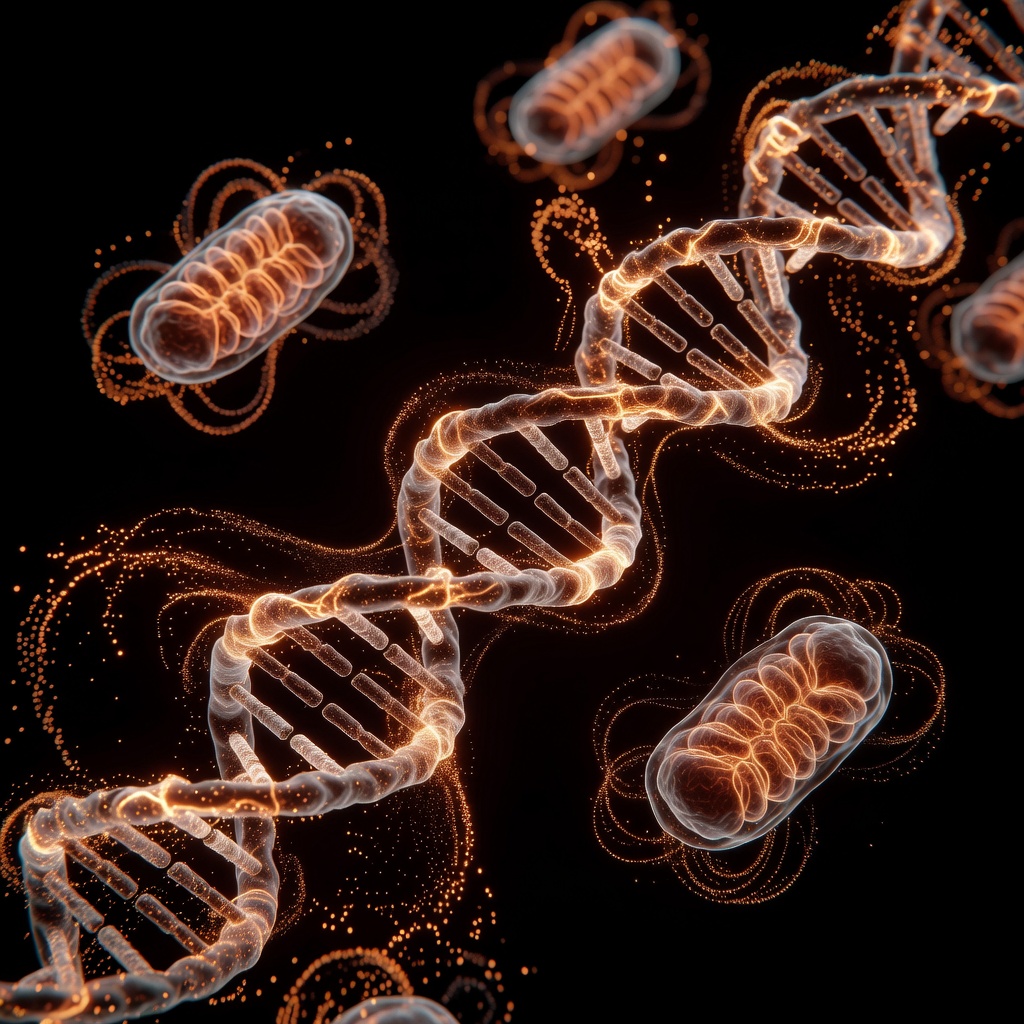
In the landscape of modern medicine, we are witnessing a paradigm shift that rivals the germ theory of the 19th century. We are finally acknowledging that the human mind does not reside solely within the cranium. Instead, it is the result of a complex, bidirectional dialogue between the brain and the Enteric Nervous System (ENS)—often referred to as the 'Second Brain'.
At the intersection of this biological frontier and ancient ethnobotanical wisdom lies Ayahuasca, a psychoactive Amazonian brew. While much of the scientific discourse has focused on the brew’s impact on the prefrontal cortex and the default mode network, a deeper, more visceral truth is emerging. Ayahuasca is not merely a hallucinogen; it is a potent modulator of the Gut-Brain Axis (GBA). By interacting with the dense neural networks of the gastrointestinal tract, this traditional medicine offers a profound "system reset" that addresses the root of psychosomatic illness.
1. Overview: The Symbiosis of Spirit and Biology
Ayahuasca is typically a decoction of the Banisteriopsis caapi vine and the leaves of the Psychotria viridis shrub. This combination is a pharmacological masterpiece. The leaves provide N,N-Dimethyltryptamine (DMT), a powerful visionary compound, while the vine provides Harmala alkaloids (harmine, harmaline, and tetrahydroharmine) which act as Monoamine Oxidase Inhibitors (MAOIs).
Without the vine, the gut would simply neutralise the DMT through the enzyme monoamine oxidase, rendering it inactive. By inhibiting this enzyme, the brew allows DMT to enter the bloodstream and eventually cross the blood-brain barrier. However, the action of the MAOIs starts in the gut, making the gastrointestinal tract the primary site of pharmacological engagement.
Key Fact: The human gut contains over 100 million neurons, more than the spinal cord. This Enteric Nervous System produces approximately 95% of the body's serotonin, the neurotransmitter primarily responsible for mood regulation and the target of most psychedelic substances.
2. Biological Mechanisms: Enteric Neuroscience Unpacked
To understand how Ayahuasca heals, we must look at the 5-HT (Serotonin) receptors located within the gut lining. DMT and Harmala alkaloids are structural analogues of serotonin, meaning they fit into the same molecular "locks" that govern our digestive and emotional health.
The Role of the Vagus Nerve
The Vagus Nerve is the superhighway of the Gut-Brain Axis. It carries signals from the digestive organs to the brainstem. Ayahuasca stimulates the vagus nerve, promoting a state of "parasympathetic dominance"—the 'rest and digest' mode. This stimulation is thought to be responsible for the profound sense of calm and "connectedness" reported after the initial physical intensity of the experience.
Neuroplasticity in the Gut
Emerging research suggests that the alkaloids in Ayahuasca promote neurogenesis (the growth of new neurons) and synaptogenesis. While this is often discussed in the context of the brain, it is equally relevant to the ENS. By repairing the neural pathways in the gut, Ayahuasca may help resolve chronic functional gastrointestinal disorders that are often linked to trauma and anxiety.
The Microbiome-Psychedelic Connection
The microbiome—the trillions of bacteria living in our intestines—is highly sensitive to alkaloids. Harmine and harmaline possess significant antimicrobial and antifungal properties. By "cleaning" the microbial landscape, Ayahuasca may shift the balance of the gut flora, which in turn influences the production of metabolic precursors for neurotransmitters like GABA and dopamine.
3. The "Purge": Biological Exorcism or Receptor Reset?
In traditional contexts, vomiting or diarrhoea during an Ayahuasca ceremony is not seen as a side effect, but as La Purga—the purge. From a biological perspective, this is a profound physiological event involving the Area Postrema in the brain and the Enterochromaffin cells in the gut.
- Chemical Detoxification: The purge clears the body of physical toxins and parasitic loads.
- Serotonergic Flood: The sudden release of serotonin in the gut triggers the vomiting reflex, effectively "flushing" the enteric receptors.
- Vagal Tone Improvement: The physical act of purging stimulates the vagus nerve, which can lead to an immediate reduction in the body's 'fight or flight' response.
"The purge is the body’s way of externalising internalised trauma. By resetting the enteric nervous system, the brew allows the individual to release somatic 'knots' that have been stored in the gut tissues for years." — Insights from Ethnobotanical Research.
4. UK Context and Relevance: A Silent Epidemic
In the United Kingdom, the prevalence of Irritable Bowel Syndrome (IBS) and stress-related digestive disorders is at an all-time high, affecting up to 20% of the population. Simultaneously, the UK is facing a mental health crisis that the current SSRI-based model is struggling to contain.
The NHS and the "Second Brain"
The British medical establishment is beginning to recognise the link between gut health and depression. However, the UK's legal framework remains a barrier. Ayahuasca (specifically DMT) is a Class A drug under the Misuse of Drugs Act 1971. Despite this, thousands of Britons travel abroad or attend underground ceremonies seeking relief from conditions that traditional British medicine has failed to cure.
Why this matters for the UK:
- Holistic Integration: There is a growing movement in the UK for 'Integrated Medicine' that looks at the gut-brain link.
- Treatment-Resistant Depression: Many UK patients are "treatment-resistant" to standard antidepressants, which often work on the same 5-HT receptors that Ayahuasca targets more effectively.
- The Cost of Chronic Illness: Functional gut disorders cost the UK economy billions in lost productivity. Investigating the GBA-modulating effects of these brews could lead to legal, regulated pharmaceutical derivatives.
5. Environmental Factors: The "Dieta" and Modern Toxicity
The traditional Amazonian preparation for Ayahuasca involves a Dieta—a strict regimen avoiding tyramine-rich foods (aged cheeses, cured meats, fermented products), caffeine, and processed sugars. This is not just spiritual discipline; it is essential enteric safety.
Tyramine and MAOIs
Because the Harmala alkaloids in Ayahuasca inhibit Monoamine Oxidase-A, the body cannot effectively break down tyramine. A buildup of tyramine can lead to a hypertensive crisis (dangerously high blood pressure).
The Urban Gut
The modern British diet, high in ultra-processed foods (UPFs), creates a pro-inflammatory environment in the gut. This "leaky gut" or systemic inflammation makes the Gut-Brain Axis more brittle. Ayahuasca ceremonies conducted without proper dietary preparation in an urban environment can be physically dangerous and psychologically destabilising.
6. Protective Strategies: Navigating the Experience
For those exploring the intersection of enteric neuroscience and traditional medicine, safety and preparation are paramount.
Pre-Ceremony Preparation
- Pharmacological Screening: It is vital to avoid Ayahuasca if taking SSRIs, SNRIs, or MAOIs. Mixing these can lead to Serotonin Syndrome, a potentially fatal condition where the gut and brain are flooded with toxic levels of serotonin.
- The Dieta: Adhering to a clean, organic diet for at least two weeks prior helps stabilise the gut microbiome and prepares the ENS for the alkaloid influx.
- Hydration and Electrolytes: The purge can lead to dehydration. Ensuring mineral balance is crucial for the electrical signaling of the heart and brain.
Integration
- Probiotics and Prebiotics: Following a ceremony, supporting the "new" microbiome with fermented foods (after the MAOI has cleared) and high-fibre plants is essential for "locking in" the neurological benefits.
- Somatic Therapy: Since the gut stores trauma, combining the Ayahuasca experience with body-based therapies like Breathwork or Yoga can help process the physical sensations released during the purge.
7. Key Takeaways: The Future of Enteric Healing
- The Gut is the Gateway: Ayahuasca interacts with the Enteric Nervous System long before it reaches the visual cortex. The "healing" often starts in the belly.
- Serotonergic Harmony: By binding to 5-HT receptors in the gut, Ayahuasca can help regulate mood, digestion, and the immune system simultaneously.
- The Purge is Productive: Rather than a side effect, the physical release is a biological mechanism for resetting the vagus nerve and clearing enteric pathways.
- Context Matters: In the UK, the legal and social environment requires a cautious approach. Education on the Gut-Brain Axis is the best form of harm reduction.
- Beyond the Visionary: The true power of Ayahuasca may not lie in the "lights and colours" of the vision, but in the profound biological recalibration of our "Second Brain."
In conclusion, the study of Ayahuasca through the lens of enteric neuroscience exposes a fundamental truth: we cannot heal the mind while ignoring the gut. As we continue to unpick the mysteries of the Gut-Brain Axis, these ancient Amazonian brews provide a blueprint for a more holistic, biologically integrated approach to human health. INNERSTANDING requires us to look within—not just into our thoughts, but deep into the very tissues that digest our world.
This article is provided for informational and educational purposes only. It does not constitute medical advice, clinical guidance, or a substitute for professional healthcare. Information reflects cited research at time of publication. Always consult a qualified healthcare professional before acting on any health information.
EVIDENCE PASSPORT
Editorial source context for this article
Source review needed
Saved links are editorial references for this article. They may support specific claims rather than every sentence. Open and assess each source in context. This passport does not independently verify them.
Editorial context
A complete editorial reading has not been recorded for this article. Source links remain available for you to open and assess directly.
Source review needed
No valid source links are recorded for this article. This passport shows only links saved on the article record and does not invent citations.
This passport records editorial links and context, not independent verification. Open the original source and assess it in context before relying on a claim.
Medical Disclaimer
The information in this article is for educational purposes only and does not constitute medical advice, diagnosis, or treatment. Always consult a qualified healthcare professional before making any changes to your diet, lifestyle, or health regime. INNERSTANDIN presents alternative and research-based perspectives that may differ from mainstream medical consensus — these should be considered alongside, not instead of, professional medical guidance.
Read Full DisclaimerContinue the thread
Keep this question moving.
Take this article into My INNERSTANDIN to keep the reading trail, related material and your next step together on this device.
Explore this in the Body Map
See where this hits your biology. Interactive anatomy, threats, and protective protocols.
Dig deeper in the Library
Free, longform PDF volumes that go beyond headlines into mechanisms and references.