The Interplay Between Clay Mineralogy and Cytoprotection Against Mycotoxin-Induced Oxidative Stress
Discuss this resourceUpdated August 2026
An in-depth analysis of how phyllosilicate clay minerals utilize cation exchange capacity and high surface area to mitigate the cellular damage caused by mycotoxin-induced oxidative stress.
Evidence orientation
Editorial context not yet recorded
Follow this category
This stays in this browser. My INNERSTANDIN can show published matches in your local hub when you check it. It does not send email, push, or alert notifications.
Local learning review
A private browser aid for revisiting ideas. It is not an alert or a health recommendation.
Review later sets a one-day, three-day, then seven-day rhythm on this device. Choose it only when you want to revisit this article.
In the realm of advanced detoxification strategies, the interaction between phyllosilicate minerals—specifically bentonites and zeolites—and fungal metabolites known as mycotoxins represents a frontier in preventative cellular health. At INNERSTANDING, we seek to bridge the gap between geological mineralogy and human cytoprotection.
The Root Cause: Mycotoxin-Induced Oxidative Stress
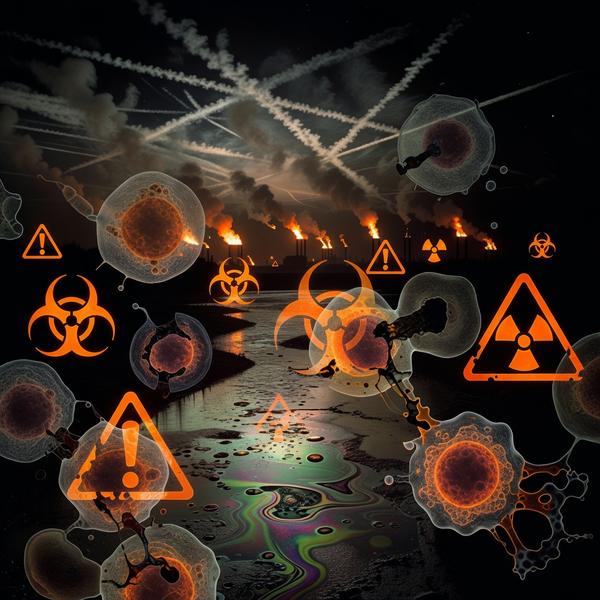
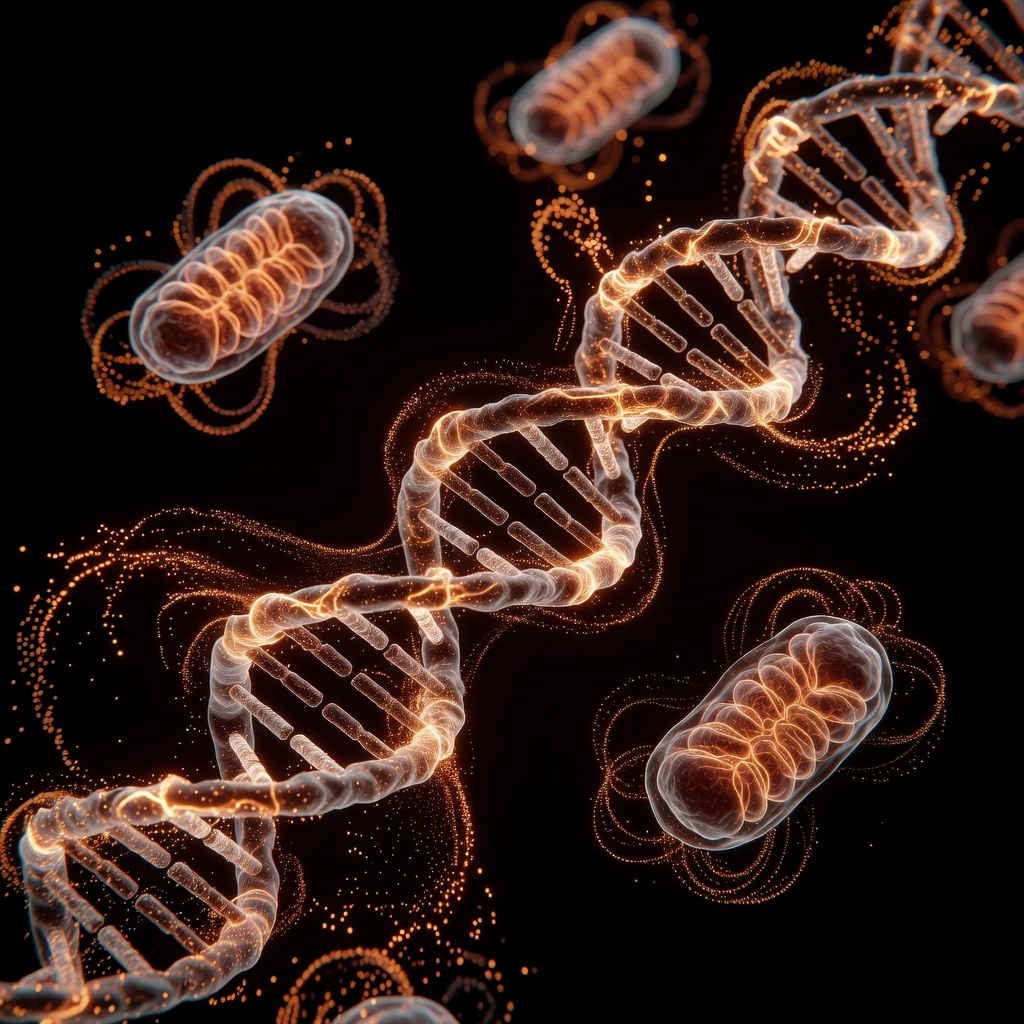
Mycotoxins, such as aflatoxins and ochratoxins, are secondary metabolites produced by fungi. Upon ingestion, these toxins enter the bloodstream and accumulate in hepatocytes and renal tissues. Their primary mechanism of harm is the induction of Reactive Oxygen Species (ROS). When ROS production exceeds the endogenous antioxidant capacity of the cell (via glutathione peroxidase or superoxide dismutase), the result is lipid peroxidation, DNA damage, and mitochondrial dysfunction. This oxidative cascade is the root cause of chronic inflammation and cellular senescence.
Clay Mineralogy: The Molecular Architecture
To combat this, we look to phyllosilicate minerals, specifically montmorillonite. These clays possess a unique crystal structure comprising layers of aluminum and silicon sheets. The mechanism of protection is twofold: Adsorption and Cation Exchange.
- High Surface Area & Porosity: The interlayer spacing of clay minerals provides a vast surface area for the physical sequestration of mycotoxin molecules. By trapping these toxins within the mineral matrix, the bioavailability of the toxin is reduced before it can cross the intestinal epithelium.
- Cation Exchange Capacity (CEC): Because clay minerals carry a net negative charge, they attract polar or positively charged mycotoxin moieties. This ionic binding ensures that once trapped, the toxin is unlikely to be liberated as it traverses the gastrointestinal tract, eventually facilitating its excretion via stool.
Cytoprotective Pathways
Beyond simple physical binding, the presence of certain clays can modulate the cellular stress response. Research suggests that by reducing the 'toxin load' hitting the portal vein, the liver is less burdened by the need for Phase I and Phase II detoxification, thereby preserving the cellular pool of glutathione. This preservation is the definition of cytoprotection—preventing the initial injury rather than merely treating the symptoms of oxidative fatigue.
Practical Application and Safety
While the mineralogy is compelling, purity is paramount. For therapeutic purposes, one must ensure the absence of heavy metals (like lead or arsenic) which are often found in low-grade industrial clays. Selecting a pharmaceutical-grade calcium bentonite or a clinoptilolite zeolite ensures that the mineralogy works for you, not against you. Always ensure adequate hydration, as the adsorptive capacity of these minerals relies on a healthy mucosal flow through the digestive tract.
This article is provided for informational and educational purposes only. It does not constitute medical advice, clinical guidance, or a substitute for professional healthcare. Information reflects cited research at time of publication. Always consult a qualified healthcare professional before acting on any health information.
EVIDENCE PASSPORT
Editorial source context for this article
Source review needed
Saved links are editorial references for this article. They may support specific claims rather than every sentence. Open and assess each source in context. This passport does not independently verify them.
Editorial context
A complete editorial reading has not been recorded for this article, and no source links are saved on its record.
Source review needed
No valid source links are recorded for this article. Supplementary research, where available, is listed separately below.
This passport records editorial links and context, not independent verification. Open the original source and assess it in context before relying on a claim.
Medical Disclaimer
The information in this article is for educational purposes only and does not constitute medical advice, diagnosis, or treatment. Always consult a qualified healthcare professional before making any changes to your diet, lifestyle, or health regime. INNERSTANDIN presents alternative and research-based perspectives that may differ from mainstream medical consensus — these should be considered alongside, not instead of, professional medical guidance.
Read Full DisclaimerContinue the thread
Keep this question moving.
Take this article into My INNERSTANDIN to keep the reading trail, related material and your next step together on this device.
Explore this in the Body Map
Explore related body structures and their educational pages in the interactive Body Map.
Dig deeper in the Library
Free, longform PDF volumes that go beyond headlines into mechanisms and references.
RABBIT HOLE
Follow the biological thread deeper