Oxidative Stress and Enterocyte Autophagy: Implications for Pathological Intestinal Permeability
Discuss this resourceUpdated August 2026
An in-depth exploration of the cellular mechanics connecting mitochondrial oxidative stress and impaired autophagy to the development of 'leaky gut' syndrome.
Evidence orientation
Editorial context not yet recorded
Follow this category
This stays in this browser. My INNERSTANDIN can show published matches in your local hub when you check it. It does not send email, push, or alert notifications.
Local learning review
A private browser aid for revisiting ideas. It is not an alert or a health recommendation.
Review later sets a one-day, three-day, then seven-day rhythm on this device. Choose it only when you want to revisit this article.

The intestinal epithelium acts as our primary interface with the external environment, a dynamic barrier of enterocytes held together by tight junction proteins. When this barrier fails—a state commonly known as 'leaky gut' or pathological intestinal permeability—the systemic consequences are profound. At the root of this failure lies a breakdown in two critical cellular processes: the management of Reactive Oxygen Species (ROS) and the efficiency of autophagy.
Oxidative Stress: The Silent Disruptor
Enterocytes are highly metabolic cells, and their high energy output comes at the cost of mitochondrial ROS production. Under physiological conditions, the gut is well-equipped to neutralize these free radicals. However, environmental toxins, chronic inflammation, and processed dietary factors can overwhelm these antioxidant defenses. Persistent oxidative stress causes lipid peroxidation within the enterocyte membrane, specifically destabilizing the scaffolding proteins like Occludin and Zonulin that constitute tight junctions. This degradation effectively 'loosens' the barrier, allowing translocation of bacterial endotoxins (LPS) into the systemic circulation.
Autophagy: The Cellular Quality Control
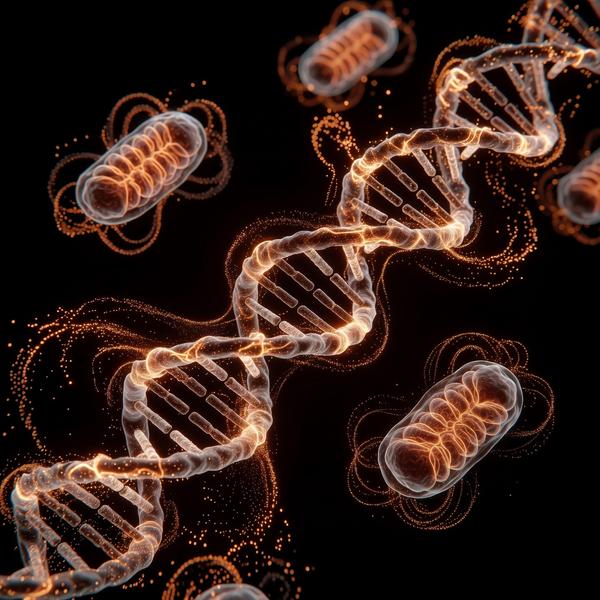
Autophagy, or 'self-eating,' is the cell's innate recycling program. It is essential for clearing damaged organelles, particularly dysfunctional mitochondria (mitophagy), which are significant sources of ROS. When autophagy is impaired, aged mitochondria accumulate, further increasing ROS production and creating a self-perpetuating cycle of cellular damage. In the context of intestinal health, autophagy is the guardian of the barrier. Research indicates that specific genes, such as ATG16L1, are critical for maintaining the mucosal layer and preventing epithelial cell apoptosis.
Connecting the Dots: From Mitochondria to Permeability
When autophagy falters, the enterocyte cannot repair its internal machinery. The accumulation of damaged organelles triggers an inflammatory signaling cascade, activating the NLRP3 inflammasome. This pathway exacerbates the degradation of tight junction integrity. The result is not just a leak, but a chronic inflammatory state that triggers systemic immune activation.
Restoring Intestinal Homeostasis
To address permeability from a root-cause perspective, we must modulate both oxidative status and autophagic flux. Interventions that promote Nrf2 activation (the body’s antioxidant master switch) and support nutrient-sensing pathways like AMPK are essential. By reducing mitochondrial stress and encouraging efficient cellular turnover, we can support the structural integrity of the intestinal barrier, reinforcing the foundation of systemic health.
This article is provided for informational and educational purposes only. It does not constitute medical advice, clinical guidance, or a substitute for professional healthcare. Information reflects cited research at time of publication. Always consult a qualified healthcare professional before acting on any health information.
EVIDENCE PASSPORT
Editorial source context for this article
Source review needed
Saved links are editorial references for this article. They may support specific claims rather than every sentence. Open and assess each source in context. This passport does not independently verify them.
Editorial context
A complete editorial reading has not been recorded for this article, and no source links are saved on its record.
Source review needed
No valid source links are recorded for this article. Supplementary research, where available, is listed separately below.
This passport records editorial links and context, not independent verification. Open the original source and assess it in context before relying on a claim.
Medical Disclaimer
The information in this article is for educational purposes only and does not constitute medical advice, diagnosis, or treatment. Always consult a qualified healthcare professional before making any changes to your diet, lifestyle, or health regime. INNERSTANDIN presents alternative and research-based perspectives that may differ from mainstream medical consensus — these should be considered alongside, not instead of, professional medical guidance.
Read Full DisclaimerContinue the thread
Keep this question moving.
Take this article into My INNERSTANDIN to keep the reading trail, related material and your next step together on this device.
Explore this in the Body Map
Explore related body structures and their educational pages in the interactive Body Map.
Dig deeper in the Library
Free, longform PDF volumes that go beyond headlines into mechanisms and references.
RABBIT HOLE
Follow the biological thread deeper