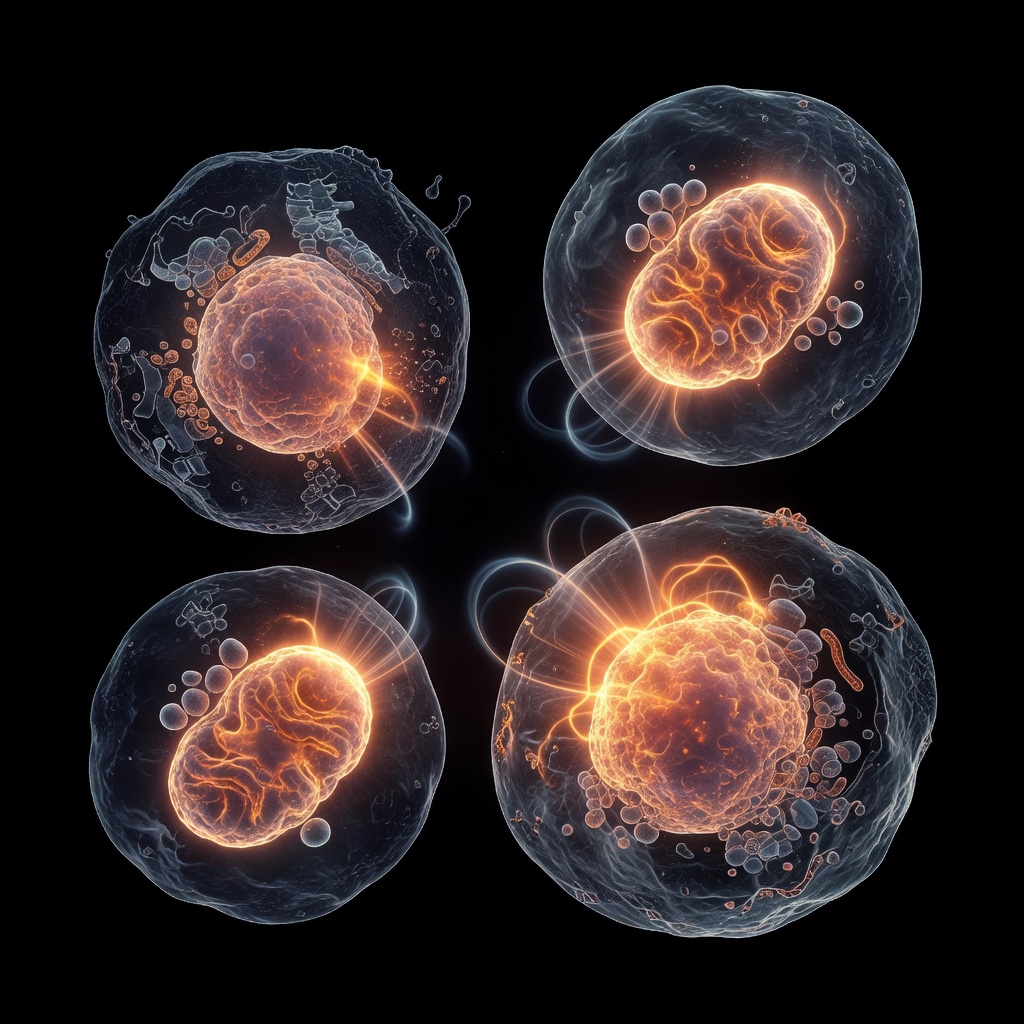
The Invisible Barrier: How Polysorbate 80 and CMC Disrupt the Gut Mucus Layer
An in-depth educational exploration into how common dietary emulsifiers Polysorbate 80 and Carboxymethylcellulose erode the intestinal mucus barrier, leading to bacterial translocation and the root causes of systemic inflammation and leaky gut.

Introduction
In the landscape of modern nutrition, the focus has long been on macronutrients—fats, proteins, and carbohydrates. However, as the prevalence of chronic inflammatory diseases and metabolic disorders continues to rise in the UK and globally, attention is shifting toward the 'inactive' ingredients that facilitate the texture and shelf-life of our food. Among these, dietary emulsifiers—specifically Polysorbate 80 (P80) and Carboxymethylcellulose (CMC)—have emerged as significant disruptors of the intestinal ecosystem. At INNERSTANDING, we believe in addressing the root causes of health issues. To understand 'Leaky Gut' or intestinal permeability, we must first examine the integrity of the primary physical barrier: the mucus layer.
The Guardian of the Gut: The Mucus Barrier
Before food ever touches the intestinal epithelium (the single layer of cells that separates the gut lumen from the bloodstream), it encounters the mucus layer. In the colon, this barrier is two-tiered. The outer layer is loose and serves as a habitat for commensal bacteria, while the inner layer is dense and virtually sterile. This 'no-man's land' is crucial; it prevents the trillions of bacteria residing in the gut from coming into direct contact with our immune system.
This barrier is composed primarily of the MUC2 mucin protein, which forms a complex, gel-like matrix. Its health is a prerequisite for systemic health. When this layer thins or becomes permeable, the resulting 'bacterial translocation'—where bacteria migrate closer to the epithelial cells—triggers an immune cascade that characterizes the root of many chronic conditions.
Defining the Culprits: Polysorbate 80 and CMC
Polysorbate 80 (E433) and Carboxymethylcellulose (E466) are ubiquitous in the Western diet. P80 is a non-ionic surfactant used to emulsify sauces and prevent ice cream from melting too quickly. CMC, often derived from cellulose, is a thickening agent found in gluten-free products, low-fat dressings, and processed meats. Their primary function is to keep oil and water-based ingredients from separating, creating a smooth, consistent 'mouthfeel.'
While regulatory bodies have historically deemed these additives 'Generally Recognized as Safe' (GRAS), these assessments were largely based on acute toxicity studies rather than long-term impacts on the microbiome and mucosal integrity. Modern research suggests that their 'detergent-like' properties do not stop at the food level; they continue their action within the gastrointestinal tract.
The Mechanism of Disruption: Thinning the Shield
Groundbreaking research, notably led by Dr. Benoit Chassaing at Georgia State University, has demonstrated that P80 and CMC have a direct, detrimental effect on the mucus layer. Unlike other dietary factors that may alter the microbiome first, these emulsifiers appear to act as surfactants that degrade the physical structure of the mucus.
When we consume these additives, they interfere with the hydrophobic interactions between mucin molecules. This leads to a measurable decrease in mucus thickness. In animal models, the distance between the bacteria and the intestinal cells was halved following the introduction of these emulsifiers. This thinning effectively destroys the 'sterile zone,' allowing microbes—both beneficial and pathogenic—to breach the inner defense. This is not merely a local issue; it is the genesis of intestinal permeability at its most fundamental level.
Bacterial Translocation and the Immune Response
Once the mucus layer is compromised, bacterial translocation occurs. This is the process where bacteria or their components (such as Lipopolysaccharides or LPS) cross the physical barrier. When bacteria get too close to the epithelial cells, they stimulate the immune system's Pattern Recognition Receptors (PRRs), such as Toll-like Receptor 4 (TLR4).
This interaction signals the body that an 'invasion' is occurring, leading to the production of pro-inflammatory cytokines (such as IL-1�� and TNF-̑). This chronic, low-grade inflammation is the hallmark of 'Leaky Gut.' It is the mechanism by which dietary choices translate into systemic symptoms, including brain fog, joint pain, and skin issues. The constant immune activation eventually degrades the tight junctions—the protein 'staples' that hold our intestinal cells together—further exacerbating permeability.
Clinical Consequences: Beyond the Gut
The impact of P80 and CMC is not limited to digestive discomfort. Research has linked the consumption of these emulsifiers to the development of Metabolic Syndrome. By promoting low-grade inflammation and altering the metabolic activity of the microbiome, these additives can contribute to insulin resistance, increased adiposity (fat storage), and elevated blood glucose levels.
Furthermore, in individuals with a genetic predisposition to Inflammatory Bowel Disease (IBD), such as Crohn's or Ulcerative Colitis, these emulsifiers can act as a trigger, turning a silent predisposition into an active, debilitating flare-up. By stripping away the protective mucus, the emulsifiers expose the gut lining to the very bacteria that the body’s immune system is hyper-sensitive to.
The INNERSTANDING Root-Cause Approach
At INNERSTANDING, we advocate for a return to whole, unprocessed foods. The presence of P80 and CMC is a symptom of a food system that prioritizes shelf-life and texture over human biological compatibility. To restore the mucus layer and reverse the effects of bacterial translocation, one must address the root cause: the continuous assault of industrial surfactants.
Healing the gut requires a dual-pronged approach:
- —Elimination: Meticulously reading labels and avoiding E433 and E466. This often means opting for 'single-ingredient' foods or artisanal products that do not require industrial stabilization.
- —Restoration: Supporting the MUC2 production through the consumption of fermentable fibers (which feed the bacteria that produce short-chain fatty acids like butyrate) and staying hydrated, as the mucus layer is 95% water.
Conclusion
The erosion of our internal 'shield' by dietary emulsifiers like Polysorbate 80 and Carboxymethylcellulose is a poignant example of how modern food processing can undermine our health at a cellular level. By thinning the mucus layer and facilitating bacterial translocation, these additives bypass our natural defenses and set the stage for chronic inflammation. True health—Innerstanding—begins with the conscious choice to protect the barriers that protect us. By choosing whole foods, we stop the detergent-like action on our gut and allow the body's natural healing processes to take hold.
This article is provided for informational and educational purposes only. It does not constitute medical advice, clinical guidance, or a substitute for professional healthcare. Information reflects cited research at time of publication. Always consult a qualified healthcare professional before acting on any health information.
RESEARCH FOUNDATIONS
Biological Credibility Archive
Citations provided for educational reference. Verify via PubMed or institutional databases.
Medical Disclaimer
The information in this article is for educational purposes only and does not constitute medical advice, diagnosis, or treatment. Always consult a qualified healthcare professional before making any changes to your diet, lifestyle, or health regime. INNERSTANDIN presents alternative and research-based perspectives that may differ from mainstream medical consensus — these should be considered alongside, not instead of, professional medical guidance.
Read Full DisclaimerReady to learn more?
Continue your journey through our classified biological research.
DISCUSSION ROOM
Members of THE COLLECTIVE discussing "The Invisible Barrier: How Polysorbate 80 and CMC Disrupt the Gut Mucus Layer"
SILENT CHANNEL
Be the first to discuss this article. Your insight could help others understand these biological concepts deeper.
THE ARSENAL
Based on Leaky Gut & Intestinal Permeability — products curated by our research team for educational relevance and biological support.
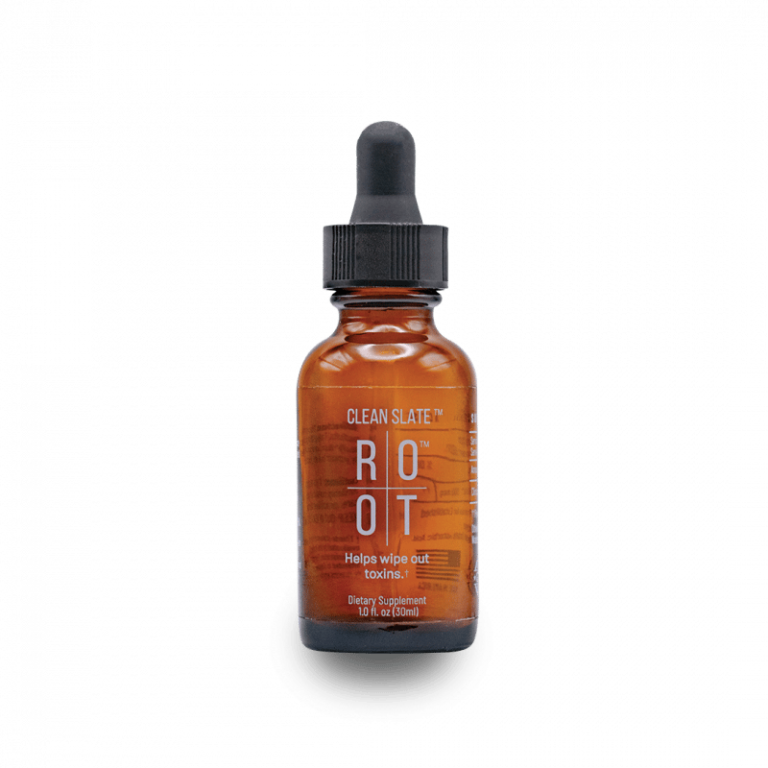
Clean Slate – Detoxes thousands of chemicals,heavy metals, pesticides, allergens, mold spores and fungus
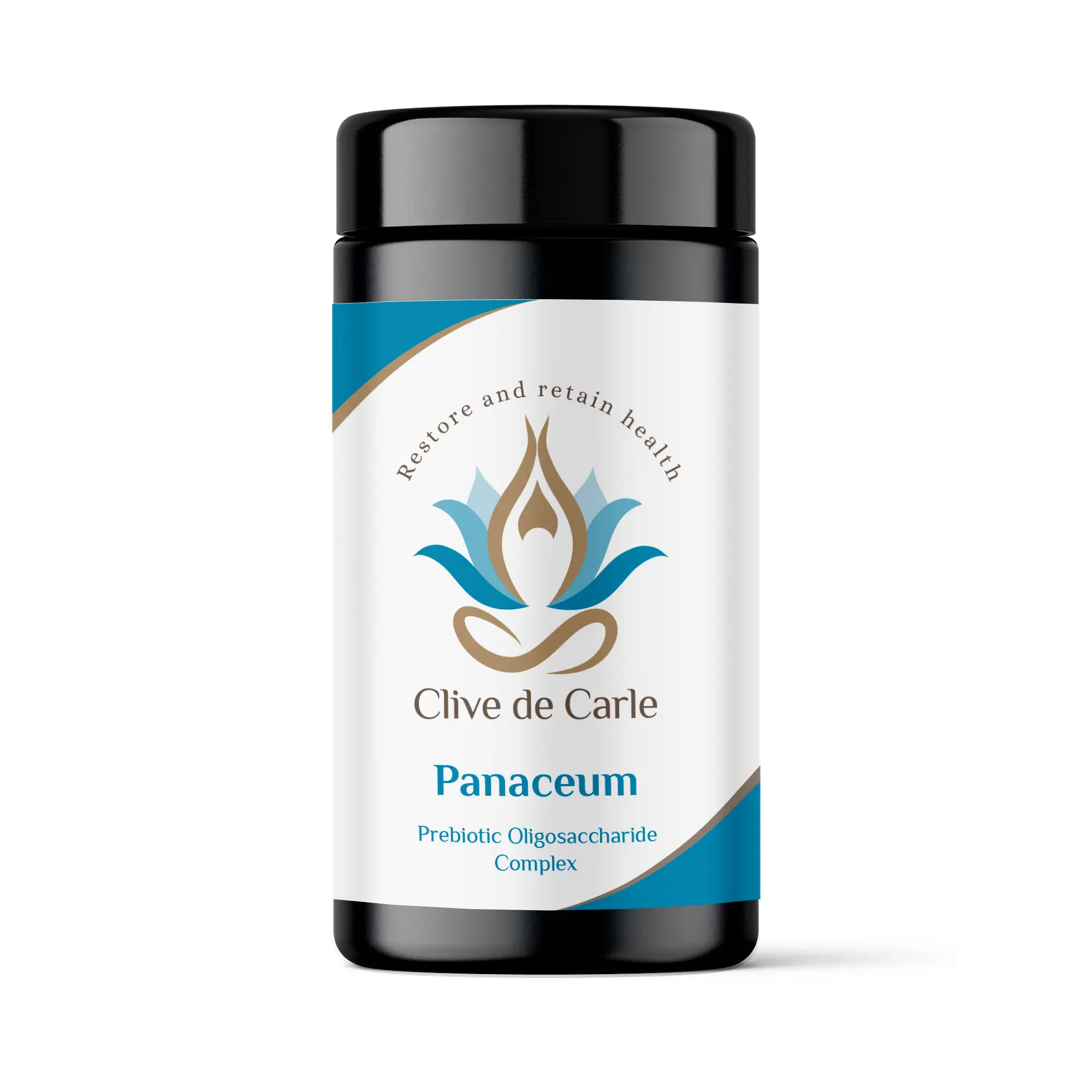
Panaceum – Prebiotic Oligosaccharide Complex
C60 Charcoal – Supports Healthy Digestion and Detoxification.
INNERSTANDING may earn a commission on purchases made through these links. All products are selected based on rigorous educational relevance to our biological research.
RABBIT HOLE
Follow the biological thread deeper