
The Magnesium Depletion of British Soils
Updated May 2026
Intensive UK agricultural practices have decimated soil magnesium levels, leading to a chronic deficit in the modern food supply. This article examines the biological consequences of mineral-depleted topsoil on cellular energy production.
Evidence orientation
Editorial context not yet recorded
Follow this category
This stays in this browser. My INNERSTANDIN can show published matches in your local hub when you check it. It does not send email, push, or alert notifications.
Local learning review
A private browser aid for revisiting ideas. It is not an alert or a health recommendation.
Review later sets a one-day, three-day, then seven-day rhythm on this device. Choose it only when you want to revisit this article.
Overview
The rolling green hills of the British countryside present an optical illusion of health. To the untrained eye, the verdant pastures of Somerset or the sprawling wheat fields of East Anglia represent agricultural triumph. However, beneath this emerald surface lies a biological catastrophe: the systematic exhaustion of our topsoil. Since the mid-20th century, British soils have undergone a radical transformation, moving from complex, mineral-rich ecosystems to sterile, chemically-dependent substrates.
At the heart of this collapse is Magnesium (Mg)—the "master mineral" that serves as the central orchestration point for both plant life and human physiology. The data is sobering. Since the 1940s, the magnesium content in UK-grown vegetables has plummeted by an estimated 20% to 45%, with similar declines observed in fruit, meats, and dairy. This is not a mere statistical anomaly; it is a fundamental shift in the nutritional architecture of the nation.
For decades, the agricultural industry has prioritised "The Big Three"—Nitrogen (N), Phosphorus (P), and Potassium (K)—the NPK triad designed to maximise yield and visual appeal. This industrial focus has ignored the secondary macronutrients and trace minerals essential for cellular integrity. We are currently witnessing a "Silent Famine," where caloric abundance masks a profound cellular starvation. This article explores the mechanisms behind this depletion, the biological consequences of a magnesium-deficient food supply, and the urgent necessity for a radical shift in how we perceive soil health and human vitality.
Fact: According to long-term studies of UK food composition, a person in 1940 would only need to eat one bowl of spinach to receive their daily magnesium requirement; by 2023, that same person would need to consume nearly five bowls to achieve the same mineral intake.
The Biology — How It Works
To understand why magnesium depletion is so catastrophic, we must first understand its foundational role in the Great Chain of Life. Magnesium is not just another element on the periodic table; it is the physical bridge between inorganic matter and biological energy.
The Chlorophyll Connection
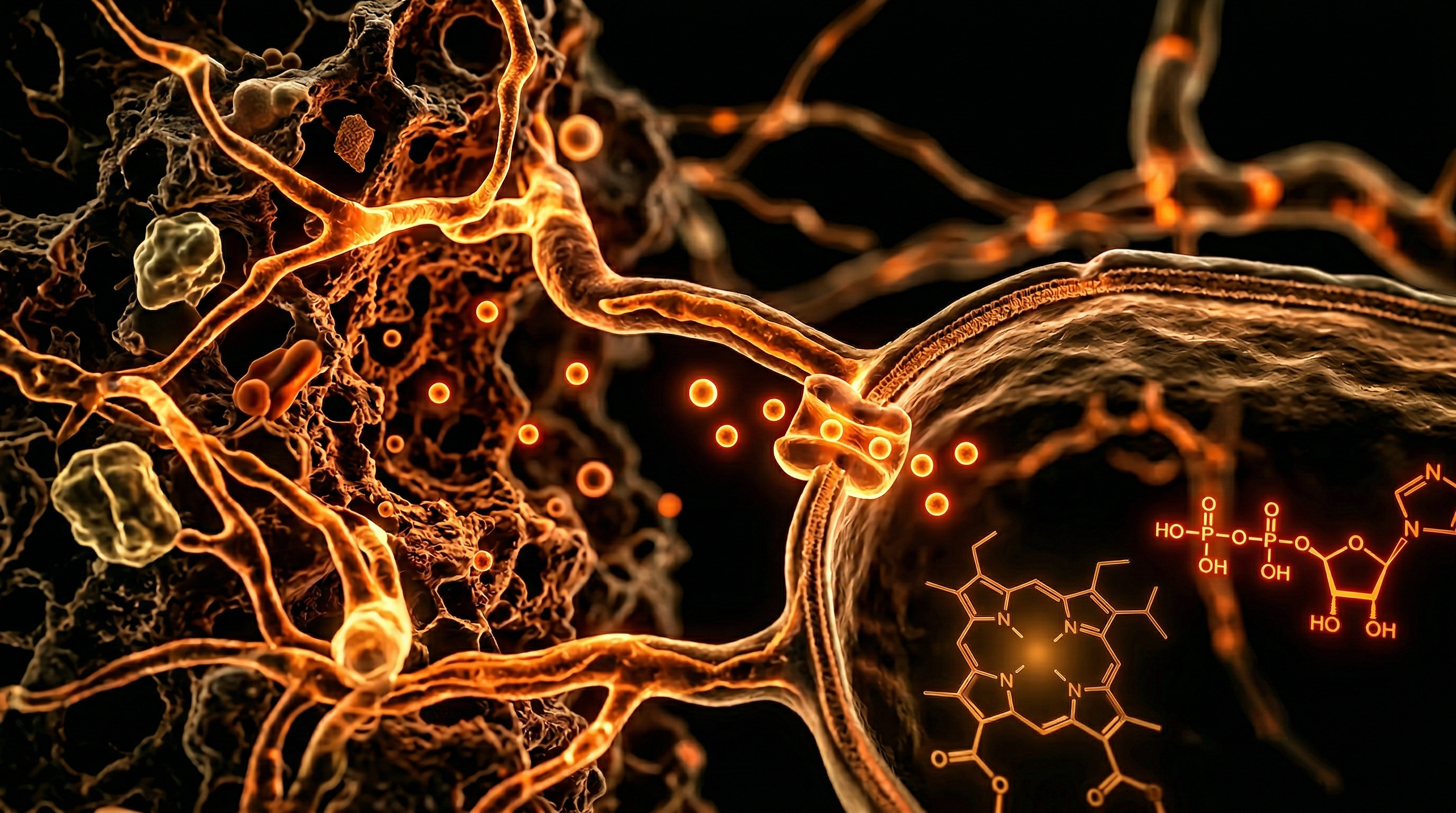
In the plant kingdom, magnesium is the central atom of the chlorophyll molecule. Its role is analogous to that of iron in human haemoglobin. Without magnesium, photosynthesis—the process of converting sunlight into chemical energy—cannot occur.
- Photophosphorylation: Magnesium acts as a cofactor for enzymes involved in the transfer of phosphate groups.
- Carbon Fixation: It activates the enzyme Rubisco, which is responsible for capturing CO2 from the atmosphere.
- Sugar Transport: Magnesium is essential for loading sucrose into the phloem, the plant's transport system, ensuring that energy reaches the roots and developing seeds.
When soil is depleted of magnesium, plants exhibit "interveinal chlorosis"—a yellowing of the leaves where the veins remain green. However, industrial farming techniques often mask these deficiency symptoms by using high-dose nitrogen fertilisers, which force rapid growth and greening even while the internal mineral structure of the plant is compromised.
The Cation Exchange Capacity (CEC)
Soil is not a static medium; it is a dynamic reservoir of electrically charged ions. Magnesium exists in the soil as a positively charged ion (Mg2+). It is held in the soil by clay particles and organic matter, which are negatively charged. This relationship is measured as the Cation Exchange Capacity (CEC).
In a healthy British ecosystem, magnesium should occupy approximately 10% to 15% of the soil's cation exchange sites. However, modern practices have disrupted this balance through:
- Acidification: Use of ammonium-based fertilisers increases soil acidity (H+ ions), which displaces magnesium from the soil particles, allowing it to be leached away by rainfall.
- Compaction: Heavy machinery crushes the soil structure, destroying the anaerobic pockets where mycorrhizal fungi live. These fungi are the "biological miners" that trade minerals for plant sugars. Without them, plants cannot access the deeper magnesium reserves.
Mechanisms at the Cellular Level
The depletion of soil magnesium translates directly into a deficiency in human cellular mechanics. Magnesium is required for over 300 enzymatic reactions in the human body, but its most critical role is in the production and utilisation of Adenosine Triphosphate (ATP).
The Mg-ATP Complex
In biological terms, "ATP" is a misnomer. In the human cell, ATP exists almost exclusively as a complex with magnesium. Mg-ATP is the actual currency of biological energy. Without a magnesium ion attached to the phosphate tail of the ATP molecule, the energy cannot be released.
- Mitochondrial Health: The mitochondria, our cellular powerhouses, contain the highest concentrations of magnesium in the cell. Magnesium protects mitochondrial DNA from oxidative stress and ensures the efficiency of the Electron Transport Chain.
- Enzyme Activation: Magnesium is a required cofactor for kinases (enzymes that transfer phosphate groups) and polymerases (enzymes that repair and replicate DNA).
- Protein Synthesis: The ribosome, the cellular factory where proteins are built, requires magnesium to maintain its structural stability. Without it, protein synthesis slows, leading to impaired tissue repair and immune function.
The NMDA Receptor and Neurological Stability
In the brain, magnesium acts as the "gatekeeper" for the NMDA (N-methyl-D-aspartate) receptor. This receptor controls the flow of calcium into the neurons.
- When magnesium levels are adequate, it sits inside the receptor channel, preventing excessive calcium influx.
- When magnesium is deficient, the "gate" stays open, allowing calcium to flood the neuron. This leads to excitotoxicity, where the neuron becomes overstimulated, resulting in anxiety, insomnia, and eventually, neurodegeneration.
Key Statistic: Approximately 70% of the UK population is estimated to be sub-clinically deficient in magnesium, primarily due to the consumption of "mineral-empty" produce grown in exhausted soil.
Environmental Threats and Biological Disruptors
The depletion of magnesium from British soils is not a natural phenomenon; it is an anthropogenic consequence of specific chemical and mechanical interventions.
The NPK Paradigm and Antagonism
The post-WWII agricultural model focused almost exclusively on Nitrogen, Phosphorus, and Potassium. While these elements make plants grow tall and fast, they create a phenomenon known as "Nutrient Dilution."
Furthermore, Potassium (K) is a direct antagonist to Magnesium. When farmers apply high-potassium fertilisers to boost crop yields, the plant's roots preferentially absorb the potassium, effectively blocking the uptake of magnesium. This creates a "luxury consumption" of potassium by the plant, while the magnesium remains stranded in the soil or is washed away.
Glyphosate: The Mineral Chelator
The widespread use of glyphosate-based herbicides (like Roundup) has fundamentally altered soil chemistry. While marketed as a simple weedkiller, glyphosate was originally patented as a chelator—a chemical designed to bind to minerals.
- In the Soil: Glyphosate binds to magnesium, calcium, and manganese, making them insoluble and unavailable to the plant.
- In the Gut: When we consume glyphosate residues on our food, it continues to act as a chelator in the human microbiome, binding to magnesium and preventing its absorption in the small intestine.
Acid Rain and Industrial Leaching
The UK's industrial history has led to significant soil acidification. High levels of sulphur and nitrogen oxides in the atmosphere return to the earth as acid rain. These hydrogen ions (H+) aggressively displace magnesium ions from the soil's clay-humus complex. Once displaced, magnesium becomes highly mobile and leaches into the groundwater, eventually flowing into the sea—lost to the terrestrial food chain.
The Cascade: From Exposure to Disease
The journey from depleted British topsoil to the modern epidemic of chronic disease is a direct line of biological causality. Because magnesium is fundamental to energy production, its absence manifests as a systemic "power failure."
Metabolic Syndrome and Type 2 Diabetes
Magnesium is essential for Insulin Sensitivity. The insulin receptor requires magnesium to function correctly. When cellular magnesium is low:
- Insulin cannot effectively signal the cells to take up glucose.
- Blood sugar remains high, prompting the pancreas to secrete more insulin.
- Hyperinsulinaemia further depletes magnesium through urinary excretion, creating a vicious cycle of metabolic decay.
Cardiovascular Integrity
The heart is the most metabolically active organ in the body and possesses the highest density of mitochondria. Magnesium regulates the electrical stability of the heart and maintains the elasticity of the vascular walls.
- Hypertension: Magnesium facilitates the production of Nitric Oxide, which allows blood vessels to relax.
- Arrhythmia: Magnesium maintains the potassium-sodium balance across cell membranes. A deficiency often results in palpitations and atrial fibrillation.
The Mental Health Crisis
The UK is currently facing a mental health crisis that is often viewed through a purely psychological lens. However, the biochemical basis of anxiety and depression is deeply tied to mineral status.
- GABA Synthesis: Magnesium is a precursor to GABA, the brain's primary inhibitory (calming) neurotransmitter.
- Cortisol Regulation: Magnesium limits the release of ACTH (the hormone that tells your adrenal glands to pump out cortisol). In a magnesium-deficient state, the body remains in a permanent "fight or flight" mode, leading to burnout and clinical depression.
What the Mainstream Narrative Omits
The depletion of our soil is rarely discussed in mainstream medical or political circles. To acknowledge the mineral collapse would be to acknowledge the failure of the entire industrial food system.
The "Yield Over Nutrients" Fallacy
Agricultural success in the UK is measured by "tonnes per hectare." There are no financial incentives for farmers to produce "magnesium-dense" wheat. Because the current food system pays for weight and volume rather than nutritional density, the invisible loss of minerals is ignored.
The Regulatory Blind Spot
The UK’s DEFRA (Department for Environment, Food & Rural Affairs) monitors soil health, but their guidelines often focus on preventing pollution rather than ensuring mineral vitality. Furthermore, the RDA (Recommended Dietary Allowance) for magnesium is set at the bare minimum to prevent acute symptoms, not to support optimal cellular function. Most health professionals are not trained to recognise sub-clinical magnesium deficiency, as standard blood tests (Serum Magnesium) are notoriously inaccurate.
Crucial Fact: Only 1% of the body’s magnesium is found in the blood. The rest is stored in bones and soft tissues. Therefore, a "normal" blood test can mask a profound cellular deficiency as the body leaches magnesium from the bones to keep blood levels stable.
The Influence of the "Big Ag" Lobby
The transition to Regenerative Agriculture—which would restore soil minerals—requires a reduction in chemical inputs. This directly threatens the profit margins of the global fertiliser and pesticide giants. Consequently, the narrative remains focused on "fortification" (adding synthetic minerals to processed foods) rather than restoring the natural biological cycles of the soil.
The UK Context
The United Kingdom presents a unique case study in mineral depletion due to its specific geological and historical factors.
The Legacy of "Dig for Victory"
The intensification of British farming began in earnest during World War II. To survive the blockade, the UK had to become self-sufficient overnight. This led to the ploughing up of ancient permanent pastures that had served as mineral "batteries" for centuries. The post-war era saw the introduction of the 1947 Agriculture Act, which subsidised the use of chemical fertilisers and the removal of hedgerows, further accelerating soil erosion.
The North-South Geological Divide
The UK's soil varies significantly. The "Highland Zone" (North and West) tends to have older, more acidic soils that are naturally lower in magnesium. The "Lowland Zone" (South and East) features younger, more alkaline soils. However, even the naturally magnesium-rich clay soils of the Midlands have been "mined" of their nutrients through decades of intensive cereal production without adequate fallow periods.
The Rothamsted Insights
The Rothamsted Research station in Hertfordshire, the oldest agricultural research institution in the world, has provided undeniable evidence of this decline. Their "Broadbalk Wheat Experiment," which has run since 1843, shows a clear downward trend in mineral concentrations as yields have increased due to synthetic interventions. Their data confirms that we are producing more food, but that food is fundamentally less "human-compatible" than it was 150 years ago.
Protective Measures and Recovery Protocols
Given that the British food supply is functionally deficient in magnesium, individuals must take proactive steps to protect their cellular integrity.
Soil Restoration (The Macro Level)
We must move beyond NPK farming.
- Cover Cropping: Using deep-rooted plants like Alfalfa and Chicory to bring magnesium up from the subsoil.
- Rock Dust Application: Re-mineralising fields with crushed basalt or glacial rock dust, which provides a slow-release source of magnesium and trace elements.
- Mycorrhizal Inoculation: Restoring the fungal networks that facilitate mineral uptake.
Dietary Strategies (The Micro Level)
While the levels are lower than in the past, certain foods remain better sources of magnesium:
- Sea Vegetables: Kelp and Dulse are concentrated sources of minerals washed from the land.
- Organic Leafy Greens: Organic farming practices generally result in higher magnesium levels due to the lack of glyphosate and the use of compost.
- Raw Cacao: One of the most magnesium-dense foods available, provided it is minimally processed.
Supplementation Protocols
Because of the "dilution effect," supplementation is often necessary for those living in the UK.
- Magnesium Glycinate: Highly bioavailable and gentle on the digestive system. Ideal for anxiety and sleep.
- Magnesium Threonate: The only form known to effectively cross the blood-brain barrier, making it superior for cognitive health.
- Transdermal Magnesium: Using magnesium chloride "oil" or Epsom salt baths (magnesium sulphate) allows the mineral to bypass the digestive tract entirely, which is useful for those with gut issues caused by glyphosate exposure.
Summary: Key Takeaways
- The Silent Famine: British soils have lost up to 45% of their magnesium content since 1940 due to intensive farming and chemical dependency.
- Energy Crisis: Magnesium is the essential cofactor for ATP; without it, cellular energy production fails, leading to chronic fatigue and metabolic disease.
- The NPK Trap: Modern fertilisers prioritise plant growth speed over mineral density, while Potassium (K) actively blocks Magnesium (Mg) uptake.
- Glyphosate Impact: This ubiquitous herbicide acts as a mineral chelator, stripping magnesium from both the soil and the human body.
- Clinical Invisibility: Standard blood tests fail to detect magnesium deficiency, leaving millions of Britons in a state of sub-clinical cellular starvation.
- Urgent Action: Restoring the UK's health requires a transition to regenerative agriculture that prioritises soil mineralisation and fungal health over chemical yield.
The magnesium depletion of British soils is a quiet emergency. It is a biological tax on the vitality of every citizen. To reclaim our health, we must first reclaim the earth beneath our feet, recognising that the integrity of our cells is inextricably linked to the integrity of the soil. The restoration of magnesium is not merely a nutritional choice; it is an act of biological resistance against an extractive and failing industrial paradigm.
This article is provided for informational and educational purposes only. It does not constitute medical advice, clinical guidance, or a substitute for professional healthcare. Information reflects cited research at time of publication. Always consult a qualified healthcare professional before acting on any health information.
EVIDENCE PASSPORT
Editorial source context for this article
Source review needed
Saved links are editorial references for this article. They may support specific claims rather than every sentence. Open and assess each source in context. This passport does not independently verify them.
Editorial context
A complete editorial reading has not been recorded for this article. Source links remain available for you to open and assess directly.
Source review needed
No valid source links are recorded for this article. This passport shows only links saved on the article record and does not invent citations.
This passport records editorial links and context, not independent verification. Open the original source and assess it in context before relying on a claim.
Medical Disclaimer
The information in this article is for educational purposes only and does not constitute medical advice, diagnosis, or treatment. Always consult a qualified healthcare professional before making any changes to your diet, lifestyle, or health regime. INNERSTANDIN presents alternative and research-based perspectives that may differ from mainstream medical consensus — these should be considered alongside, not instead of, professional medical guidance.
Read Full DisclaimerContinue the thread
Keep this question moving.
Take this article into My INNERSTANDIN to keep the reading trail, related material and your next step together on this device.
Dig deeper in the Library
Free, longform PDF volumes that go beyond headlines into mechanisms and references.