
The Plasticity of Chronic Pain in the NHS
Updated May 2026
Chronic pain is a learned state of the nervous system frequently mismanaged within the UK health system. This report details how the brain re-wires itself to maintain pain signals indefinitely.
Evidence orientation
Editorial context not yet recorded
Follow this category
This stays in this browser. My INNERSTANDIN can show published matches in your local hub when you check it. It does not send email, push, or alert notifications.
Local learning review
A private browser aid for revisiting ideas. It is not an alert or a health recommendation.
Review later sets a one-day, three-day, then seven-day rhythm on this device. Choose it only when you want to revisit this article.
Overview
In the current landscape of British medicine, a silent epidemic is unfolding—not of a new pathogen, but of an old misunderstanding. Chronic pain affects approximately 28 million adults in the United Kingdom, nearly half the population. Yet, within the hallowed, overworked corridors of the National Health Service (NHS), a fundamental categorical error persists. We continue to treat chronic pain as a structural problem—a "broken part" that needs fixing—when, in reality, it is a functional maladaption of the nervous system.
This report serves as an exposé on the neuroplasticity of chronic pain. It posits that the sensation of pain, once it persists beyond the typical three-month healing window for tissue, ceases to be a reliable indicator of physical damage. Instead, it becomes a learned state of the brain. The neural pathways responsible for transmitting pain signals become hyper-efficient, essentially "wiring" the pain into the patient's physiology.
Despite the emergence of "Nociplastic Pain" as a formal clinical term, the NHS remains tethered to a 17th-century Cartesian model: the belief that pain is a simple one-to-one reflection of tissue injury. This outdated paradigm leads to a cycle of unnecessary surgeries, ineffective opioid prescriptions, and a "postcode lottery" of care that leaves millions of Britons trapped in a state of high-alert biological distress. We are not merely dealing with "sore backs" or "aching joints"; we are dealing with a systemic failure to address the brain's ability to rewire itself into a persistent state of agony.
Fact: Research indicates that in up to 90% of chronic back pain cases, no specific structural cause can be identified through imaging, suggesting the pain is driven by neural processing rather than mechanical failure.
The Biology — How It Works
To understand why the NHS is failing chronic pain patients, one must first understand the transition from nociception to central sensitisation.
The Purpose of Acute Pain
Pain is, evolutionarily speaking, a survival mechanism. When you step on a shard of glass on a Brighton beach, nociceptors (sensory receptors) send electrical signals via the spinal cord to the brain. This is "acute pain." It is a warning system designed to trigger withdrawal and protection. Once the skin heals, the signals should cease.
The Shift to Nociplasticity
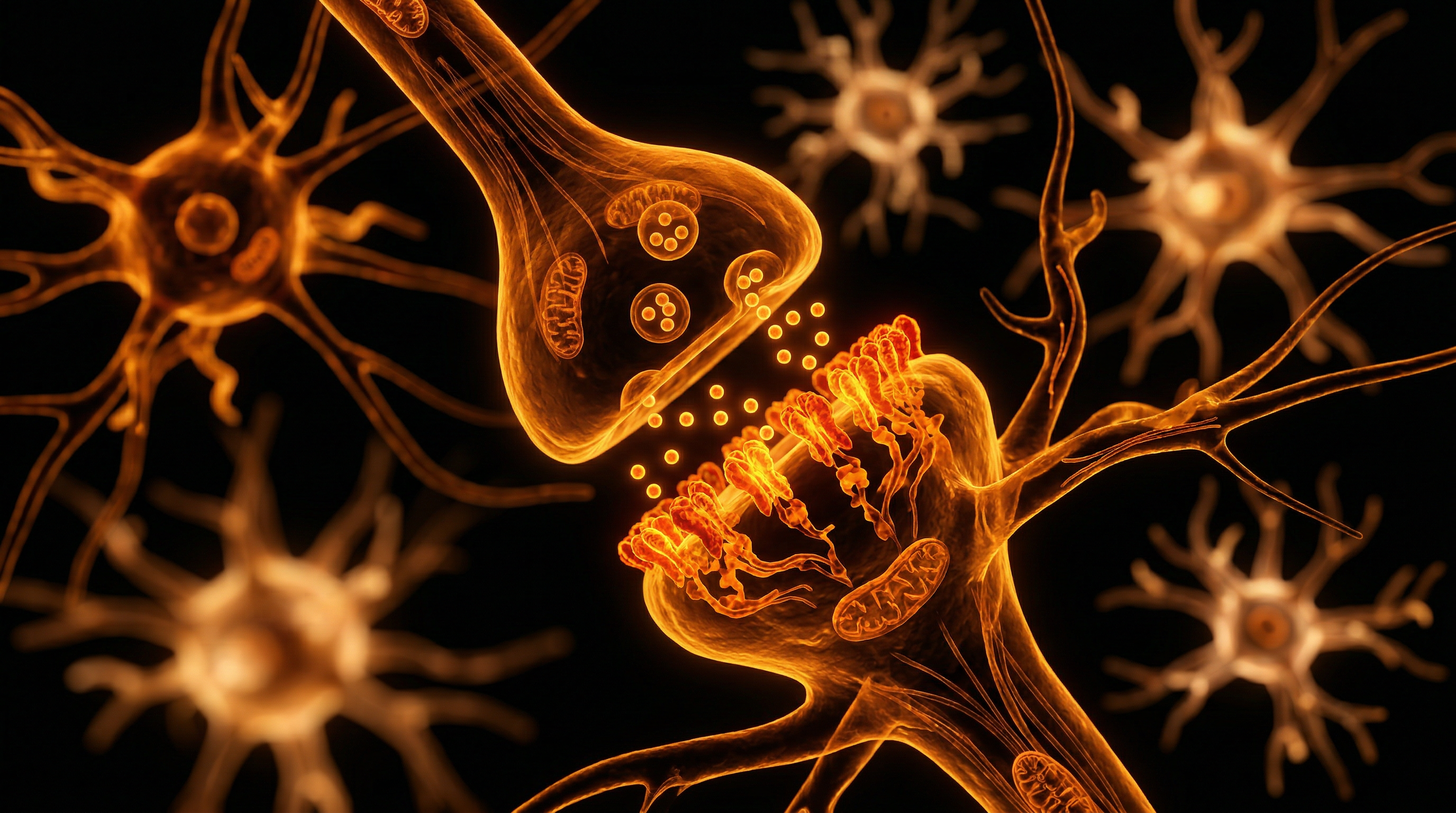
In chronic pain, the "alarm system" fails to turn off. Through a process known as Long-Term Potentiation (LTP), the synapses in the pain pathways become stronger the more they are used. This is the dark side of neuroplasticity. While we celebrate plasticity for allowing us to learn languages or play the piano, the same mechanism allows the brain to become an "expert" at feeling pain.
This state is known as Central Sensitisation. The Central Nervous System (CNS) enters a state of high reactivity. In this state:
- Allodynia occurs: Stimuli that shouldn't be painful (like the touch of a shirt against the skin) are processed as excruciating.
- Hyperalgesia occurs: Stimuli that are mildly painful are amplified into extreme agony.
The brain's "threat detection" threshold is lowered. The thalamus, which acts as the brain's relay station, begins to prioritise pain signals over all other sensory input. Eventually, the brain may produce pain even in the total absence of a peripheral trigger. The pain has moved from the tissues to the "hard drive."
Mechanisms at the Cellular Level
At the microscopic level, the rewiring of chronic pain involves a complex orchestration of chemical and cellular changes that the standard NHS GP consultation is ill-equipped to address.
The NMDA Receptor and "Wind-Up"
The primary driver of spinal cord sensitisation is the N-methyl-D-aspartate (NMDA) receptor. Under normal conditions, these receptors are blocked by magnesium ions. However, persistent firing from peripheral nerves causes a prolonged release of glutamate and Substance P. This sustained bombardment dislodges the magnesium block, allowing calcium to flood into the post-synaptic neuron.
This creates a state of "wind-up," where the spinal cord neurons become increasingly excitable. They begin to fire more frequently in response to less and less stimulation. The "volume knob" of the nervous system has been turned up to ten and is now stuck there.
The Role of Microglia: The Brain's Immune System
Perhaps the most significant discovery in recent pain science—and one largely ignored in standard UK clinical practice—is the role of microglia. These are the resident immune cells of the CNS.
When a person experiences prolonged stress or injury, microglia transition from a "resting" state to an "activated" state. Activated microglia release pro-inflammatory cytokines (such as TNF-alpha and IL-1 beta). These chemicals further sensitise the surrounding neurons. Chronic pain is therefore not just a neuronal event; it is an immuno-inflammatory event.
Key Fact: Activated microglia can strip away inhibitory synapses (the "brakes" of the nervous system), making it biologically difficult for the brain to dampen pain signals once they have started.
Epigenetic Changes
We are now discovering that chronic pain can even alter gene expression. Through histone acetylation and DNA methylation, the genes responsible for producing pain-transmitting neurotransmitters can be "switched on" permanently, while genes for natural painkillers (endorphins) are "switched off." This creates a biological predisposition to remain in pain.
Environmental Threats and Biological Disruptors
The British environment, both physical and social, plays a significant role in maintaining the neuroplasticity of pain. The nervous system does not exist in a vacuum; it is constantly scanning the environment for "Safety" versus "Danger" cues.
The Modern British Lifestyle
The UK has one of the most sedentary populations in Europe. Movement is the primary "nutrient" for the nervous system; it provides proprioceptive input that competes with pain signals (Gate Control Theory). A lack of movement signals "stagnation" and "vulnerability" to the brain, maintaining the state of high alert.
Dietary Neuro-Inflammation
The prevalence of ultra-processed foods (UPFs) in the British diet contributes to systemic inflammation. High sugar intake and an imbalance of Omega-6 to Omega-3 fatty acids create a "pro-nociceptive" internal environment. When the body is systemically inflamed, the threshold for the brain to trigger a pain response is significantly lowered.
The "Nocebo" of the NHS Consultation
One of the most overlooked "environmental disruptors" is the clinical encounter itself. When an NHS consultant shows a patient an MRI scan and uses terms like "degenerative disc disease," "bone on bone," or "crumbling spine," they are inadvertently delivering a nocebo effect.
These terms suggest that the body is permanently damaged and fragile. Because the brain’s primary job is protection, this "threat" information causes the brain to increase the intensity of the pain to "protect" the area. The medical narrative in the UK often reinforces the very neural pathways that need to be extinguished.
The Cascade: From Exposure to Disease
The progression from an initial injury to a chronic, neuroplastic pain state follows a predictable, yet devastating, cascade.
- Initial Insult: A physical injury or high-stress event triggers the first wave of nociception.
- The "Safety" Search: The brain searches for a cause. If it finds a narrative of "damage" (often reinforced by the medical system), it remains in a state of high alarm.
- Neural Consolidation: The "fire together, wire together" principle begins. The Anterior Cingulate Cortex (ACC)—the area of the brain that processes the emotional weight of pain—becomes hyperactive.
- Cortical Remapping: The Somatosensory Cortex, which maps the body, begins to lose precision. This is known as "smudging." If you have chronic back pain, the area of the brain dedicated to your back becomes blurry, making it harder for the brain to "know" what is happening there, leading it to produce more pain as a "safety" precaution.
- Descending Inhibition Failure: The brain has a natural "pharmacy" (the Periaqueductal Grey or PAG) that releases opioids to kill pain. In chronic states, this system becomes exhausted or dysfunctional. The "top-down" control of pain is lost.
- Systemic Integration: The pain becomes linked to other systems. This is why chronic pain patients often suffer from IBS, migraines, and chronic fatigue. The entire CNS is in a state of "Global High Alert."
Statistic: Over 60% of people with chronic pain in the UK also suffer from clinical anxiety or depression, not as a separate condition, but as a direct result of the same neuroplastic changes in the limbic system.
What the Mainstream Narrative Omits
The mainstream medical narrative, largely dictated by the "Biomedical Model," omits the most crucial truth: Pain is an output of the brain, not an input from the body.
The MRI Fallacy
The NHS relies heavily on imaging. However, studies consistently show that people without pain often have "bulging discs," "arthritis," and "tears" on their scans. Conversely, many people in extreme pain have "perfect" scans. By focusing on the "structural" findings, the NHS treats the "smoke" (the imaging) rather than the "fire" (the nervous system's sensitivity).
The Failure of Opioids
For decades, the standard response to chronic pain has been the prescription of opioids (Codeine, Tramadol, Oxycodone). We now know this is biologically counterproductive. Through a mechanism called Opioid-Induced Hyperalgesia (OIH), long-term opioid use actually makes the brain more sensitive to pain. The NHS is currently attempting to de-prescribe these drugs, but without a neuroplastic replacement, patients are left in a "pain vacuum."
Psychology is Biology
The "suppressed truth" in the UK health system is the role of Emotional Processing. Repressed emotions—particularly anger and fear—are processed in the same brain regions as physical pain (the Insula and the ACC). The brain can use physical pain as a "distraction" from overwhelming emotional distress. This is not "all in the head" in a derogatory sense; it is a biological reality of how the brain prioritises threats. The NHS often separates "Mental Health" and "Physical Health," a dichotomy that does not exist in the human nervous system.
The UK Context
The NHS is currently a "dinosaur" attempting to dance with the "mammal" of modern neuroscience. The system is structurally biased against the treatment of neuroplastic pain.
The 10-Minute Consultation
It is impossible to explain the complexity of neuroplasticity in a 10-minute GP slot. Consequently, GPs reach for the easiest tool: the prescription pad. Gabapentin and Pregabalin (gabapentinoids) have seen a massive surge in prescriptions in the UK, despite growing evidence that their efficacy for non-neuropathic chronic pain is marginal and their side-effect profile is severe.
The Waiting List Trap
The current NHS waiting lists for Pain Management Programmes (PMPs) can exceed 18 months in some trusts. During this 18-month wait, the brain is continuously "practising" the pain. By the time a patient is seen, the neural pathways are so deeply entrenched that they are far harder to "unlearn." The delay is not just a nuisance; it is a biological catalyst for permanent disability.
NICE Guidelines (NG193)
In 2021, the National Institute for Health and Care Excellence (NICE) issued groundbreaking guidelines suggesting that for "chronic primary pain," doctors should not start opioids, gabapentinoids, or even paracetamol. Instead, they recommended exercise, psychological therapies (like CBT), and acupuncture.
While a step in the right direction, these guidelines have been met with resistance. Patients feel dismissed ("Are you saying it's just psychological?"), and doctors feel unsupported because the "social prescribing" infrastructure in the UK is woefully underfunded. The NHS has the correct "rules" on paper, but no "players" on the field to execute them.
Protective Measures and Recovery Protocols
If chronic pain is a learned state of the brain, the solution lies in re-training the brain. This is the essence of Neuroplasticity-Based Recovery.
Pain Reprocessing Therapy (PRT)
PRT is a system of psychological techniques designed to teach the brain that the sensations in the body are "safe" rather than "dangerous." By attending to the pain with a sense of "lightness" or "curiosity" (Somatic Tracking), patients can deactivate the amygdala's threat response. This eventually allows the neural pathways to "atrophy" through disuse.
Graded Motor Imagery (GMI)
For those with severe "smudging" of the somatosensory cortex, GMI offers a way back. This involves:
- Lateralisation: Identifying left/right images of the body part to re-engage the brain's maps.
- Visualisation: Imagining movement without actually moving, which fires the same neurons without the "threat" of physical pain.
- Mirror Therapy: Using a mirror to "trick" the brain into seeing a pained limb moving freely and comfortably.
Vagus Nerve Stimulation
Since the "Danger" signal is maintained by the sympathetic nervous system (fight or flight), activating the parasympathetic nervous system via the vagus nerve is essential. Techniques such as box breathing, humming, and cold-water immersion can shift the biological "state" from "Protection" to "Growth and Repair."
The "Safety" Audit
Recovery requires an audit of all "Danger Signals" (DIMs - Danger In Me) and "Safety Signals" (SIMs - Safety In Me).
- DIMs: Reading scary medical reports, social isolation, catastrophising thoughts.
- SIMs: Understanding the science of plasticity, gentle movement, laughter, social connection.
The goal is to tip the biological scales so that the brain no longer perceives the need to produce pain.
Summary: Key Takeaways
The "Plasticity of Chronic Pain" represents a paradigm shift that the NHS is currently struggling to digest. To move forward, we must accept the following "Exposed Truths":
- Chronic Pain is a Brain Event: Beyond the healing of tissues, pain is an output of a sensitised nervous system, not a marker of structural damage.
- The Brain is Plastic: Just as the brain "learned" the pain through repetition and threat, it can "unlearn" it through safety and re-training.
- NHS Failure: The current UK model of "scan, pill, surgery" is often counterproductive, reinforcing the "Danger" signals that drive the plasticity of pain.
- Cellular Drivers: Glial cell activation and NMDA receptor "wind-up" are the microscopic engines of this persistent state.
- Recovery is Possible: Through Pain Reprocessing Therapy, movement, and a radical shift in the "Safety" narrative, the neural pathways of pain can be dismantled.
The future of pain management in the UK must move away from the pharmacy and toward the "neuro-education" of the patient. We must stop asking "where does it hurt?" and start asking "why is the brain protecting itself?" Only then can we begin to rewire the millions of Britons currently trapped in the learned state of chronic pain.
This article is provided for informational and educational purposes only. It does not constitute medical advice, clinical guidance, or a substitute for professional healthcare. Information reflects cited research at time of publication. Always consult a qualified healthcare professional before acting on any health information.
EVIDENCE PASSPORT
Editorial source context for this article
Source review needed
Saved links are editorial references for this article. They may support specific claims rather than every sentence. Open and assess each source in context. This passport does not independently verify them.
Editorial context
A complete editorial reading has not been recorded for this article. Source links remain available for you to open and assess directly.
Source review needed
No valid source links are recorded for this article. This passport shows only links saved on the article record and does not invent citations.
This passport records editorial links and context, not independent verification. Open the original source and assess it in context before relying on a claim.
Medical Disclaimer
The information in this article is for educational purposes only and does not constitute medical advice, diagnosis, or treatment. Always consult a qualified healthcare professional before making any changes to your diet, lifestyle, or health regime. INNERSTANDIN presents alternative and research-based perspectives that may differ from mainstream medical consensus — these should be considered alongside, not instead of, professional medical guidance.
Read Full DisclaimerContinue the thread
Keep this question moving.
Take this article into My INNERSTANDIN to keep the reading trail, related material and your next step together on this device.
Explore this in the Body Map
See where this hits your biology. Interactive anatomy, threats, and protective protocols.
Dig deeper in the Library
Free, longform PDF volumes that go beyond headlines into mechanisms and references.