The Role of Bioavailable Manganese in Mitochondrial DNA Integrity and Cellular Repair
Discuss this resourceUpdated August 2026
Explore the critical function of manganese in protecting mitochondrial integrity, its synergy with SOD enzymes, and how mineral imbalances affect cellular repair mechanisms.
Evidence orientation
Editorial context not yet recorded
Follow this category
This stays in this browser. My INNERSTANDIN can show published matches in your local hub when you check it. It does not send email, push, or alert notifications.
Local learning review
A private browser aid for revisiting ideas. It is not an alert or a health recommendation.
Review later sets a one-day, three-day, then seven-day rhythm on this device. Choose it only when you want to revisit this article.
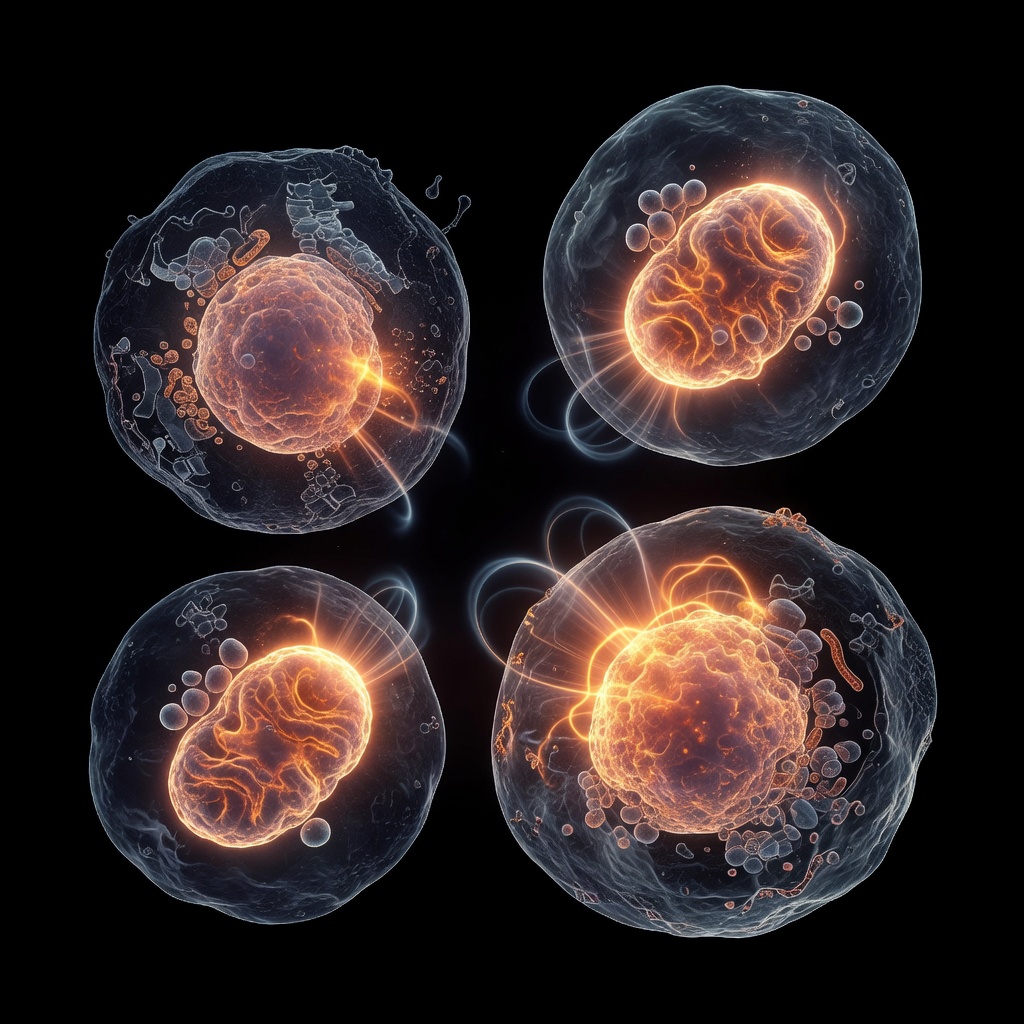
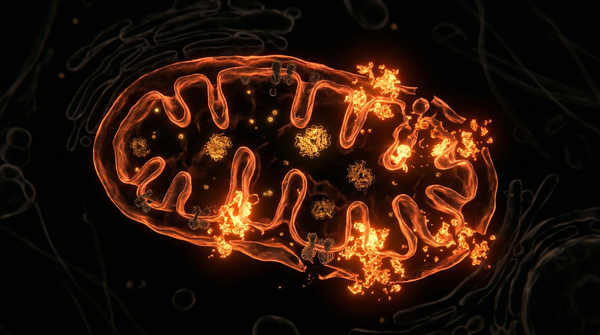
The Guardian of the Engine: Manganese and Mitochondria. In the landscape of mineral balancing, manganese is often overshadowed by magnesium or zinc. Yet, within the inner sanctum of our cells—the mitochondria—manganese serves as a primary gatekeeper of genetic integrity. As an essential trace mineral, it functions as a critical cofactor for enzymes that defend our powerhouses against oxidative collapse. ### Understanding Manganese Superoxide Dismutase (MnSOD). The most pivotal role of manganese is its residency within the mitochondrial matrix as the heart of the MnSOD enzyme.
Mitochondria produce ATP through oxidative phosphorylation, a process that inevitably generates reactive oxygen species (ROS) as a metabolic byproduct. If left unchecked, these radicals shred mitochondrial DNA (mtDNA), leading to metabolic dysfunction and cellular senescence. MnSOD effectively neutralizes superoxide radicals, acting as the first line of defense. Without bioavailable manganese, this enzyme remains inactive, leaving the mitochondrial genome vulnerable to permanent mutation. ### The Root Cause: Why Bioavailability Matters. Simply supplementing manganese is rarely the solution to cellular repair.
The mineral landscape is built on antagonism and synergy. High iron levels, excess copper, or disrupted calcium pathways can competitively inhibit manganese uptake. When we look at chronic fatigue or degenerative conditions, we often find not a deficiency in dietary intake, but a systemic inability to utilize existing stores due to gut dysbiosis or hormonal dysregulation. At INNERSTANDING, we emphasize that true mineral balance requires optimizing the terrain for absorption. ### Cellular Repair and Manganese. Beyond its antioxidant capacity, manganese is vital for the synthesis of glycosaminoglycans and proteoglycans, which form the structural matrix of our tissues.
Furthermore, it plays a silent role in blood sugar regulation and cholesterol metabolism. When manganese status is optimized, the cell enters a state of efficient repair. The stabilization of mtDNA ensures that the cell can accurately replicate and provide the energy necessary for detoxification and recovery. ### Practical Steps for Mineral Balancing. 1. Assess your iron-to-manganese ratio, as excess iron can induce a functional manganese deficiency. 2. Focus on soil-derived, trace mineral sources rather than high-dose isolated pills. 3.
Monitor thyroid health, as thyroid hormones regulate the uptake of manganese into the mitochondria. By prioritizing the structural integrity of your mitochondria through bioavailable manganese, you shift the focus from symptom management to deep, root-cause metabolic restoration.
This article is provided for informational and educational purposes only. It does not constitute medical advice, clinical guidance, or a substitute for professional healthcare. Information reflects cited research at time of publication. Always consult a qualified healthcare professional before acting on any health information.
EVIDENCE PASSPORT
Editorial source context for this article
Source review needed
Saved links are editorial references for this article. They may support specific claims rather than every sentence. Open and assess each source in context. This passport does not independently verify them.
Editorial context
A complete editorial reading has not been recorded for this article, and no source links are saved on its record.
Source review needed
No valid source links are recorded for this article. Supplementary research, where available, is listed separately below.
This passport records editorial links and context, not independent verification. Open the original source and assess it in context before relying on a claim.
Medical Disclaimer
The information in this article is for educational purposes only and does not constitute medical advice, diagnosis, or treatment. Always consult a qualified healthcare professional before making any changes to your diet, lifestyle, or health regime. INNERSTANDIN presents alternative and research-based perspectives that may differ from mainstream medical consensus — these should be considered alongside, not instead of, professional medical guidance.
Read Full DisclaimerContinue the thread
Keep this question moving.
Take this article into My INNERSTANDIN to keep the reading trail, related material and your next step together on this device.
Explore this in the Body Map
Explore related body structures and their educational pages in the interactive Body Map.
Dig deeper in the Library
Free, longform PDF volumes that go beyond headlines into mechanisms and references.
RABBIT HOLE
Follow the biological thread deeper