Zinc-to-Copper Ratio Dysregulation as a Metabolic Marker for Neurodegenerative Progression
An in-depth exploration of how the intricate balance between zinc and copper acts as a primary driver of neurological health, and how a shifted ratio serves as a critical metabolic marker for the onset and progression of neurodegenerative diseases such as Alzheimer's and Parkinson's.
# Zinc-to-Copper Ratio Dysregulation as a Metabolic Marker for Neurodegenerative Progression. In the landscape of functional medicine and nutritional neuroscience, few biomarkers are as telling yet as frequently overlooked as the ratio between zinc (Zn) and copper (Cu). While both are essential trace minerals required for hundreds of enzymatic reactions, their relationship is antagonistic and delicate. Within the UK’s evolving framework of metabolic health, INNERSTANDING identifies the Zn:Cu ratio not merely as a reflection of nutritional status, but as a sophisticated metabolic marker for neurodegenerative progression. When this ratio shifts toward copper dominance, a cascade of oxidative stress and protein misfolding is unleashed, contributing to the pathogenesis of Alzheimer’s, Parkinson’s, and other cognitive declines. ## The Biological Interplay of Zinc and Copper.
Zinc is the body's primary 'protective' mineral in the central nervous system. It is highly concentrated in the synaptic vesicles of glutamatergic neurons, where it modulates neurotransmission and acts as a potent antioxidant. Zinc is also essential for the structure and function of over 300 enzymes, including those involved in DNA synthesis and immune response. Conversely, copper is a 'catalytic' mineral. It is a necessary cofactor for cytochrome c oxidase in the mitochondrial electron transport chain, making it vital for energy production.
However, copper is a transition metal with high redox activity. If not properly sequestered by transport proteins like ceruloplasmin, 'free' copper can participate in the Fenton reaction, generating highly reactive hydroxyl radicals. In a healthy physiological state, the body maintains a serum ratio of approximately 1:1 or 1.2:1 (Zinc to Copper). When this balance is disrupted, typically manifesting as low zinc and elevated 'unbound' copper, the brain’s metabolic environment becomes pro-inflammatory and neurotoxic. ## The Mechanics of Neurodegeneration: Oxidative Stress and Protein Misfolding. The primary mechanism by which Zn:Cu dysregulation drives neurodegeneration is through the exacerbation of oxidative stress.
Zinc is a key component of Copper-Zinc Superoxide Dismutase (CuZn-SOD), an enzyme that neutralises superoxide radicals. When zinc is deficient, SOD function is impaired, leaving the brain vulnerable to oxidative damage. Furthermore, elevated levels of non-ceruloplasmin-bound copper (free copper) are strongly associated with the formation of amyloid-beta plaques, a hallmark of Alzheimer's disease. Copper has a high affinity for amyloid-beta peptides; when it binds to them, it promotes their aggregation into toxic oligomers while simultaneously generating hydrogen peroxide, further damaging neuronal membranes. In Parkinson's disease, copper dysregulation contributes to the alpha-synuclein aggregation in the substantia nigra.
Zinc deficiency compounds this issue by impairing the function of metallothioneins—proteins responsible for sequestering heavy metals and maintaining metal homeostasis. Without adequate zinc to induce metallothionein production, the brain loses its primary defence against copper-induced toxicity and environmental heavy metal accumulation. ## The Shifted Ratio as a Diagnostic Marker. Recent clinical studies have highlighted that the Zn:Cu ratio is a more accurate predictor of cognitive decline than the absolute levels of either mineral alone. Patients with mild cognitive impairment (MCI) often exhibit a significantly higher copper-to-zinc ratio compared to age-matched healthy controls. This metabolic signature indicates a state of systemic inflammation.
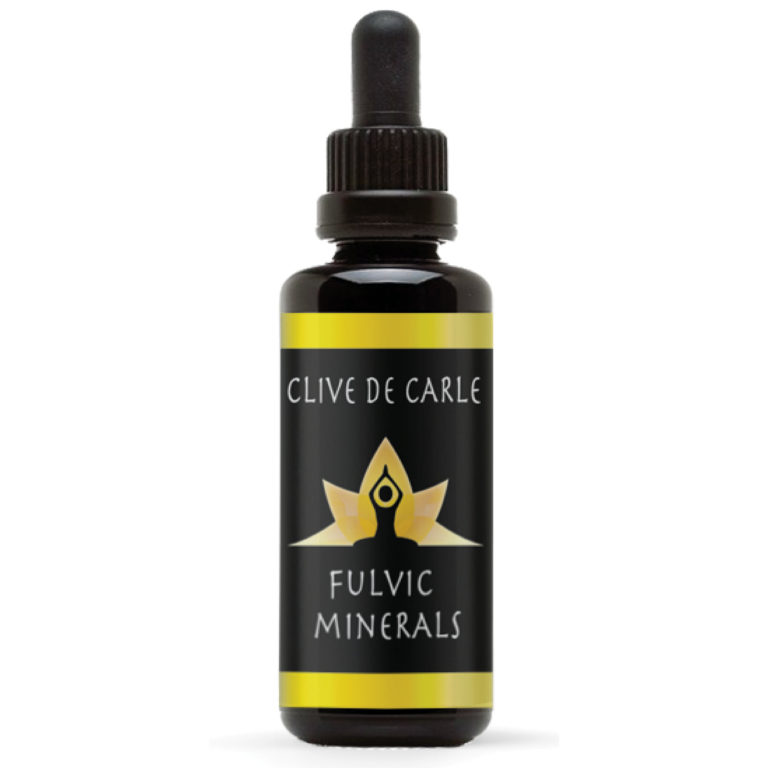
Fulvic Minerals – Natural Rare Earth Minerals. The essential trace elements missing from modern processed foods.
Restore essential trace elements missing from modern diets with this potent natural mineral complex. Derived from ancient soil deposits, these fulvic minerals provide a concentrated source of polyphenols and electrolytes to support cellular energy and nutrient absorption.
Vetting Notes
Pending
As we age, intestinal absorption of zinc often decreases due to reduced stomach acid (hypochlorhydria) or the use of medications like proton pump inhibitors (PPIs), common in the UK population. Simultaneously, copper exposure may remain constant or increase through environmental factors, such as copper piping in older British infrastructure or the use of copper-containing fungicides in industrial farming. Measuring serum zinc and copper, along with ceruloplasmin, allows practitioners to calculate the 'free copper' percentage and the Zn:Cu ratio. A ratio falling below 0.8 is often indicative of acute metabolic stress and is frequently observed in patients experiencing rapid neurodegenerative progression. ## Root Causes of Dysregulation. Understanding the root causes of this imbalance is essential for preventative care. 1.
Chronic Stress: High cortisol levels lead to the excretion of zinc through urine while increasing the retention of copper, a biological survival mechanism that becomes maladaptive when chronic. 2. Dietary Disparities: The modern Western diet is frequently high in copper (found in organ meats, shellfish, and certain seeds) but deficient in bioavailable zinc (found primarily in red meat and oysters). Furthermore, high intake of phytates from unfermented grains can inhibit zinc absorption. 3. Oestrogen Influence: Oestrogen promotes copper retention. This explains the higher prevalence of copper-dominant profiles in women, particularly those using oral contraceptives or hormone replacement therapy (HRT), which may contribute to the statistically higher rates of Alzheimer's in women. 4.
Gut Health: Malabsorption syndromes, such as Celiac disease or Leaky Gut, disproportionately affect zinc uptake, as the transporters (ZIP and ZnT) are sensitive to mucosal inflammation. ## Restoring the Balance: An Educational Path Forward. Addressing Zn:Cu dysregulation requires a nuanced approach. It is not as simple as high-dose zinc supplementation, as excessive zinc can induce a secondary copper deficiency, impairing iron metabolism and immune function. Instead, the focus should be on: 1. Targeted Supplementation: Using zinc picolinate or bisglycinate based on lab-confirmed ratios, often alongside molybdenum or manganese to support copper clearance. 2.
Supporting Metallothioneins: Increasing intake of cysteine-rich foods and ensuring adequate selenium and vitamin C to support the body’s natural metal-sequestering proteins. 3. Environmental Mitigation: Using high-quality water filtration to reduce copper intake from domestic plumbing. 4. Digestive Optimisation: Improving hydrochloric acid production to ensure the ionisation and absorption of minerals in the duodenum. ## Conclusion. The Zinc-to-Copper ratio is a vital window into the metabolic health of the brain. At INNERSTANDING, we view the dysregulation of these trace minerals not as an isolated nutritional flaw, but as a systemic failure of homeostasis that precedes clinical neurodegeneration.
By identifying and correcting this ratio early, it is possible to mitigate oxidative stress, support proteostasis, and potentially alter the trajectory of cognitive decline. As we move toward more personalised, root-cause-based healthcare, the Zn:Cu ratio will undoubtedly remain a cornerstone of metabolic screening for neurological longevity.
This article is provided for informational and educational purposes only. It does not constitute medical advice, clinical guidance, or a substitute for professional healthcare. Information reflects cited research at time of publication. Always consult a qualified healthcare professional before acting on any health information.
RESEARCH FOUNDATIONS
Biological Credibility Archive
Citations provided for educational reference. Verify via PubMed or institutional databases.
Medical Disclaimer
The information in this article is for educational purposes only and does not constitute medical advice, diagnosis, or treatment. Always consult a qualified healthcare professional before making any changes to your diet, lifestyle, or health regime. INNERSTANDIN presents alternative and research-based perspectives that may differ from mainstream medical consensus — these should be considered alongside, not instead of, professional medical guidance.
Read Full DisclaimerReady to learn more?
Continue your journey through our classified biological research.
DISCUSSION ROOM
Members of THE COLLECTIVE discussing "Zinc-to-Copper Ratio Dysregulation as a Metabolic Marker for Neurodegenerative Progression"
SILENT CHANNEL
Be the first to discuss this article. Your insight could help others understand these biological concepts deeper.
THE ARSENAL
Based on Zinc & Copper Balance — products curated by our research team for educational relevance and biological support.
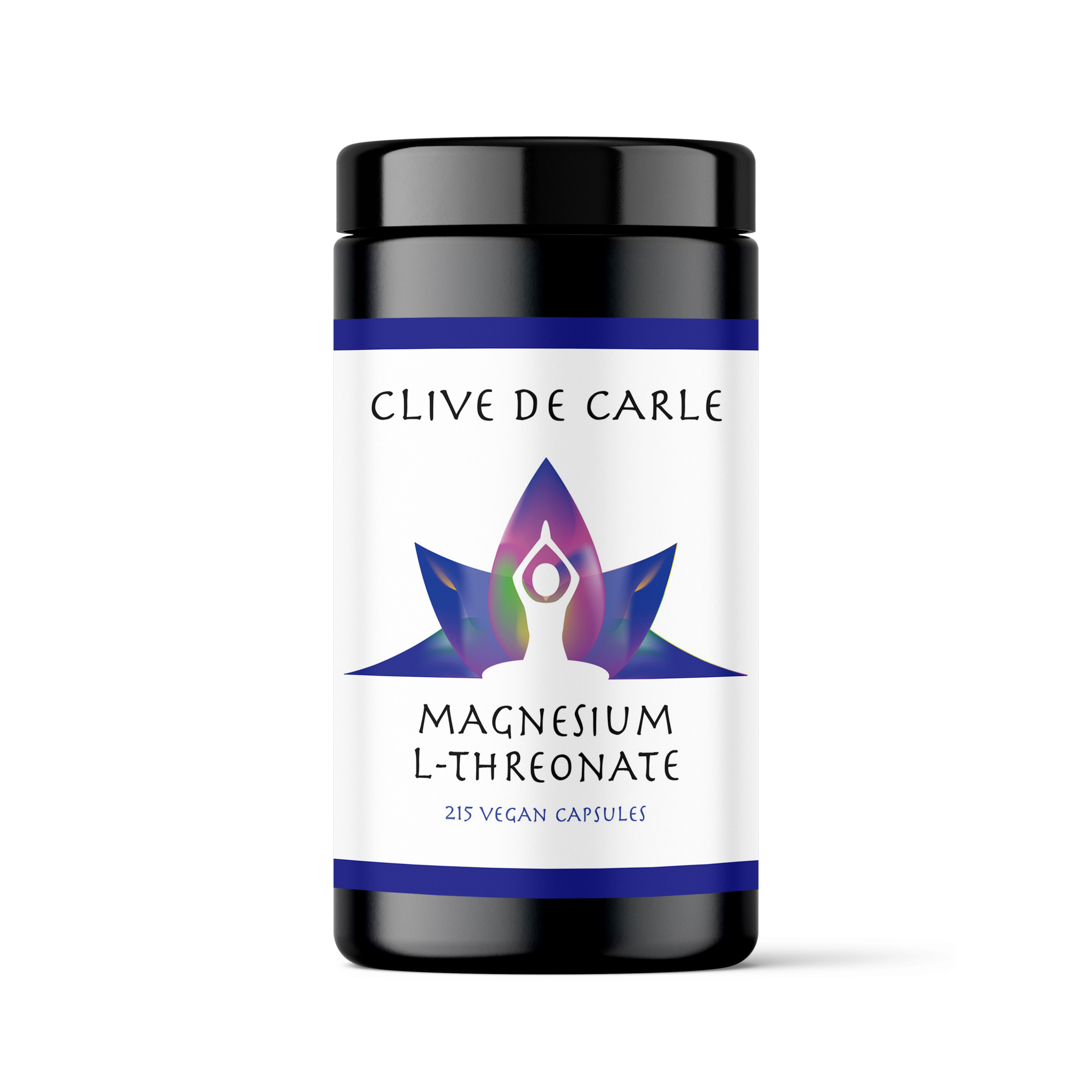
Magnesium L-Threonate
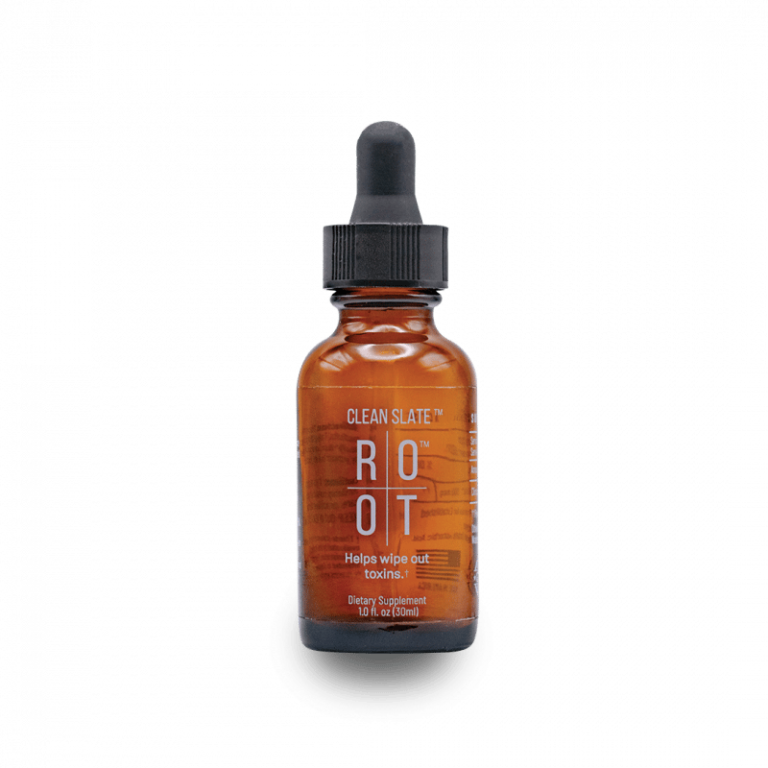
Clean Slate – Detoxes thousands of chemicals,heavy metals, pesticides, allergens, mold spores and fungus
Rejuvenation Pack – Essential Vitamins and Minerals for Health Restoration
INNERSTANDING may earn a commission on purchases made through these links. All products are selected based on rigorous educational relevance to our biological research.
RABBIT HOLE
Follow the biological thread deeper