All INNERSTANDIN content is for educational purposes only — not medical advice, diagnosis or treatment. Full Disclaimer →

    BACK TO DATABASE
    TAGGED RESEARCH

    #Cell Membrane

    3TRANSMISSIONS FOUND
    C
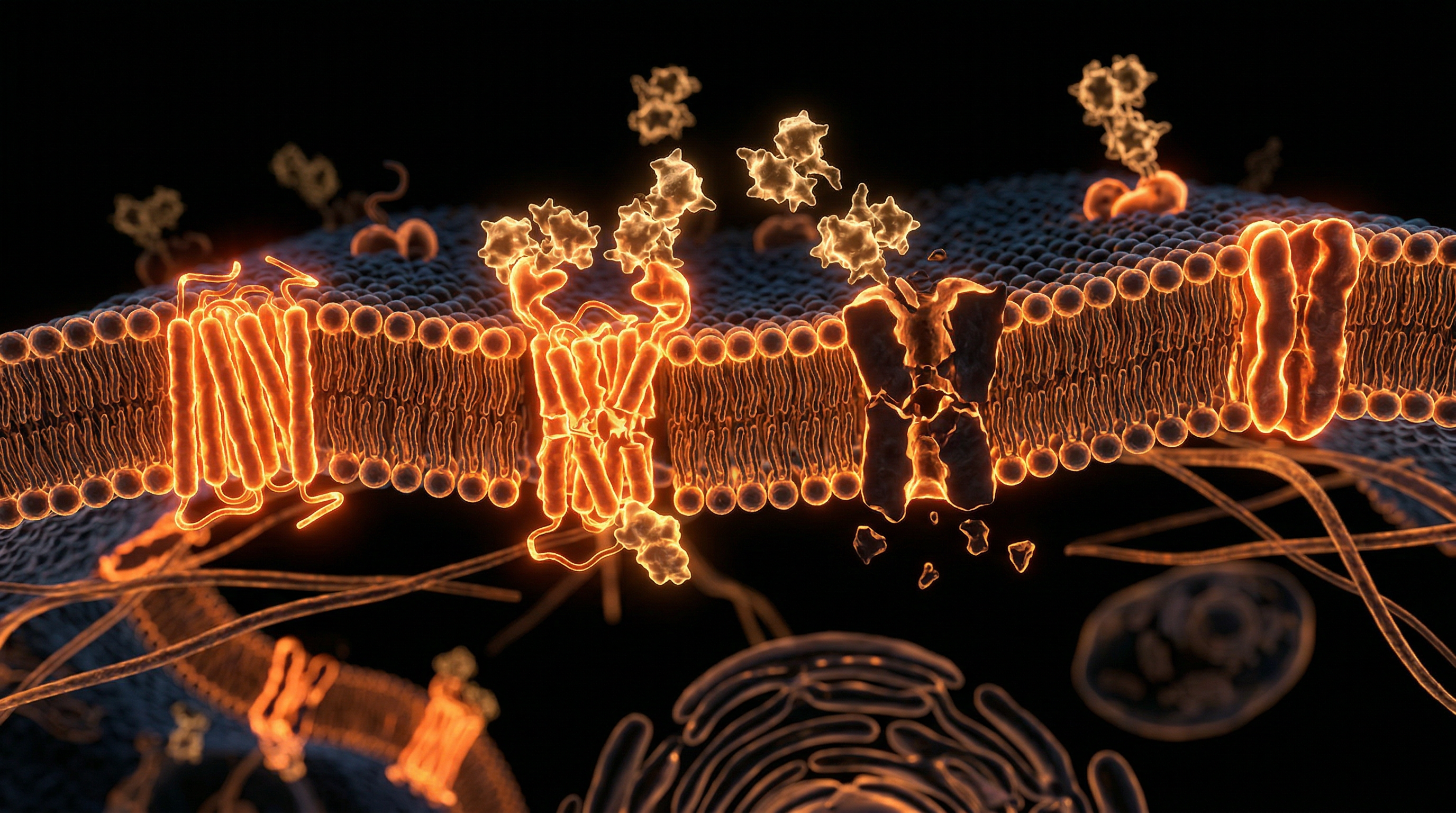
    Scientific illustration for Cell Membrane: The Intelligent Gatekeeper Toxins Are Destroying
    Cellular Biology
    14 MIN READ

    Cell Membrane: The Intelligent Gatekeeper Toxins Are Destroying

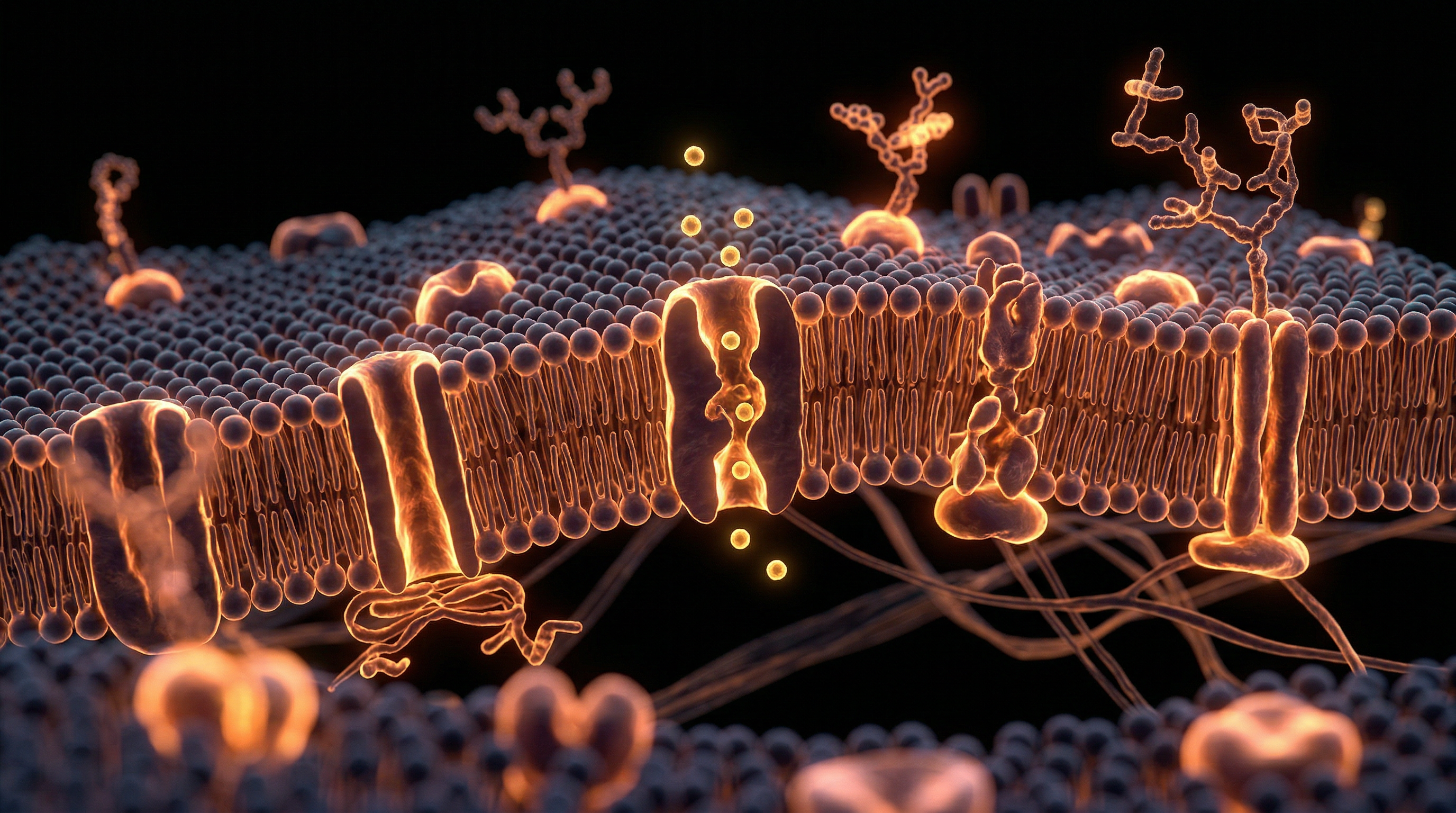
    The cell membrane — a phospholipid bilayer approximately 7 nanometres thick — is not a passive barrier but an extraordinarily sophisticated biological interface hosting thousands of receptor proteins, ion channels, transport proteins, and signalling complexes that regulate every aspect of cellular communication, nutrient intake, waste excretion, and immune identification. The lipid composition of the membrane — ideally rich in omega-3 fatty acids, cholesterol, and phosphatidylcholine — directly determines the fluidity, receptor function, and barrier integrity of the membrane; a diet chronically high in processed seed oils (linoleic acid) and deficient in omega-3s produces structurally abnormal membranes with impaired receptor sensitivity and increased permeability. Xenobiotic compounds including BPA, phthalates, PFAS chemicals, and certain pesticides interact directly with membrane receptor sites, altering signal transduction in ways that can permanently alter cellular behaviour — a mechanism underlying hormone receptor disruption, insulin resistance, and oncogenic transformation.

    #cell membrane#phospholipid
    C
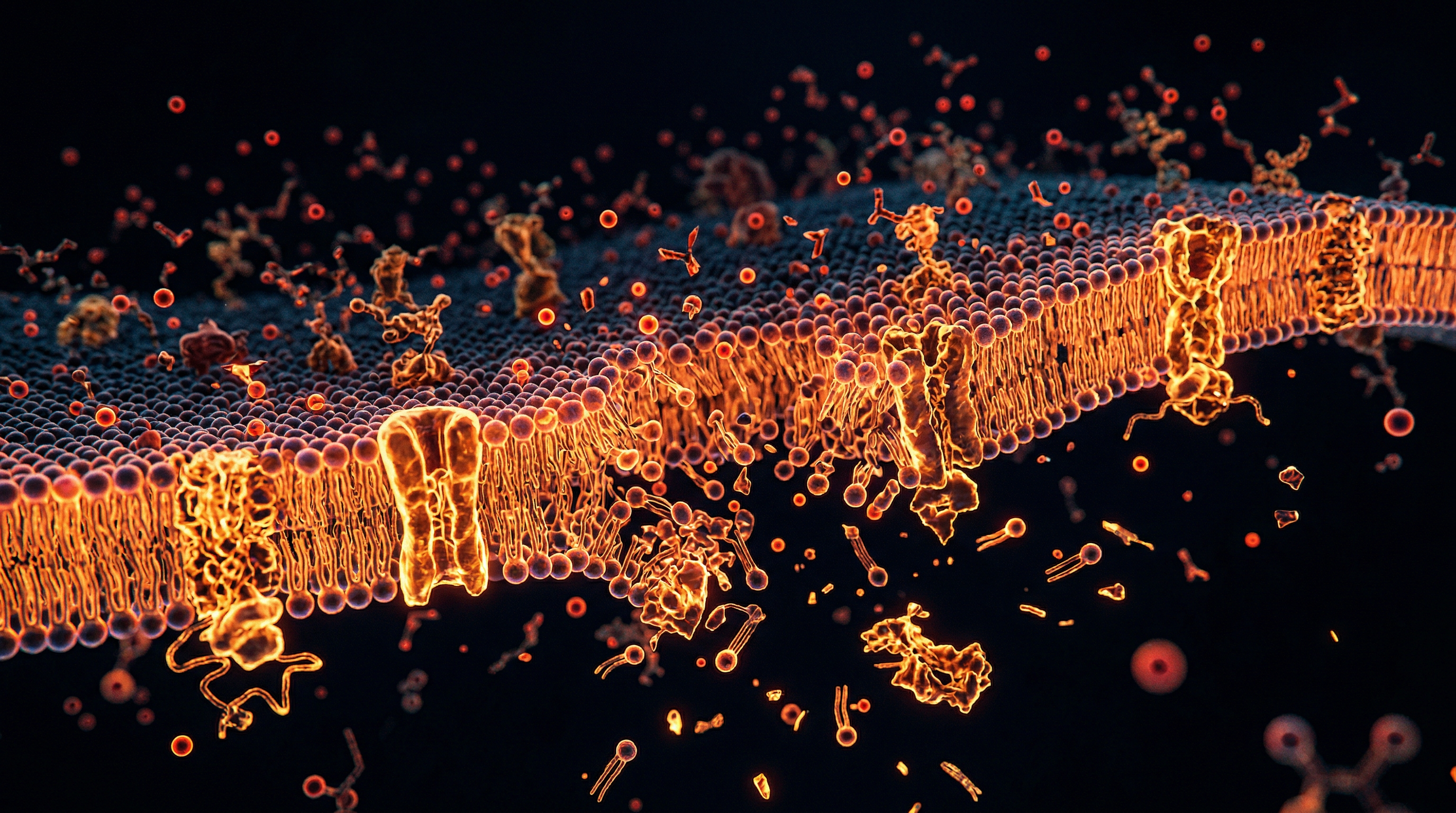
    Scientific illustration for Cell Membrane Integrity: The Lipid Bilayer Under Chemical Assault
    Cellular Biology
    14 MIN READ

    Cell Membrane Integrity: The Lipid Bilayer Under Chemical Assault

    The cell membrane — a fluid mosaic of phospholipids, cholesterol, glycolipids, and transmembrane proteins — is the cell's interface with the external world, governing the selective permeability of nutrients, the exclusion of toxins, the transduction of hormonal signals, and the function of the voltage-gated channels through which nerve impulses propagate. Industrial seed oils rich in omega-6 linoleic acid incorporate into cell membranes in place of the saturated and monounsaturated fats that create structural stability, producing membranes that are highly susceptible to lipid peroxidation — a oxidative damage process that generates the toxic aldehydes including 4-HNE and malondialdehyde that drive cardiovascular, neurological, and metabolic disease. EMF radiation activates voltage-gated calcium channels directly in the membrane, and environmental toxins disrupt the sphingomyelin signalling pathways that govern cell survival and death.

    #cell membrane#phospholipids