
Detoxing the Detoxifier: Glyphosate’s Assault on Cytochrome P450
Published April 2026
This article explores how glyphosate inhibits the Cytochrome P450 enzyme superfamily, crippling the liver's ability to detoxify other environmental chemicals.
Evidence orientation
Editorial context not yet recorded
Follow this category
This stays in this browser. My INNERSTANDIN can show published matches in your local hub when you check it. It does not send email, push, or alert notifications.
Local learning review
A private browser aid for revisiting ideas. It is not an alert or a health recommendation.
Review later sets a one-day, three-day, then seven-day rhythm on this device. Choose it only when you want to revisit this article.
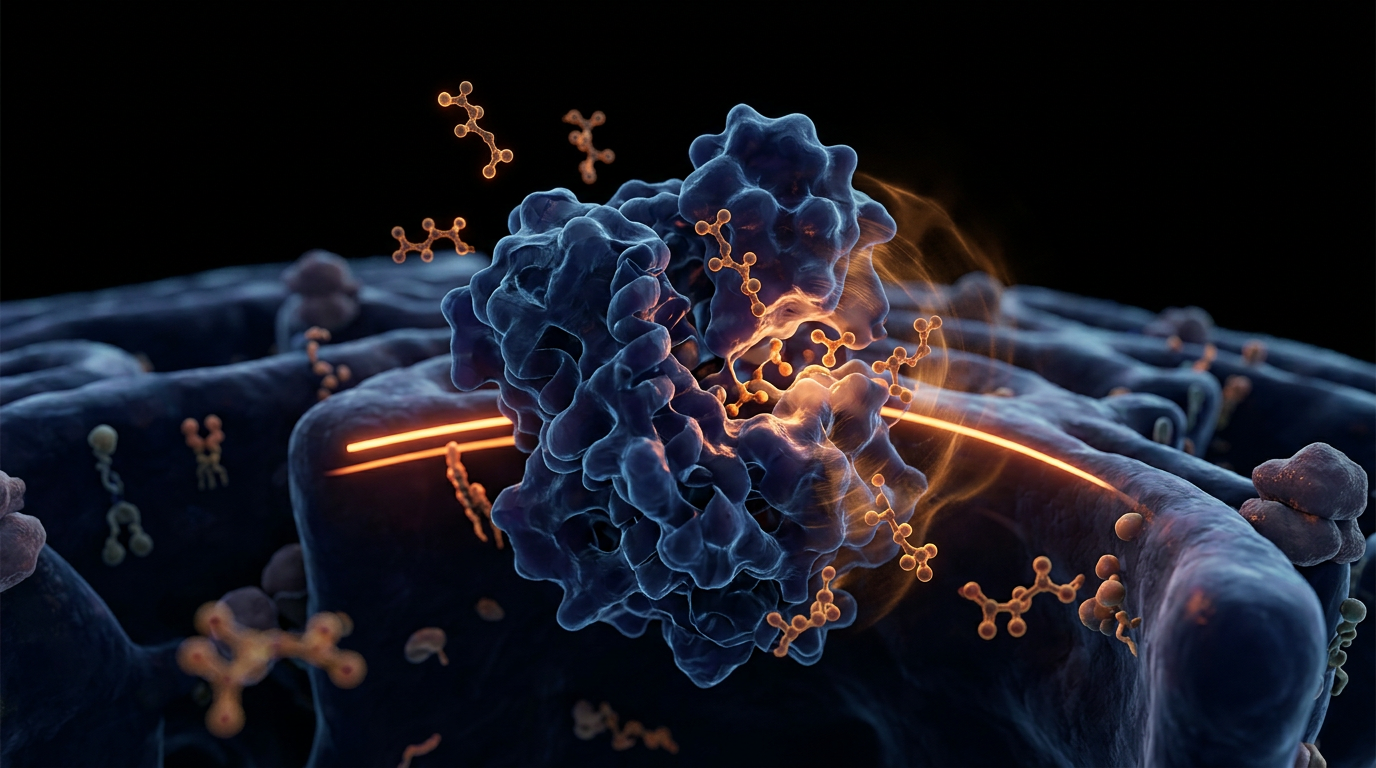
The liver is the body's primary chemical processing plant, relying heavily on a superfamily of enzymes known as Cytochrome P450 (CYP) to detoxify xenobiotics and metabolise hormones. Glyphosate, however, has been shown to be a potent inhibitor of these enzymes. This inhibition represents a 'force multiplier' in environmental toxicity: by disabling the very enzymes responsible for breaking down other toxins, glyphosate makes every other chemical exposure—from plasticisers to heavy metals—significantly more damaging. This synergy is rarely accounted for in regulatory 'safety' trials, which typically test chemicals in isolation. For the health-literate adult, understanding this mechanism is crucial to grasping why the modern 'toxic load' has become so unmanageable.
When CYP enzymes are suppressed, the body loses its ability to regulate oestrogen, activate vitamin D, and eliminate pharmaceutical residues, leading to a cascade of endocrine and metabolic disorders. ### Inhibiting the CYP Enzyme Superfamily. The CYP enzymes are heme-containing proteins that play a pivotal role in the oxidative metabolism of a vast array of compounds. Research indicates that glyphosate interferes with the expression and activity of these enzymes by disrupting the heme synthesis pathway. This does not just slow down detoxification; it halts the production of bile acids, which are essential for the digestion of fats and the absorption of fat-soluble vitamins (A, D, E, and K). In the UK, where Vitamin D deficiency is already a significant public health concern due to lack of sunlight, the glyphosate-induced inhibition of the CYP enzymes that activate Vitamin D represents a major, yet unaddressed, biological hurdle. ### Synergistic Toxicity and the Cocktail Effect.
The true danger of glyphosate lies in its ability to act as a 'gatekeeper' for other poisons. In a healthy body, small amounts of environmental pollutants might be processed and excreted without major harm. However, in the presence of glyphosate residues, the liver's 'conveyor belt' of detoxification is jammed. This leads to the bioaccumulation of toxins in adipose tissue and the brain. This 'cocktail effect' explains why populations exposed to multiple low-level agricultural chemicals often exhibit much higher rates of chronic illness than predicted by single-chemical toxicity models.
It is not just the glyphosate; it is what the glyphosate allows to stay in your system. ### Bile Acid Disruption and Hormonal Imbalance. Beyond detoxification, the CYP enzymes are essential for maintaining hormonal homeostasis. They are involved in the synthesis and breakdown of steroid hormones, including oestrogen and testosterone. By inhibiting these enzymes, glyphosate contributes to a state of 'oestrogen dominance,' which is linked to a variety of reproductive issues and hormone-sensitive cancers. Furthermore, the disruption of bile acid synthesis impairs the gut’s ability to eliminate cholesterol and other waste products, contributing to the rising prevalence of Non-Alcoholic Fatty Liver Disease (NAFLD) across the UK.
To support liver health in the modern age, one must first address the herbicide residues that are systematically dismantling the body's primary defence mechanism.
This article is provided for informational and educational purposes only. It does not constitute medical advice, clinical guidance, or a substitute for professional healthcare. Information reflects cited research at time of publication. Always consult a qualified healthcare professional before acting on any health information.
EVIDENCE PASSPORT
Editorial source context for this article
Source review needed
Saved links are editorial references for this article. They may support specific claims rather than every sentence. Open and assess each source in context. This passport does not independently verify them.
Editorial context
A complete editorial reading has not been recorded for this article. Source links remain available for you to open and assess directly.
Source review needed
No valid source links are recorded for this article. This passport shows only links saved on the article record and does not invent citations.
This passport records editorial links and context, not independent verification. Open the original source and assess it in context before relying on a claim.
Medical Disclaimer
The information in this article is for educational purposes only and does not constitute medical advice, diagnosis, or treatment. Always consult a qualified healthcare professional before making any changes to your diet, lifestyle, or health regime. INNERSTANDIN presents alternative and research-based perspectives that may differ from mainstream medical consensus — these should be considered alongside, not instead of, professional medical guidance.
Read Full DisclaimerContinue the thread
Keep this question moving.
Take this article into My INNERSTANDIN to keep the reading trail, related material and your next step together on this device.
Explore this in the Body Map
See where this hits your biology. Interactive anatomy, threats, and protective protocols.
Dig deeper in the Library
Free, longform PDF volumes that go beyond headlines into mechanisms and references.