
Glyphosate Exposure and the Disruption of Epithelial Integrity: Identifying Environmental Catalysts of Intestinal Permeability
An investigative analysis of how the herbicide glyphosate compromises gut barrier function, induces microbial dysbiosis, and contributes to the pathophysiology of increased intestinal permeability (leaky gut) within the UK context.
# Glyphosate Exposure and the Disruption of Epithelial Integrity: Identifying Environmental Catalysts of Intestinal Permeability
Introduction: The Invisible Boundary
In the landscape of modern health education, the integrity of the gastrointestinal tract has emerged as a cornerstone of systemic wellbeing. At INNERSTANDING, we focus on the root causes of dysfunction, and few environmental factors are as pervasive as the herbicide glyphosate. Originally patented as a chelator and later as an antibiotic, glyphosate (N-(phosphonomethyl)glycine) is the most widely applied agrochemical in history. While its primary use is to eliminate weeds by disrupting the shikimate pathway in plants, its impact on the human biological terrain—specifically the intestinal epithelium—is a subject of profound clinical importance. The rise in "Leaky Gut" or increased intestinal permeability correlates closely with the global adoption of glyphosate-based herbicides, necessitating a deeper look at the mechanisms by which this chemical breaches our internal defences.
The Anatomy of the Intestinal Barrier
The human intestinal barrier is a sophisticated interface consisting of a single layer of columnar epithelial cells. This barrier must perform a dual role: it must be porous enough to allow for the absorption of vital nutrients and water, yet robust enough to exclude pathogens, environmental toxins, and undigested dietary proteins. The structural integrity of this barrier is maintained by Tight Junctions (TJs)—a complex network of transmembrane proteins including occludin, claudins, and the intracellular scaffold protein zonula occludens (ZO-1). These proteins act as the "mortar" between the "bricks" of our epithelial cells. When the function of these proteins is compromised, the resulting gaps allow for the translocation of substances that should remain in the lumen, leading to systemic immune activation and chronic inflammation.
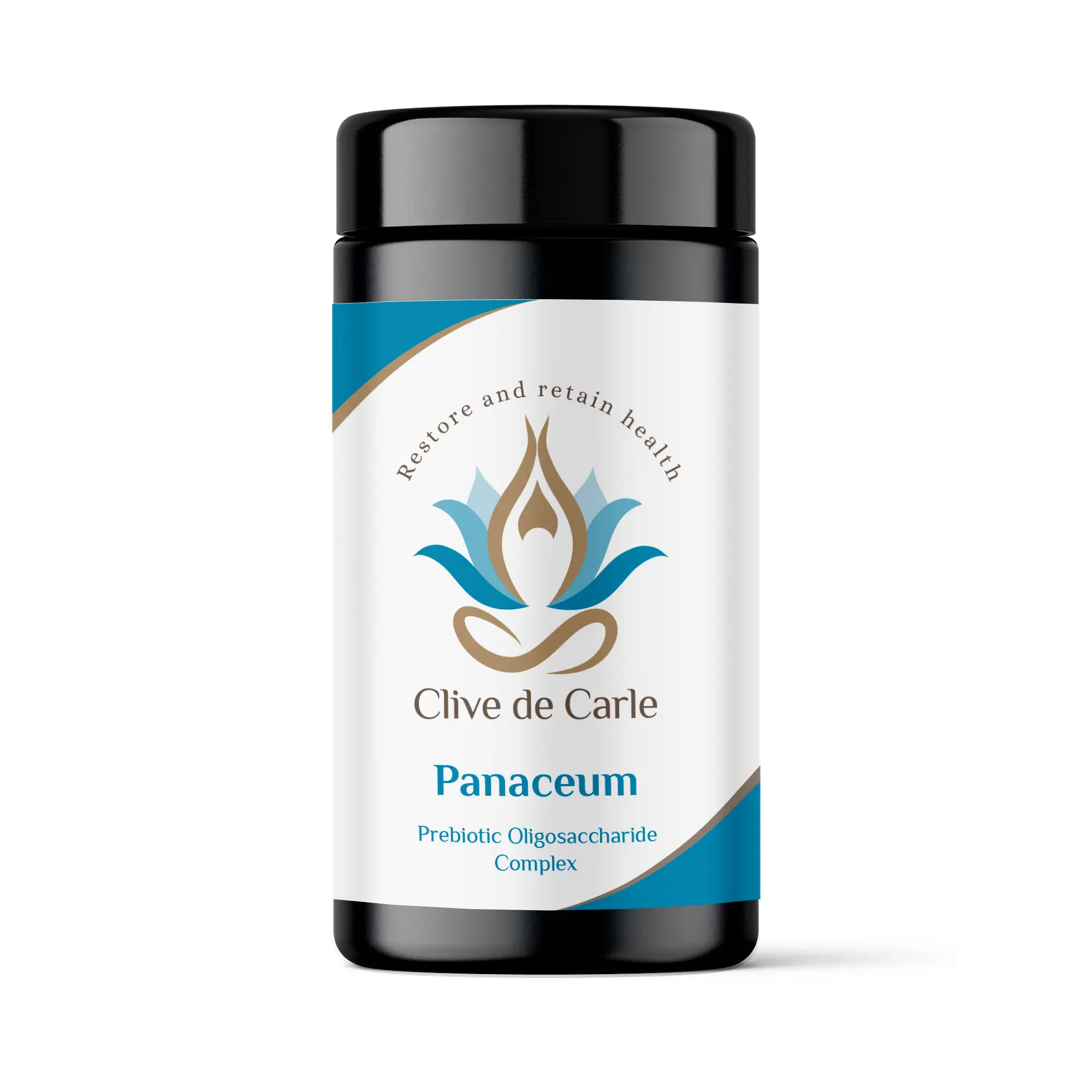
Panaceum – Prebiotic Oligosaccharide Complex
Panaceum is a specialist eight-oligosaccharide blend designed to restore the microbial diversity missing from the modern Western diet. By providing the complex fibres our ancestors once consumed, it feeds and sustains a resilient gut microbiome for long-term health.
Vetting Notes
Pending
Glyphosate and the Microbiome: An Indirect Assault
A frequent defence of glyphosate safety is that the shikimate pathway it targets is absent in mammals. However, this argument ignores the symbiotic relationship between humans and their gut microbiota. The trillions of microbes residing in the human gut do possess the shikimate pathway. Research has demonstrated that glyphosate acts as a selective antimicrobial agent, inhibiting the growth of beneficial bacteria such as *Lactobacillus* and *Bifidobacterium* species. These "friendly" bacteria are essential for maintaining a balanced pH and producing Short-Chain Fatty Acids (SCFAs) like butyrate, which provide the primary energy source for epithelial repair. When these populations are suppressed, glyphosate-resistant pathogens like *Salmonella* and *Clostridium difficile* can flourish. This state of dysbiosis indirectly compromises the gut lining by reducing protective mucosal layers and increasing the presence of inflammatory metabolites.
Direct Toxicity and the Zonulin Pathway
Recent studies have suggested that glyphosate’s impact on the gut barrier is not merely an indirect consequence of dysbiosis. Experimental models using human intestinal cell lines have shown that glyphosate exposure leads to a direct increase in the expression of zonulin. Zonulin is the only known physiological modulator of intercellular tight junctions; when its levels rise, tight junctions disassemble, and permeability increases. By triggering zonulin release, glyphosate effectively "unlocks" the gate between cells. This allows Lipopolysaccharides (LPS)—potent pro-inflammatory endotoxins found on the cell walls of gram-negative bacteria—to enter the bloodstream. The resulting metabolic endotoxemia is a primary driver of diverse conditions, from non-alcoholic fatty liver disease (NAFLD) to neuroinflammation and autoimmune thyroiditis.
The Role of Oxidative Stress and Mineral Chelation
Glyphosate’s identity as a powerful chelator means it binds to essential minerals, making them unavailable for biological use. Specifically, it chelates manganese, zinc, and cobalt. Zinc is a critical nutrient for the maintenance of the intestinal barrier; zinc deficiency is a well-established cause of leaky gut. Furthermore, glyphosate has been shown to induce oxidative stress by inhibiting the Cytochrome P450 (CYP) enzyme family and depleting glutathione levels. The epithelial cells of the gut are highly metabolically active and rely on robust antioxidant defences to prevent DNA damage and maintain structural proteins. By inducing mitochondrial dysfunction and oxidative stress, glyphosate prevents the intestinal lining from performing its natural regenerative processes, leading to a chronic state of atrophy and permeability.
The UK Context: Agriculture and Desiccation
For the UK population, glyphosate exposure is not limited to those living near industrial farms. A significant source of exposure comes from the practice of "pre-harvest desiccation." In the UK’s damp climate, glyphosate is often sprayed on conventional crops like wheat, oats, and barley shortly before harvest to kill the plant and speed up the drying process. This ensures a uniform moisture content but leads to higher residues of the chemical in staple foods such as bread, breakfast cereals, and pasta. Unlike parts of the world where genetically modified (GMO) "Roundup Ready" crops are the primary concern, the UK’s exposure is heavily driven by these pre-harvest applications on non-GMO crops. This makes organic certification particularly important for British consumers seeking to minimise their cumulative body burden.
Root-Cause Restoration Strategies
Addressing glyphosate-mediated intestinal permeability requires a multi-faceted approach aimed at both elimination and repair.
- —Organic Transition: The most effective way to reduce glyphosate levels is to switch to 100% organic produce and grains, as organic standards strictly prohibit synthetic herbicides.
- —Binding Agents: Humic and fulvic acids have been researched for their ability to sequester glyphosate within the digestive tract, preventing its systemic absorption and facilitating excretion.
- —Microbiome Support: Re-inoculating the gut with diverse probiotic strains—particularly those from the *Lactobacillus* genus—can help counteract glyphosate-induced dysbiosis and restore SCFA production.
- —Epithelial Support: Supplying the gut with targeted nutrients such as L-glutamine, collagen, and zinc carnosine can assist in the re-synthesis of tight junction proteins and the healing of the mucosal lining.
Conclusion
Identifying glyphosate as a primary catalyst for intestinal permeability is an essential step in modern health advocacy. By understanding that this herbicide acts as an antibiotic, a chelator, and a direct disruptor of epithelial tight junctions, we can move beyond symptomatic management to address the environmental roots of chronic illness. At INNERSTANDING, we believe that true healing begins with the removal of these environmental obstacles. By reducing glyphosate exposure and supporting the body’s innate reparative mechanisms, we can restore the integrity of our internal boundaries and pave the way for long-term systemic health.
This article is provided for informational and educational purposes only. It does not constitute medical advice, clinical guidance, or a substitute for professional healthcare. Information reflects cited research at time of publication. Always consult a qualified healthcare professional before acting on any health information.
RESEARCH FOUNDATIONS
Biological Credibility Archive
Citations provided for educational reference. Verify via PubMed or institutional databases.
Medical Disclaimer
The information in this article is for educational purposes only and does not constitute medical advice, diagnosis, or treatment. Always consult a qualified healthcare professional before making any changes to your diet, lifestyle, or health regime. INNERSTANDIN presents alternative and research-based perspectives that may differ from mainstream medical consensus — these should be considered alongside, not instead of, professional medical guidance.
Read Full DisclaimerReady to learn more?
Continue your journey through our classified biological research.
THE ARSENAL
Based on Leaky Gut & Intestinal Permeability — products curated by our research team for educational relevance and biological support.
Panaceum – Prebiotic Oligosaccharide Complex
C60 Charcoal – Supports Healthy Digestion and Detoxification.
Clean Slate – Detoxes thousands of chemicals,heavy metals, pesticides, allergens, mold spores and fungus
INNERSTANDING may earn a commission on purchases made through these links. All products are selected based on rigorous educational relevance to our biological research.
RABBIT HOLE
Follow the biological thread deeper