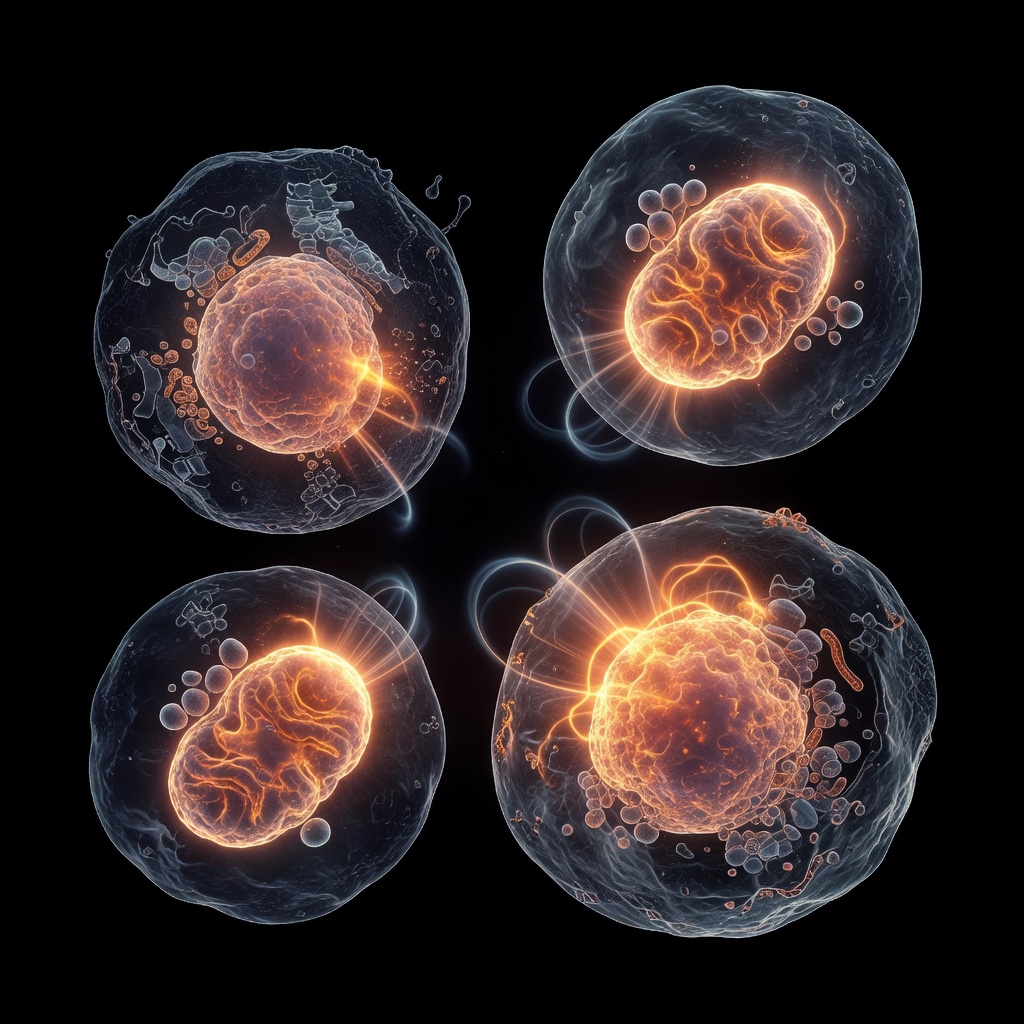
Glyphosate-Induced Intestinal Permeability: Mechanistic Insights into EPSPS Pathway Disruption
This comprehensive analysis explores how the ubiquity of glyphosate in the modern food supply disrupts the gut microbiome by targeting the shikimate pathway, leading to chronic intestinal permeability and systemic inflammation.
# Glyphosate-Induced Intestinal Permeability: Mechanistic Insights into EPSPS Pathway Disruption. In the landscape of modern environmental health, few substances have sparked as much debate as glyphosate. As the active ingredient in the world's most widely used herbicides, it has become an integral part of industrial agriculture. For decades, the safety of glyphosate was predicated on the assumption that it specifically targets a biochemical pathway absent in humans: the shikimate pathway. However, emerging research into the human microbiome and the mechanics of intestinal permeability—often referred to as 'leaky gut'—suggests that this assumption may be fundamentally flawed.
At INNERSTANDING, we focus on root-cause education, and understanding how glyphosate interacts with our internal ecology is essential for anyone seeking to restore gut integrity. ## The Shikimate Pathway and the EPSPS Enzyme. The primary mechanism by which glyphosate kills plants is by inhibiting the enzyme 5-enolpyruvylshikimate-3-phosphate synthase (EPSPS). This enzyme is a critical component of the shikimate pathway, which plants, fungi, and many bacteria use to synthesize the three essential aromatic amino acids: phenylalanine, tyrosine, and tryptophan. Because humans and other mammals do not possess the EPSPS enzyme and must obtain these amino acids through their diet, glyphosate was long considered non-toxic to humans. This perspective, however, overlooks a crucial component of human physiology: the trillions of microorganisms residing in our gastrointestinal tract.
Our gut bacteria do possess the shikimate pathway. When we ingest glyphosate residues on non-organic grains, legumes, and produce, we are effectively introducing a broad-spectrum antimicrobial agent into our delicate microbial ecosystem. ## The Dysbiosis Loop: Selective Pressure in the Gut. Not all bacteria are equally sensitive to glyphosate. Research has shown that many beneficial species, such as Bifidobacteria and Lactobacilli, are highly susceptible to glyphosate-induced EPSPS inhibition. Conversely, many pathogenic or opportunistic bacteria, including various strains of Clostridia and Salmonella, appear to be more resistant.
This creates a state of 'dysbiosis'—a microbial imbalance where the 'good' bacteria are suppressed and the 'bad' bacteria are allowed to proliferate. This shift in the microbial landscape is a primary driver of intestinal permeability. Beneficial bacteria produce short-chain fatty acids (SCFAs) like butyrate, which serve as the primary fuel source for the cells lining the colon (colonocytes). When these beneficial populations decline, the gut lining loses its primary energy source, weakening the barrier and making it more susceptible to damage. ## The Direct Mechanism of Intestinal Permeability. Beyond the indirect effects of microbial imbalance, glyphosate may exert a more direct influence on the intestinal barrier.
The intestinal wall is composed of a single layer of epithelial cells held together by complex protein structures known as tight junctions. These junctions act as the 'gatekeepers' of the body, allowing nutrients to enter the bloodstream while keeping out toxins, pathogens, and undigested food particles. Emerging studies suggest that glyphosate exposure can trigger the release of zonulin. Zonulin is a protein that modulates the permeability of tight junctions. When zonulin levels are elevated, the tight junctions open wider than intended, leading to the condition known as intestinal permeability.
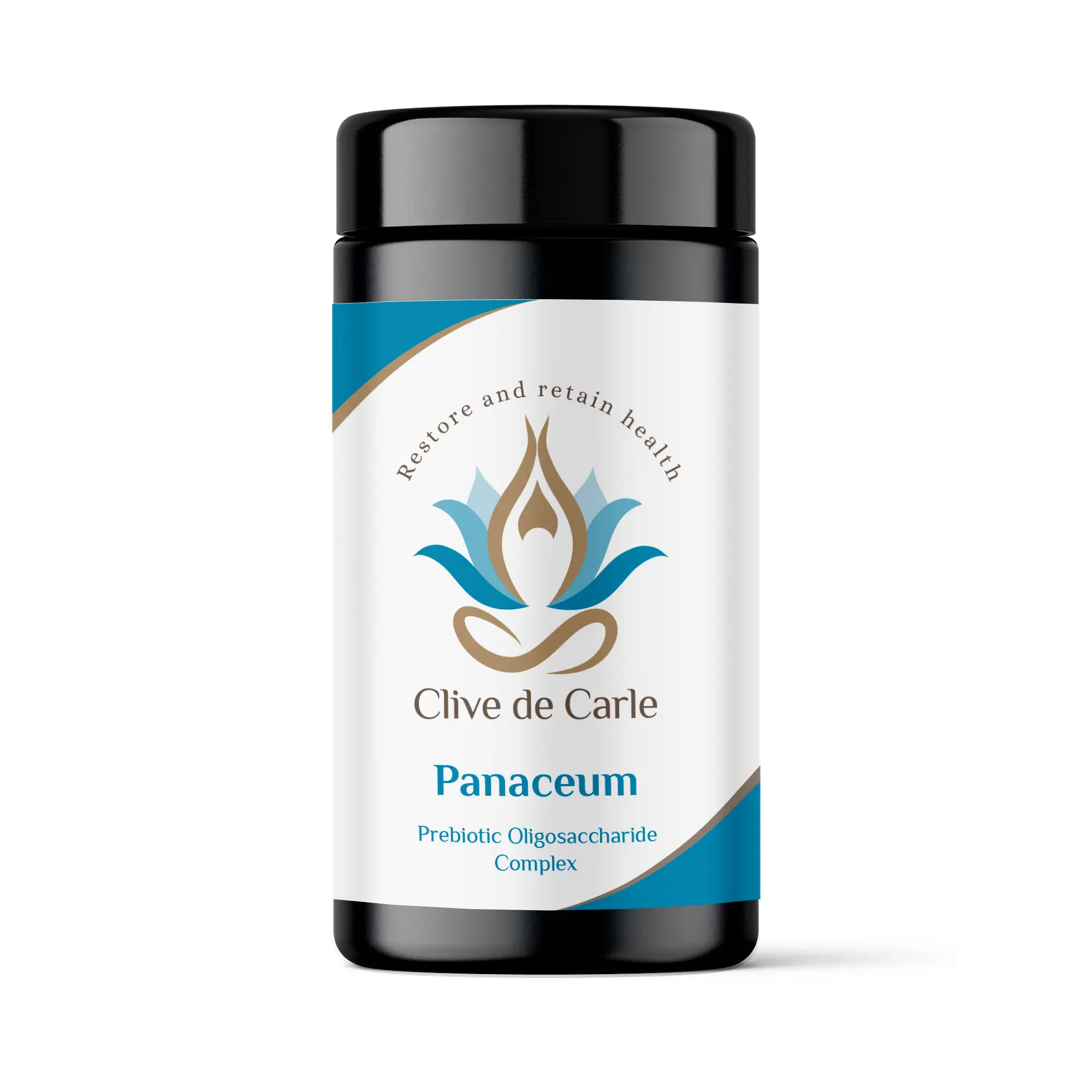
Panaceum – Prebiotic Oligosaccharide Complex
Panaceum is a specialist eight-oligosaccharide blend designed to restore the microbial diversity missing from the modern Western diet. By providing the complex fibres our ancestors once consumed, it feeds and sustains a resilient gut microbiome for long-term health.
Vetting Notes
Pending
Once the barrier is compromised, substances that should remain in the gut lumen 'leak' into the systemic circulation. This includes lipopolysaccharides (LPS), which are endotoxins found in the cell walls of certain bacteria. The presence of LPS in the blood triggers a systemic inflammatory response, as the immune system identifies these particles as foreign invaders. ## The Link to Chronic Inflammation and Autoimmunity. The consequences of glyphosate-induced leaky gut extend far beyond digestive discomfort. The translocation of antigens through a porous gut lining is a recognized trigger for 'molecular mimicry.' This occurs when the immune system, in its attempt to neutralize foreign proteins, inadvertently begins to attack the body's own tissues that share similar protein sequences.
This mechanism is a foundational element in the development of various autoimmune conditions. Furthermore, the disruption of the aromatic amino acid synthesis in the gut microbiome has metabolic repercussions. Phenylalanine, tyrosine, and tryptophan are precursors to essential neurotransmitters including serotonin, dopamine, and melatonin. By disrupting the microbial production of these precursors, glyphosate may not only damage the gut but also impact mood, sleep, and cognitive function—a classic example of the gut-brain axis in distress. ## Root-Cause Mitigation Strategies. Addressing glyphosate-induced damage requires a multi-faceted approach focused on removal and restoration. 1.
Dietary Modification: The most effective way to reduce glyphosate exposure is to prioritize certified organic foods. Since glyphosate is used both as a weedkiller and as a desiccant (drying agent) on conventional crops like wheat, oats, and beans, switching to organic versions can significantly lower the toxic load. 2. Microbial Support: Replenishing the gut with diverse strains of beneficial bacteria through fermented foods and high-quality probiotics can help counteract the dysbiosis caused by previous exposure. 3. Strengthening the Barrier: Nutrients such as L-glutamine, zinc carnosine, and collagen peptides provide the building blocks necessary for repairing the intestinal epithelium. 4. Fulvic and Humic Acids: Some research suggests that certain soil-derived substances may help sequester glyphosate and support the resilience of the gut lining against environmental toxins. ## Conclusion.
The impact of glyphosate on human health is a complex issue that requires looking beyond traditional toxicology. By understanding the mechanistic insights into EPSPS pathway disruption, we can see that glyphosate's 'safety' is an illusion that fails to account for our symbiotic relationship with the microbiome. Protecting the intestinal barrier is not just about avoiding 'leaky gut'; it is about maintaining the integrity of our entire biological system. At INNERSTANDING, we believe that informed choices are the first step toward true health sovereignty. Reducing glyphosate exposure and supporting gut health is a vital component of a root-cause approach to modern wellness.
This article is provided for informational and educational purposes only. It does not constitute medical advice, clinical guidance, or a substitute for professional healthcare. Information reflects cited research at time of publication. Always consult a qualified healthcare professional before acting on any health information.
RESEARCH FOUNDATIONS
Biological Credibility Archive
Citations provided for educational reference. Verify via PubMed or institutional databases.
Medical Disclaimer
The information in this article is for educational purposes only and does not constitute medical advice, diagnosis, or treatment. Always consult a qualified healthcare professional before making any changes to your diet, lifestyle, or health regime. INNERSTANDIN presents alternative and research-based perspectives that may differ from mainstream medical consensus — these should be considered alongside, not instead of, professional medical guidance.
Read Full DisclaimerReady to learn more?
Continue your journey through our classified biological research.
THE ARSENAL
Based on Leaky Gut & Intestinal Permeability — products curated by our research team for educational relevance and biological support.
Panaceum – Prebiotic Oligosaccharide Complex
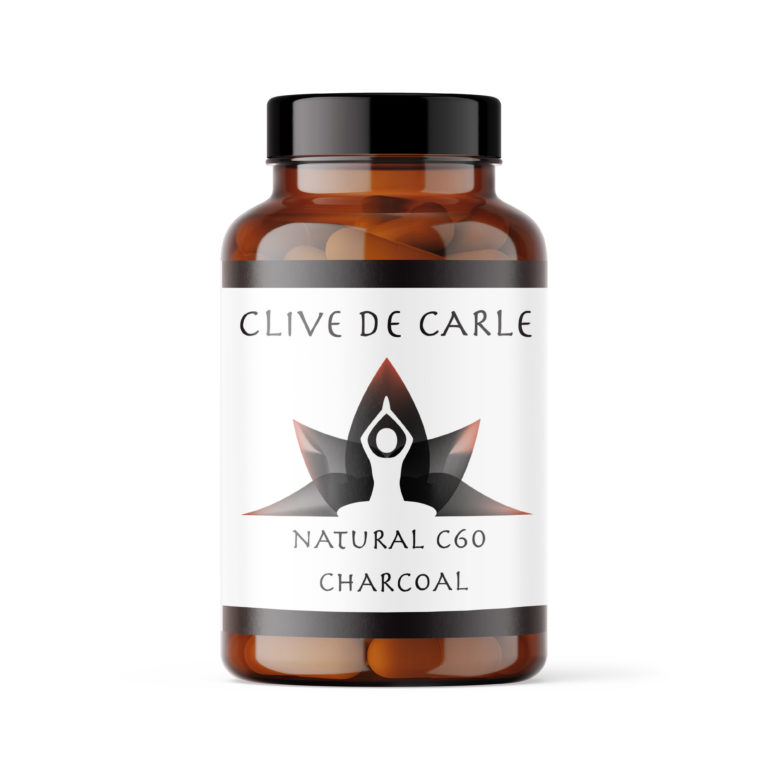
C60 Charcoal – Supports Healthy Digestion and Detoxification.
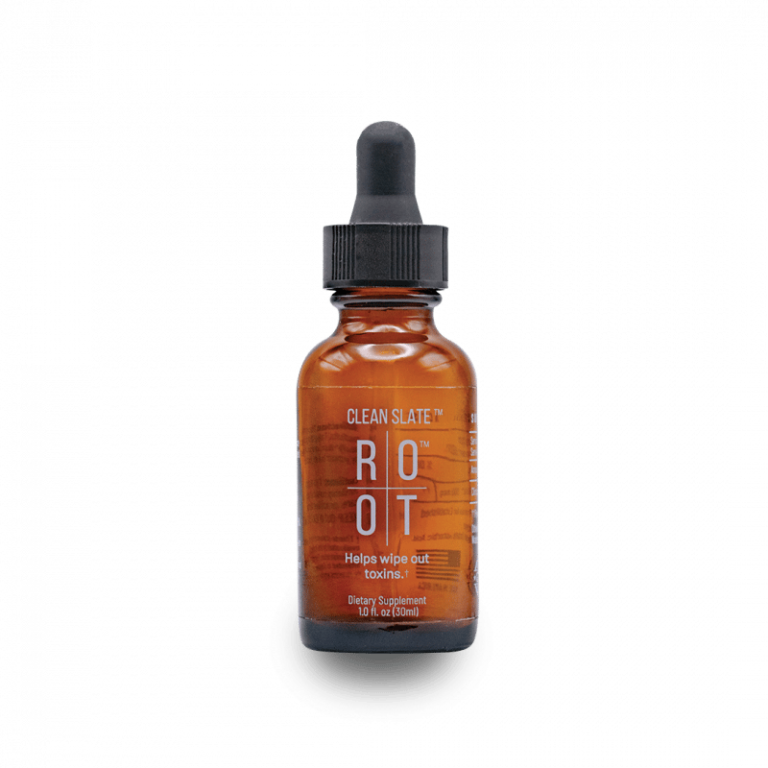
Clean Slate – Detoxes thousands of chemicals,heavy metals, pesticides, allergens, mold spores and fungus
INNERSTANDING may earn a commission on purchases made through these links. All products are selected based on rigorous educational relevance to our biological research.
RABBIT HOLE
Follow the biological thread deeper