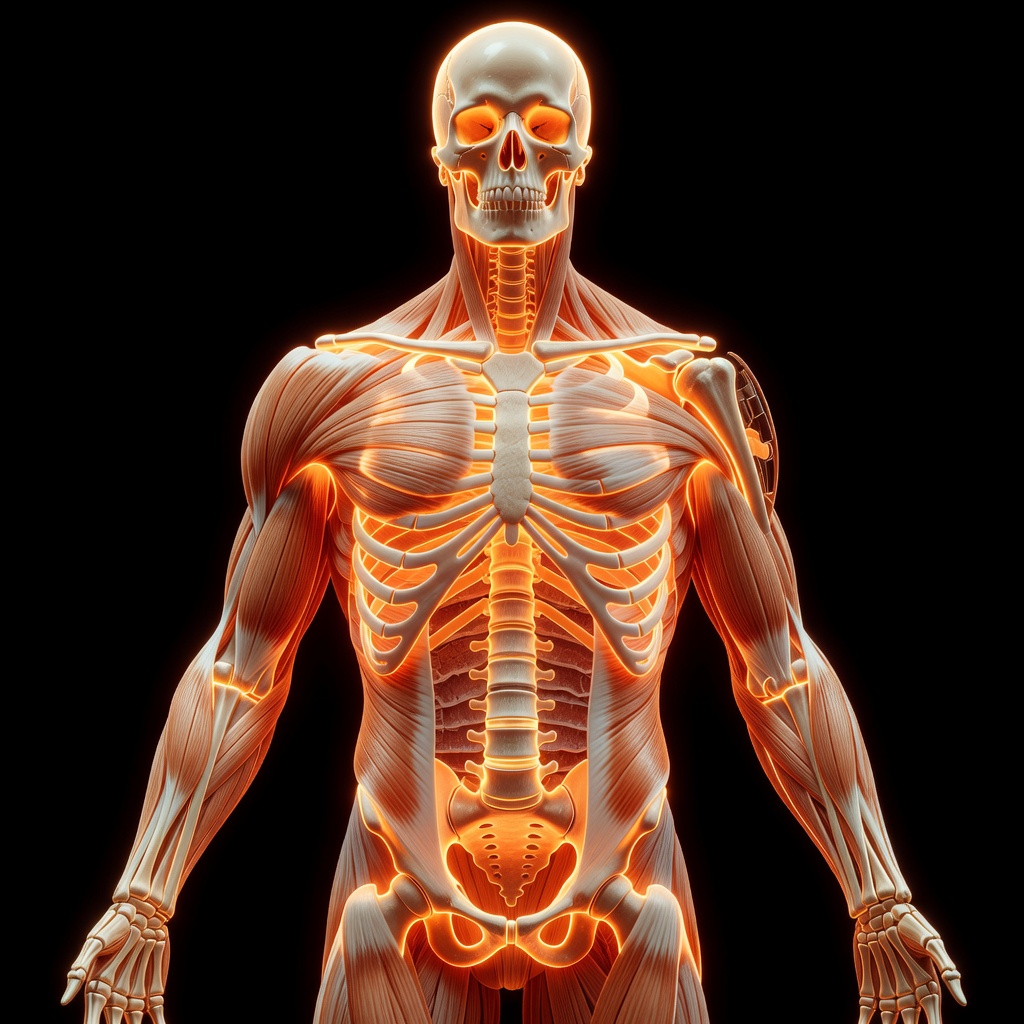
The Impact of High-Fructose Intake on Claudin Protein Expression and Paracellular Transport
An educational exploration into how excessive fructose consumption alters the molecular architecture of the intestinal barrier, specifically focusing on claudin proteins and the mechanisms behind increased paracellular permeability.
# High-Fructose Intake and the Tight Junction: Deciphering the Impact on Claudin Expression and Paracellular Permeability ## Introduction In the realm of functional medicine and gastroenterology, the intestinal barrier is increasingly recognized as a primary gatekeeper of systemic health. This barrier, a single layer of epithelial cells, must perform a complex dual role: it must allow for the efficient absorption of essential nutrients while simultaneously providing a robust defense against pathogens, toxins, and undigested food particles. When this barrier is compromised, a condition often referred to as 'Leaky Gut' or increased intestinal permeability occurs. While many factors contribute to this dysfunction, recent scientific inquiry has highlighted the profound impact of dietary fructose—specifically refined high-fructose corn syrup and concentrated fruit sugars—on the molecular integrity of the gut. Central to this discussion are the claudin proteins, the specialized 'velcro' of the gut lining that dictates the tightness of the paracellular pathway. ## The Architecture of Paracellular Transport To understand the pathology of a leaky gut, one must understand the paracellular pathway.
This is the space between adjacent epithelial cells through which water and solutes pass. The flow through this space is regulated by the Tight Junction (TJ) complex. The TJ is not a static seal; rather, it is a dynamic protein network composed of transmembrane proteins such as occludin, junctional adhesion molecules (JAMs), and most crucially, the claudin family. Unlike the transcellular pathway, where substances must pass through the cell itself, the paracellular pathway is the primary route for the passive diffusion of electrolytes and small molecules. When claudin proteins are altered, this passive gateway can become 'flooded,' allowing large, pro-inflammatory molecules to bypass the body's primary defenses. ## The Role of Claudin Proteins: The Gatekeepers Claudins are a family of over 20 proteins that are the principal determinants of the barrier's selectivity.
They are categorized into two functional groups: sealing claudins and pore-forming claudins. Sealing claudins, such as Claudin-1, Claudin-3, and Claudin-5, act as high-resistance barriers that increase the electrical resistance of the epithelium and decrease permeability. Conversely, pore-forming claudins, such as Claudin-2 and Claudin-15, create channels that allow for the selective passage of ions and water. In a healthy gut, there is a delicate homeostatic balance between these proteins. High-fructose intake disrupts this balance by systematically downregulating the sealing proteins and upregulating the pore-forming ones, effectively turning a selective filter into a sieve. ## Fructose: The Molecular Disruptor The modern UK diet has seen a dramatic rise in fructose consumption, largely hidden in ultra-processed foods.
Unlike glucose, which is primarily absorbed in the small intestine via sodium-dependent transporters (SGLT1), high doses of fructose can overwhelm the gut's transport capacity (GLUT5). This excess fructose remains in the intestinal lumen, where it undergoes fermentation by the microbiota and exerts a direct biochemical effect on the epithelial cells. Research demonstrates that fructose metabolism in the gut leads to the depletion of intracellular Adenosine Triphosphate (ATP) and the generation of uric acid. This metabolic stress triggers a cascade of intracellular signaling that directly impacts the transcription and localization of claudin proteins. ## Downregulation of Sealing Claudins: Losing the Seal Clinical studies have shown that high-fructose diets significantly reduce the mRNA and protein expression of Claudin-1. Claudin-1 is perhaps the most essential 'tight' claudin; its absence or reduction directly correlates with a decrease in Trans-Epithelial Electrical Resistance (TEER).
When Claudin-1 levels drop, the intestinal wall loses its ability to block the passage of larger molecules, such as bacterial fragments (Lipopolysaccharides or LPS) and food antigens. Furthermore, fructose intake promotes the internalization of these proteins—moving them from the cell membrane, where they are functional, into the cell interior, where they are degraded. ## Upregulation of Pore-Forming Claudins: The Rise of Claudin-2 While sealing proteins are lost, fructose simultaneously stimulates the expression of Claudin-2. In the context of the intestinal epithelium, Claudin-2 is often viewed as a marker of inflammation and leakiness. It creates water-permeable pores that lead to 'leaky' diarrhea and localized swelling within the mucosa. This upregulation is often mediated by the activation of the MLCK (Myosin Light Chain Kinase) pathway.
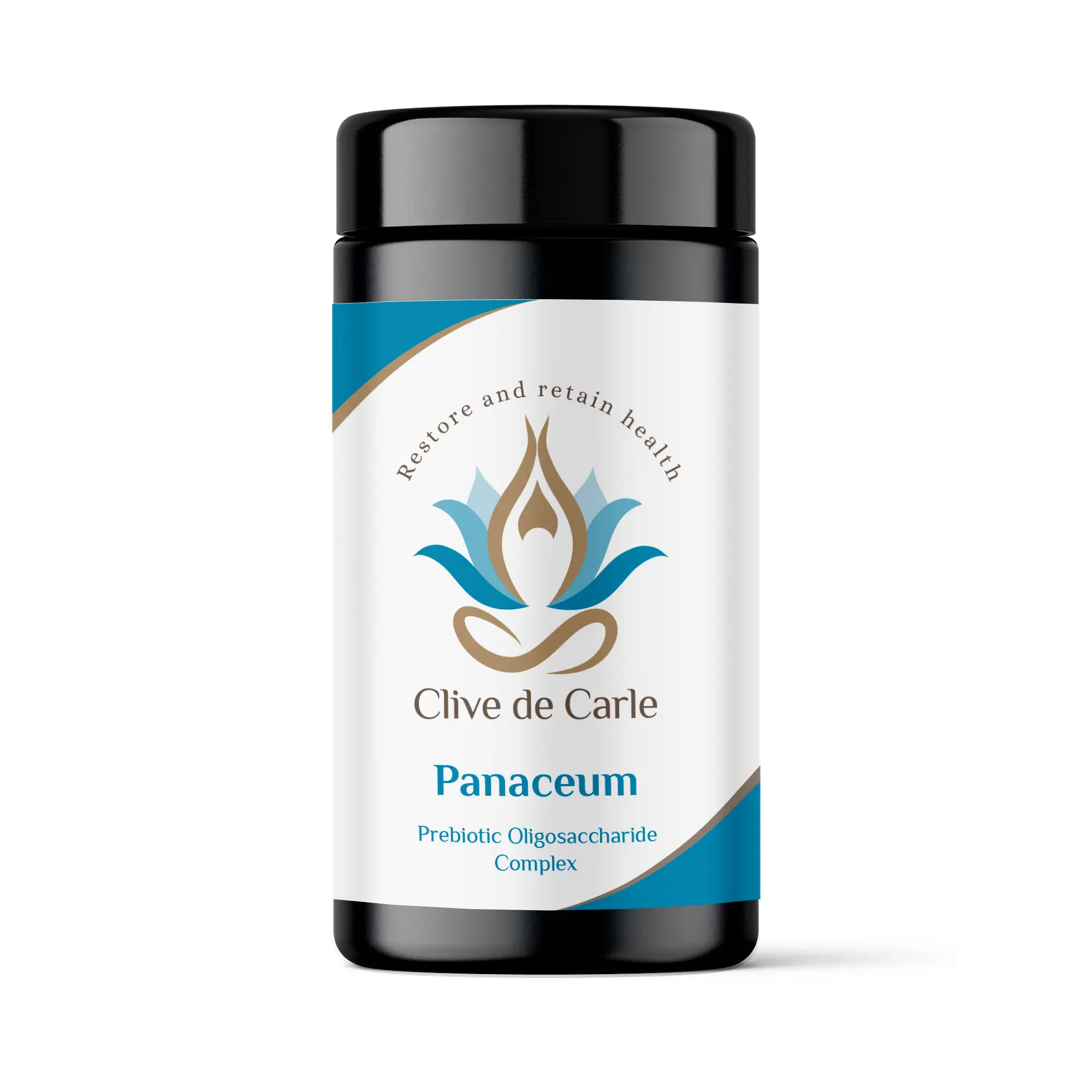
Panaceum – Prebiotic Oligosaccharide Complex
Panaceum is a specialist eight-oligosaccharide blend designed to restore the microbial diversity missing from the modern Western diet. By providing the complex fibres our ancestors once consumed, it feeds and sustains a resilient gut microbiome for long-term health.
Vetting Notes
Pending
By increasing Claudin-2, fructose creates an environment where the gut is not just failing to keep things out, but is actively facilitating the influx of fluids and ions into the lumen, further destabilizing the microbiome. ## The Mechanism: Oxidative Stress and Fructokinase-C The root cause of this protein shift lies in the unique way the body processes fructose. The enzyme Fructokinase-C (KHK-C) rapidly phosphorylates fructose, consuming ATP in the process. This 'energy crisis' within the intestinal cell leads to the production of Reactive Oxygen Species (ROS). Oxidative stress activates various pro-inflammatory signaling pathways, specifically the NF-kB (Nuclear Factor kappa-light-chain-enhancer of activated B cells) pathway. NF-kB is a master regulator of inflammation that directly suppresses the gene expression of sealing claudins while promoting the synthesis of pore-forming ones.
This creates a vicious cycle: fructose causes oxidative stress, which leads to inflammation, which then degrades the physical barrier. ## Metabolic Endotoxemia: The Systemic Consequence The clinical relevance of altered claudin expression cannot be overstated. When the paracellular transport system becomes unregulated, the most significant consequence is the translocation of Lipopolysaccharides (LPS). LPS are components of the cell walls of Gram-negative bacteria residing in the gut. Under normal conditions, claudin-1 and occludin prevent LPS from entering the bloodstream. However, in a fructose-compromised gut, LPS 'leaks' into the portal circulation.
This phenomenon, known as metabolic endotoxemia, triggers systemic low-grade inflammation. This root-cause mechanism is now linked to a host of modern chronic conditions, including Non-Alcoholic Fatty Liver Disease (NAFLD), insulin resistance, and even neuroinflammation. ## Clinical Implications and Restoration Strategies For those looking to restore intestinal integrity, the focus must be on removing the primary disruptor and supporting the resynthesis of tight junction proteins. 1. Fructose Reduction: Reducing refined sugar and high-fructose corn syrup is the most critical step to halt the KHK-C mediated ATP depletion. 2. Polyphenol Support: Compounds such as Quercetin and Curcumin have been shown to antagonize the NF-kB pathway, potentially upregulating Claudin-1 expression. 3. Glutamine: The amino acid L-Glutamine serves as a primary fuel source for enterocytes and has been shown to support the assembly of tight junction complexes. 4.
Zinc Carnosine: This specific form of zinc has been clinically studied for its ability to stabilize the intestinal lining and stimulate the production of sealing proteins. ## Conclusion The impact of high-fructose intake on the gut is far more complex than simple caloric excess. By specifically targeting the claudin protein family, fructose effectively dismantles the body's most important defensive barrier. The shift from a high-resistance (Claudin-1 dominant) to a low-resistance (Claudin-2 dominant) state facilitates a state of chronic paracellular permeability. Understanding this molecular mechanism allows us to move beyond symptomatic treatment and address the root cause of 'Leaky Gut' through targeted dietary intervention and biochemical support. At INNERSTANDING, we believe that true health begins with the integrity of the intestinal wall.
This article is provided for informational and educational purposes only. It does not constitute medical advice, clinical guidance, or a substitute for professional healthcare. Information reflects cited research at time of publication. Always consult a qualified healthcare professional before acting on any health information.
RESEARCH FOUNDATIONS
Biological Credibility Archive
Citations provided for educational reference. Verify via PubMed or institutional databases.
Medical Disclaimer
The information in this article is for educational purposes only and does not constitute medical advice, diagnosis, or treatment. Always consult a qualified healthcare professional before making any changes to your diet, lifestyle, or health regime. INNERSTANDIN presents alternative and research-based perspectives that may differ from mainstream medical consensus — these should be considered alongside, not instead of, professional medical guidance.
Read Full DisclaimerReady to learn more?
Continue your journey through our classified biological research.
THE ARSENAL
Based on Leaky Gut & Intestinal Permeability — products curated by our research team for educational relevance and biological support.
Panaceum – Prebiotic Oligosaccharide Complex
C60 Charcoal – Supports Healthy Digestion and Detoxification.
Clean Slate – Detoxes thousands of chemicals,heavy metals, pesticides, allergens, mold spores and fungus
INNERSTANDING may earn a commission on purchases made through these links. All products are selected based on rigorous educational relevance to our biological research.
RABBIT HOLE
Follow the biological thread deeper