
The Role of Zonulin in Modulating Tight Junction Integrity: A Deep Dive into Enterocyte Signalling
A comprehensive exploration into the physiological mechanisms of zonulin, the primary protein modulator of intestinal permeability, and its role in the development of systemic inflammation and autoimmune conditions.
# The Gatekeeper of the Gut: Understanding Zonulin and Intestinal Permeability In the evolving landscape of modern nutritional science, few topics have garnered as much attention as 'Leaky Gut' or, more formally, increased intestinal permeability. At the heart of this physiological phenomenon lies a single protein: zonulin. As the only known physiological modulator of intercellular tight junctions, zonulin acts as a gatekeeper, determining which molecules gain access to the systemic circulation and which remain safely within the lumen of the digestive tract. For clinicians and patients alike in the UK and beyond, understanding zonulin is not merely a matter of academic interest; it is the key to unlocking the root causes of chronic inflammation, autoimmunity, and metabolic dysfunction. ## The Discovery of Zonulin The story of zonulin began in 2000, when Dr. Alessio Fasano and his team at the University of Maryland discovered the protein while investigating the mechanism of Vibrio cholerae.
They found that the bacterium produced a toxin, known as zonula occludens toxin (ZOT), which rapidly increased intestinal permeability by mimicking a human endogenous protein. This protein was later identified as zonulin. Prior to this discovery, the intestinal wall was viewed as a static, impermeable barrier. We now know it is a highly dynamic structure, capable of opening and closing its 'gates' in response to various stimuli. ## The Architecture of the Tight Junction To understand how zonulin works, we must first examine the architecture of the enterocytes—the cells lining the small intestine. These cells are held together by a complex network of proteins known as the Tight Junction (TJ) complex.
The TJ is composed of several key players: Occludins, which provide structural stability; Claudins, which regulate the movement of ions; and Zonula Occludens (ZO-1, ZO-2, and ZO-3), which act as the internal scaffold connecting the transmembrane proteins to the cell’s cytoskeleton (actin filaments). Under normal physiological conditions, these junctions are tightly sealed, allowing only water and essential nutrients to pass through the paracellular space. ## The Zonulin Signalling Cascade Zonulin acts as the master regulator of these junctions. The signalling pathway begins when certain triggers stimulate the release of zonulin from the enterocytes into the intestinal lumen. Once released, zonulin binds to specific receptors on the surface of the intestinal epithelium, primarily the Chemokine (C-X-C motif) receptor 3 (CXCR3) and Protease-Activated Receptor 2 (PAR2). This binding initiates a complex intracellular signalling cascade.
This process involves the activation of protein kinase C (PKC) and the subsequent phosphorylation of the ZO-1 and occludin proteins. This phosphorylation causes the proteins to detach from the actin cytoskeleton and move away from the junctional complex. Effectively, the 'staples' holding the cells together are removed, causing the tight junctions to disassemble and the paracellular space to widen. This state is what we define as increased intestinal permeability. ## The Primary Triggers: Gliadin and Dysbiosis What causes the body to release zonulin in the first place? Research has identified two primary triggers that lead to sustained zonulin elevation: gluten and microbial dysbiosis. 1.
Gliadin (Gluten): Gliadin is a glycoprotein found in wheat, barley, and rye. In individuals with a genetic predisposition (such as those with HLA-DQ2 or HLA-DQ8 alleles), gliadin binds to the CXCR3 receptor, directly triggering the release of zonulin. Remarkably, research suggests that gliadin can induce zonulin release even in individuals who do not have Celiac disease, though the duration and intensity of the response vary. 2. Small Intestinal Bacterial Overgrowth (SIBO) and Dysbiosis: The second major trigger is the presence of pathogenic bacteria or an overgrowth of commensal bacteria in the small intestine. Bacteria produce various endotoxins, such as lipopolysaccharides (LPS), which provoke an immune response that stimulates zonulin secretion.
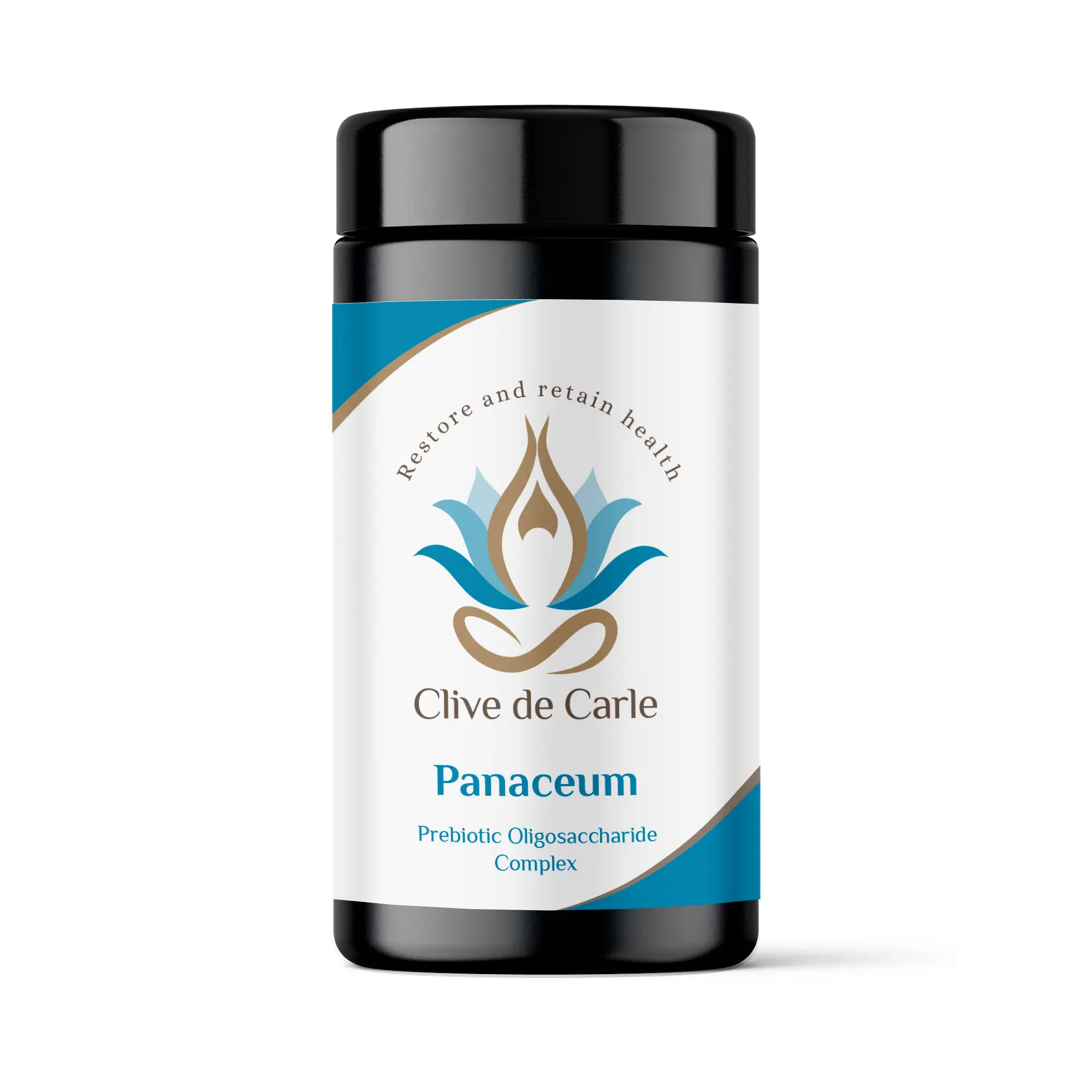
Panaceum – Prebiotic Oligosaccharide Complex
Panaceum is a specialist eight-oligosaccharide blend designed to restore the microbial diversity missing from the modern Western diet. By providing the complex fibres our ancestors once consumed, it feeds and sustains a resilient gut microbiome for long-term health.
Vetting Notes
Pending
This is the body's attempt to 'flush' the bacteria out of the system by allowing water to enter the lumen, but it simultaneously allows bacterial toxins to enter the bloodstream. ## The Systemic Consequences of Increased Permeability When the tight junctions are compromised, the intestinal barrier becomes 'leaky.' This allows undigested food particles, environmental toxins, and microbial components (like LPS) to pass into the lamina propria, the layer of tissue directly beneath the epithelium. Here, they encounter the majority of the human immune system (GALT - Gut-Associated Lymphoid Tissue). This encounter triggers a systemic inflammatory response. Chronic elevation of zonulin has been linked to a myriad of conditions, including Celiac disease, Type 1 Diabetes, Multiple Sclerosis, Rheumatoid Arthritis, and even neuroinflammatory conditions like depression and 'brain fog.' The mechanism is often described as the 'perfect storm': a genetic predisposition, exposure to a trigger (like gluten), and a loss of intestinal barrier integrity mediated by zonulin. ## Addressing the Root Cause From an educational perspective at INNERSTANDING, we advocate for a root-cause approach. Testing for serum zonulin levels or using the lactulose/mannitol breath test can provide insights into the state of the intestinal barrier.
However, the solution lies in addressing the triggers. This includes: 1. Nutritional Intervention: Eliminating or reducing gluten and other pro-inflammatory foods to reduce the direct stimulation of zonulin. 2. Microbiome Modulation: Utilising targeted probiotics, prebiotics, and antimicrobial herbs to restore microbial balance and reduce LPS-driven zonulin release. 3. Mucosal Support: Providing the building blocks for enterocyte repair, such as L-glutamine, zinc carnosine, and collagen-rich foods, which help the body reassemble the tight junction complex once the zonulin signal has diminished. ## Conclusion Zonulin is a remarkable protein that illustrates the profound connection between our gut health and systemic well-being.
By understanding the enterocyte signalling pathways it modulates, we move away from viewing digestive issues as isolated symptoms and begin to see them as the foundation of systemic health. Modulating zonulin and maintaining tight junction integrity is essential for anyone seeking to reverse chronic inflammation and achieve optimal vitality.
This article is provided for informational and educational purposes only. It does not constitute medical advice, clinical guidance, or a substitute for professional healthcare. Information reflects cited research at time of publication. Always consult a qualified healthcare professional before acting on any health information.
RESEARCH FOUNDATIONS
Biological Credibility Archive
Citations provided for educational reference. Verify via PubMed or institutional databases.
Medical Disclaimer
The information in this article is for educational purposes only and does not constitute medical advice, diagnosis, or treatment. Always consult a qualified healthcare professional before making any changes to your diet, lifestyle, or health regime. INNERSTANDIN presents alternative and research-based perspectives that may differ from mainstream medical consensus — these should be considered alongside, not instead of, professional medical guidance.
Read Full DisclaimerReady to learn more?
Continue your journey through our classified biological research.
THE ARSENAL
Based on Leaky Gut & Intestinal Permeability — products curated by our research team for educational relevance and biological support.
Panaceum – Prebiotic Oligosaccharide Complex
C60 Charcoal – Supports Healthy Digestion and Detoxification.
Clean Slate – Detoxes thousands of chemicals,heavy metals, pesticides, allergens, mold spores and fungus
INNERSTANDING may earn a commission on purchases made through these links. All products are selected based on rigorous educational relevance to our biological research.
RABBIT HOLE
Follow the biological thread deeper