The Role of Zonulin in Modulating Tight Junction Stability and Intestinal Barrier Integrity
An extensive educational guide exploring the discovery, mechanism, and clinical significance of zonulin, the primary protein responsible for regulating intestinal permeability and its link to chronic systemic conditions.
# The Role of Zonulin in Modulating Tight Junction Stability and Intestinal Barrier Integrity\n\n## Introduction: The Sentinel of the Gut\n\nThe human intestinal tract is a marvel of biological engineering. Spanning a surface area roughly the size of a tennis court, it is lined by a single layer of epithelial cells that must perform two contradictory tasks: absorbing essential nutrients while simultaneously acting as a formidable barrier against toxins, pathogens, and undigested food particles. At the heart of this regulatory balancing act is a protein called zonulin. Known as the 'master regulator' of intestinal permeability, zonulin plays a pivotal role in the phenomenon commonly referred to as \"leaky gut.\" Understanding the function of zonulin is not merely an academic exercise; it is essential for addressing the root causes of systemic inflammation and the modern epidemic of autoimmune diseases.\n\n## The Architecture of the Barrier: Tight Junctions Explained\n\nTo understand zonulin, we must first understand the structures it controls: the Tight Junctions (TJs). Also known as zonula occludens, these are complex protein structures that fuse the membranes of adjacent epithelial cells together.
They act as the 'gatekeepers' of the paracellular pathway—the space between cells.\n\nTight junctions are composed of several key proteins, including claudins, occludins, and intracellular scaffold proteins like zonula occludens-1 (ZO-1). When these proteins are properly aligned and 'sealed,' the gut barrier is intact. However, the gut is not a static wall; it is a dynamic interface. TJs must open and close to allow the passage of water and solutes. This is where zonulin enters the narrative as the primary physiological modulator of these gates.\n\n## The Discovery of Zonulin: A Physiological Key\n\nZonulin was discovered in 2000 by Dr.
Alessio Fasano and his team at the University of Maryland School of Medicine. While searching for a target for a cholera vaccine, they identified a precursor to haptoglobin-2 (HP2) that had the unique ability to modulate intestinal permeability. This protein, named zonulin, was found to be the human analogue of the Zonula occludens toxin (Zot) produced by *Vibrio cholerae*.\n\nFrom an evolutionary perspective, zonulin served an important purpose: it was likely developed as a defensive mechanism to flush out harmful pathogens by increasing intestinal fluid flow. However, in the modern environment, chronic over-stimulation of the zonulin pathway leads to pathological permeability, allowing the translocation of antigens into the bloodstream.\n\n## The Mechanism: How Zonulin Unlocks the Gate\n\nThe process of opening the gut barrier is a sophisticated biochemical cascade. When zonulin is released from the epithelial cells into the intestinal lumen, it binds to specific receptors on the surface of the intestinal wall—primarily the Protease-Activated Receptor 2 (PAR2) and the Epidermal Growth Factor Receptor (EGFR). \n\nOnce these receptors are activated, a signal is sent inside the cell that leads to the phosphorylation of the tight junction proteins (specifically ZO-1 and occludins).
This causes the proteins to detach from the cell membrane and rearrange their structure, effectively 'unzipping' the tight junction. This creates a gap in the barrier, allowing molecules as large as 35,000 Daltons to pass through. In a healthy state, this process is transient and reversible; in a diseased state, the gates remain open, leading to chronic intestinal permeability.\n\n## Root Causes: What Triggers Zonulin Release?\n\nAt INNERSTANDING, we focus on root causes. While many factors can influence gut health, research has identified two primary triggers for the excessive release of zonulin in the human gut:\n\n### 1. Gluten and Gliadin\nPerhaps the most well-documented trigger for zonulin release is gliadin, a glycoprotein found in wheat and other gluten-containing grains.
Crucially, research suggests that gliadin triggers zonulin release not just in those with Celiac disease, but in all humans to varying degrees. When gliadin binds to the CXCR3 receptor on the intestinal epithelium, it stimulates the immediate release of zonulin. In genetically susceptible individuals, this prolonged opening of the gut barrier can trigger the immune system to attack the body’s own tissues.\n\n### 2. Gut Dysbiosis\nSmall Intestinal Bacterial Overgrowth (SIBO) and general dysbiosis (an imbalance of gut flora) are the second major triggers. Certain species of bacteria, particularly gram-negative bacteria that produce Lipopolysaccharides (LPS), can induce zonulin production.
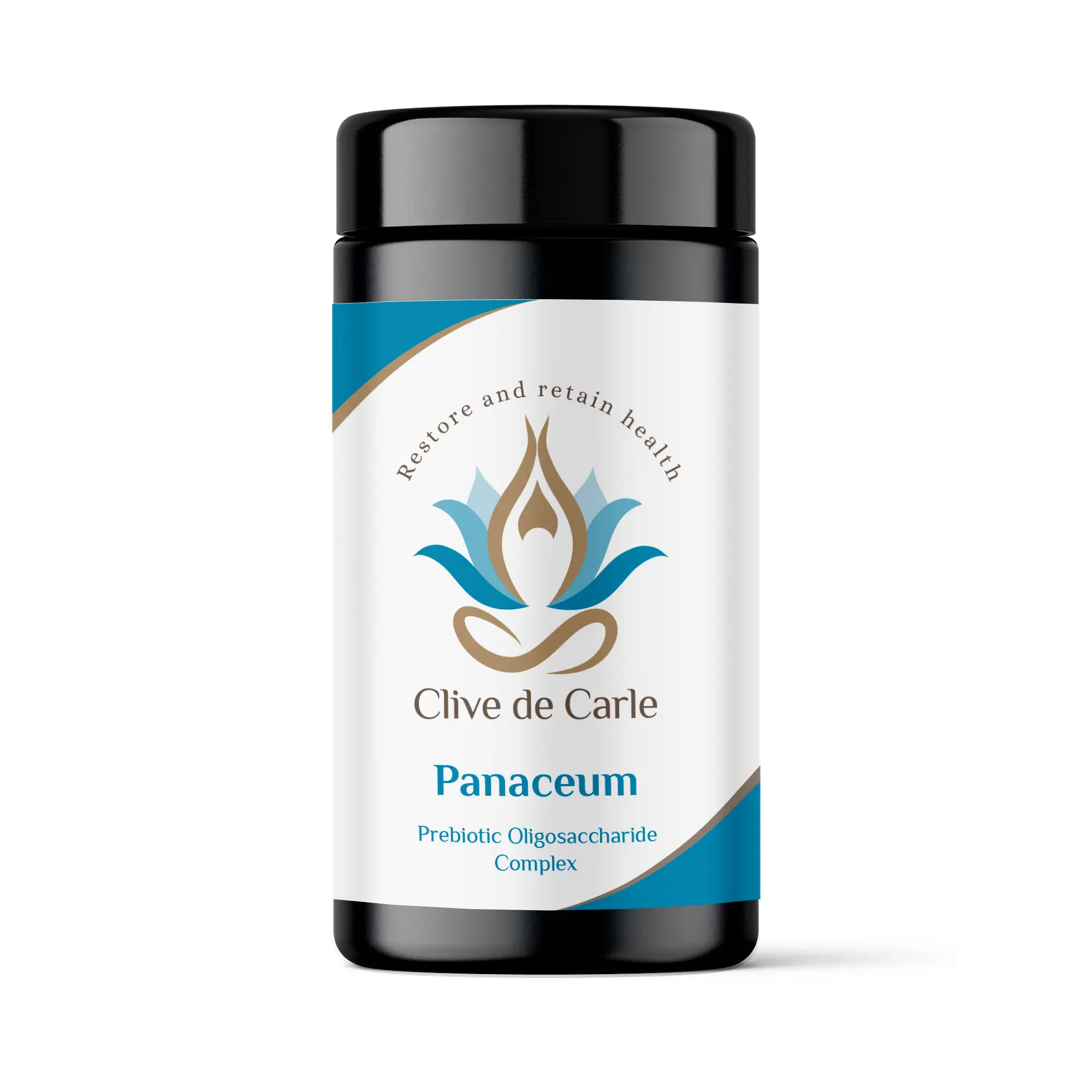
Panaceum – Prebiotic Oligosaccharide Complex
Panaceum is a specialist eight-oligosaccharide blend designed to restore the microbial diversity missing from the modern Western diet. By providing the complex fibres our ancestors once consumed, it feeds and sustains a resilient gut microbiome for long-term health.
Vetting Notes
Pending
This serves as a reminder that the health of the microbiome is inseparable from the structural integrity of the gut lining. When the 'good' bacteria are outnumbered, the protective mucosal layer thins, and zonulin-mediated permeability increases.\n\n## Systemic Consequences: Beyond the Gut\n\nWhen zonulin levels are chronically elevated, the resulting 'leaky gut' allows for 'metabolic endotoxaemia.' Antigens, bacterial fragments (LPS), and toxins enter the systemic circulation, where they are met by the immune system. This triggers a pro-inflammatory response that can manifest anywhere in the body. \n\nResearch has linked elevated zonulin levels to a wide array of conditions, including:\n- Autoimmune Diseases: Type 1 Diabetes, Celiac Disease, Multiple Sclerosis, and Rheumatoid Arthritis.\n- Metabolic Disorders: Non-alcoholic fatty liver disease (NAFLD), obesity, and insulin resistance.\n- Neuroinflammation: The 'gut-brain axis' is highly sensitive to zonulin. Increased intestinal permeability often precedes increased blood-brain barrier permeability, potentially contributing to 'brain fog,' anxiety, and neurodegenerative conditions.\n\n## Clinical Perspectives: Testing and Management\n\nIn a clinical setting, measuring serum zonulin has become a valuable biomarker for assessing intestinal permeability. While stool tests for zonulin exist, many practitioners prefer serum (blood) testing for greater accuracy in reflecting systemic exposure. \n\nManaging zonulin levels requires a multi-faceted approach focused on the root triggers:\n- Dietary Modification: Removing gliadin and other inflammatory triggers to reduce the stimulation of CXCR3 receptors.\n- Microbiome Restoration: Using targeted probiotics (such as *Saccharomyces boulardii* or specific *Bifidobacterium* strains) and prebiotics to crowd out zonulin-inducing pathogens.\n- Nutritional Support: Nutrients like Zinc Carnosine, Quercetin, and L-Glutamine have been shown to support the re-assembly of tight junction proteins and stabilise the epithelial membrane.\n\n## Conclusion: Restoring the Integrity\n\nZonulin is a powerful biological switch.
While it was designed to protect us, its over-activation in the modern world acts as a gateway to chronic illness. By understanding the role of zonulin in modulating tight junction stability, we move away from treating symptoms and toward a profound, root-cause resolution of health challenges. Protecting the integrity of the intestinal barrier is not just about digestion; it is the foundation of systemic health and the first step in the journey of INNERSTANDING your body.
This article is provided for informational and educational purposes only. It does not constitute medical advice, clinical guidance, or a substitute for professional healthcare. Information reflects cited research at time of publication. Always consult a qualified healthcare professional before acting on any health information.
RESEARCH FOUNDATIONS
Biological Credibility Archive
Citations provided for educational reference. Verify via PubMed or institutional databases.
Medical Disclaimer
The information in this article is for educational purposes only and does not constitute medical advice, diagnosis, or treatment. Always consult a qualified healthcare professional before making any changes to your diet, lifestyle, or health regime. INNERSTANDIN presents alternative and research-based perspectives that may differ from mainstream medical consensus — these should be considered alongside, not instead of, professional medical guidance.
Read Full DisclaimerReady to learn more?
Continue your journey through our classified biological research.
THE ARSENAL
Based on Leaky Gut & Intestinal Permeability — products curated by our research team for educational relevance and biological support.
Panaceum – Prebiotic Oligosaccharide Complex
C60 Charcoal – Supports Healthy Digestion and Detoxification.
Clean Slate – Detoxes thousands of chemicals,heavy metals, pesticides, allergens, mold spores and fungus
INNERSTANDING may earn a commission on purchases made through these links. All products are selected based on rigorous educational relevance to our biological research.
RABBIT HOLE
Follow the biological thread deeper