Microbial Dysbiosis and Biofilm Architecture in Chronic Tonsillar Cryptitis
An in-depth exploration of the microbial shifts and complex biofilm structures that drive chronic tonsillar cryptitis, moving beyond surface-level symptoms to address the root causes of recurrent tonsillar inflammation and tonsillolith formation.
# Microbial Dysbiosis and Biofilm Architecture in Chronic Tonsillar Cryptitis\n\n## Introduction: Beyond the Surface of Recurrent Sore Throats\n\nThe human oropharynx is a highly complex ecological niche, serving as the primary gateway for both nutritional intake and respiratory gaseous exchange. At the heart of this gateway lie the palatine tonsils—specialised secondary lymphoid organs that constitute a critical component of Waldeyer’s ring. While the tonsils are often discussed in the context of acute infections (tonsillitis), a more insidious and pervasive condition exists: Chronic Tonsillar Cryptitis (CTC). For many patients in the UK and beyond, CTC is a source of persistent discomfort, halitosis, and systemic fatigue that traditional short-course antibiotics fail to resolve. To understand why this condition persists, we must look deeper than simple bacterial infection and examine the systemic breakdown of the microbial ecosystem and the sophisticated physical structures—biofilms—that pathogens build to survive within the tonsillar tissue.\n\n## The Crypt System: A Specialized Immunological Gateway\n\nTo understand chronic cryptitis, one must first appreciate the unique architecture of the palatine tonsils.
Unlike many other lymphoid tissues, the palatine tonsils are characterised by deep, branching invaginations known as tonsillar crypts. There are approximately 10 to 20 crypts per tonsil, significantly increasing the surface area for contact between the immune system and the external environment. This architecture is designed for 'antigen sampling.' The crypts are lined with a specialised reticulated epithelium containing M-cells, which capture pathogens and present them to the underlying lymphoid follicles to prime the body’s immune response.\n\nHowever, this very design—intended to protect the body—creates an environment prone to stagnation. In a healthy state, the tonsils undergo a process of 'epithelial shedding' or 'desquamation,' where dead cells and debris are cleared from the crypts. In Chronic Tonsillar Cryptitis, this clearing mechanism fails.
The result is an accumulation of cellular debris, food particles, and microbes, creating a sheltered, low-oxygen microenvironment that is ripe for the development of chronic infection.\n\n## From Symbiosis to Dysbiosis: The Microbial Shift\n\nThe root cause of CTC is not the presence of a single 'bad' bacterium, but rather a state of dysbiosis—an imbalance in the microbial community. In a healthy oropharynx, the microbiome is dominated by commensal organisms, primarily Viridans group streptococci, Neisseria species, and various anaerobes that exist in a symbiotic relationship with the host. These commensals prevent the overgrowth of pathogens through a process known as bacterial interference.\n\nIn patients with chronic cryptitis, this balance shifts. Research utilizing high-throughput sequencing has revealed that CTC tonsils harbour a significantly different microbial profile than healthy tonsils. There is often a reduction in commensal diversity and an enrichment of otopathogens such as Haemophilus influenzae, Streptococcus pyogenes (Group A Strep), and Staphylococcus aureus.
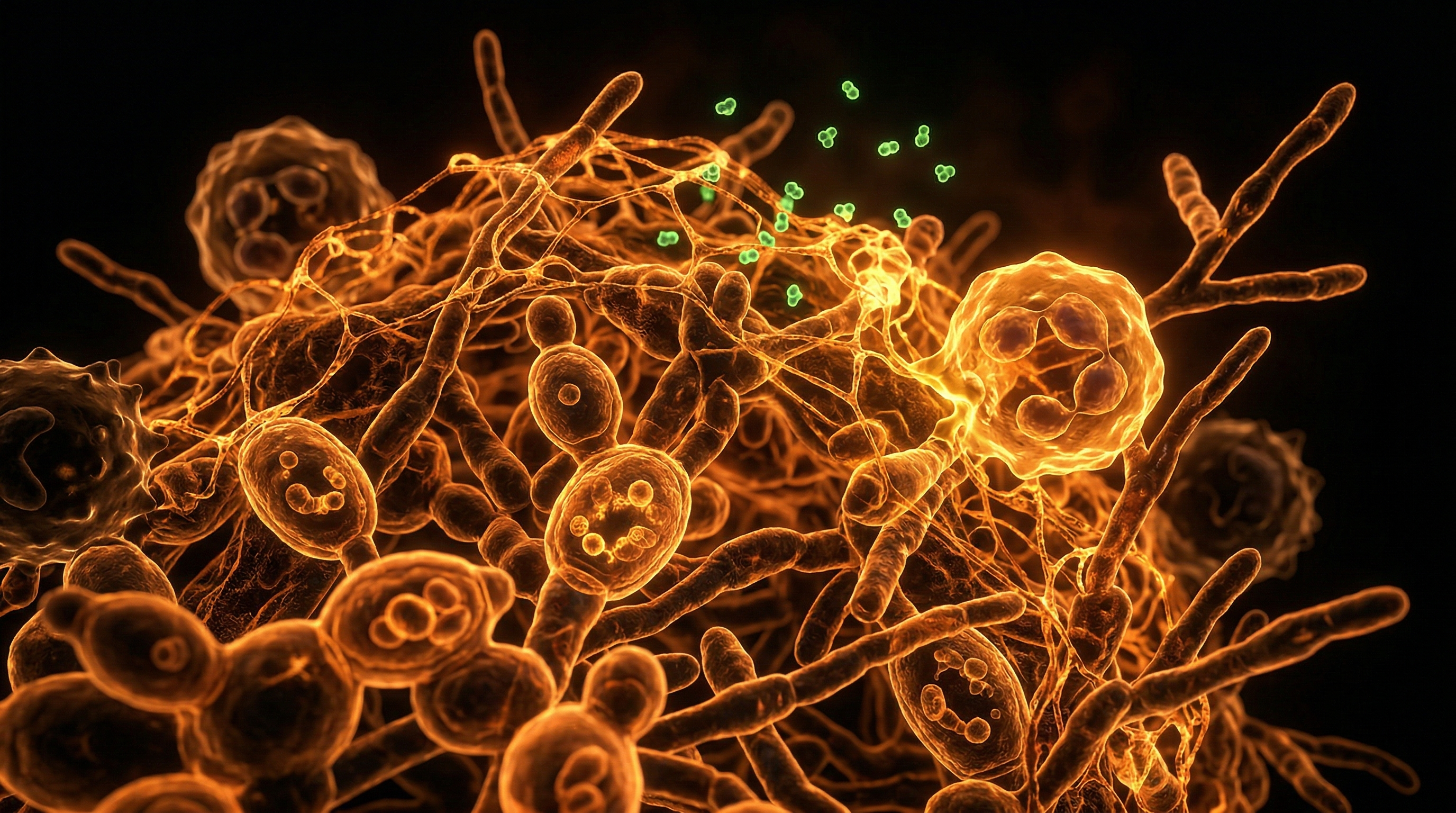
Furthermore, anaerobic species like Fusobacterium nucleatum and Porphyromonas gingivalis become dominant within the deep crypts. This shift from a diverse, aerobic-dominant flora to a pathogen-heavy, anaerobic-dominant flora marks the transition from health to chronic disease.\n\n## The Fortress: Biofilm Architecture in the Crypts\n\nPerhaps the most significant barrier to treating CTC is the formation of bacterial biofilms. A biofilm is not simply a collection of bacteria; it is a highly organised, multi-species community encased in a self-produced matrix of Extracellular Polymeric Substances (EPS). Within the deep recesses of the tonsillar crypts, these biofilms act as biological fortresses.\n\nThe architecture of a biofilm allows bacteria to survive in ways that 'planktonic' (free-floating) bacteria cannot. The EPS matrix protects the microbes from the host’s immune cells—neutrophils and macrophages—which find it difficult to penetrate the sticky, protective layer.
Even more critically, biofilms are notoriously resistant to antibiotics. The outer layers of the biofilm may be killed by a standard course of penicillin or erythromycin, but the 'persister cells' in the deep, metabolic-inactive core of the biofilm remain untouched. Once the antibiotic course is finished, these cells re-emerge, leading to the 'recurrent' infections so common in clinical practice.\n\n## Tonsilloliths: The Physical Manifestation of Chronic Dysbiosis\n\nA hallmark symptom of chronic cryptitis is the formation of tonsilloliths, or tonsil stones. Many patients view these as a mere nuisance—unpleasant-smelling debris that occasionally dislodges. However, from a root-cause perspective, tonsilloliths are a physical manifestation of deep-seated biofilm activity.
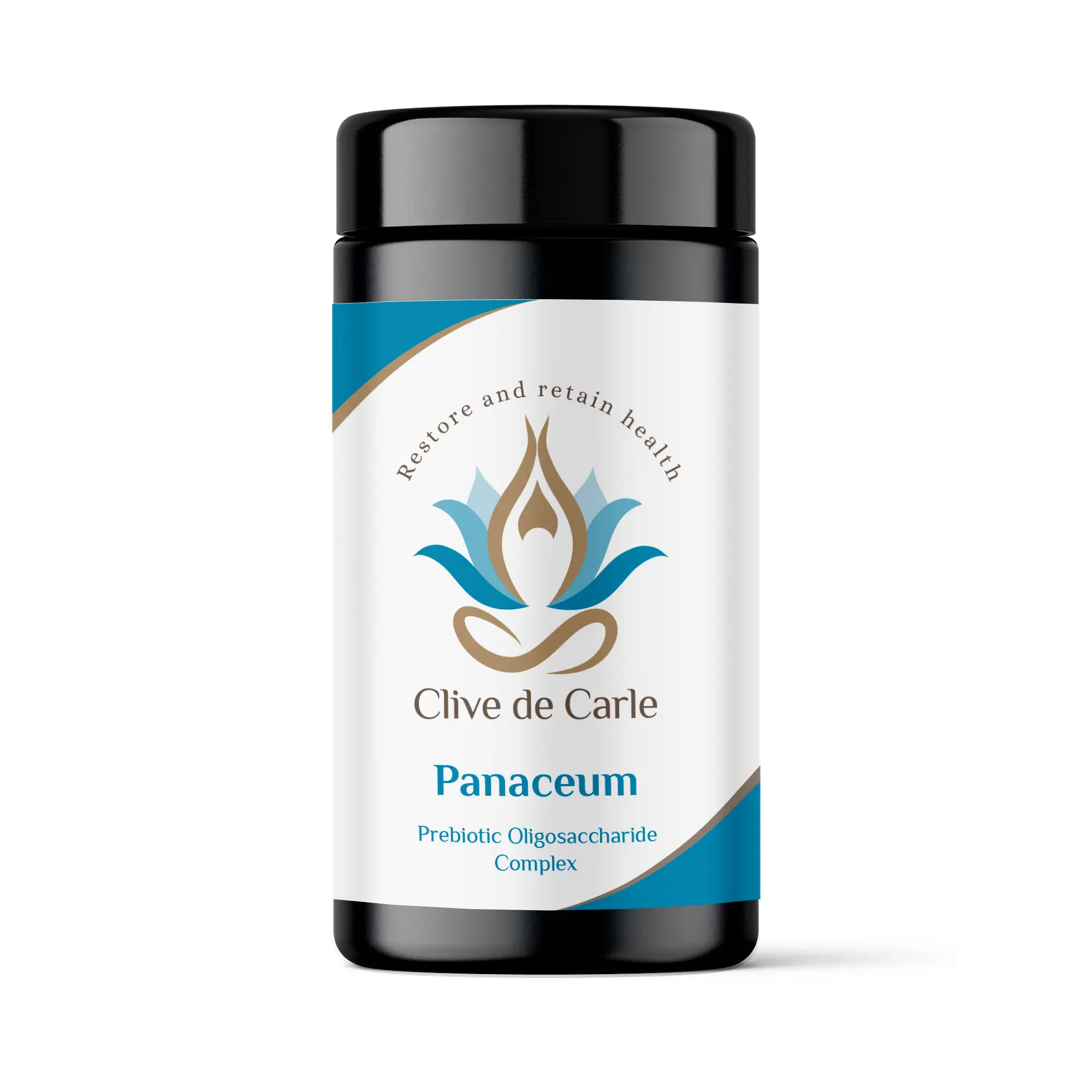
Panaceum – Prebiotic Oligosaccharide Complex
Panaceum is a specialist eight-oligosaccharide blend designed to restore the microbial diversity missing from the modern Western diet. By providing the complex fibres our ancestors once consumed, it feeds and sustains a resilient gut microbiome for long-term health.
Vetting Notes
Pending
They are formed through a process of bio-mineralisation. As the biofilm matures, it traps calcium salts from saliva and cellular debris, eventually hardening into a stone.\n\nTonsilloliths are living structures. Studies have shown that they contain the same complex microbial stratification as dental plaque. They serve as a reservoir for pathogens, continuously shedding bacteria and volatile sulphur compounds (VSCs) into the oropharynx. This explains why halitosis is a primary complaint of CTC sufferers; it is not a lack of oral hygiene, but an internal biological process occurring within the tonsillar architecture.\n\n## Innate Immunity and the Chronic Inflammatory Loop\n\nThe persistence of biofilms and dysbiosis within the crypts places a constant strain on the innate immune system.
In CTC, the tonsillar tissue is in a state of 'pro-inflammatory' arrest. Cytokine profiling of chronic tonsillar tissue often shows elevated levels of Interleukin-1 (IL-1) and Tumour Necrosis Factor-alpha (TNF-̑), signaling that the body is in a perpetual state of fight-or-flight at the gateway of the throat.\n\nThis chronic inflammation does not just affect the throat. The systemic 'leakage' of inflammatory mediators can contribute to the general malaise, joint pain, and 'brain fog' that some patients report alongside their throat symptoms. The tonsils, once a site of protection, become a source of systemic inflammatory burden. This is why a root-cause approach must look beyond the throat to support the body’s overall inflammatory balance and immune resilience.\n\n## Clinical Implications: Moving Beyond Conventional Treatment\n\nThe standard UK medical approach to recurrent tonsil issues often fluctuates between two extremes: repetitive antibiotic prescriptions or surgical removal (tonsillectomy).
While tonsillectomy is effective, it involves significant recovery and the removal of a functional immune organ. A root-cause understanding of CTC suggests a third way: restoring the microbial and physical health of the crypt system.\n\nTreatments targeting the biofilm architecture—such as cryptolysis (using lasers or radiofrequency to smooth the crypts), salt-water irrigation to disrupt the EPS matrix, and the use of oral-specific probiotics (like Streptococcus salivarius K12)—show promise. Probiotics, in particular, aim to 're-seed' the oropharynx with beneficial commensals that can actively outcompete the biofilm-forming pathogens, addressing the dysbiosis at its source.\n\n## Conclusion\n\nChronic Tonsillar Cryptitis is far more than a simple series of infections; it is a complex failure of the tonsillar ecosystem. By understanding the intricate relationship between the crypt architecture, microbial dysbiosis, and the development of bacterial biofilms, we can move away from the frustration of recurrent antibiotic failure. For the INNERSTANDING community, the focus remains on the root cause: supporting the innate immune system, restoring microbial balance, and managing the physical environment of the oropharynx to ensure the tonsils can perform their vital role as the body’s first line of defence.
This article is provided for informational and educational purposes only. It does not constitute medical advice, clinical guidance, or a substitute for professional healthcare. Information reflects cited research at time of publication. Always consult a qualified healthcare professional before acting on any health information.
RESEARCH FOUNDATIONS
Biological Credibility Archive
Citations provided for educational reference. Verify via PubMed or institutional databases.
Medical Disclaimer
The information in this article is for educational purposes only and does not constitute medical advice, diagnosis, or treatment. Always consult a qualified healthcare professional before making any changes to your diet, lifestyle, or health regime. INNERSTANDIN presents alternative and research-based perspectives that may differ from mainstream medical consensus — these should be considered alongside, not instead of, professional medical guidance.
Read Full DisclaimerReady to learn more?
Continue your journey through our classified biological research.
THE ARSENAL
Based on Tonsils, Adenoids & Innate Immunity — products curated by our research team for educational relevance and biological support.
Panaceum – Prebiotic Oligosaccharide Complex
INNERSTANDING may earn a commission on purchases made through these links. All products are selected based on rigorous educational relevance to our biological research.
RABBIT HOLE
Follow the biological thread deeper